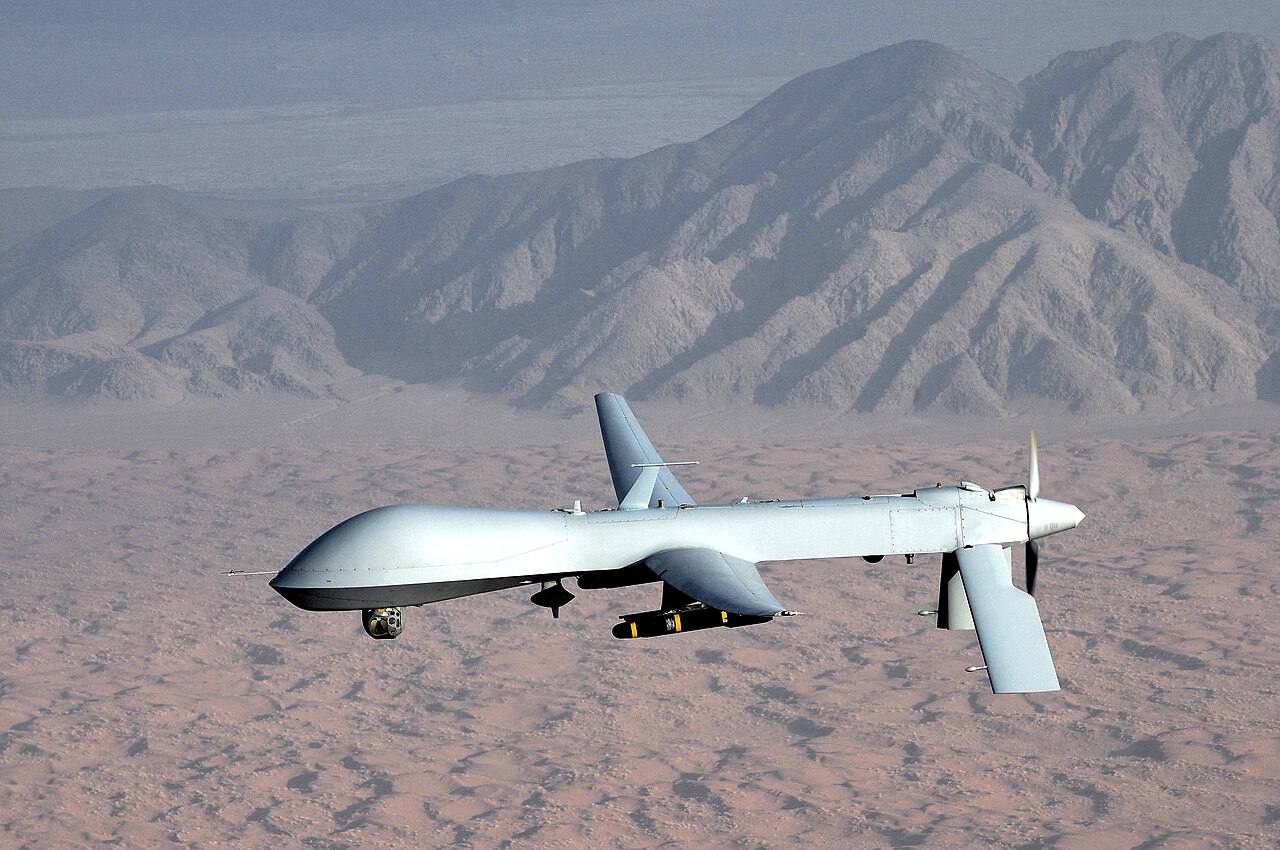
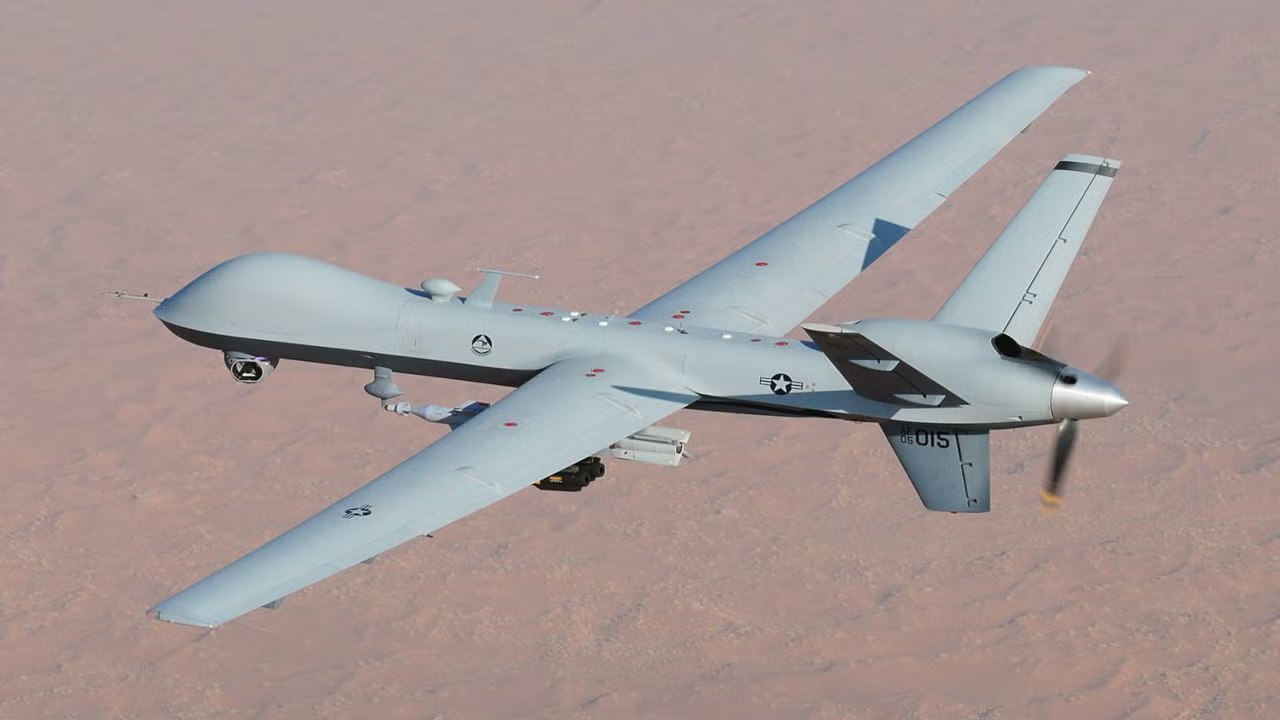
IRGC Intercepts MQ‑1 Predator Drone
The Iranian Islamic Revolutionary Guard Corps (IRGC) confirmed on 31 May 2026 that it shot down an unmanned aerial system identified as a MQ‑1 Predator in Iran’s territorial waters of the Persian Gulf. The engagement occurred at 05:56:11 local time, according to a statement released by the IRGC and reported by BellumActaNews. The IRGC described the aircraft as a “hostile operation” launched by the United States, asserting that the drone entered Iranian waters without authorization. The Predator was intercepted by the IRGC’s missile‑defence system and destroyed. No casualties were reported on either side, and the incident marks the first confirmed downing of a U.S.‑type drone in Iranian waters since the 2020 escalation over the Strait of Hormuz.
The MQ‑1 Predator was officially retired from U.S. service in 2018, raising questions about the drone’s provenance. BellumActaNews noted that the United Arab Emirates (UAE) remains the only regional operator of the platform besides Turkey, suggesting a higher probability that the aircraft belonged to Emirati forces conducting a surveillance sortie. The IRGC’s statement did not address the possibility of third‑party ownership, focusing instead on the violation of Iranian sovereign airspace. The agency also warned that any future incursions would be “decisively dealt with,” a phrasing that mirrors earlier IRGC communications following the 2020 drone incidents. The incident underscores the growing ambiguity surrounding the deployment of legacy U.S. platforms by allied states in contested maritime zones.
An earlier report from GeoPWatch, timestamped 00:50:23, described a separate interception of a U.S. MQ‑1 Predator that entered Iranian territorial waters in the early morning hours. According to the Tasnim News Agency, the drone was detected by the IRGC’s integrated air‑defence network and engaged with surface‑to‑air missiles. The agency’s release included a direct quote:
“Iranian territorial airspace is under full control and any further violations will be dealt with decisively.”The GeoPWatch account confirms that the IRGC employed a missile‑defence system rather than a man‑portable air‑defence unit, indicating a coordinated response. No injuries or material damage beyond the drone were reported, and the incident was logged without escalation to kinetic engagement with surface vessels.
The twin drone interceptions illustrate a pattern of heightened Iranian vigilance over its maritime domain. Both events were reported by independent monitoring channels—BellumActaNews and GeoPWatch—relying on statements from the IRGC and Tasnim News Agency. The IRGC’s repeated emphasis on “decisive” retaliation signals an operational shift toward pre‑emptive engagement of aerial threats, even when the platform’s origin is ambiguous. Analysts note that the use of legacy MQ‑1 airframes, whether operated by the United States, the UAE, or a third party, complicates attribution and raises the risk of inadvertent escalation. The IRGC’s public messaging also serves a domestic audience, reinforcing the narrative of sovereign control amid broader regional tensions involving the United States and its Gulf allies.
U.S. Enforces Blockade in Gulf of Oman
Concurrently, United States Central Command (CENTCOM) executed a maritime interdiction in the Gulf of Oman, targeting a Gambia‑flagged vessel, M/V Lian Star, that was attempting to transit toward an Iranian port. According to rnintel, CENTCOM forces issued more than twenty warnings before employing a Hellfire missile to disable the vessel on 29 May 2026. The strike was described as part of “blockade measures” intended to prevent the transport of prohibited cargo to Iran. The operation redirected the vessel and other nearby ships, reinforcing the United States’ commitment to enforce sanctions and maritime security in the region. No crew casualties were reported, and the vessel sustained sufficient damage to halt its progress without sinking.
The juxtaposition of Iranian air‑defence actions and U.S. naval enforcement underscores a rapidly evolving security environment in the Gulf of Oman and the Persian Gulf. Both sides are employing precision weapons—missile‑defence systems, Hellfire missiles, and surface‑to‑air missiles—to achieve strategic objectives while limiting collateral damage. The incidents raise immediate concerns for commercial shipping, which now faces heightened risk of inadvertent engagement amid overlapping claims and enforcement zones. Monitoring agencies advise vessels to maintain open communication channels with both Iranian and U.S. maritime authorities to avoid violations. The events of 31 May 2026 will likely be cited in future diplomatic dialogues concerning freedom of navigation, the legality of blockades, and the permissible use of legacy unmanned systems in contested waters.