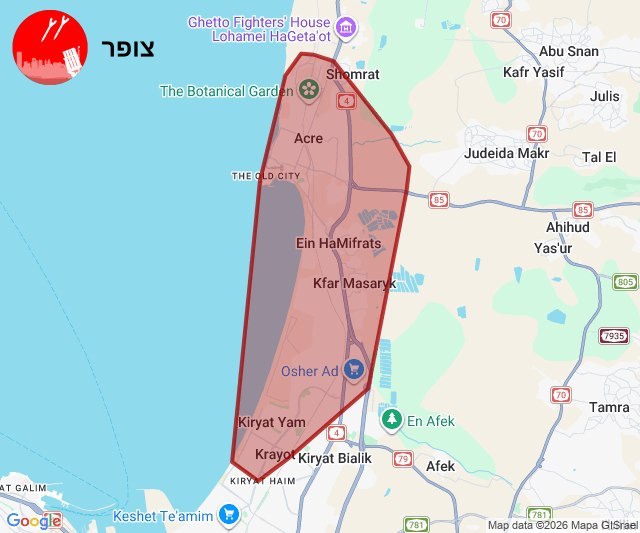
On 31 May 2026 a series of coordinated kinetic attacks originating from Lebanon targeted civilian and military sites across northern Israel. The most significant incident occurred at the Finger of the Galilee, where a rocket strike was reported at 16:11 local time. Subsequent launches hit the Upper Galilee, Safed, Acre and the coastal town of Shlomi, while Hezbollah also employed unmanned aerial systems against Israeli forces. A separate car‑ramming attack in the West Bank added to the day's violence. Israeli security forces responded with air‑defence interceptions and medical evacuations, but the attacks resulted in multiple injuries and heightened alert levels along the northern border.
Rocket Barrage from Lebanon
At 16:11:12 a rocket was launched toward the Finger of the Galilee, a strategic settlement near the Lebanese border. BellumActaNews confirmed the strike, noting that the projectile landed within the community’s perimeter and triggered a local alarm system. No fatalities were reported, but the impact caused property damage and contributed to a broader sense of insecurity in the region.
"A new rocket attack was reported targeting the Finger of the Galilee area in northern Israel, near the Lebanese border." – BellumActaNews, https://t.me/BellumActaNews/173444
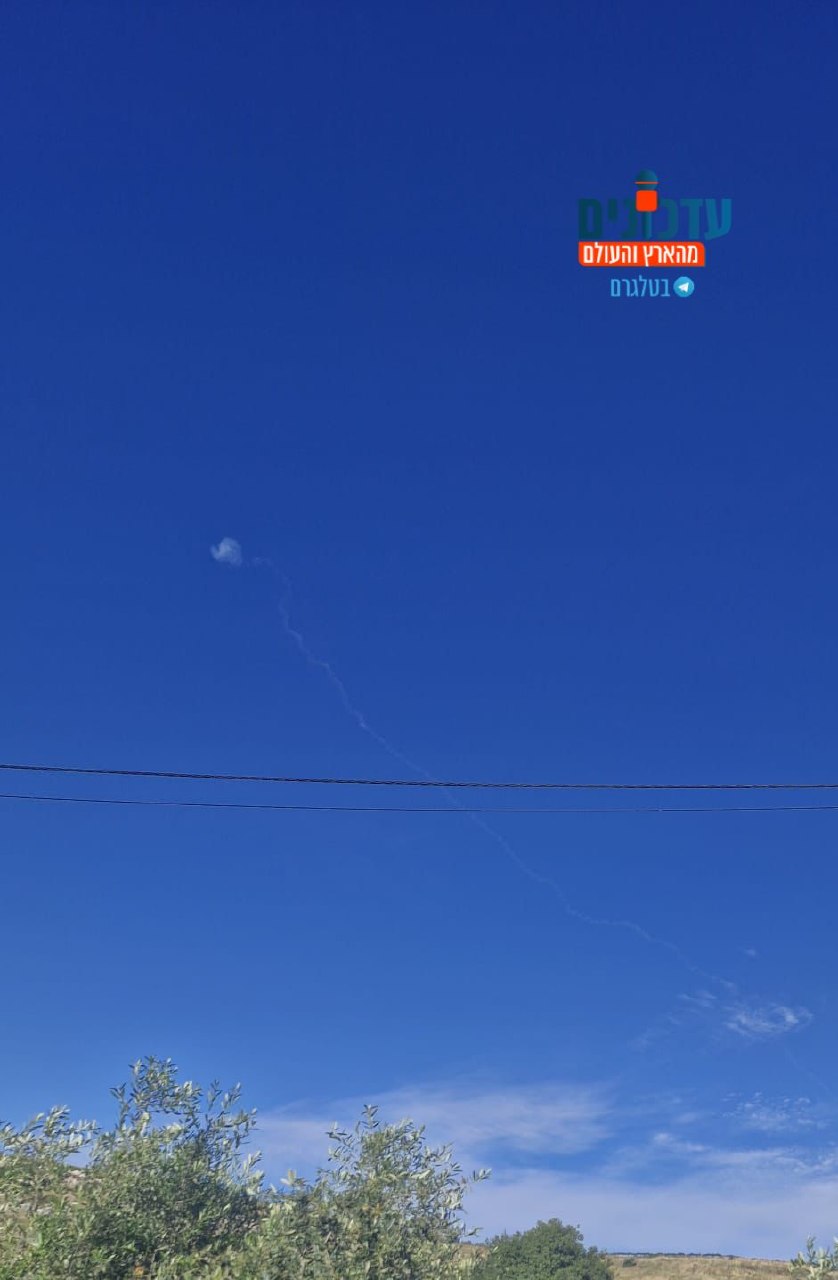
Earlier in the afternoon, at 15:48:44, idkunim_il documented rockets fired from Lebanon toward the Upper Galilee. The launch was part of a sustained pattern of cross‑border fire that began in the early morning hours. At 14:52:19, the same outlet reported alarms activated in Safed after several rockets were launched from Lebanese territory, underscoring the geographic spread of the attacks.
"Rockets were launched from Lebanon toward the Upper Galilee." – idkunim_il, https://t.me/idkunim_il/59817
Hezbollah claimed responsibility for a rocket salvo aimed at the town of Acre at 09:34:26. The group’s messaging platform displayed the hashtag “⚡️- Continued rocket alerts towards Acre, northern Israel,” indicating a deliberate escalation. The rockets caused no casualties but prompted evacuations and shelter‑in‑place orders for residents.
"Hezbollah has been firing rockets at Northern Israel frequently since early this morning." – rnintel, https://t.me/rnintel/61579
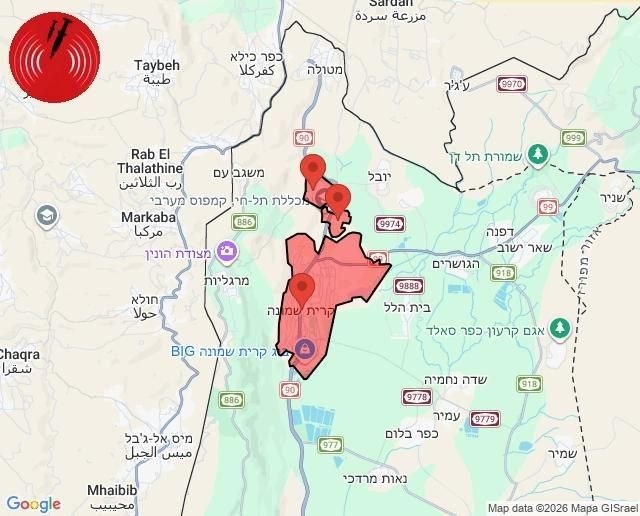
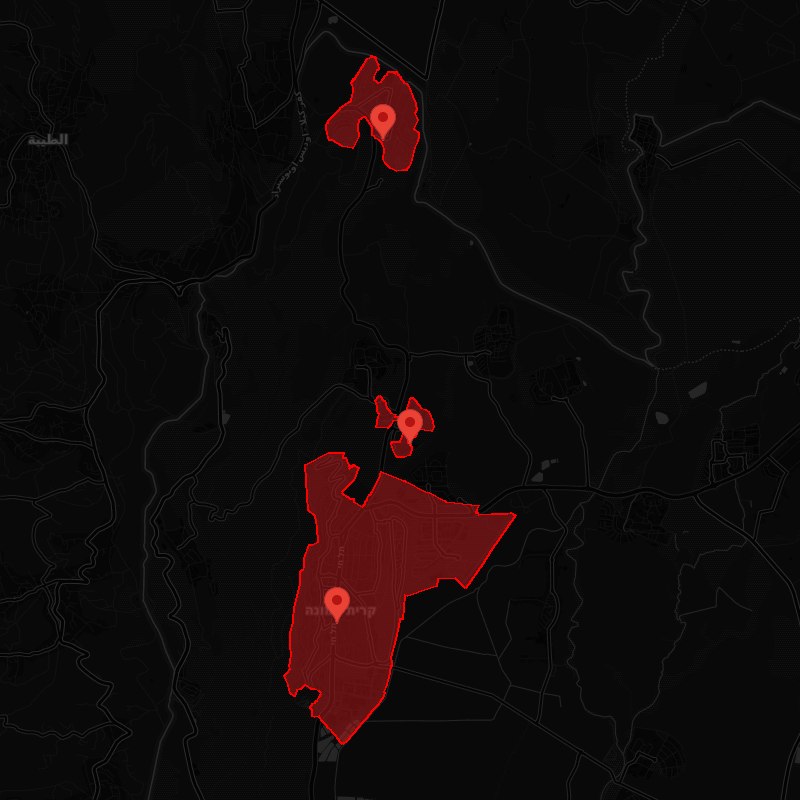
Additional rocket launches were recorded throughout the day: at 14:04:30 rockets were fired toward Israel’s northern border; at 09:29:01 rockets targeted Kiryat Shmona; and at 06:43:04 rockets struck the beach area of Nahariya, causing panic among civilians who fled for shelter. The Al Jazeera video feed captured the chaotic scene on the Nahariya shoreline, illustrating the psychological impact of the strikes even when physical damage was limited.
"Panic on beach in northern Israel during Hezbollah strikes." – Al Jazeera, https://www.aljazeera.com/video/newsfeed/2026/5/31/panic-on-beach-in-northern-israel-during-hezbollah-strikes?traffic_source=rss
Hezbollah Drone Operations
In addition to rockets, Hezbollah employed unmanned aerial systems against Israeli forces. At 15:45:07, GeoPWatch released video showing an Ababil first‑person‑view (FPV) drone striking an IDF utility vehicle (UTV) in the Galilee Forest camp. Both occupants of the vehicle were seriously wounded, marking the first confirmed drone‑caused injuries in the current escalation.
"Hezbollah published footage of the targeting of an IDF UTV vehicle using an 'Ababil' FPV drone within northern Israel's Galilee Forest camp on the 27th of May." – GeoPWatch, https://t.me/GeoPWatch/34475
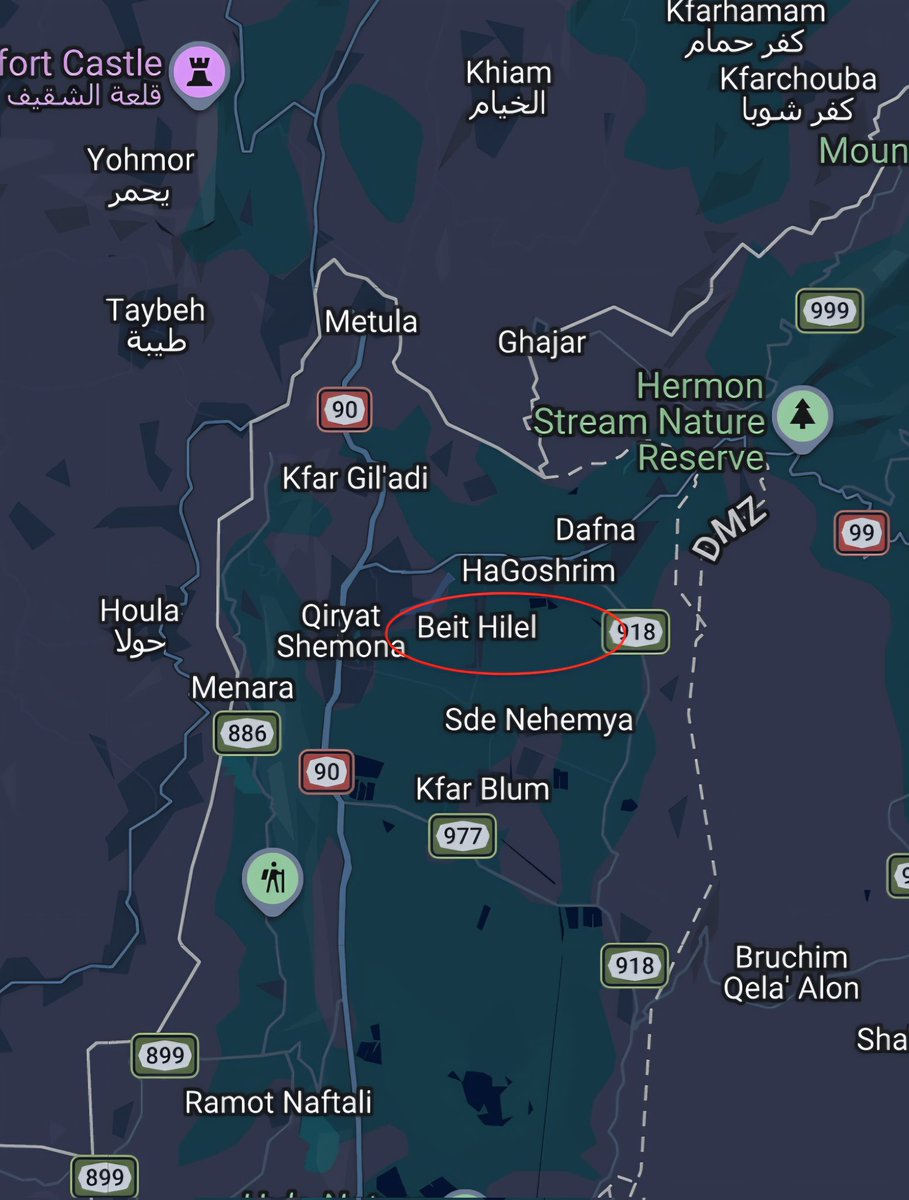
Later, at 15:26:46, a kamikaze drone hit an Israeli military position in Beit Hilel, wounding six soldiers who were subsequently evacuated to Rambam Hospital. The attack was reported by monitor_the_situation and corroborated by on‑site photographs. The same outlet had previously documented a similar FPV drone strike on an Israeli army vehicle at the Galilee Forest Camp on 27 May, indicating a sustained drone campaign.
"Kamikaze Drone Strikes Israeli Soldiers in Beit Hilel, 6 Wounded" – monitor_the_situation, https://t.me/monitor_the_situation/18731
Hezbollah also claimed a combined rocket and drone operation against Israeli military assets in Shlomi at 16:11:12. According to the group’s statement, rockets targeted a gathering of Israeli vehicles in Al‑Bayada, Lebanon, while a drone attacked a helicopter landing site in Shlomi. No casualties were reported in Shlomi, but the dual‑theater strike demonstrated Hezbollah’s expanding tactical repertoire.
"Hezbollah stated that it targeted a gathering of Israeli military vehicles in the town of Al‑Bayada in southern Lebanon with rockets, and separately targeted an Israeli military gathering at a helicopter landing site in the Shlomi settlement using a drone." – BellumActaNews, https://t.me/BellumActaNews/173443
Ground Infiltration and Car‑Ramming Attack
Beyond aerial threats, a ground‑based incident occurred at 17:31:11 in the West Bank’s Gush Etzion Junction. A vehicle rammed into a civilian crowd, injuring four individuals, two of them seriously. JPost reported that Magen David Adom paramedics treated the victims on site. While the perpetrator’s affiliation was not identified, the attack adds a new dimension to the day’s violence, highlighting the persistent risk of infiltration and lone‑wolf tactics in contested areas.
"Car ramming attack wounds several at Gush Etzion Junction in West Bank, south of Jerusalem." – JPost, https://www.jpost.com/israel-news/article-897918
Israeli Air Defense Interceptions
The Israeli Air Force (IAF) engaged multiple incoming rockets. At 08:32:24, IAF jets intercepted two rockets launched from Lebanon near the community of Zarit, preventing any casualties. The successful interception was confirmed by the IAF’s official channel, which highlighted the effectiveness of Israel’s Iron Dome and Arrow systems in the northern theater.
"Israel Air Force Intercepts Two Rockets From Lebanon Near Zarit" – monitor_the_situation, https://t.me/monitor_the_situation/18687
Additional alerts were issued by RocketAlert.live at 13:05:56, covering a confrontation line that included Tel Hai, Kiryat Shmona and Metulla. While no specific impact was recorded for that alert, the system’s real‑time notifications underscore the heightened state of readiness along the entire northern frontier.
Overall Assessment
The coordinated rocket and drone attacks on 31 May represent a marked escalation in cross‑border hostilities between Lebanon‑based militant groups and Israel. Although the day did not produce fatalities, the cumulative effect of multiple injuries, property damage and civilian panic reflects a growing capacity of Hezbollah to integrate conventional rockets with low‑cost UAVs. Israeli defensive measures, including rapid air‑defence interceptions and medical response, mitigated the lethal potential of the attacks but also strained resources across a broad geographic area.
Analysts note that the simultaneous use of rockets, FPV drones and a ground‑based vehicle attack suggests a multi‑vector strategy aimed at overwhelming Israeli detection and response systems. The continued flow of information from open‑source channels such as BellumActaNews, idkunim_il, GeoPWatch and monitor_the_situation provides a granular view of the evolving threat landscape, enabling real‑time situational awareness for both civilian populations and security planners.
As of the close of 31 May, Israel has reinforced border patrols, heightened aerial surveillance, and issued public safety advisories for communities within a 20‑kilometre radius of the Lebanese frontier. The pattern of attacks is likely to inform future operational planning on both sides of the border, with particular attention to the integration of drone technology into asymmetric warfare.