On 31 May 2026, Israel’s northern border region experienced a surge of kinetic events, including a series of rocket alerts, numerous hostile unmanned aerial vehicle (UAV) detections, and a notable expansion of ground operations in Lebanon. The day’s most consequential development was reported by Al Jazeera, which noted that Israel intensified its invasion of Lebanon while diplomatic talks between the United States and Iran progressed slowly.
"Donald Trump says talks with Iran are progressing 'slowly but surely', as Israel intensifies operations in Lebanon." – Al Jazeera, 31 May 2026
The report underscores a broader escalation in the Israel‑Lebanon theater, a context within which the numerous rocket and UAV alerts were recorded by the civilian‑focused monitoring service RocketAlert. While the alerts do not specify weapon types or responsible organizations, the concentration of incidents along the so‑called “Confrontation Line” suggests sustained artillery and aerial pressure on Israeli settlements.
Rocket Alerts Across the Confrontation Line
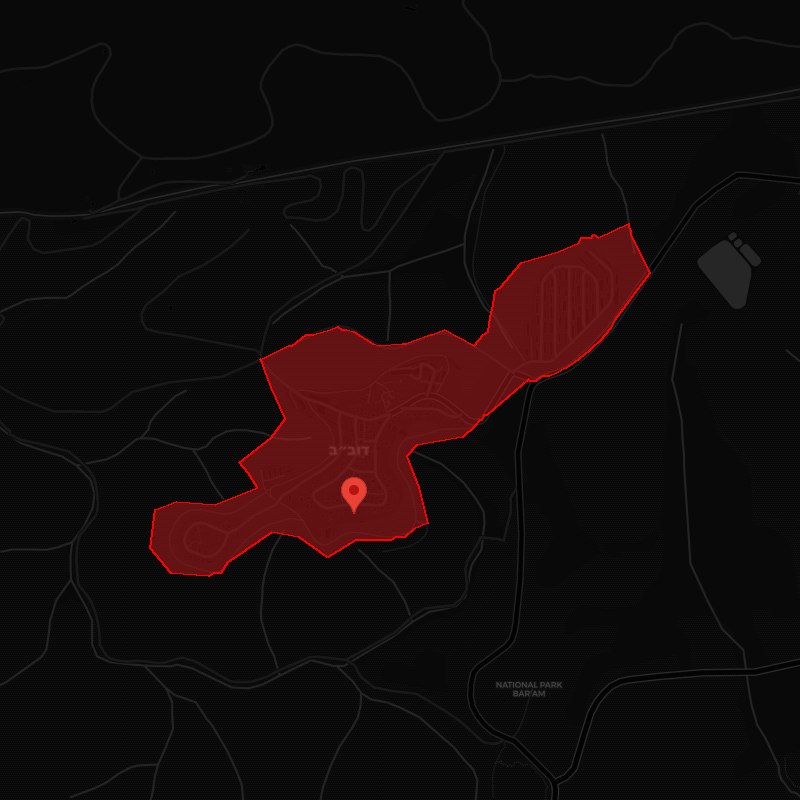
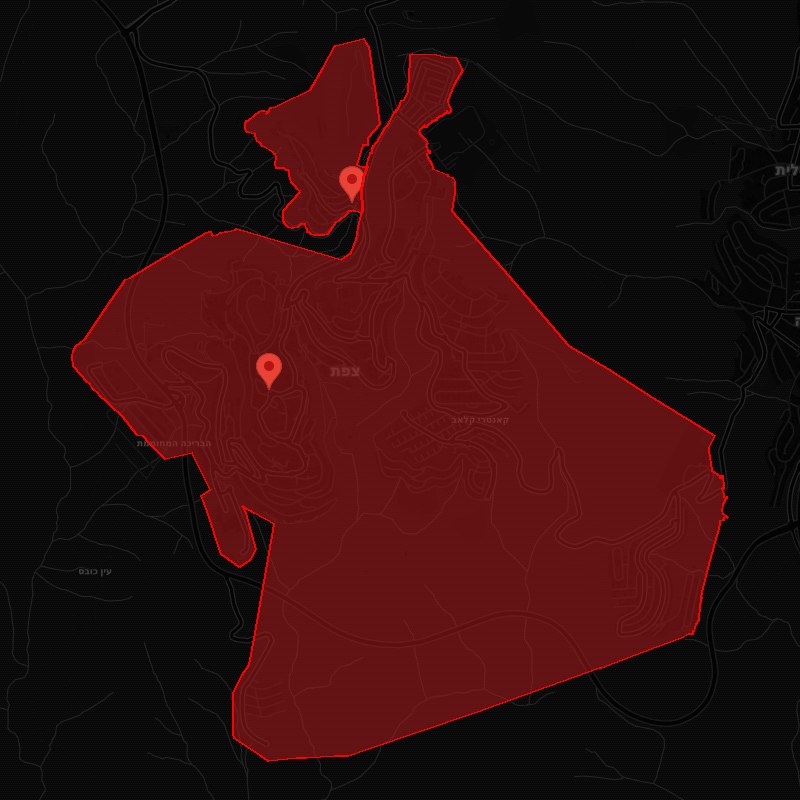
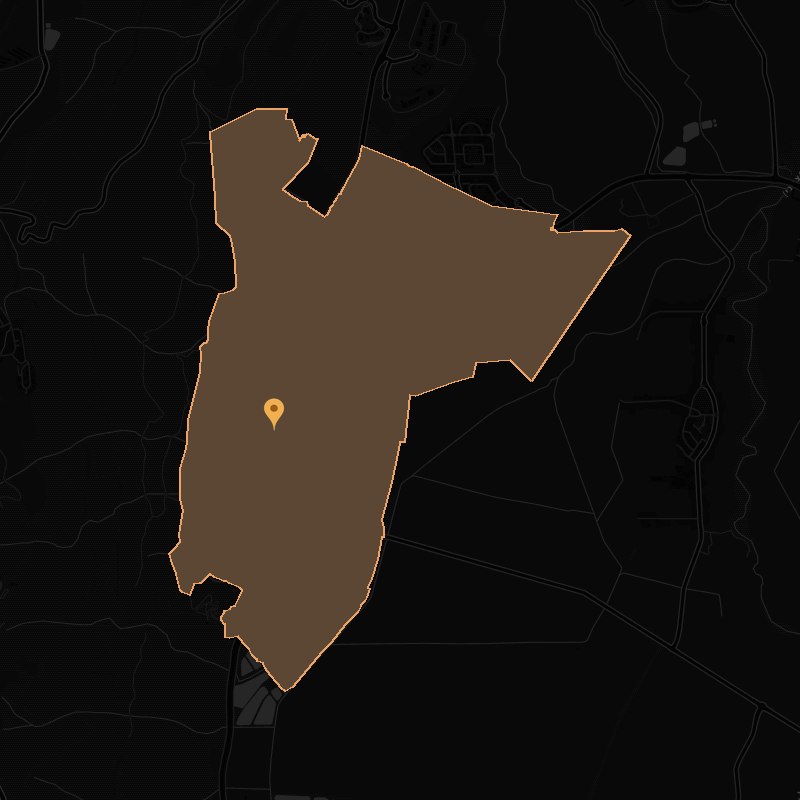
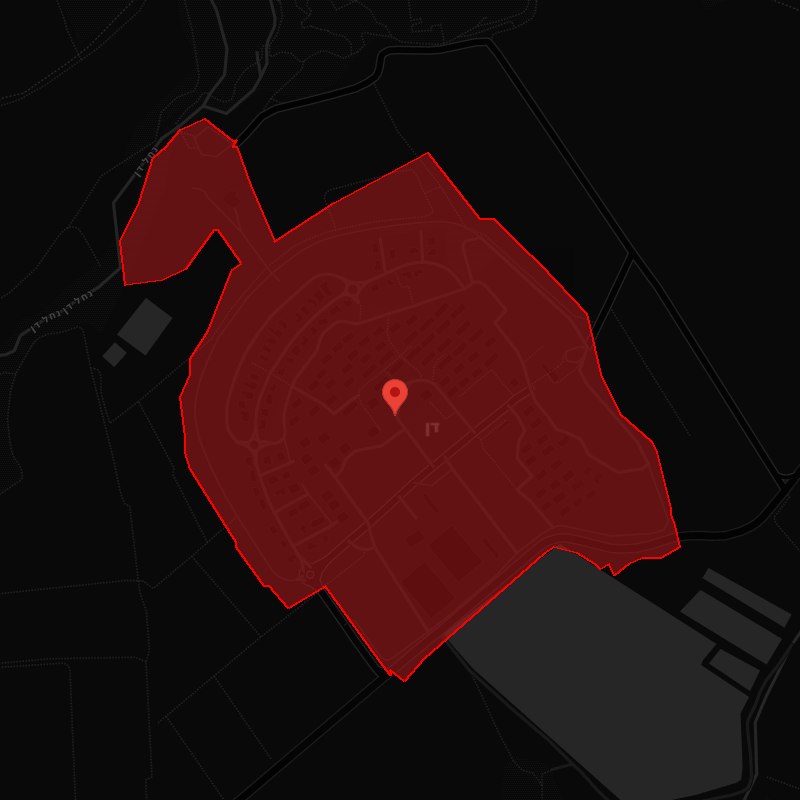
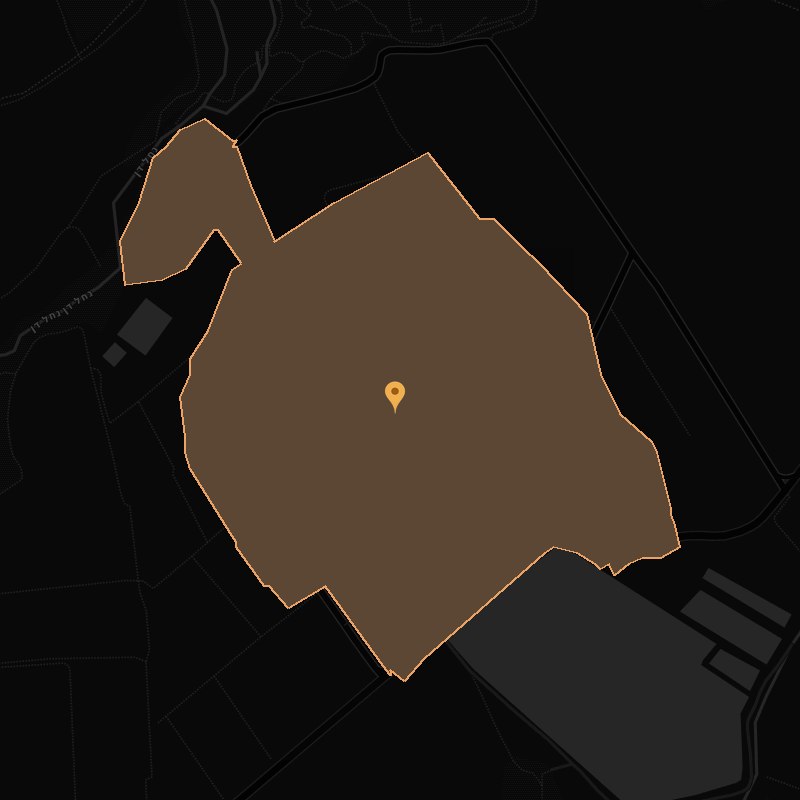
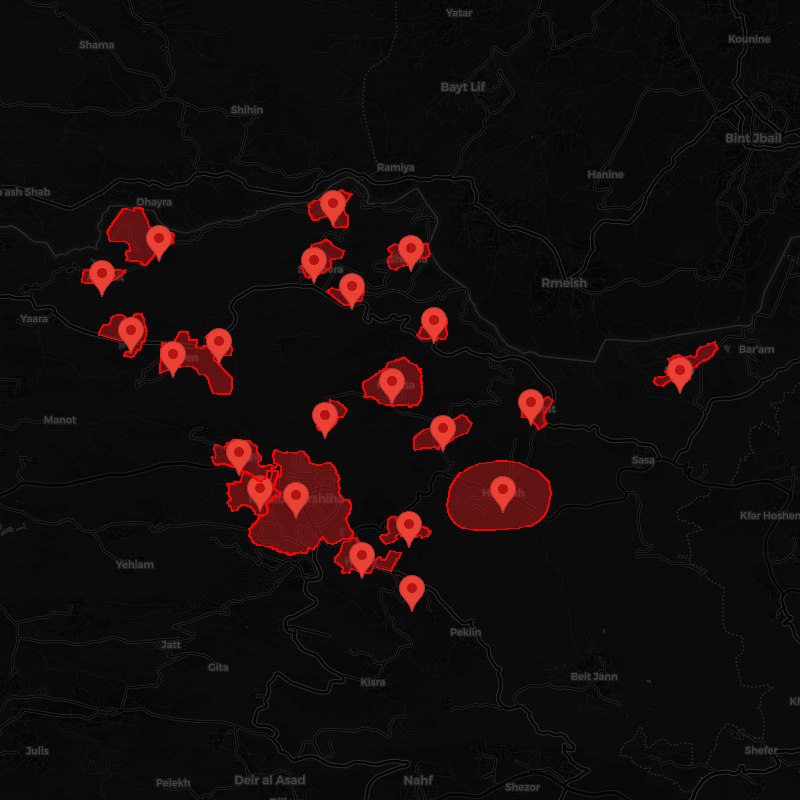
Between 07:49 UTC and 15:48 UTC, RocketAlert logged twelve high‑severity rocket alerts targeting locations in the Upper Galilee and adjacent border communities. The alerts, each accompanied by a single photographic item, listed the following settlement clusters:
- Dovev (15:48 UTC)
- Biriyeh, Safed (14:46 UTC)
- Kibutz Dan (14:28 UTC)
- Matat, Eilon, Tzuriel, Even Menachem, Idmit, Shomera, Goren, Gornot HaGalil, Shtula, Zarit, Peki'in HaHadasha, Ma'a lot Tarshicha, Arab al‑Aramshe, Fassuta, Netua, Hurfeish, Mi'ilya, Maona, Abirim, Alkosh, Hossen (14:04 UTC)
- Misgav Am (12:43 UTC)
- Misgav Am, Margaliot, Manara (11:19 UTC)
- Hanita, Shlomi (11:05 UTC)
- Kfar Giladi, Tel Hai, Kiryat Shmona (09:54 UTC)
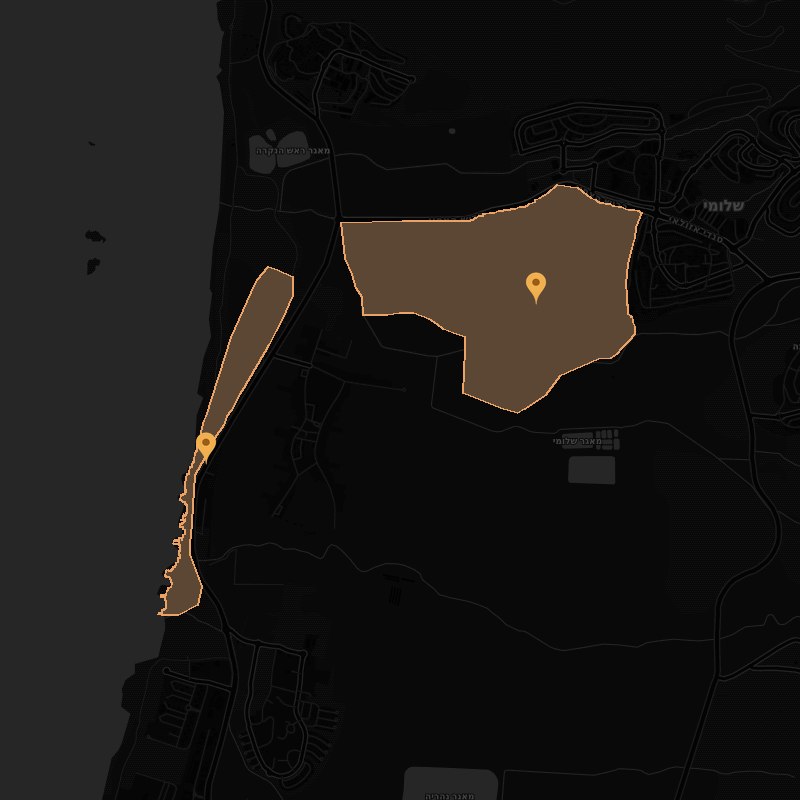
- Acco – Industrial Zone (09:30 UTC)
- Zarit; Acco – Industrial Zone (09:29 UTC)
- Kfar Giladi, Metulla (09:10 UTC)
- Nahariya, Sa'ar, Gesher HaZiv (08:43 UTC)
All alerts originated from “Unknown” locations, reflecting the difficulty of attributing launch sites in real time. No casualty figures were released in the alerts, and the accompanying media consisted solely of photographs of the alert notifications.
Hostile UAV Activity
In parallel with the rocket alerts, RocketAlert recorded eight medium‑severity hostile UAV detections. The UAV alerts spanned the same geographic corridor, with notable incidents over:
- Betzet, Milouot Industrial Zone North (16:30 UTC)
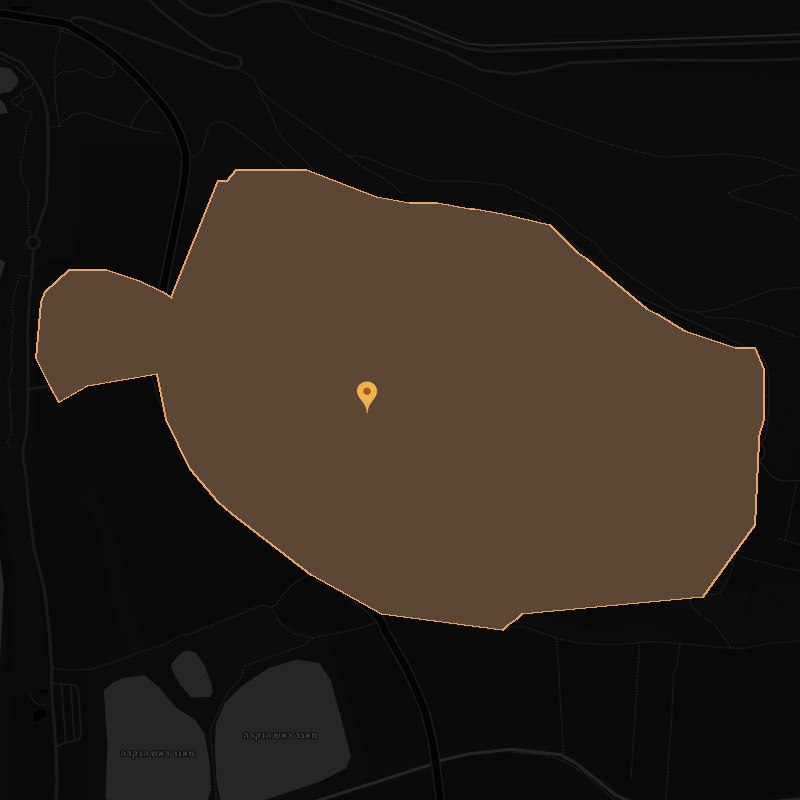
- Rosh HaNikra (16:28 UTC)
- Kiryat Shmona (14:30 UTC)
- Kibutz Dan (14:28 UTC)
- Zarit, Shomera (13:30 UTC)
- Shomera (13:29 UTC)
- Misgav Am (12:24 UTC)
- Arab al‑Aramshe (11:04 UTC)
Each UAV alert was accompanied by a single photo of the notification. No details on the UAV type, payload, or operator were provided, and no injuries were reported.
Regional Drone Interceptions
Beyond Israel’s northern frontier, two separate drone interceptions were documented on 31 May. The first, reported by OSINTdefender, involved the Houthi movement claiming to have shot down a United States MQ‑9 Reaper drone over Yemen. The second, reported by rnintel, described Sudan’s forces intercepting a Chinese CH‑95 drone carrying a Blue Arrow 11 missile, confirming the drone’s origin and its link to the Rapid Support Forces (RSF) supplied via the United Arab Emirates.
#USA #Yemen – The Houthis recently claimed to have shot down another American MQ‑9 Reaper drone over Yemen.
🇸🇩🇨🇳🇦🇪⚡- Sudan shot down a Chinese CH‑95 drone carrying an advanced Chinese Blue Arrow 11 missile.
Both incidents illustrate the expanding use of armed UAVs across the broader Middle East and North Africa (MENA) region, adding a layer of complexity to the kinetic environment.
Naval Preparations in the Strait of Hormuz
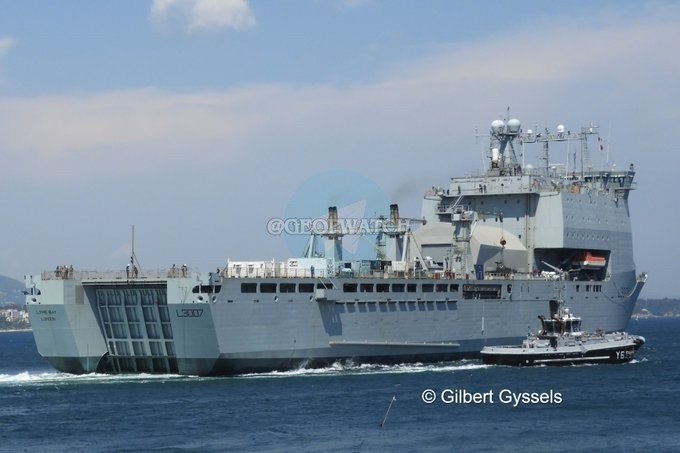
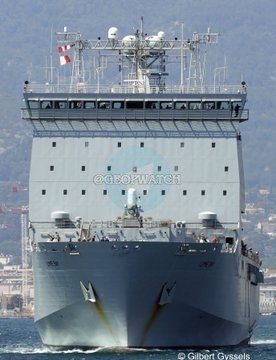
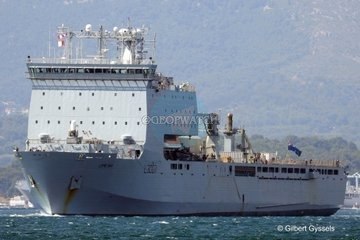
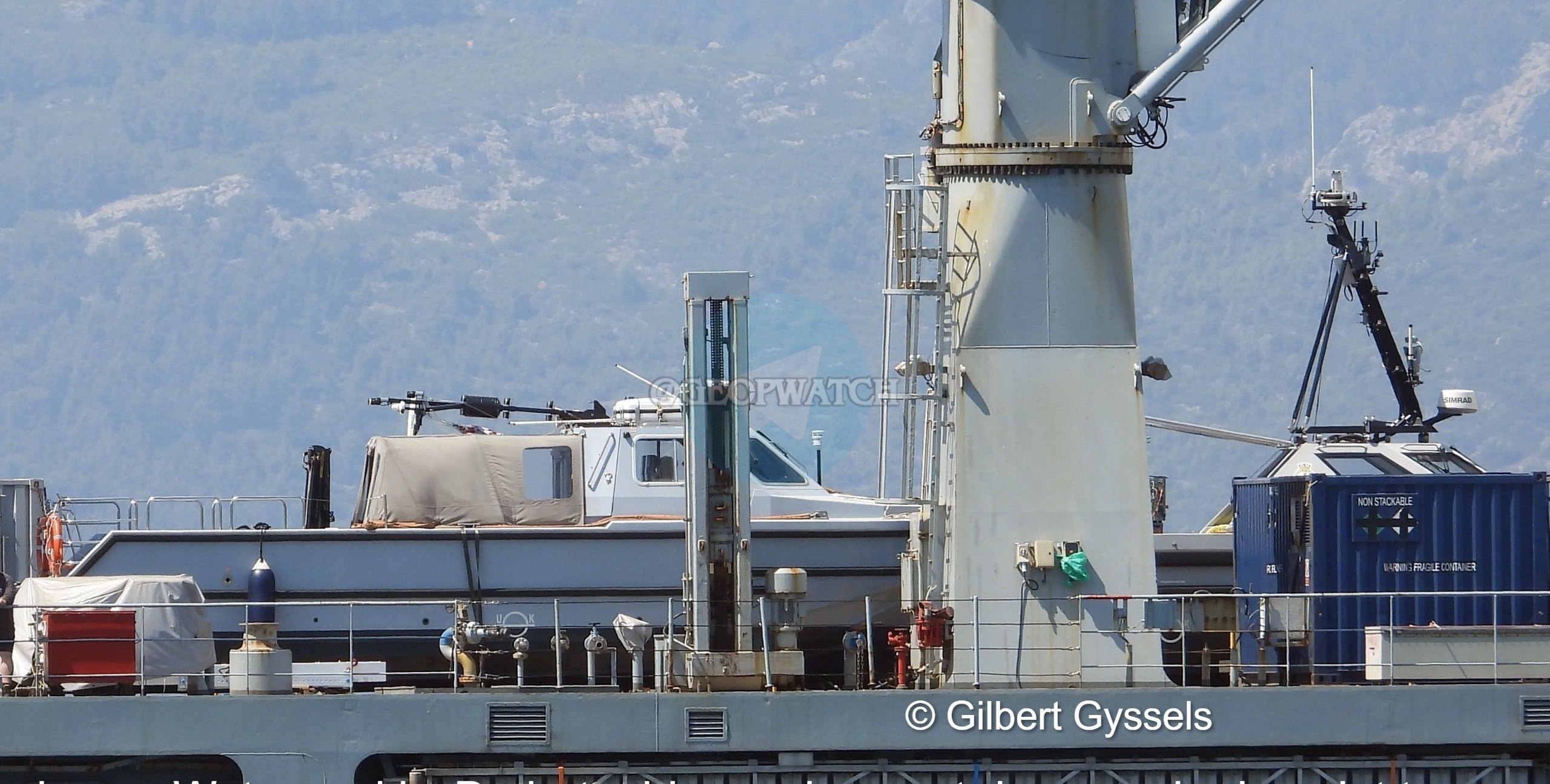
On the same day, the United Kingdom’s Royal Fleet Auxiliary vessel RFA Lyme Bay departed Toulon after loading French mine‑hunting equipment, as reported by GeoPWatch. The deployment is intended for potential operations in the Strait of Hormuz, a strategic chokepoint for global oil shipments. While not directly linked to the Israeli‑Lebanese front, the movement signals heightened maritime security concerns in parallel theaters.
RFA Lyme Bay has departed Toulon after loading a large amount of French minehunting equipment in advance for a possible deployment to the Strait of Hormuz.
Analytical Assessment
The concentration of rocket and UAV alerts along Israel’s northern settlements reflects a sustained pattern of low‑intensity kinetic pressure, likely intended to disrupt civilian life and stretch Israeli defensive resources. The lack of identified launch sites or responsible groups in the open‑source data limits attribution, but the timing coincides with Israel’s reported expansion of ground operations in Lebanon, suggesting a coordinated escalation.
Simultaneously, the documented drone interceptions in Yemen and Sudan demonstrate that UAVs are increasingly employed as strategic weapons by non‑state actors and proxy forces. The interception of a Chinese‑manufactured drone carrying a sophisticated missile underscores the growing involvement of external powers in regional conflicts.
Finally, the naval preparation by the United Kingdom and France indicates that kinetic threats are not confined to land‑based engagements; maritime security remains a critical concern, especially given the proximity of the Red Sea and Gulf of Aqaba to the broader conflict zone.