At 05:34 GMT on 30 May 2026, Kuwait’s Ali Al Salem Air Base was struck by falling debris from an Iranian Fateh‑110 short‑range ballistic missile that was intercepted by Kuwait’s air defenses. The impact injured five personnel—including contractors and active‑duty service members—and destroyed a United States‑operated MQ‑9A Reaper unmanned combat aerial vehicle while damaging a second aircraft.
“Debris from an intercepted Fateh‑110 short‑range ballistic missile impacted the Ali Al Salem Base and injured five people at the base including contractors and active‑duty personnel, and destroyed one MQ‑9A ‘Reaper’ UCAV and damaged another.” – Bloomberg, cited via GeoPWatch (https://t.me/GeoPWatch/34395)
Source attribution: The incident was reported by GeoPWatch, which referenced a Bloomberg report based on a source with “direct knowledge of the attack.” The missile’s interception and subsequent debris fall were confirmed by on‑site assessments at the base.
Rocket alerts across Israel
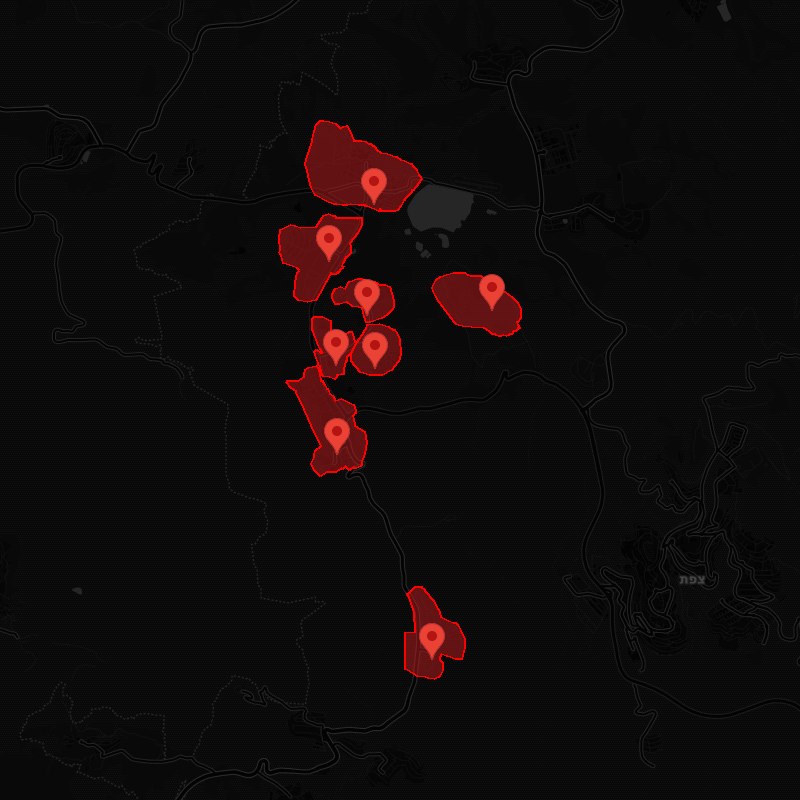
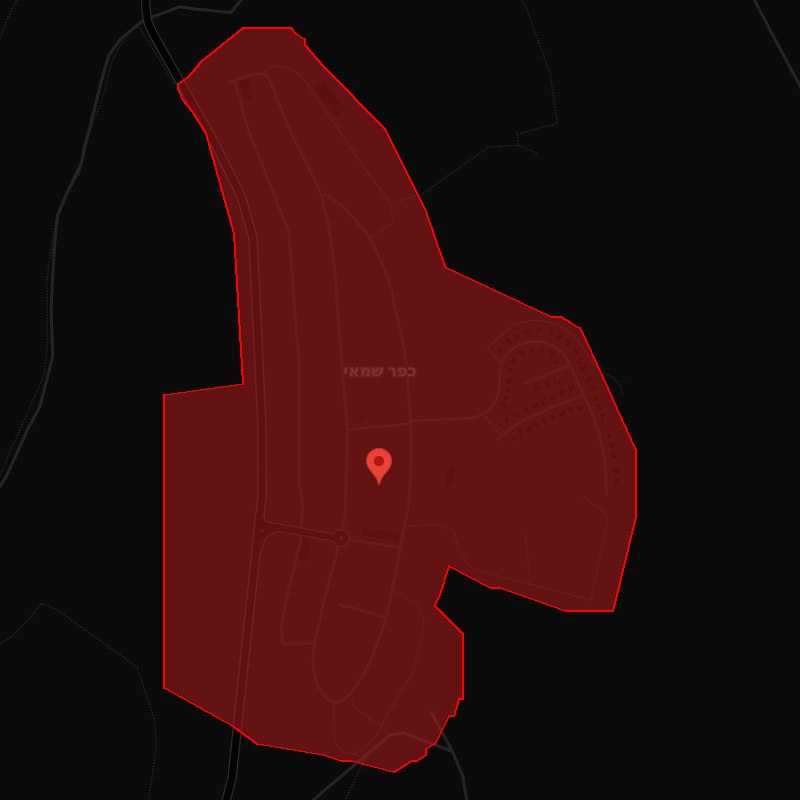
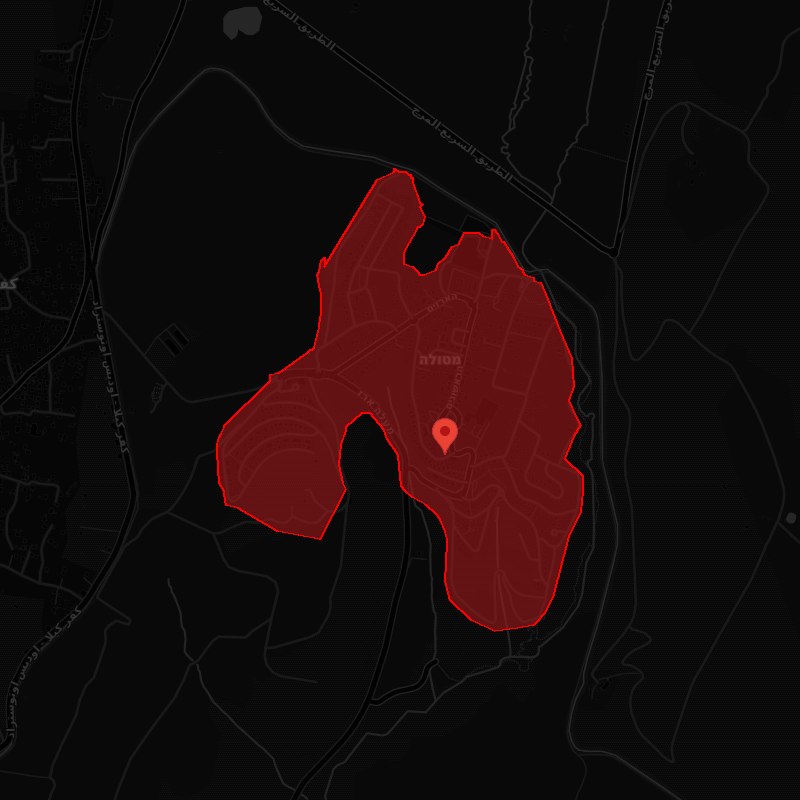
Within the same morning, Israel’s civilian alert network recorded a series of rocket and missile warnings in multiple northern and central localities. At 03:01 GMT, RocketAlert issued alerts for Kadita, Meron, the Marom HaGalil Regional Center, Kfar Shamai, Bar Yochai, Or HaGanuz, Safsufa (Kfar Hoshen), and Jish (Gush Halav). A separate alert at 03:01 GMT highlighted Kfar Shamai alone, while an earlier notice at 00:30 GMT warned of activity near Metulla on the confrontation line.
All alerts were disseminated through RocketAlert.live and its Telegram channel (see https://t.me/RocketAlert/30253, https://t.me/RocketAlert/30252, https://t.me/RocketAlert/30247). No casualties or damage were reported in connection with these alerts, and no weapons were identified as having been launched.
Operational context
The Kuwaiti incident underscores the expanding reach of Iran’s short‑range ballistic capabilities, which can be launched from within Iranian territory or from allied militias in the region. The Fateh‑110, a solid‑fuel missile with a typical range of 200–300 km, is capable of carrying conventional warheads and has been exported to several proxy forces. Its interception demonstrates that Kuwait maintains functional air‑defence assets, yet the resulting debris still posed a lethal threat to personnel and high‑value assets on the ground.
In Israel, the pattern of alerts reflects heightened tension along the northern confrontation line. The affected communities—primarily in the Upper Galilee and near the Gush Halav corridor—are situated within a few kilometers of the Lebanese border, where Hezbollah’s rocket capabilities have historically been a source of volatility. Although no rockets were confirmed to have landed, the frequency of alerts suggests an elevated state of readiness among Israeli civil‑defence authorities.
Strategic implications
Both events illustrate the layered nature of contemporary conflict environments in the Middle East, where state and non‑state actors employ a mix of ballistic missiles, unmanned aerial systems, and rapid‑alert mechanisms to influence regional security calculations. The loss of a US MQ‑9 Reaper in Kuwait may affect ongoing intelligence, surveillance, and reconnaissance (ISR) missions in the Gulf, potentially prompting a reassessment of asset deployment and force‑protection measures.
For Israel, the sustained alert cadence, even in the absence of confirmed strikes, reinforces the importance of maintaining robust civil‑defence infrastructure and rapid response protocols. The alerts also serve as a deterrent signal, indicating that any escalation could trigger immediate civilian protection measures across a wide geographic area.
Overall, the incidents on 30 May 2026 highlight the persistent risk of missile‑related incidents in both Gulf and Levant theatres, emphasizing the need for continued vigilance, interoperable air‑defence coordination, and transparent reporting mechanisms to mitigate civilian harm.