On May 30, 2026, Hezbollah launched a missile barrage targeting Nahariya beach in northern Israel, marking the most significant kinetic event of the day. The Israel Defense Forces (IDF) reported that several projectiles were intercepted by the Iron Dome system, while others fell in open areas, causing no reported civilian casualties but prompting widespread sheltering along the coastline.
Nahariya Beach Missile Barrage
At 16:46 local time, Hezbollah fired a series of missiles from Lebanon toward the coastal city of Nahariya. According to the Jerusalem Post, the attack was the first large‑scale missile barrage against the city in almost a month. The IDF confirmed that the Iron Dome intercepted multiple rockets, and the remaining missiles landed in uninhabited zones near the shoreline. No injuries or fatalities were reported, but the incident triggered immediate evacuations and a temporary closure of the beach.
"Hezbollah fired its first barrage of missiles against Nahariya in almost a month, with the IDF reporting that several projectiles were intercepted or fell into open areas," – Jerusalem Post, May 30, 2026.
Weapons used: Short‑range missiles; Organizations involved: Hezbollah and the Israel Defense Forces (IDF).
Karmiel and Northern Towns Under Fire
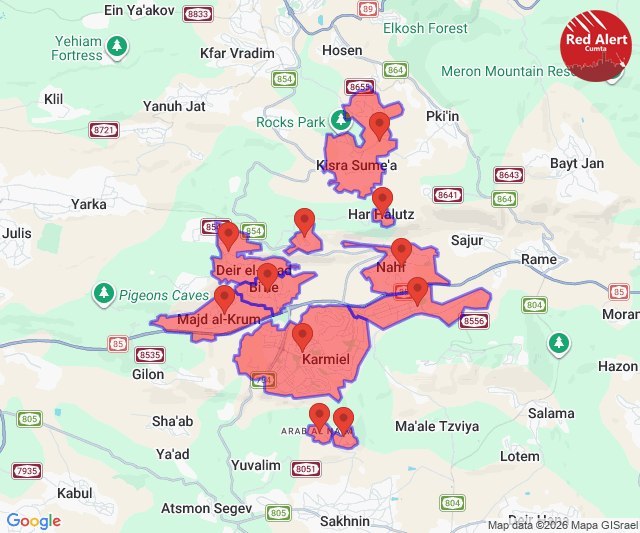
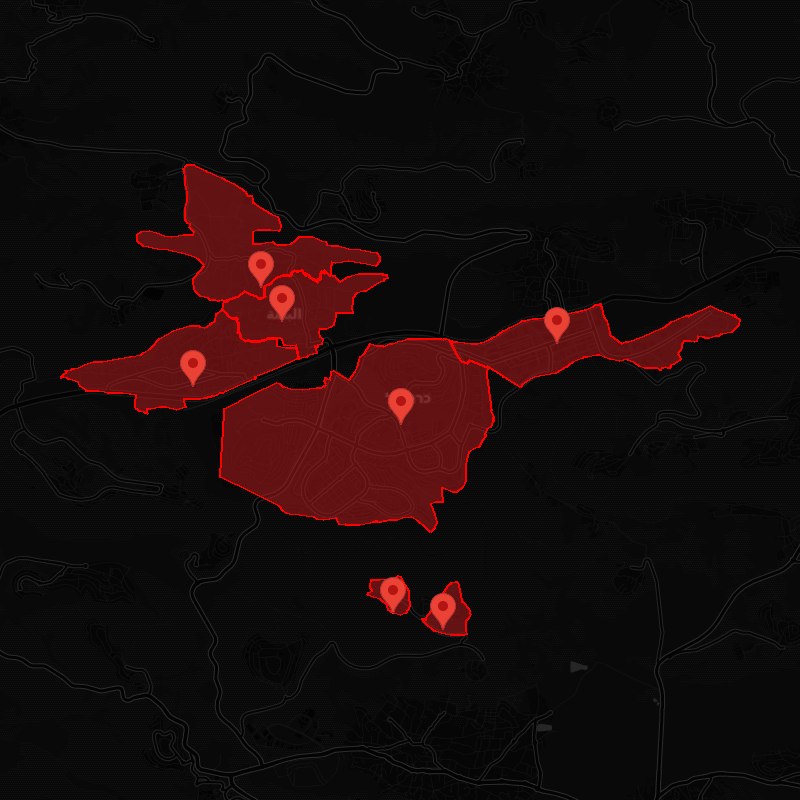
Simultaneous to the Nahariya attack, Hezbollah directed a concentrated missile barrage at Karmiel and surrounding settlements in the Upper Galilee. At 16:24, a large salvo of missiles struck the Karmiel industrial zone, prompting the IDF to activate air defense systems across the region. While most projectiles were intercepted, some impacted residential areas, resulting in minor property damage but no confirmed casualties.
Earlier in the day, at 13:46, a missile struck Kiryat Shmona, damaging commercial establishments. The Iron Dome intercepted the remaining rockets in that attack, preventing further damage.
Widespread Rocket Alerts Across Northern Israel
From early morning through the evening, northern Israel experienced a relentless series of rocket alerts. Sources such as rnintel and RocketAlert documented continuous alerts covering the Upper Galilee, Center Galilee, and the Confrontation Line. Notable alerts included:
- Upper Galilee: Carmiel Industrial Zone, Karmiel, Deir al‑Asad, Bi'ina, Majd al‑Krum (19:23 alert).
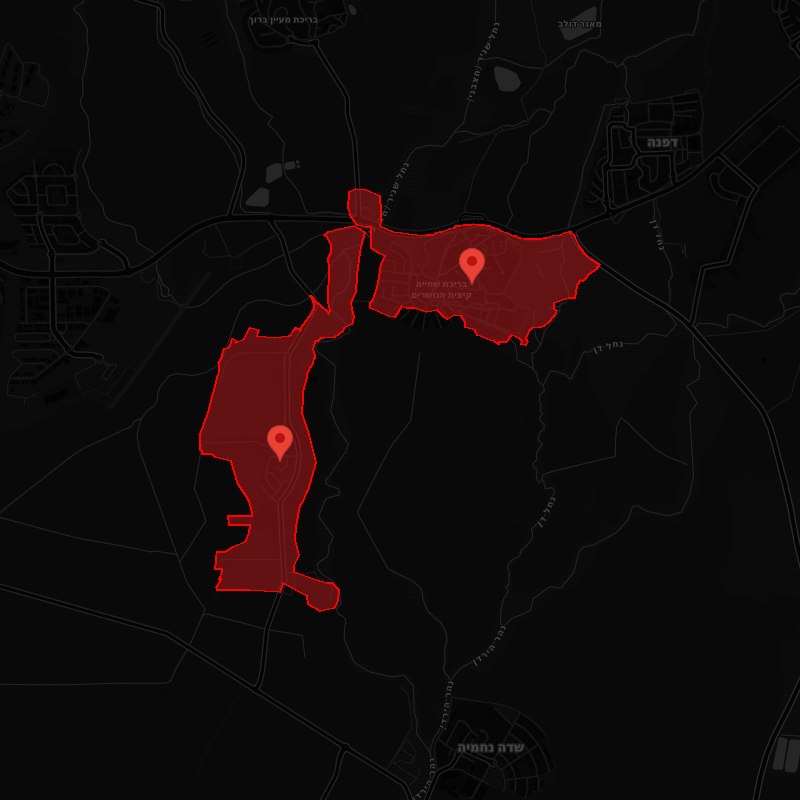
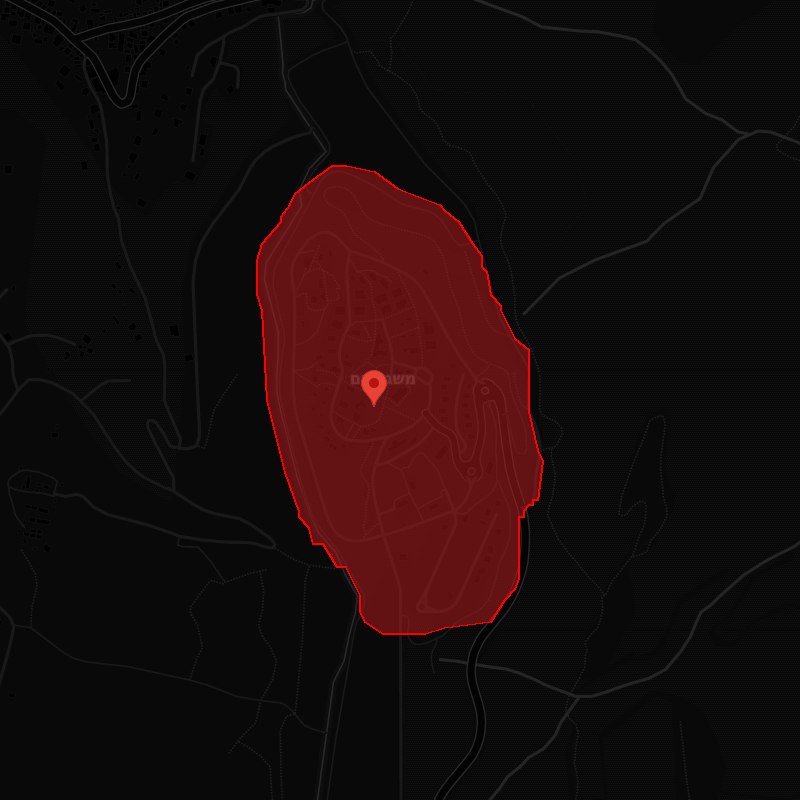
- Confrontation Line: HaGoshrim, Beit Hillel (18:40 alert); Misgav Am (multiple alerts at 17:02, 18:39, and 18:40).
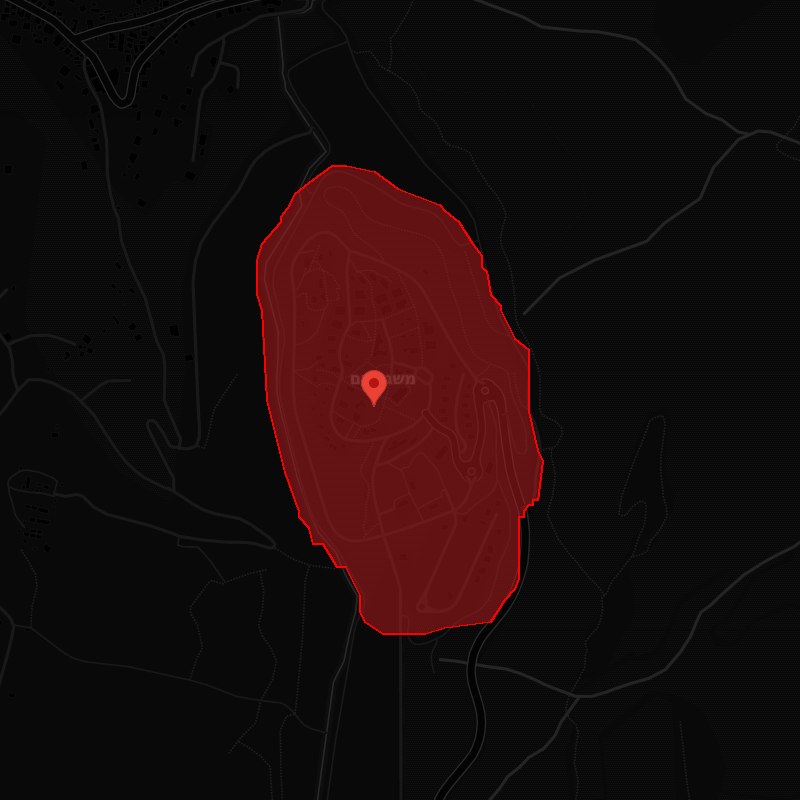
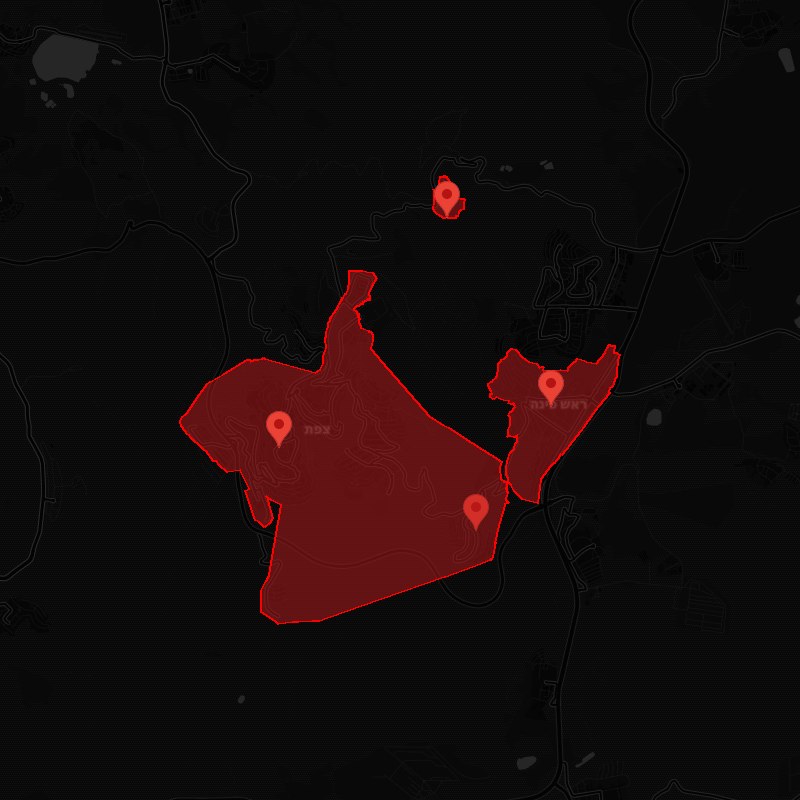
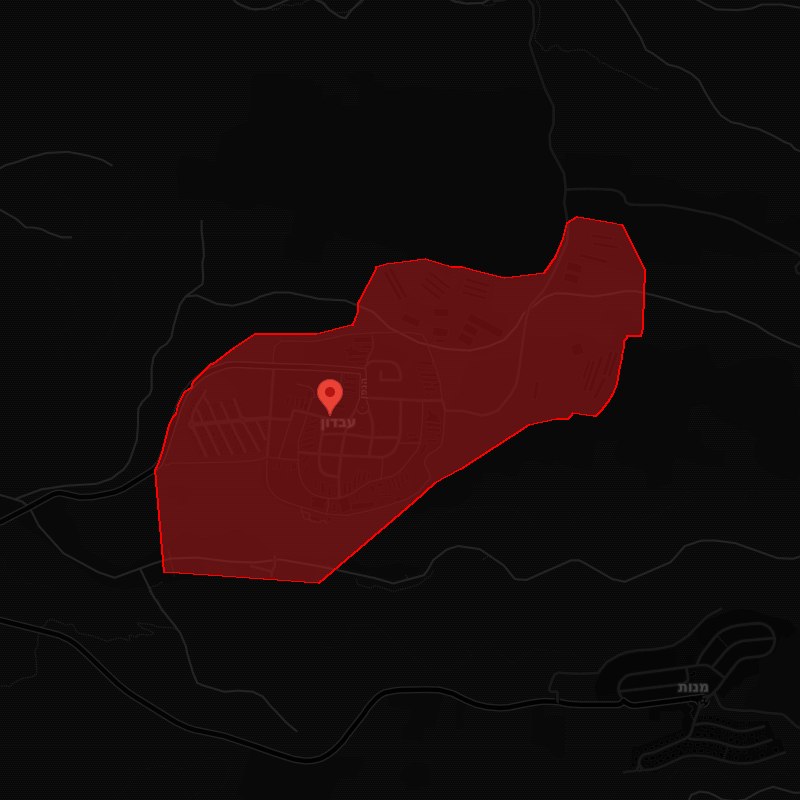
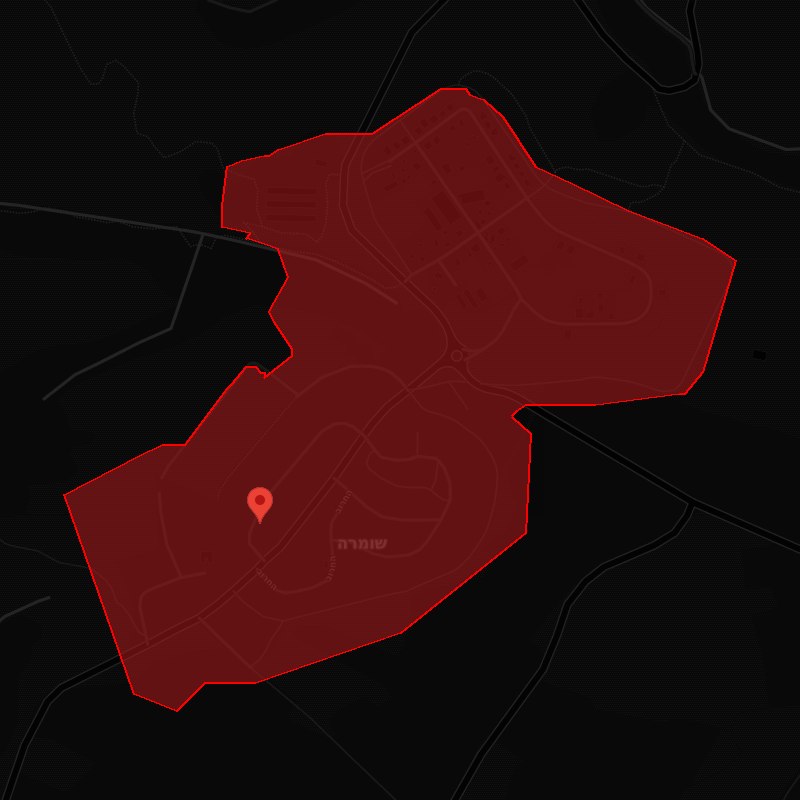
- Other locations: Avdon, Shomera, Amuka, Safed, Rosh Pinna.
These alerts, while often resulting in interceptions, underscore the high frequency of rocket launches. rnintel reported that Hezbollah fired rockets into northern Israel at 22‑minute intervals for a continuous 16‑hour period, beginning around 14:26.
FPV Drone Strike on Avivim Command Center
At 15:52, Hezbollah employed a first‑person‑view (FPV) drone to strike an Israeli command and control center in Avivim, a northern town near the Lebanese border. The drone attack was captured on video released by the monitoring channel "monitor_the_situation," confirming the use of unmanned aerial systems in the ongoing cross‑border conflict. No casualties were reported, but the strike demonstrated an escalation in tactics beyond conventional rockets.
Weapon: FPV drone; Organization: Hezbollah.
Operational Context and Response
The coordinated missile and rocket attacks on May 30 represent a marked intensification of Hezbollah’s cross‑border operations. The IDF’s layered air‑defense architecture, including the Iron Dome, David’s Sling, and Arrow systems, successfully intercepted the majority of incoming projectiles, limiting civilian harm. However, the sheer volume of launches strained defensive resources and prompted repeated public alerts.
Israel’s response included rapid mobilization of air defense units, activation of civil defense shelters, and diplomatic outreach to the United Nations to condemn the escalation. Hezbollah’s stated objective, as inferred from the timing and target selection, appears to be exerting pressure on northern Israeli communities while testing the resilience of Israel’s missile‑defense network.
Al Jazeera’s coverage corroborated the damage observed in northern towns following the rocket barrages, noting that debris and minor structural damage were evident in several villages. The sustained nature of the attacks, combined with the introduction of drone tactics, suggests a strategic shift toward diversified kinetic methods.
Overall, the events of May 30 underscore a volatile security environment along the Israel‑Lebanon border, with both sides demonstrating heightened operational readiness. Continued monitoring of missile trajectories, interception rates, and emerging drone usage will be essential for assessing future escalation risks.