On 30 May 2026, the most lethal single-day casualty count in the current Middle‑East war was recorded in Beirut, where Israeli strikes killed 3,371 civilians, according to the monitoring channel monitor_the_situation. The report, posted at 16:23 UTC, links the deaths to ongoing hostilities between Israel and Hezbollah and marks a sharp escalation in the cross‑border conflict.
Lebanon: Massive Civilian Casualties
The attack, described in a Telegram post titled “🟠 **Israeli Attacks on Lebanon Kill 3,371**”, cites Beirut as the primary impact zone. No specific weapon system was identified, but the scale of loss suggests extensive aerial or artillery bombardment. Hezbollah is identified as the opposing organization, while the state actors involved are Israel and Lebanon. The source URL is https://t.me/monitor_the_situation/18630.
🟠 **Israeli Attacks on Lebanon Kill 3,371**
Gaza: Continuing Humanitarian Crisis
At 13:40 UTC, the same monitoring channel reported that the cumulative death toll in the Gaza Strip has risen above 72,938 as Israeli military operations persist. The brief, titled “🔴 **Gaza Death Toll Surpasses 72,938 as Israeli Attacks Continue**”, provides no weapon details but attributes the casualties to ongoing Israeli attacks. The report is available at https://t.me/monitor_the_situation/18615.
Iranian Energy Infrastructure Targeted
Earlier in the day, at 08:11 UTC, a joint Israeli‑UAE operation struck Iran’s South Pars gas field and the Asaluyeh energy complex in Bushehr Province. The Wall Street Journal, cited by monitor_the_situation, confirms the coordinated strike on the world’s largest natural gas field. No weapon type is listed, but the operation underscores a widening kinetic front involving Israel, the United Arab Emirates, and Iran. Source: https://t.me/monitor_the_situation/18586.
Naval Blockade Enforcement in the Gulf of Oman
U.S. Central Command reported two separate interdictions in international waters of the Gulf of Oman. At 17:59 UTC, a Gambia‑flagged vessel attempting to breach the blockade and head to an Iranian port was disabled. At 17:08 UTC, the U.S. Navy struck the bulk carrier Lianstar (IMO 9072692) en route from Karachi to an Iranian destination. Both actions involved U.S. forces and were aimed at enforcing sanctions against Iran. Sources: https://t.me/monitor_the_situation/18640 and https://t.me/monitor_the_situation/18633.
Cross‑border Air Interceptions
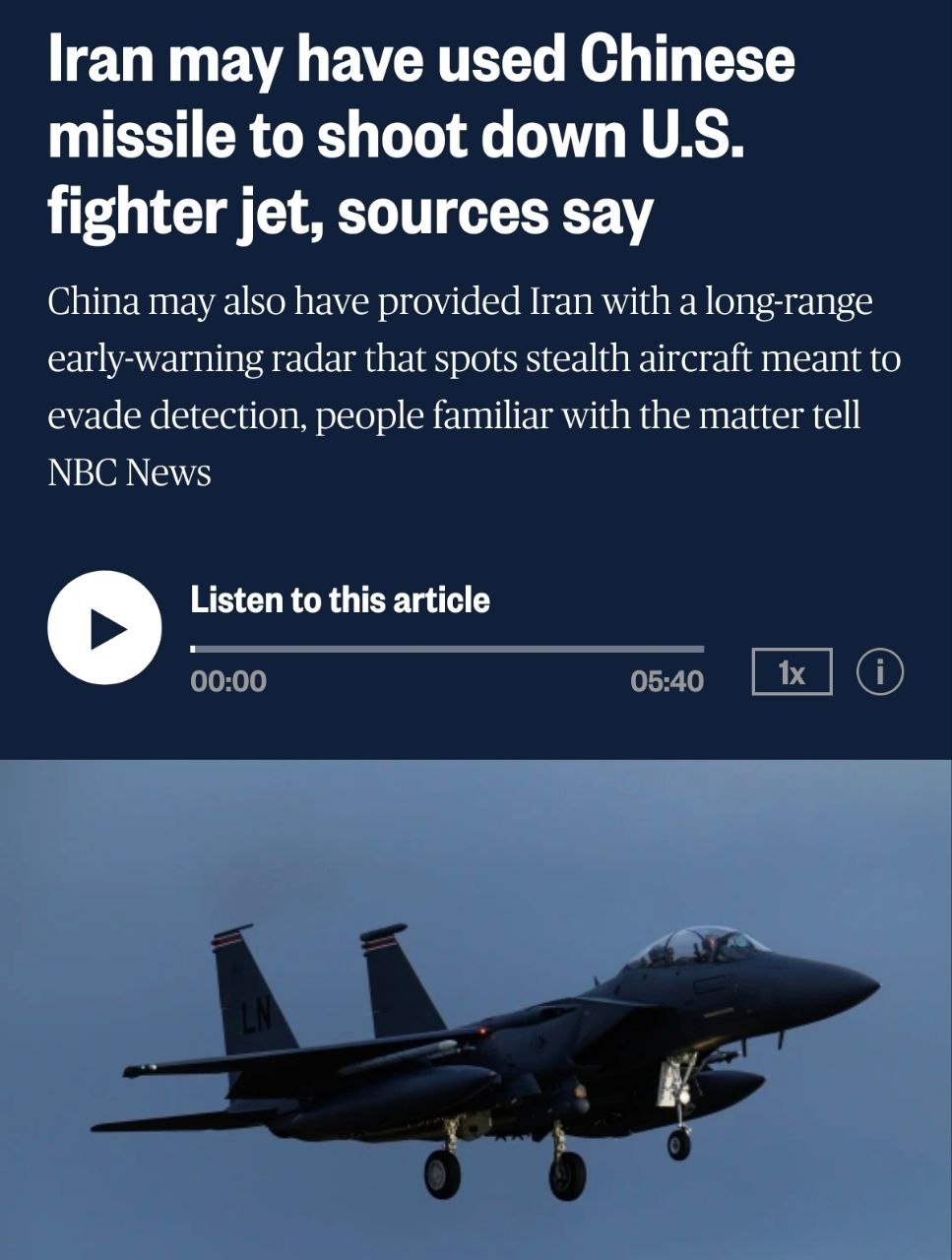
Two high‑profile air‑defense incidents were reported. A JPost article at 14:31 UTC claimed that an Iranian air‑defense system, using Chinese‑made missile technology, shot down a U.S. fighter jet. A separate NBC‑cited report indicated that a U.S. F‑15E was downed over southwestern Iran by a Chinese‑supplied MANPAD. Both incidents highlight the proliferation of Chinese weapons to Iran and the heightened risk of direct confrontation between the United States and Iran. Sources: https://www.jpost.com/middle-east/iran-news/article-897792 and https://t.me/intelslava/88275.
Ukrainian Drone Operations
In the European theater, Ukrainian unmanned systems continued kinetic strikes. On 30 May, a Ukrainian UAV damaged the machine‑hall wall of the 6th unit at the Russian‑controlled Zaporizhzhia Nuclear Power Plant (source: intelslava). A separate drone attack on a fuel depot in Nova Lyubomyrka, Rivne Oblast, ignited a large fire (source: monitor_the_situation). Additionally, Ukrainian drones struck a railway locomotive in Zaporizhzhia, killing the driver, and hit a key crossing in occupied Crimea, disrupting Russian logistics. These actions demonstrate Ukraine’s expanding use of UAVs against high‑value targets.
Regional Rocket and UAV Alerts
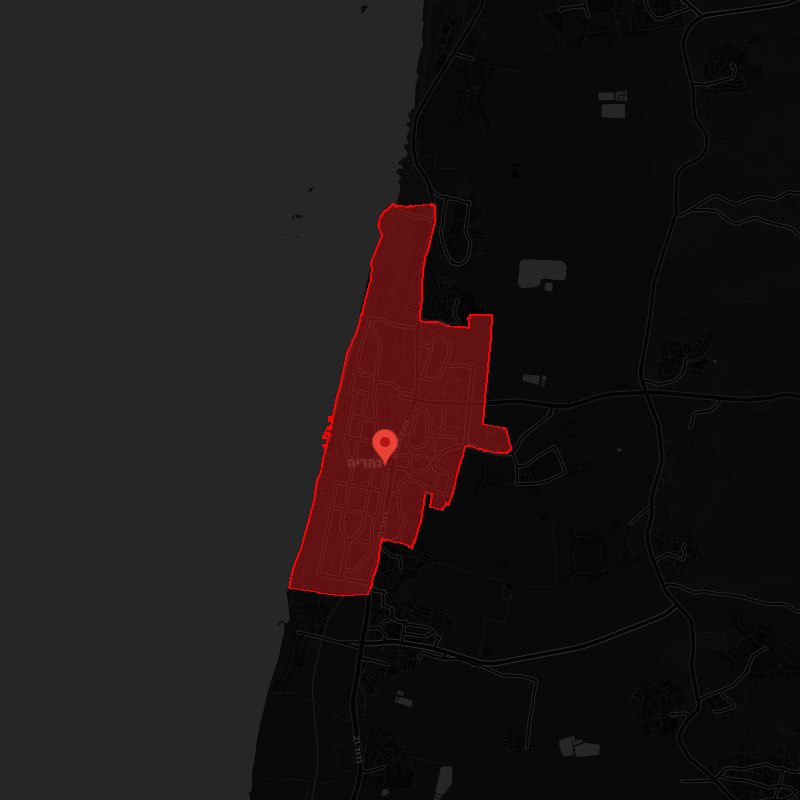
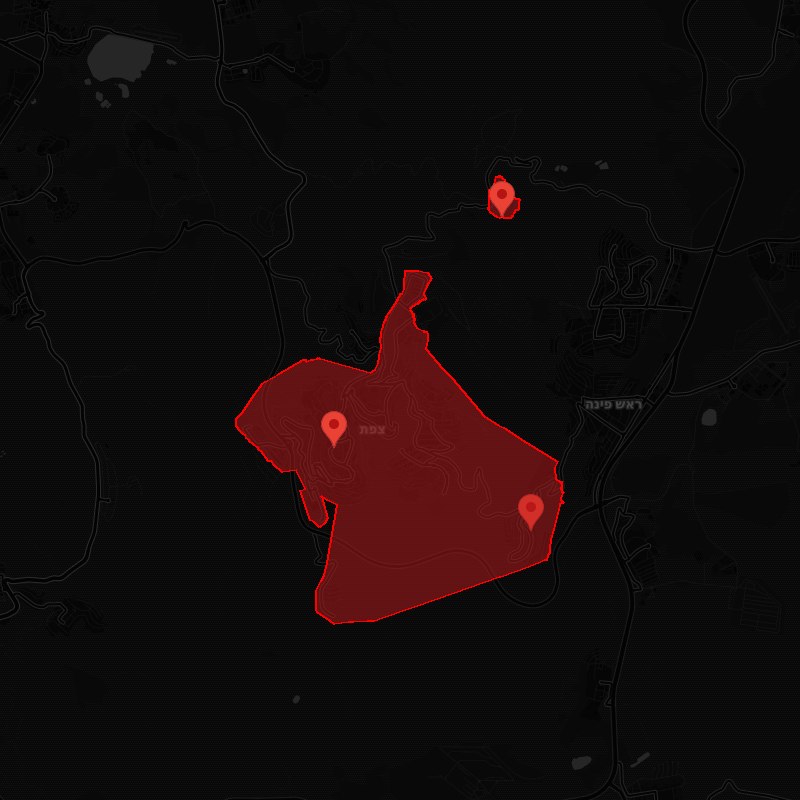
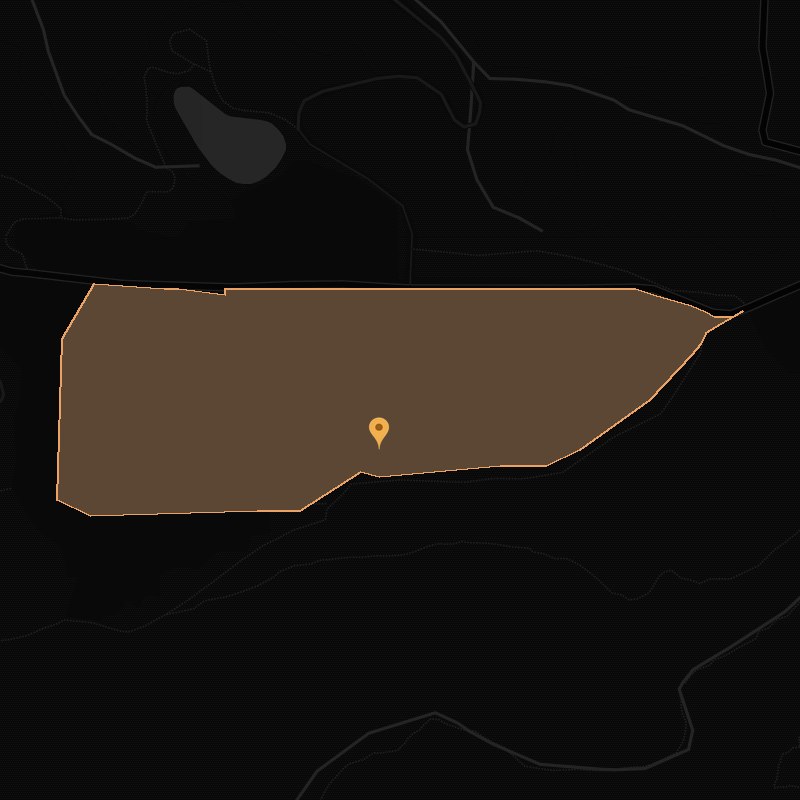
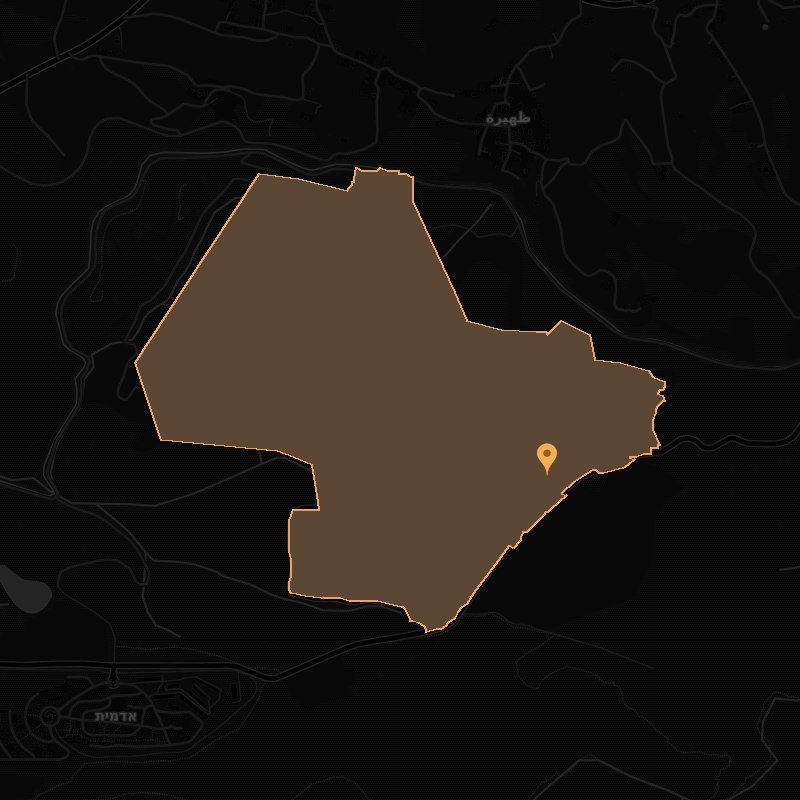
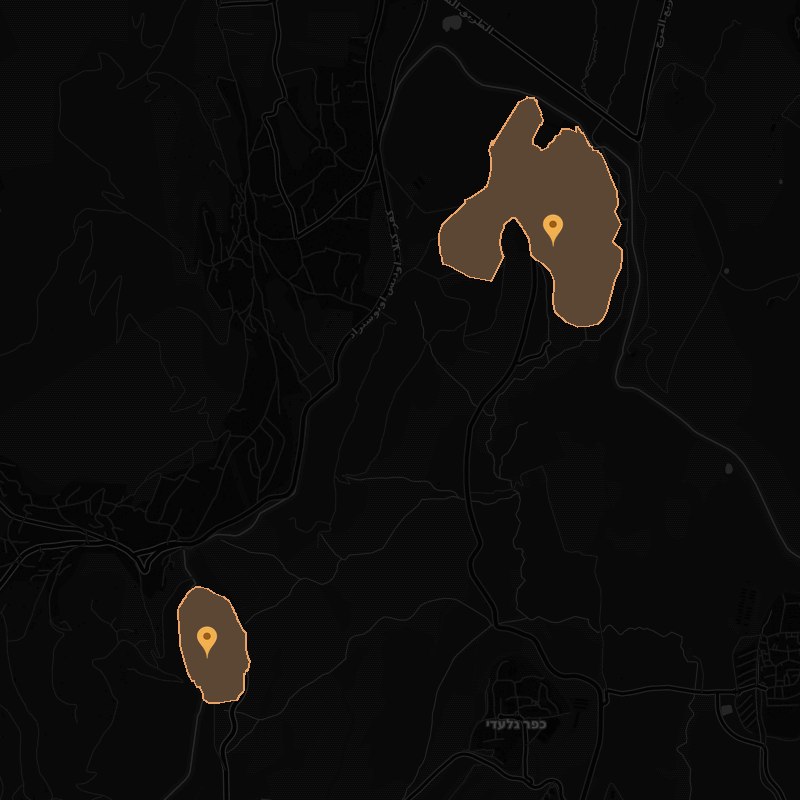
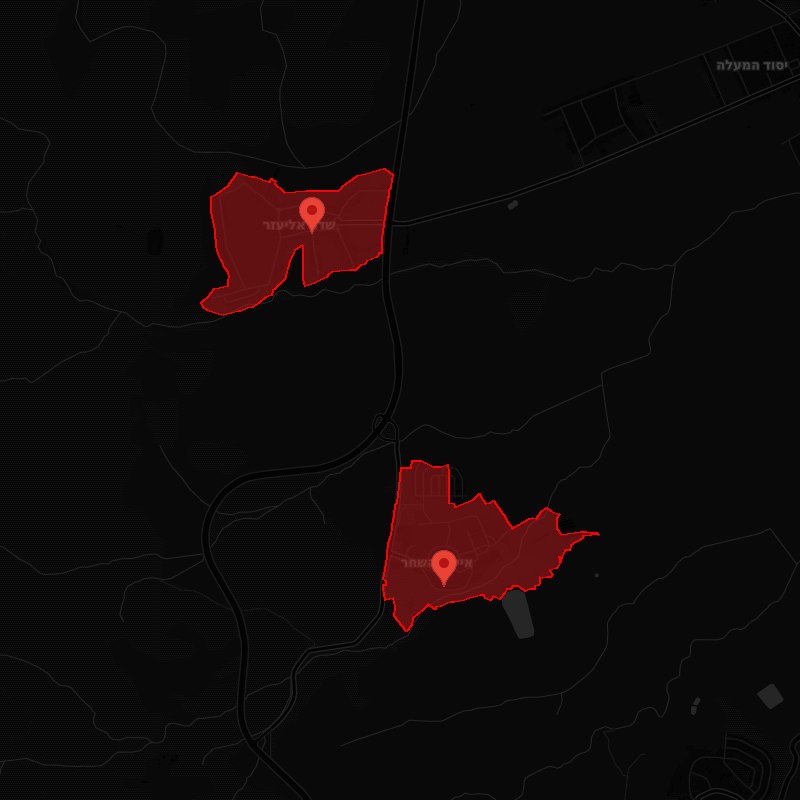
Multiple rocket and hostile UAV alerts were logged across Israel and the broader region. RocketAlert reported alerts in Nahariya, Upper Galilee, and other northern Israeli locales between 12:15 and 16:50 UTC. While no casualties were confirmed, the frequency of alerts underscores the persistent low‑intensity kinetic pressure on Israel’s northern front. Sources: https://t.me/RocketAlert/30282, https://t.me/RocketAlert/30275, https://t.me/RocketAlert/30254.
Collectively, the events of 30 May 2026 illustrate a multi‑theater escalation, with high‑intensity kinetic strikes in the Levant, naval interdictions in the Gulf of Oman, and intensified drone warfare in Ukraine. The convergence of state and non‑state actors, coupled with the introduction of advanced weaponry from external suppliers, raises the risk of broader regional spillover.