On 29 May 2026 a coordinated wave of Russian aerial attacks struck both Romania and Ukraine, marking the most intense cross‑border escalation since the conflict began. The most consequential incident occurred in Galați, eastern Romania, where a Russian Geran‑2 (Shahed‑136) suicide drone slammed into a ten‑story apartment building, igniting a fire and injuring several civilians. Video evidence and debris analysis, reported by BellumActaNews, confirmed the weapon’s identity, underscoring the expanding reach of Russian unmanned systems into NATO territory.
Galați Drone Strike: Casualties and Immediate Response
At approximately 01:36 UTC, the Geran‑2 drone impacted the residential block on Strada Gălășului, causing structural damage to two stairwells, an elevator shaft and five parked vehicles. Local emergency services extinguished the ensuing blaze, and two individuals were transported to hospital for treatment of non‑life‑threatening injuries. Romanian Air Force F‑16 fighters were scrambled within minutes, but pilots reported insufficient time to engage the low‑altitude target without risking collateral damage, a detail supplied by rnintel.
"NATO unequivocally condemns Russia's aggression against a sovereign member state. The attack on Galați is a stark reminder that the alliance's eastern flank remains vulnerable," NATO Spokesperson Oana Popescu said in a statement released later that day.
The incident triggered the evacuation of dozens of residents from the affected building, as noted by the Jerusalem Post, which also highlighted the broader security implications for the region bordering Ukraine.
Additional Romanian Drone Incidents
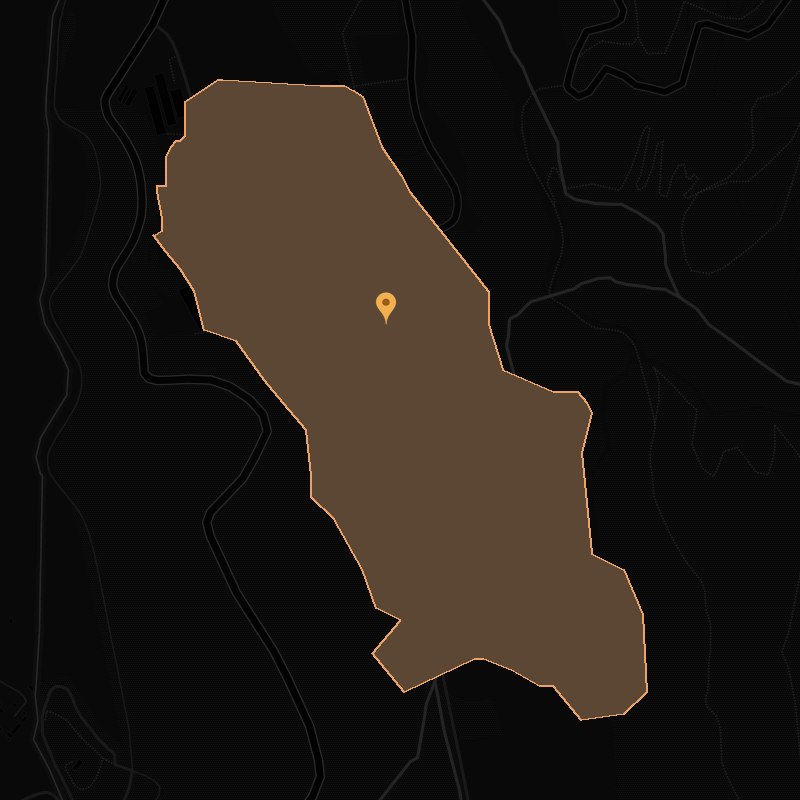
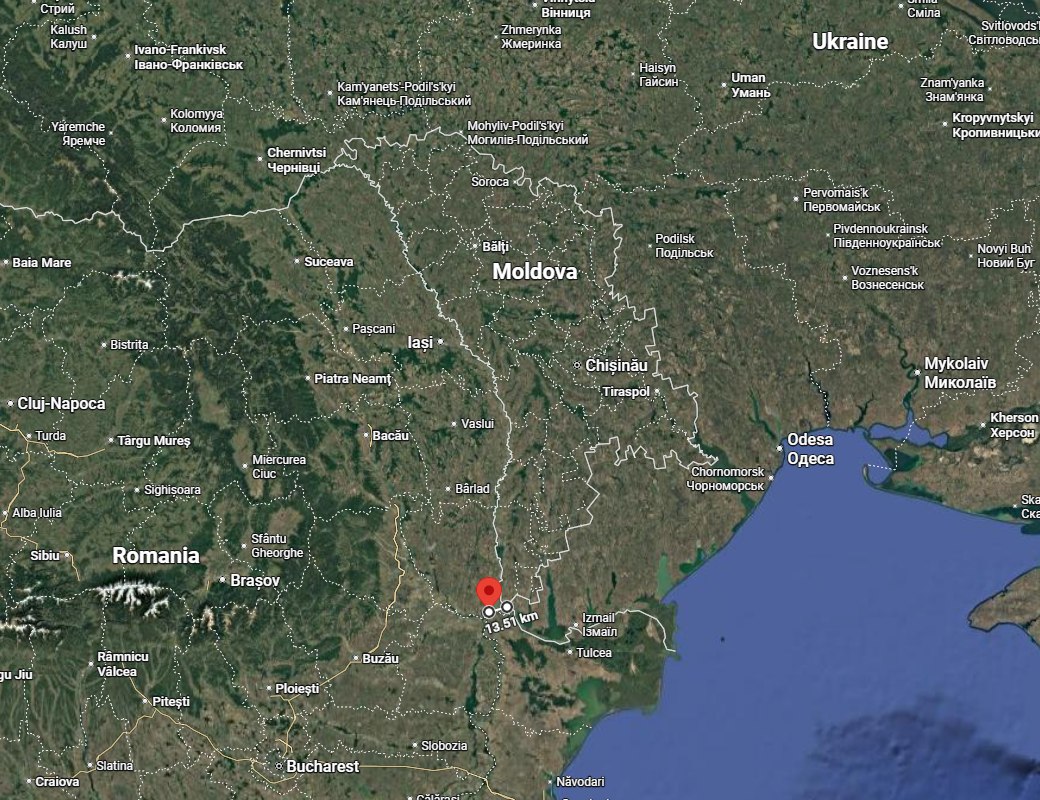
Within the same 24‑hour period, two further drone strikes were reported in Romania. At 01:25 UTC a Russian UAV struck a site 13.5 km west of the Romania‑Ukraine border, as documented by the CIG_telegram channel. While no casualties were reported, the proximity to the border raised concerns about the potential for spillover attacks. Later, at 05:46 UTC, a separate hostile UAV alert was issued by RocketAlert, though the location remained unspecified. Both events were catalogued without attribution to a specific weapon system, but the pattern aligns with the Geran‑2 deployment observed in Galați.
Ukrainian Front: Iskander‑M Missiles and Shahed‑136 Debris
In Ukraine, Russian forces launched two Iskander‑M ballistic missiles from near Liski in Voronezh Oblast toward Poltava City at 02:04 UTC. According to the monitor_the_situation channel, the missiles struck without causing civilian casualties, though Ukrainian authorities imposed strict media censorship on the incident. The Iskander‑M, a short‑range ballistic system with a range of up to 500 km, represents a significant escalation in kinetic firepower directed at Ukrainian urban centers.
Separately, debris recovered in Donetsk Oblast confirmed the use of a Shahed‑136 (Geran‑2) drone in a recent strike, as reported by monitor_the_situation. The identification of the same UAV model in both Romanian and Ukrainian territories suggests a coordinated deployment strategy aimed at exploiting the low‑cost, high‑impact nature of these loitering munitions.
Regional Context and Air Defense Posture
The simultaneous attacks on NATO territory and Ukrainian cities illustrate a dual‑theater approach by Russian forces. Romanian air defenses, including the recently integrated Patriot and NASAMS systems, were placed on high alert following the Galați strike. However, the rapid response time required to intercept low‑altitude, slow‑moving suicide drones remains a technical challenge, as highlighted by the inability of F‑16 pilots to engage the Geran‑2 before impact.
Ukraine’s air defense network, bolstered by Western-supplied S‑300, S‑400 and Patriot batteries, successfully intercepted several missile and UAV threats earlier in the week, but the Iskander‑M launch underscores the persistent vulnerability of inland targets beyond the immediate front lines.
International Reaction and Strategic Implications
NATO’s condemnation, articulated by spokesperson Popescu, reaffirmed the alliance’s commitment to collective defense under Article 5. While no direct NATO military response was announced, the incident prompted a review of airspace monitoring protocols across the Black Sea region. The United States and Germany have indicated plans to accelerate the delivery of additional air defense interceptors to Romania, aiming to close the capability gap against low‑altitude threats.
Analysts note that the use of Geran‑2 drones, originally supplied by Iran and reverse‑engineered by Russia, reflects a cost‑effective method for Russia to project power beyond its borders while conserving more advanced missile assets for high‑value targets. The Iskander‑M strikes, by contrast, serve as a strategic signal of Russia’s willingness to employ precision ballistic weapons against Ukrainian infrastructure, despite the risk of international escalation.
Outlook
The events of 29 May 2026 demonstrate an evolving Russian tactics portfolio that blends inexpensive loitering munitions with high‑precision ballistic missiles. For Romania, the immediate priority is enhancing short‑range air defense coverage and refining engagement rules to mitigate civilian risk. Ukraine continues to adapt its layered air defense architecture to counter both missile and UAV threats. The broader geopolitical consequence is a heightened alert posture across NATO’s eastern flank, with potential implications for future force deployments and diplomatic engagements aimed at deterring further cross‑border aggression.