On May 29, the Israeli Defense Forces (IDF) mistakenly opened fire on a civilian aircraft over the West Bank town of Beit El, an error that highlights the volatility of airspace management in contested territories. The aircraft, en route to Ben‑Gurion Airport, was misidentified as a hostile drone after a last‑minute diversion of its landing corridor placed it closer to the town than usual. No casualties were reported, but the incident prompted immediate investigations by Israeli military authorities and diplomatic protests from the Palestinian civil aviation board.
"IDF fires on civilian plane after mistaking it for hostile drone over West Bank town - report" – JPost, https://www.jpost.com/israel-news/defense-news/article-897729
The IDF later clarified that the error stemmed from an automated threat‑detection system that flagged the aircraft’s radar signature as anomalous. Israeli officials emphasized that the rules of engagement were applied in good faith, while Palestinian authorities called for an independent inquiry and compensation for the airline involved.
Iranian Forces Fire Warning Shots in the Strait of Hormuz
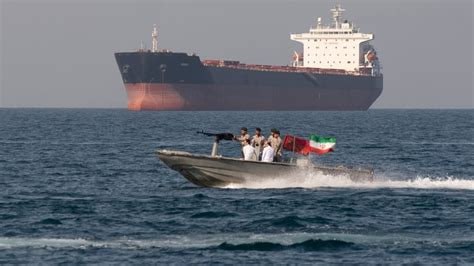
At 05:06 UTC, Iranian naval units fired warning shots at four commercial vessels attempting to transit the Strait of Hormuz, a critical chokepoint for global oil shipments. According to OSINTdefender, the ships ignored multiple radio warnings and proceeded without coordinating with Iranian maritime security forces. The warning shots, delivered from small‑caliber firearms mounted on patrol boats, caused the vessels to halt and await clearance. No injuries or damage were reported, but the episode underscores Tehran’s willingness to enforce strict navigation protocols amid heightened regional tension.
U.S. Strikes Target Iranian Drones Near the Strait
Earlier that morning, at 03:03 UTC, United States forces conducted airstrikes against Iranian unmanned aerial systems operating near the Strait of Hormuz. Monitor_the_situation reported that the drones were identified as surveillance platforms linked to the Islamic Revolutionary Guard Corps (IRGC). The U.S. action, described as a defensive measure, aimed to prevent potential escalation and protect commercial shipping routes. No civilian casualties were recorded, and the United States reiterated its commitment to maintaining freedom of navigation in international waters.
Hezbollah Deploys FPV Drones Against Israeli Positions in Southern Lebanon
Two separate FPV (first‑person view) drone attacks were documented by monitor_the_situation in the early hours of the day. At 02:25 UTC, Hezbollah released footage showing an FPV drone striking an IDF excavator in the town of Khiam, southern Lebanon. The drone, equipped with a small explosive payload, damaged the excavator’s chassis but caused no fatalities among the crew. A second video, timestamped 02:18 UTC, displayed a similar drone targeting an IDF communications center on the Israel‑Lebanon border. The strike disrupted radio links for a brief period before the system was restored.
Hezbollah’s use of commercially available drone technology reflects a broader trend among non‑state actors to leverage low‑cost, high‑impact weapons in asymmetrical warfare. The organization has previously employed FPV drones for reconnaissance and limited kinetic attacks, and the 2026 incidents demonstrate an escalation in both targeting precision and operational audacity.
Strategic Implications of Simultaneous Incidents
The clustering of these events on a single day illustrates a multi‑front pressure environment for regional security actors. The Israeli misfire, while isolated, raises concerns about the reliability of automated threat‑identification systems in densely populated airspaces. Iran’s warning shots and the subsequent U.S. drone strikes reveal a delicate balance between deterrence and escalation in the Gulf, where any miscalculation could reverberate through global energy markets. Meanwhile, Hezbollah’s drone attacks signal an evolving capability to strike high‑value Israeli assets across the border, potentially prompting a recalibration of Israeli defensive postures in southern Lebanon.
Analysts note that the convergence of state and non‑state actions underscores the interconnected nature of Middle Eastern security dynamics. Each incident, though distinct in scale and actors, contributes to a cumulative risk environment that could accelerate a broader conflict if not managed through diplomatic channels and de‑escalation mechanisms.
Outlook
In the immediate term, Israeli authorities are expected to review air‑traffic coordination protocols over the West Bank, while Iranian officials may tighten maritime enforcement in the Strait of Hormuz. The United States is likely to maintain a forward‑deployed posture to counter Iranian UAV activity, and Hezbollah may continue to exploit drone technology as a cost‑effective means of pressure. Continued monitoring of these flashpoints will be essential for anticipating further developments and mitigating the risk of inadvertent escalation.