On 29 May 2026 Israeli forces crossed the Litani River in southern Lebanon, resulting in the deaths of five civilians and marking the most lethal kinetic event recorded in the country that day. The advance was reported by Al Jazeera, which noted that the movement occurred amid preparations for high‑level security talks between Lebanese and Israeli military delegations at the Pentagon. The incident underscores a rapid expansion of hostilities from the traditional southern front into central and northern regions of Lebanon.
Ground Advance Across Litani River
The crossing took place near the strategic Litani River corridor, a key supply line that has historically served as a de‑facto boundary between Israeli and Lebanese forces. According to Al Jazeera, five Lebanese civilians were killed as Israeli troops moved northward, establishing a foothold on the opposite bank. No specific weapons were identified in the report, and the parties listed were the Israeli forces and the Lebanese military. The source URL is
https://www.aljazeera.com/news/2026/5/29/five-killed-in-lebanon-as-israeli-forces-advance-across-key-litani-river?traffic_source=rss
Continued Airstrikes in Southern Lebanon
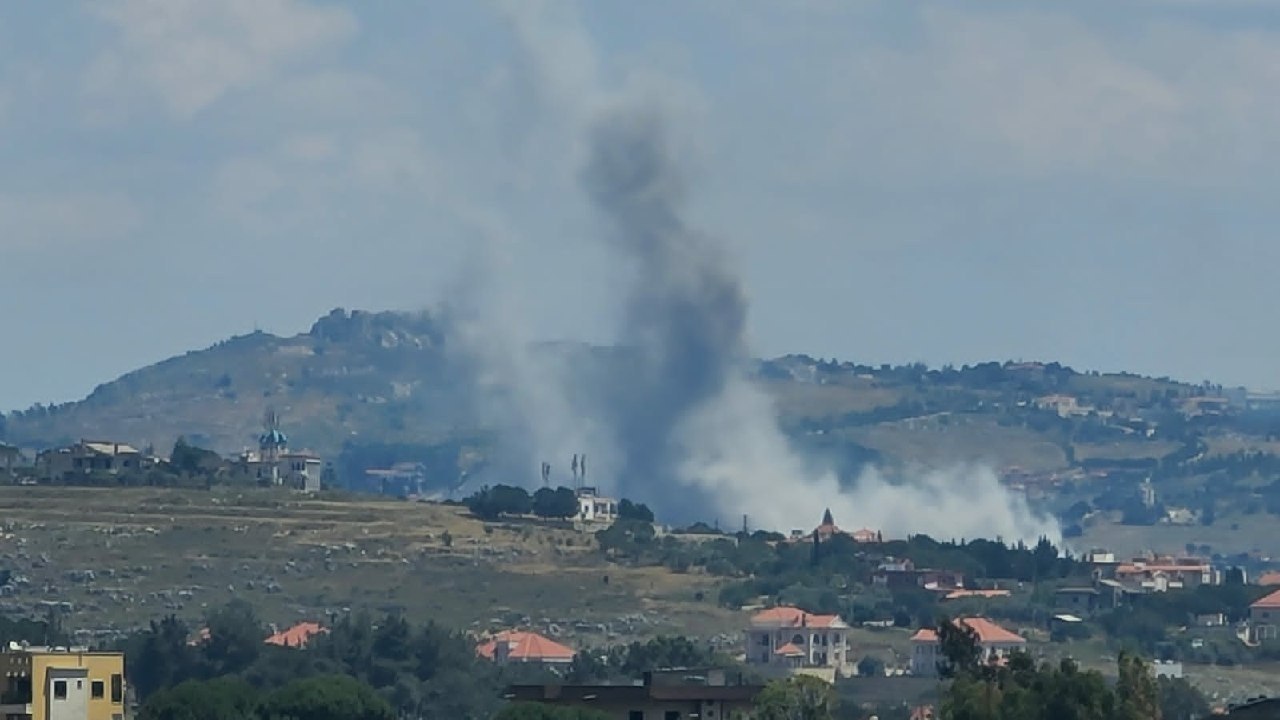
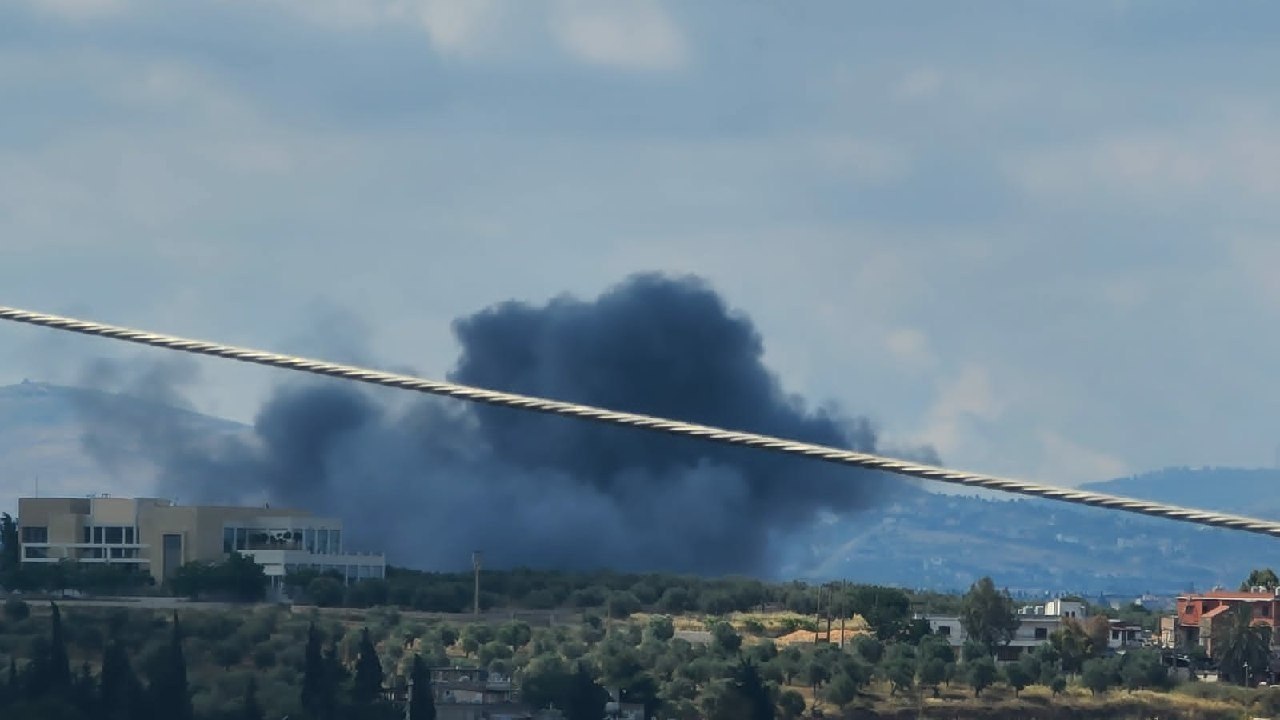
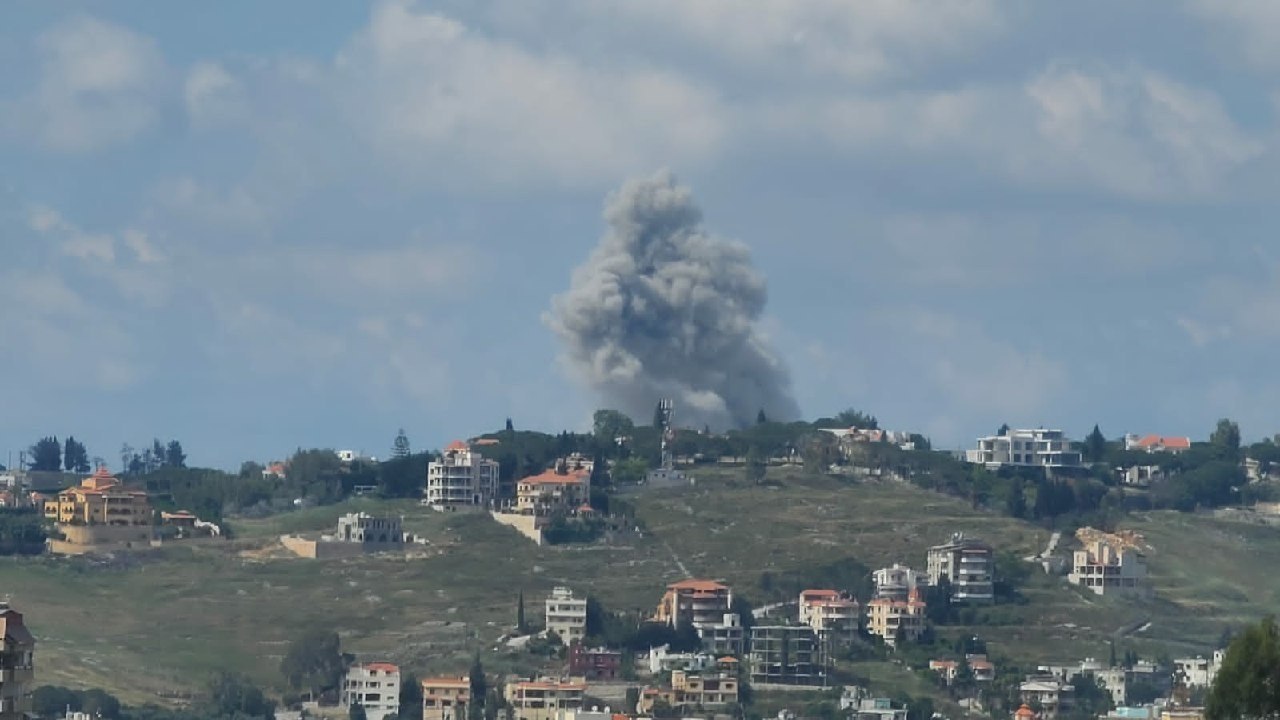
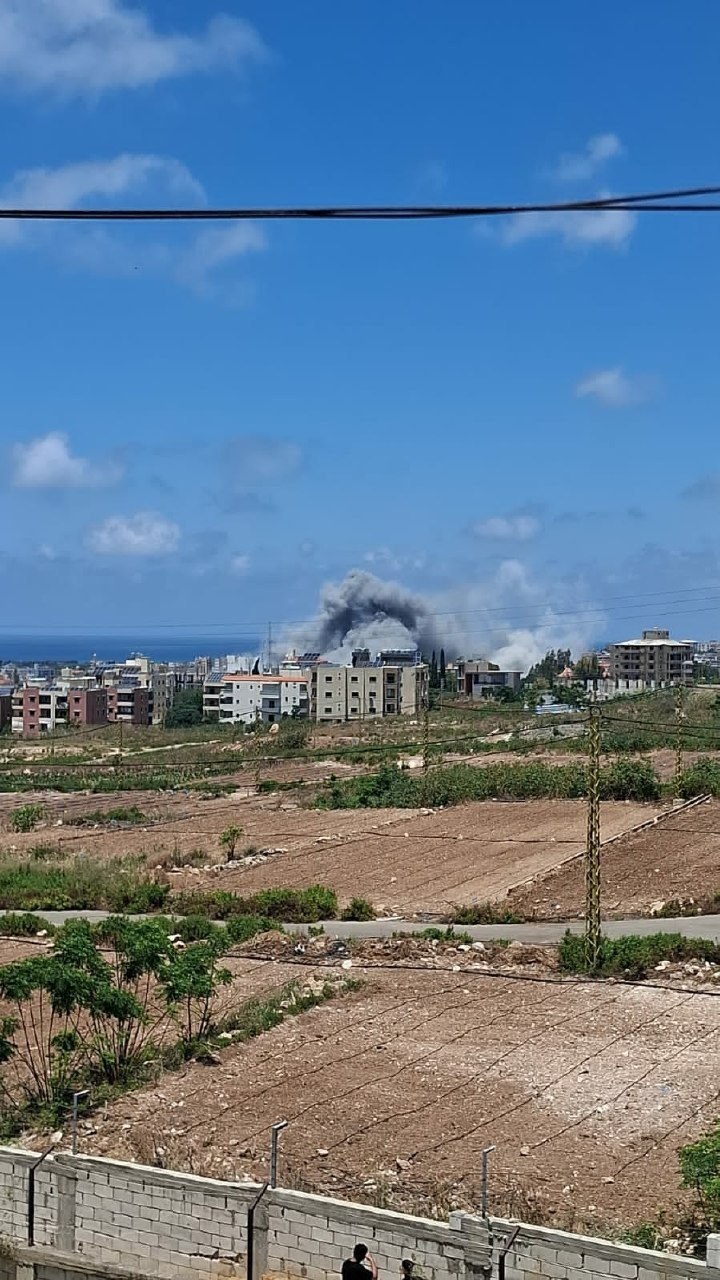
At 12:57 UTC, the Russian‑language intelligence channel rnintel documented a series of large‑scale Israeli airstrikes across southern Lebanon. Photographic evidence accompanying the report showed multiple strike sites, though the specific munitions used were not disclosed. The air campaign appears coordinated with the ground movement, aiming to suppress Hezbollah positions and logistical networks. No casualty figures were released in the rnintel brief, but the intensity of the strikes suggests a sustained effort to degrade enemy capabilities.
Israeli Operations Extend to Beirut and Bekaa Valley
In a separate Telegram posting from the CIG_telegram channel at 15:05 UTC, Israeli Prime Minister Benjamin Netanyahu announced that Israeli forces had not only crossed the Litani but were also operating in Beirut and the Bekaa Valley. He described the campaign as delivering “decisive strikes against Hezbollah” across the entire width of the front. While the statement contains no independent verification, it aligns with the broader pattern of northward expansion reported by other sources. The original video statement can be accessed at
https://t.me/CIG_telegram/76336.
Tank Deployments Confirmed North of Litani
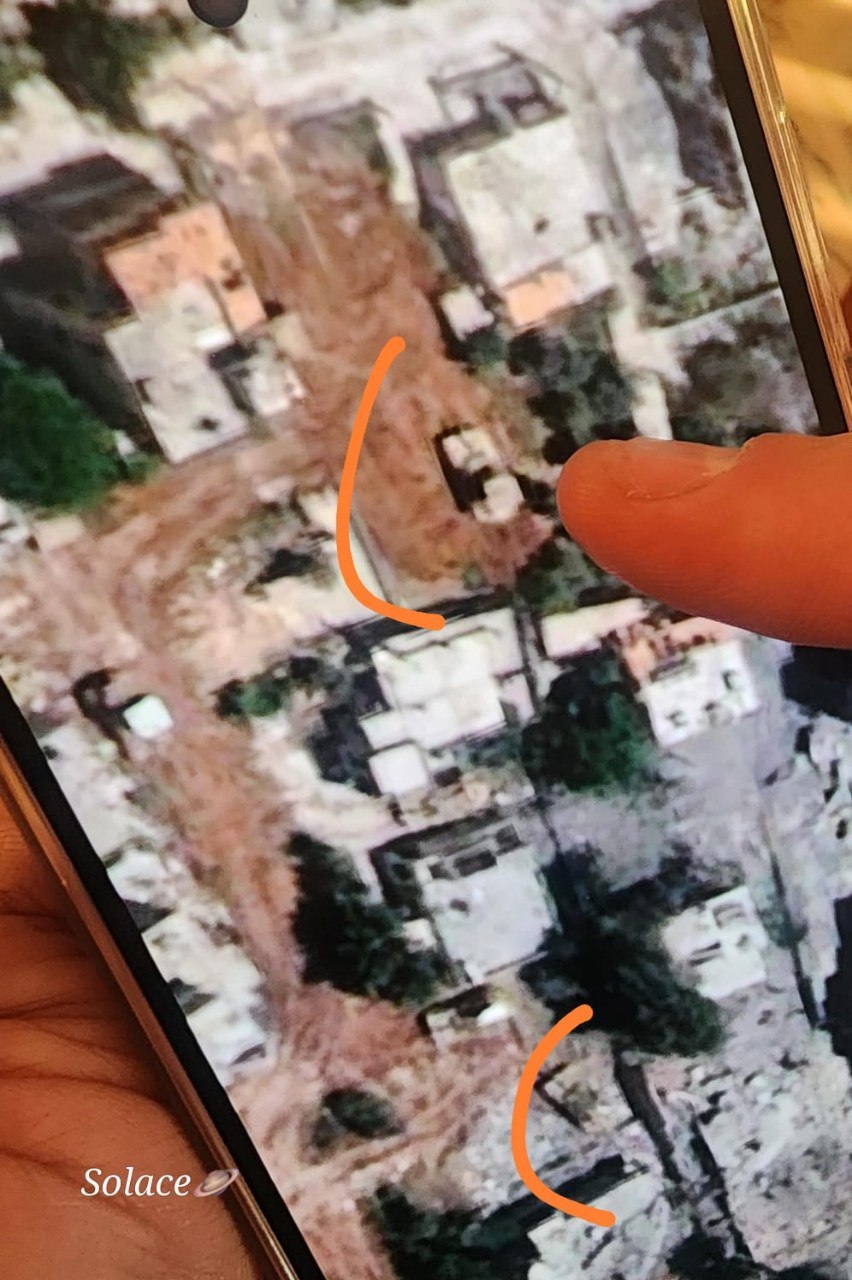
Photographic evidence released by the Lebanese outlet al‑Modon and shared on rnintel at 12:47 UTC shows two Israeli Merkava main battle tanks positioned in a village north of the Litani River. Geolocation data provided by the monitoring group Rerum Novarum places the tanks at 33.3220792 N, 35.4781312 E and 33.3215421 N, 35.4779914 E, confirming that armored units have penetrated the river barrier. The presence of Merkava tanks indicates a shift from rapid infantry incursions to a more sustained mechanized presence in the area.
Ground Push from Yahmor Toward Arnoun
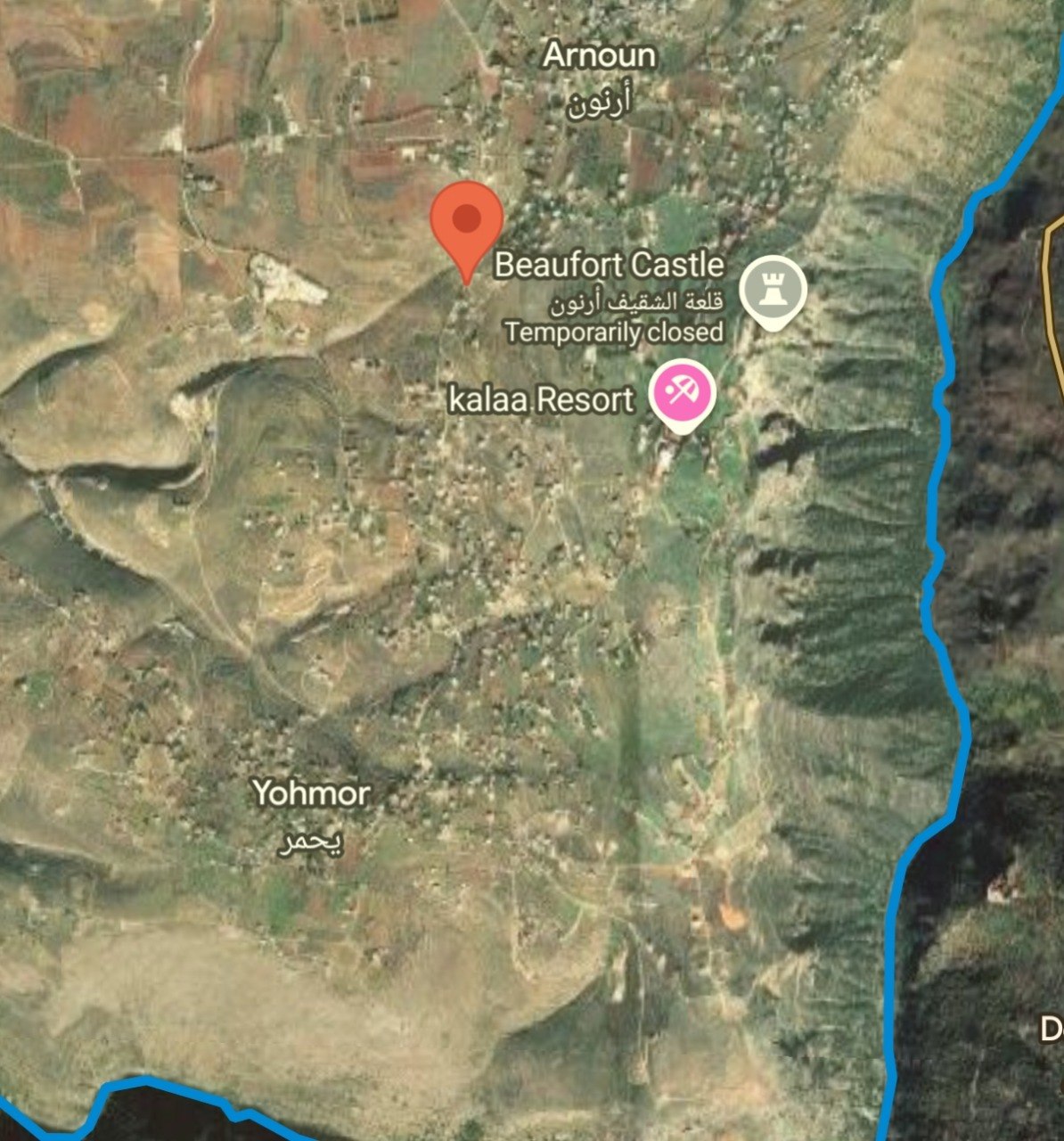
Earlier in the day, at 12:50 UTC, rnintel reported that Israeli ground forces were advancing from the town of Yahmor toward Arnoun, a location north of the Litani in the Nabatieh district. The movement follows a north‑east trajectory aimed at securing routes that bypass Hezbollah strongholds. No combat engagements were reported at the time, and the report did not specify casualties or weapon systems beyond the presence of infantry units.
The convergence of ground, armored, and aerial operations within a single day marks a notable escalation in the Lebanese theatre. The coordinated nature of these actions suggests a deliberate Israeli strategy to pressure Hezbollah across multiple fronts while simultaneously shaping the diplomatic environment ahead of the scheduled Pentagon talks. Observers note that the rapid northward push could strain Lebanese security forces, which are already stretched thin by internal political divisions and the presence of multiple armed factions.
As the situation develops, monitoring agencies will continue to verify the extent of Israeli penetration beyond the Litani, the response of Hezbollah and allied groups, and any shifts in civilian casualty patterns. The upcoming security dialogue between the two militaries may either de‑escalate the confrontation or, if negotiations stall, provide further justification for expanded kinetic operations.