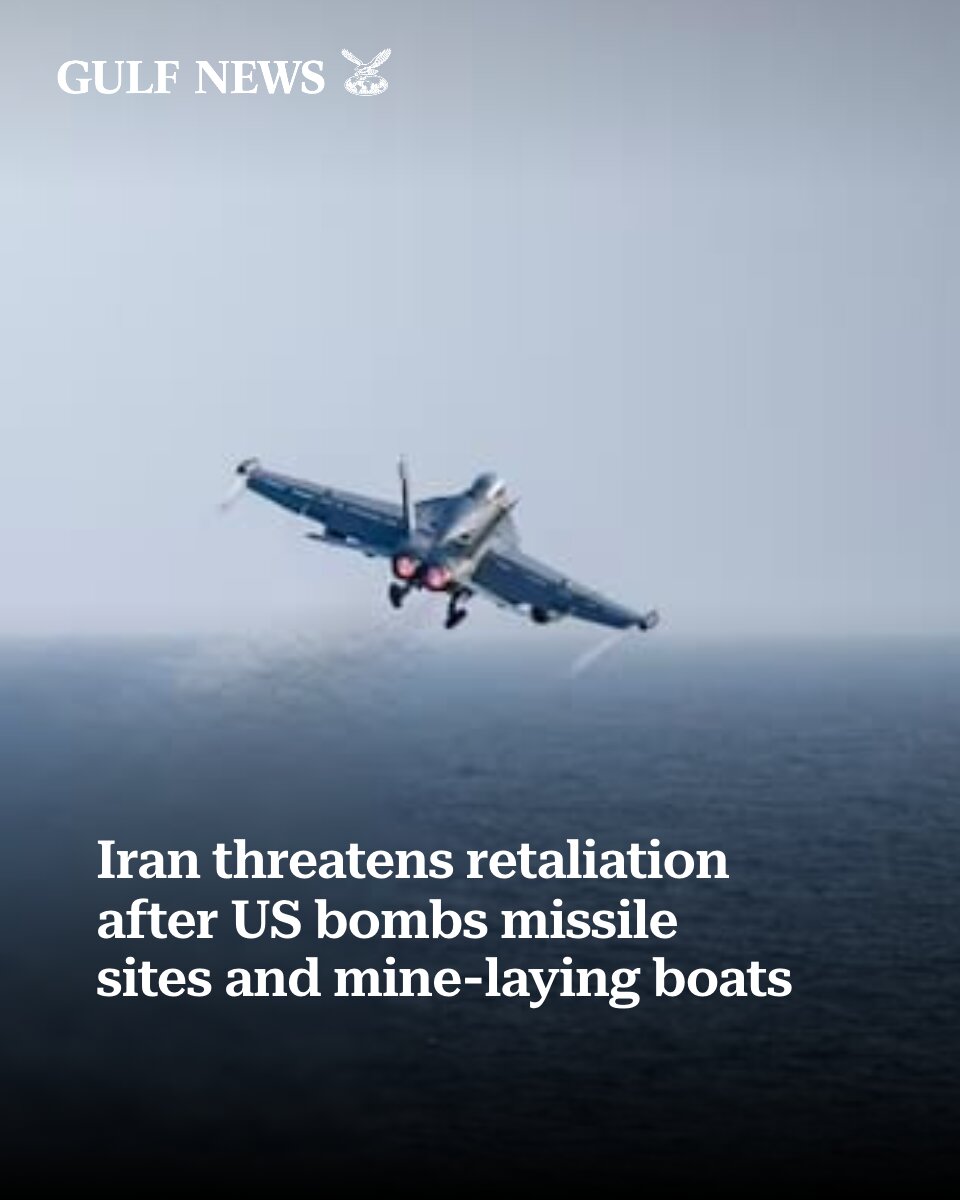
The most consequential development of the day was the United States' first airstrike inside Iranian territory since cease‑fire negotiations began, a move that threatens to widen the already volatile regional conflict. According to the Telegram channel monitor_the_situation, the strike was carried out at 02:18 UTC, marking a stark escalation after months of diplomatic overtures between Tehran and Washington. While the precise target and weaponry were not disclosed, the operation underscores Washington’s willingness to employ kinetic force to pressure Iran over its alleged support for militant proxies.
Israeli Targeted Killings and Cross‑Border Attacks
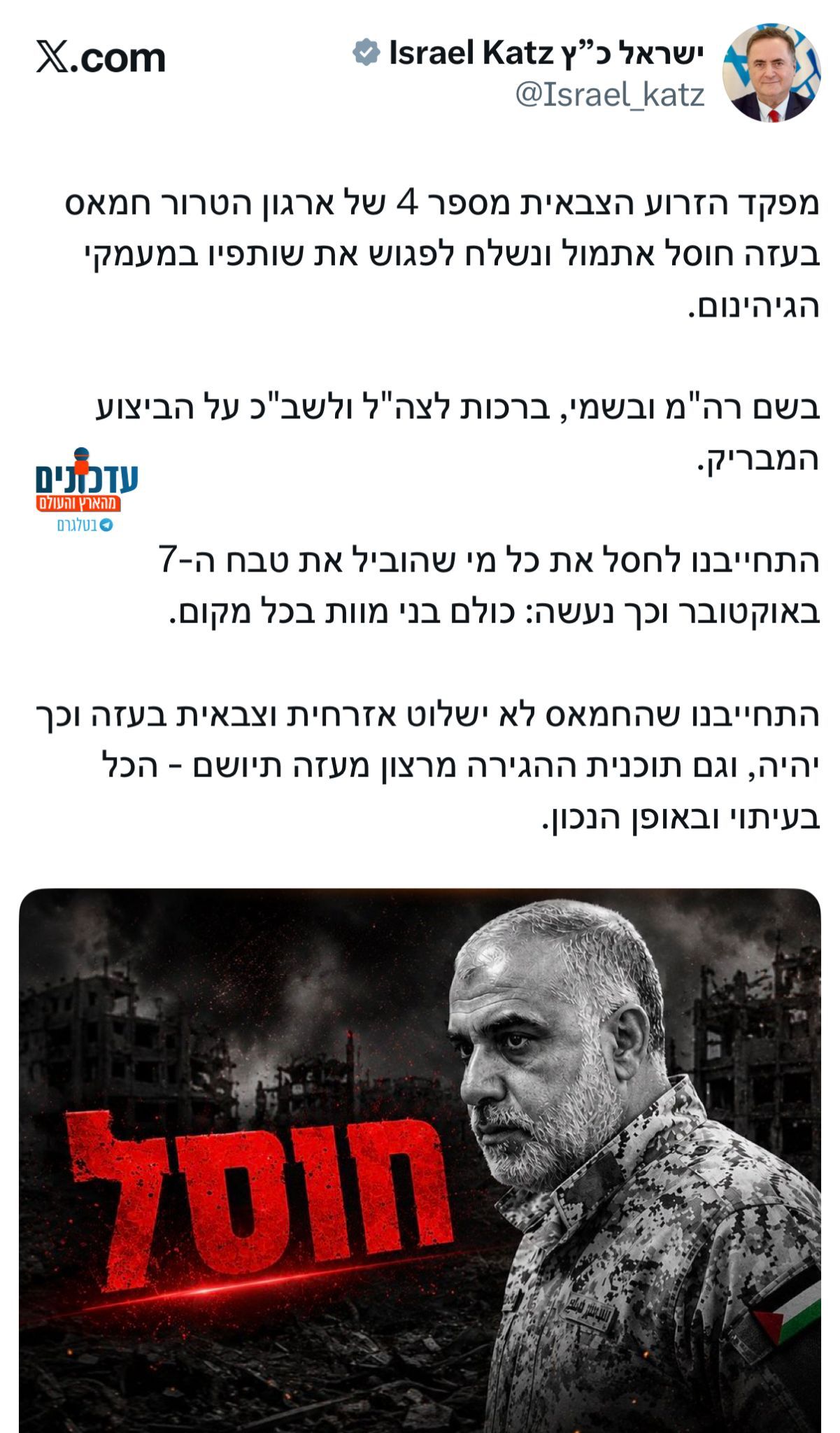
In the early hours of the same day, Israel confirmed the elimination of two senior Hamas operatives. Defense Minister Yoav Katz, speaking to the Israeli press, verified the killing of Mohammed Oda, a commander of Hamas’s military wing, as reported by the Telegram channel idkunim_il (05:08 UTC). Later, the Israel Defense Forces (IDF) corroborated the death of Muhammad Awda, a Qassem Brigades commander, with confirmation from both the IDF and Awda’s family, as detailed by rnintel (05:33 UTC). Both assassinations were described as precision operations, though no weapons or delivery methods were disclosed.
These targeted killings coincided with a broader Israeli offensive in southern Lebanon. Al Jazeera reported that Israeli air and artillery strikes across the southern Lebanese districts resulted in at least 31 fatalities (04:25 UTC). The attacks, described as an “intensification” of Israel’s campaign, targeted what Israeli officials termed “terrorist infrastructure,” though civilian casualties were confirmed among the death toll.
Hezbollah Rocket Launches and Israeli Alerts
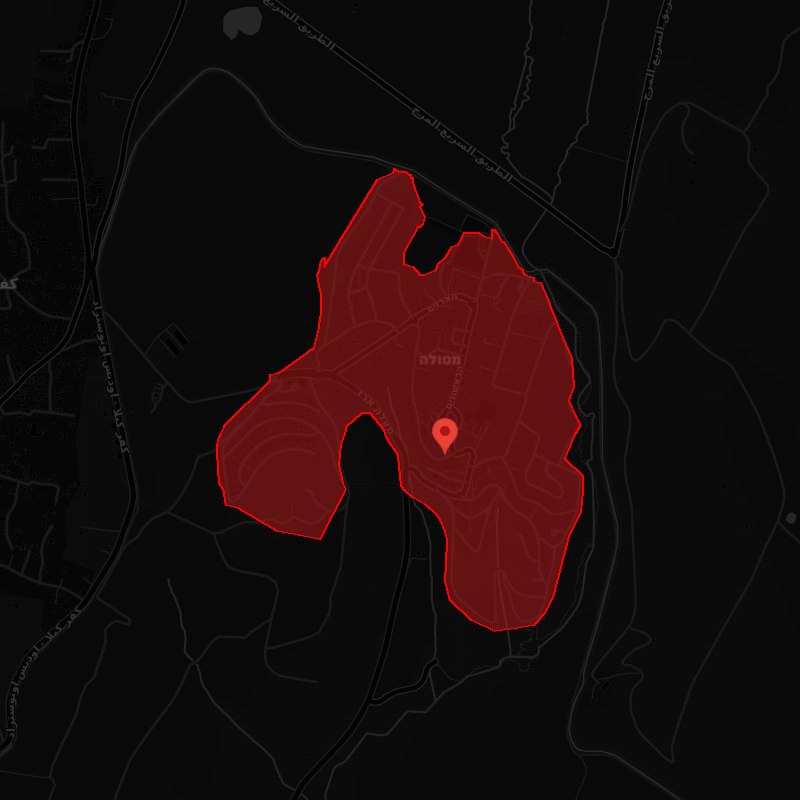
Hezbollah responded to the Israeli pressure by firing rockets toward the northern Israeli city of Kiryat Shmona at 00:37 UTC, as documented by rnintel. The rockets caused no reported injuries, but the incident heightened security alerts along Israel’s northern frontier. Simultaneously, a separate rocket alert was issued for the Metulla area, a strategic point near the Lebanese border, by the monitoring service RocketAlert (00:37 UTC). The alert, posted on RocketAlert.live, indicated a potential missile trajectory but did not confirm any impact.
Explosions in Beirut’s Dahieh District
At 02:05 UTC, massive explosions erupted in the Dahieh district of Beirut, Lebanon’s southern suburbs. The Telegram channel rnintel reported that the blasts were possibly the result of Israeli airstrikes, though no official claim was made by either side. The explosions caused significant structural damage, but casualty figures were not immediately released.
Iraqi Security Operations in Nineveh and Anbar
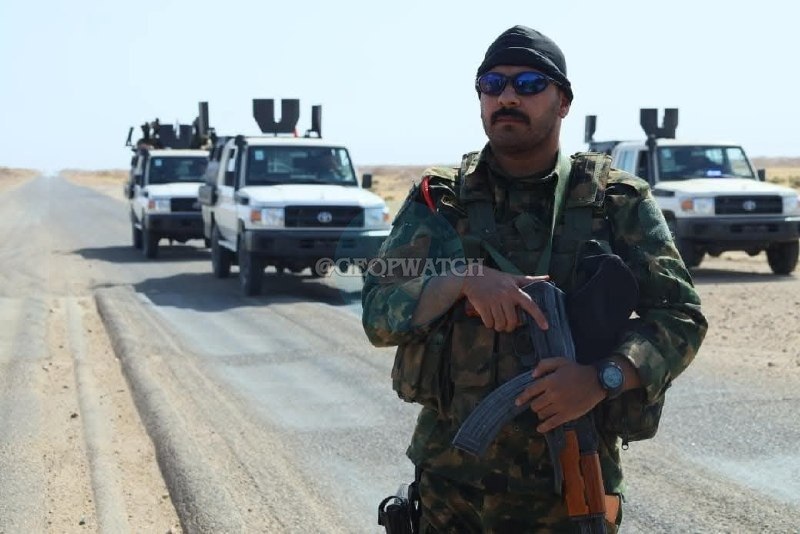
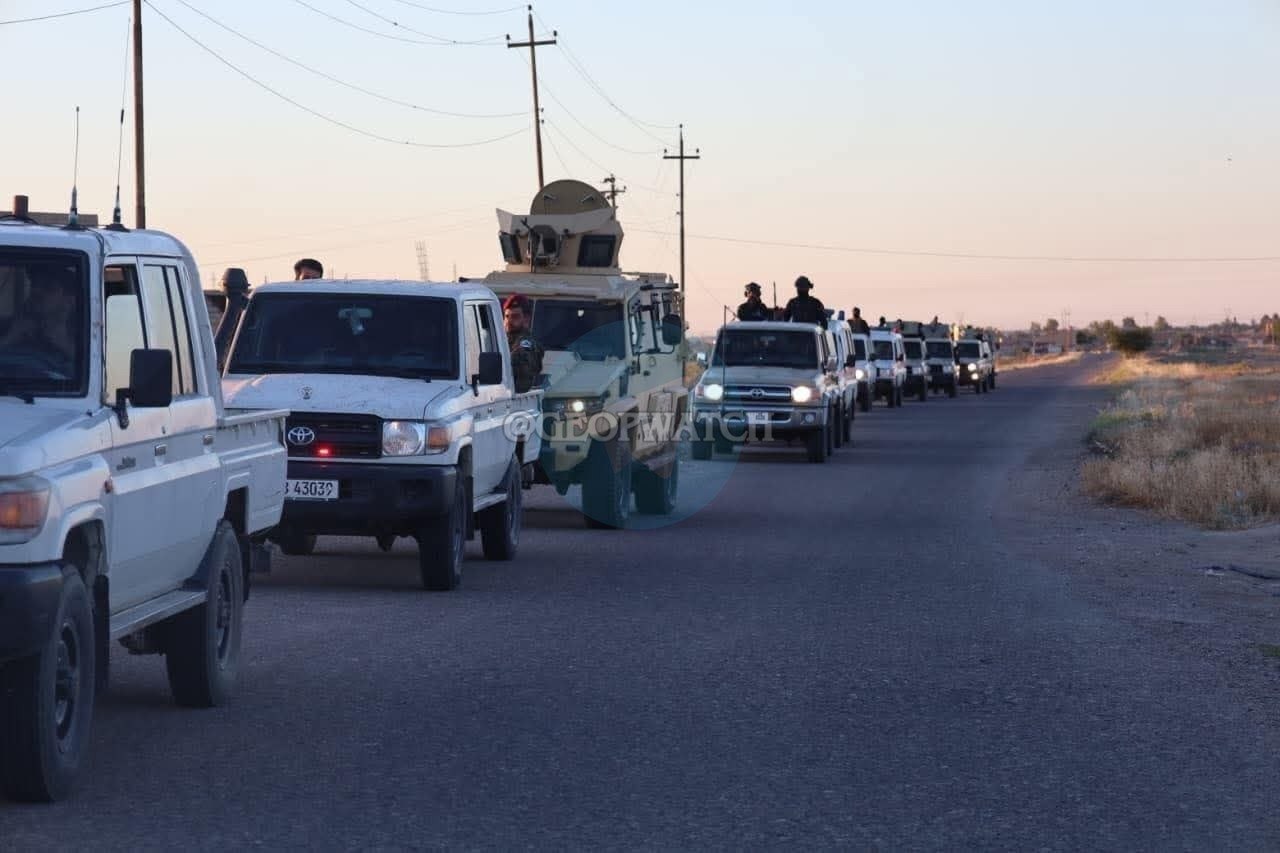
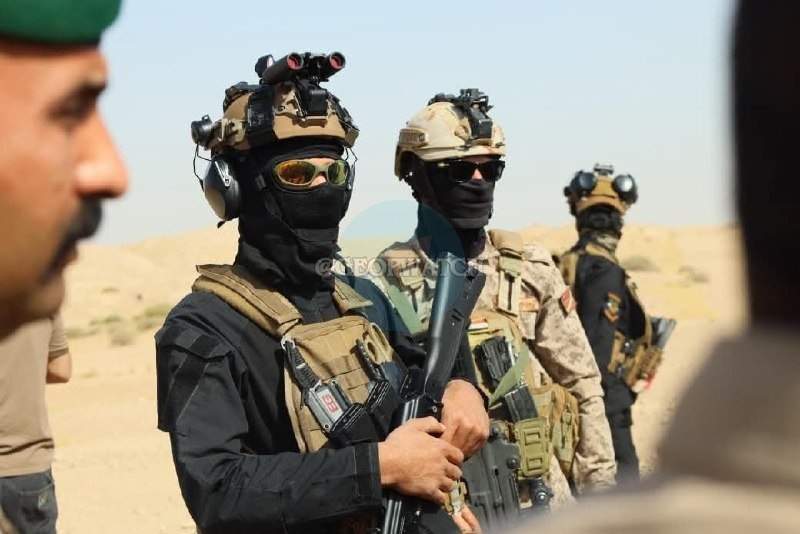
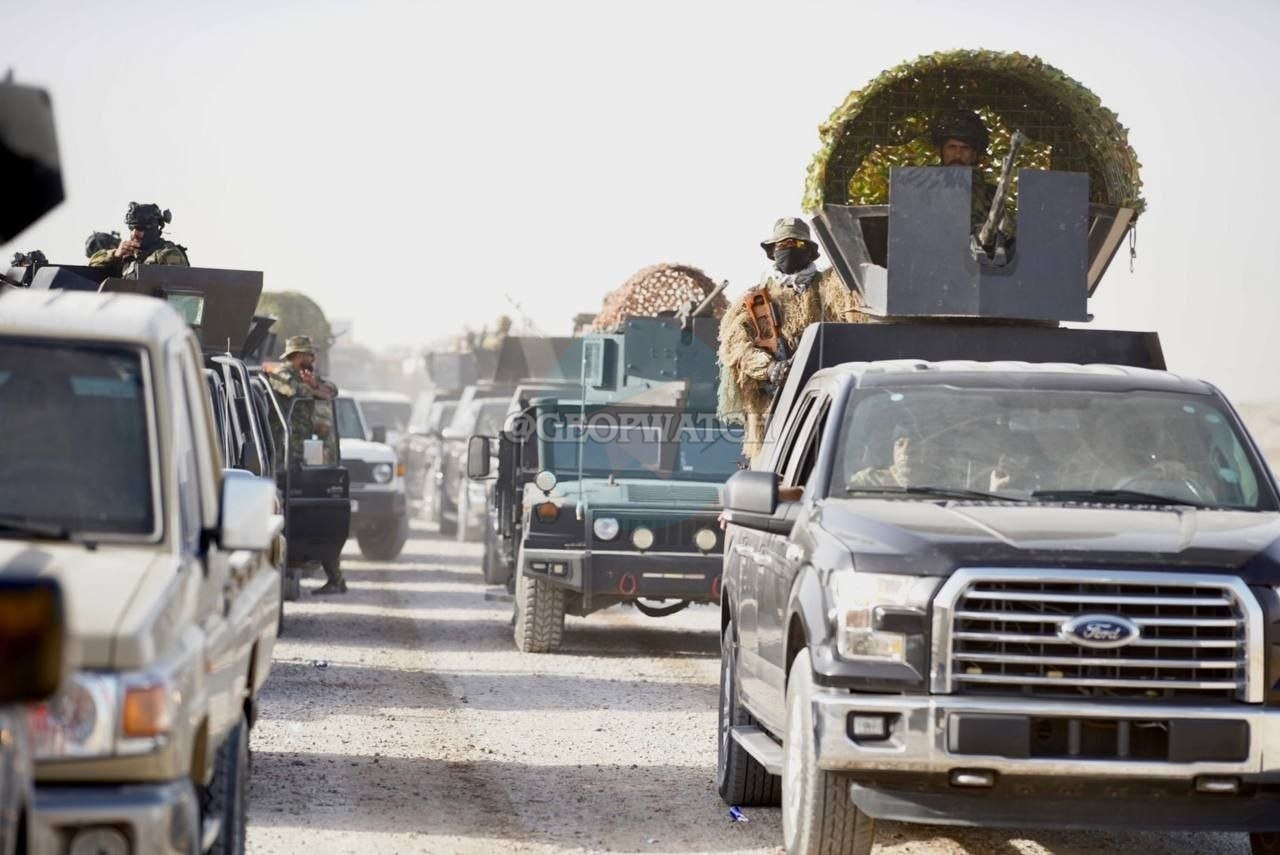
In Iraq, the Popular Mobilization Forces (PMF), in coordination with Iraqi authorities, launched a second consecutive week of extensive security operations across the Nineveh desert and Anbar province. The campaign, aimed at eradicating remnants of terrorist groups, was detailed by the monitoring outlet GeoPWatch (00:01 UTC). While no combat casualties were reported, the operations involved numerous checkpoints, aerial surveillance, and ground sweeps, reflecting Baghdad’s commitment to stabilizing its western frontiers amid the broader regional turmoil.
Implications for Regional Stability
The convergence of these events on a single day illustrates a pronounced surge in both state‑directed and proxy‑mediated violence. The US airstrike in Iran represents a departure from the diplomatic track, potentially prompting Tehran to recalibrate its regional strategy. Israel’s simultaneous targeted killings and cross‑border strikes signal a determination to neutralize perceived threats from Hamas and Hezbollah, even at the risk of civilian casualties and international condemnation.
Hezbollah’s rocket launches, coupled with Israeli alerts, demonstrate the fragile security balance along the Lebanon‑Israel frontier. Meanwhile, Iraq’s internal security drive underscores the spillover risk of militant activity from neighboring Syria and the broader Levant.
"The United States’ decision to strike inside Iran marks a new chapter in the conflict, one that could undermine ongoing cease‑fire talks and invite retaliatory actions," said a senior analyst at a regional think‑tank, quoted in the monitor_the_situation briefing.
Overall, the day's developments suggest an escalating cycle of retaliation and pre‑emptive action, with each actor seeking to assert dominance or protect strategic interests. The risk of a broader conflagration remains heightened, particularly if diplomatic channels fail to contain the fallout from these kinetic operations.