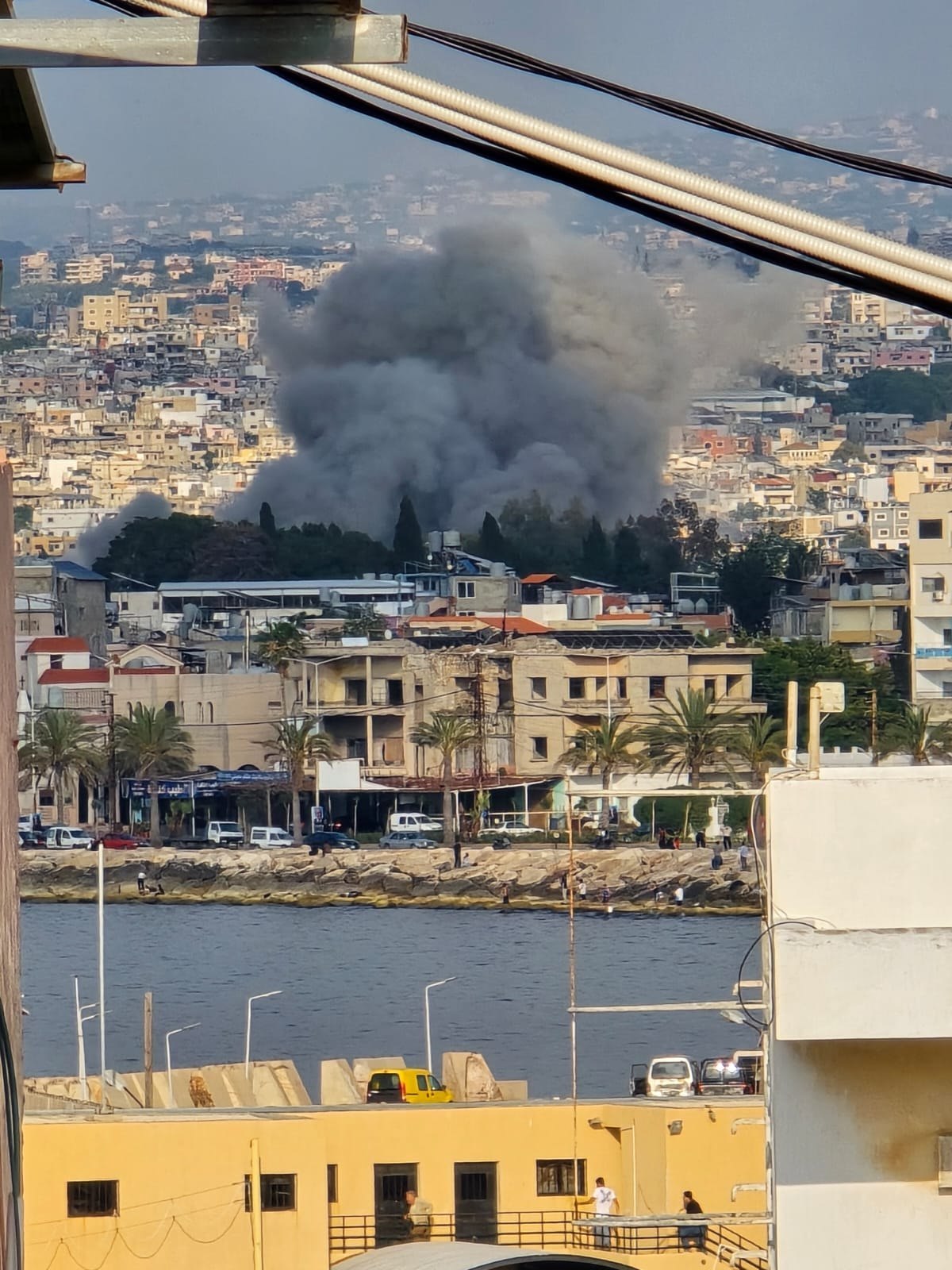
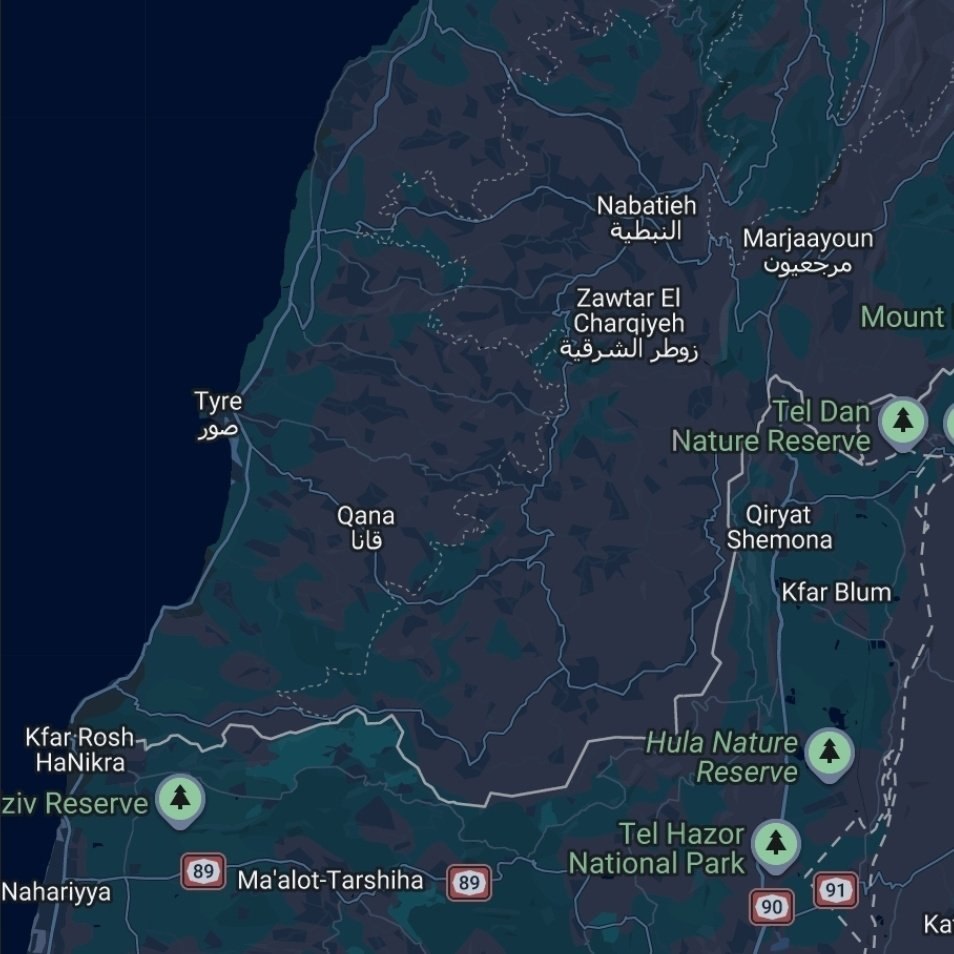
On May 27, 2026, the Israel Defense Forces (IDF) announced that it had struck 150 Hezbollah targets across southern Lebanon in a single day, marking the most extensive kinetic operation of the conflict to date. The operation, reported by the Telegram channel monitor_the_situation at 11:20:23, involved a series of high‑precision airstrikes that hit command posts, weapons depots, and infrastructure linked to the Lebanese militant group.
Scale and Timing of the Air Campaign
The campaign began early in the morning with a large wave of Israeli Air Force (IAF) sorties reported at 06:39:45, also sourced from monitor_the_situation. Throughout the day, additional strikes were logged at 07:24:29 in Deir Aames, at 06:14:17 targeting a Hezbollah operative retrieving a down‑drone, and at 15:04:25 over the Al‑Masaken neighborhood of Tyre. The IAF continued operations into the late afternoon, delivering a high‑impact strike that created a sizable crater in the Al‑Bass Palestinian camp east of Tyre at 16:56:48, as documented by GeoPWatch.
"A large crater has been left by an Israeli airstrike in the Al‑Bass Palestinian camp, east of Tyre in southern Lebanon, with multiple casualties reported." – GeoPWatch, https://t.me/GeoPWatch/34155
Key Incidents and Casualties
Several individual attacks produced notable casualty figures. The Deir Aames strike at 07:24:29 resulted in two civilian deaths, according to the same monitor channel (source). A separate IAF drone strike at 06:14:17 eliminated a Hezbollah operative who was attempting to recover a downed drone, underscoring the IDF’s focus on disrupting the militant’s reconnaissance capabilities (source).
In the Bekaa Valley, an airstrike at 13:21:43 killed a Lebanese soldier, highlighting the conflict’s expansion beyond the southern front (source). On the Kfarman‑Khardli road, the Lebanese Army confirmed the death of one of its soldiers following an Israeli strike at 17:57:19 (source).
Hezbollah’s own operations were also documented. At 13:59:30, IDF forces employed tank fire and an airstrike to eliminate the terrorist responsible for killing Israeli Lieutenant Colonel Itamar Sapir in the Kouza area. The operation involved the 401st Brigade of the IDF’s 146th Division (source).
Ground Engagements and Territorial Dynamics
While airpower dominated the day’s kinetic events, ground movements were also reported. At 08:48:49, Hezbollah fighters repelled an Israeli incursion near Zawtar al‑Sharqiyah, forcing Israeli units to withdraw after close‑range combat with light and medium weapons (source). Later, at 17:13:25, Hezbollah again thwarted a fourth Israeli attempt to advance toward the town of Hadatha, engaging Israeli forces at point‑blank range (source).
Targeted Areas and Weapon Systems
The strikes covered a broad geographic swath, including the following locations:
- Southern Lebanon’s border districts (multiple unnamed sites)
- Deir Aames (town)
- Al‑Bass Palestinian camp, east of Tyre
- Al‑Masaken neighborhood, Tyre
- Sour area, Tyre (Hezbollah command posts)
- Kfarman‑Khardli road (Lebanese Army soldier)
- Bekaa Valley (Lebanese soldier)
Weapon systems employed by the IDF were primarily aircraft‑borne precision munitions, with occasional use of tank fire in the Kouza engagement. No specific munition types were disclosed in the source material.
Operational Context and Immediate Implications
The coordinated nature of the 150‑target strike suggests a pre‑planned effort to degrade Hezbollah’s operational depth ahead of potential ground operations. The inclusion of civilian‑populated areas such as the Al‑Bass Palestinian camp raises concerns about collateral damage and the humanitarian impact on displaced populations.
Hezbollah’s ability to repel multiple Israeli ground attempts indicates that, despite the aerial onslaught, the militant group retains sufficient manpower and firepower to contest Israeli advances in contested zones. The reported deaths of Lebanese Army personnel further illustrate the risk of broader Lebanese state involvement, potentially complicating the conflict’s escalation dynamics.
Source Attribution
All events are drawn from open‑source Telegram channels, including monitor_the_situation, GeoPWatch, and idkunim_il. Video and photographic media accompanying the reports were referenced but are not reproduced here, as per editorial policy.
In summary, May 27, 2026, represents a significant escalation in kinetic activity across Lebanon, characterized by a high‑volume air campaign targeting Hezbollah infrastructure, a series of lethal strikes on both combatants and civilians, and renewed ground confrontations that underscore the volatile frontlines in the south.