The United States military announced a coordinated missile strike on southern Iran at 04:27 local time, targeting Iranian missile installations and mine‑laying vessels. The operation, described by U.S. Central Command as an act of "self‑defence," marks the most significant kinetic event recorded on 26 May 2026 across the Middle East. According to Al Jazeera, the strikes were executed with precision‑guided munitions launched from naval platforms operating in the Persian Gulf. No immediate casualty figures were released, and Iranian authorities have not confirmed damage to the targeted sites.
U.S. Military Action in Southern Iran
Two separate statements from the U.S. Central Command detailed the timing and rationale of the attacks. The first, issued at 00:57, indicated that the strikes were timed to coincide with high‑level Iranian negotiators convening in Qatar for peace talks. The second, released at 04:27, provided additional technical detail, confirming that the targets included both fixed missile launch sites and mobile mine‑boat units operating near the Strait of Hormuz. The United States cited recent Iranian naval activity that it deemed hostile, though Iranian officials have denied any aggression.
"The United States has taken decisive action to neutralise imminent threats posed by Iranian missile and mine‑boat capabilities," U.S. Central Command said in a press release. Source: Al Jazeera
While the United States has not disclosed the exact number of missiles deployed, open‑source analysts estimate that at least six cruise missiles were launched from destroyers and submarines stationed in the Gulf. The lack of reported Iranian casualties suggests that the strike may have primarily damaged infrastructure rather than personnel, though the full impact assessment remains pending.
Israeli Operations in Southern Lebanon
In parallel with the U.S. action, the Israel Defense Forces (IDF) intensified aerial bombardments against Hezbollah positions in southern Lebanon. The escalation follows a public directive from Prime Minister Benjamin Netanyahu urging the military to "hit the gas" on attacks against the terror organization. According to the Jerusalem Post, IDF aircraft targeted communication nodes, weapons depots, and command facilities linked to Hezbollah, while the Home Front Command tightened defensive guidelines for Israeli communities along the northern border.
"The IDF is conducting precision strikes on Hezbollah infrastructure to degrade its operational capacity," the Jerusalem Post reported. Source: JPost
Casualty reports from the Lebanese side remain sparse, with local officials indicating that a handful of Hezbollah operatives may have been killed, but no civilian deaths have been confirmed. The Israeli government has not released an official tally of munitions expended, though satellite imagery shows multiple strike craters near the towns of Marjayoun and Tyre.
Drone Incident in Upper Galilee
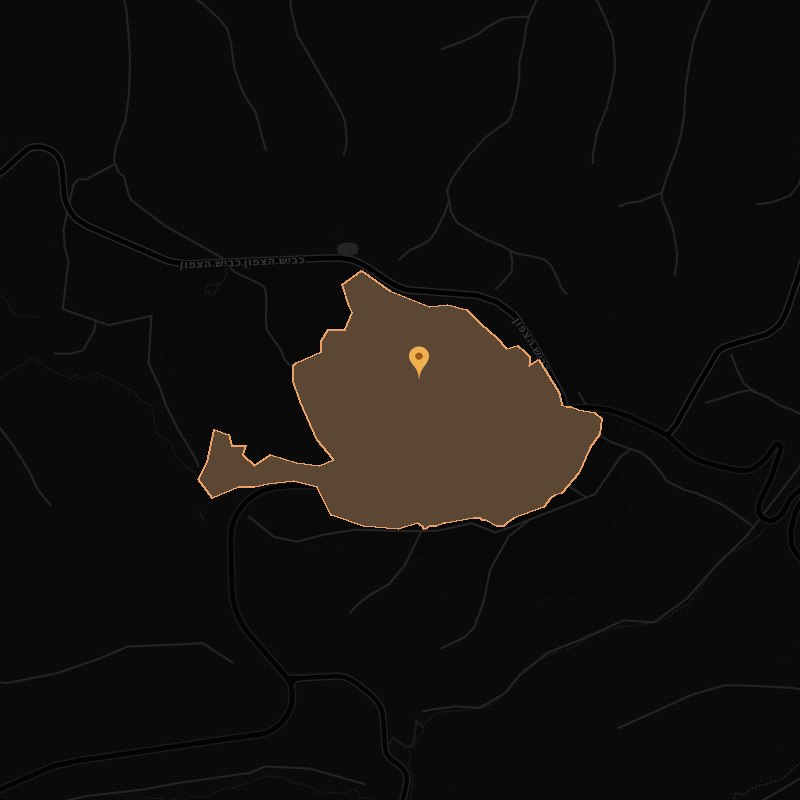
At 05:32, a hostile unmanned aerial vehicle (UAV) detonated over the Biryanit area of Israel's Upper Galilee. The explosion, described by the Israeli monitoring channel idkunim_il as a "drone bomb," caused no reported injuries or structural damage. The incident underscores the expanding use of low‑cost UAVs by non‑state actors in the region.
"A drone bomb exploded a short time ago in the Biryanit area of the Upper Galilee. At this stage no casualties are known," idkunim_il posted on its Telegram channel. Source: idkunim_il
Security forces secured the site and began forensic analysis to determine the drone's origin and payload. Preliminary assessments suggest the device was a commercially available quadcopter retrofitted with an improvised explosive charge, a tactic increasingly observed in asymmetric conflicts.
UAV Alerts and Regional Alertness
Earlier in the day, at 00:46, RocketAlert.live issued a hostile UAV alert referencing a confrontation line labeled "Sassa." While the alert did not specify a precise location, the platform's geolocation data placed the potential threat within Israeli airspace. The alert was accompanied by a single photograph showing a low‑altitude UAV silhouette against a twilight sky.
Hostile UAV alert 2026‑05‑26 03:45:56: Confrontation Line: Sassa. Source: RocketAlert
These alerts, combined with the confirmed drone explosion in Upper Galilee, illustrate a broader pattern of aerial harassment that complements the larger kinetic operations conducted by state actors. Israeli Home Front Command has advised residents in northern districts to remain vigilant, maintain access to shelters, and report any suspicious aerial activity.
Strategic Implications
The synchronized timing of U.S. strikes on Iranian assets and Israeli air operations against Hezbollah suggests a coordinated effort to apply pressure on two of Tehran's principal regional proxies. While the United States framed its actions as defensive, the proximity of the attacks to ongoing diplomatic negotiations in Qatar raises questions about the intended signaling to Iranian leadership.
For Israel, the intensified campaign against Hezbollah aligns with a broader strategy to pre‑empt potential cross‑border attacks, especially in light of recent UAV incursions. The use of drones by non‑state actors, as evidenced in Upper Galilee, adds a layer of complexity to Israel's air defence posture, prompting the IDF to integrate counter‑UAV measures alongside traditional missile defence systems.
Overall, the events of 26 May 2026 reflect a day of escalating tensions across the Middle East, where conventional missile strikes, precision air raids, and low‑tech UAV attacks co‑existed. The absence of large‑scale casualties does not diminish the strategic significance of these actions, which collectively raise the risk of further escalation if diplomatic channels fail to de‑escalate the underlying disputes.