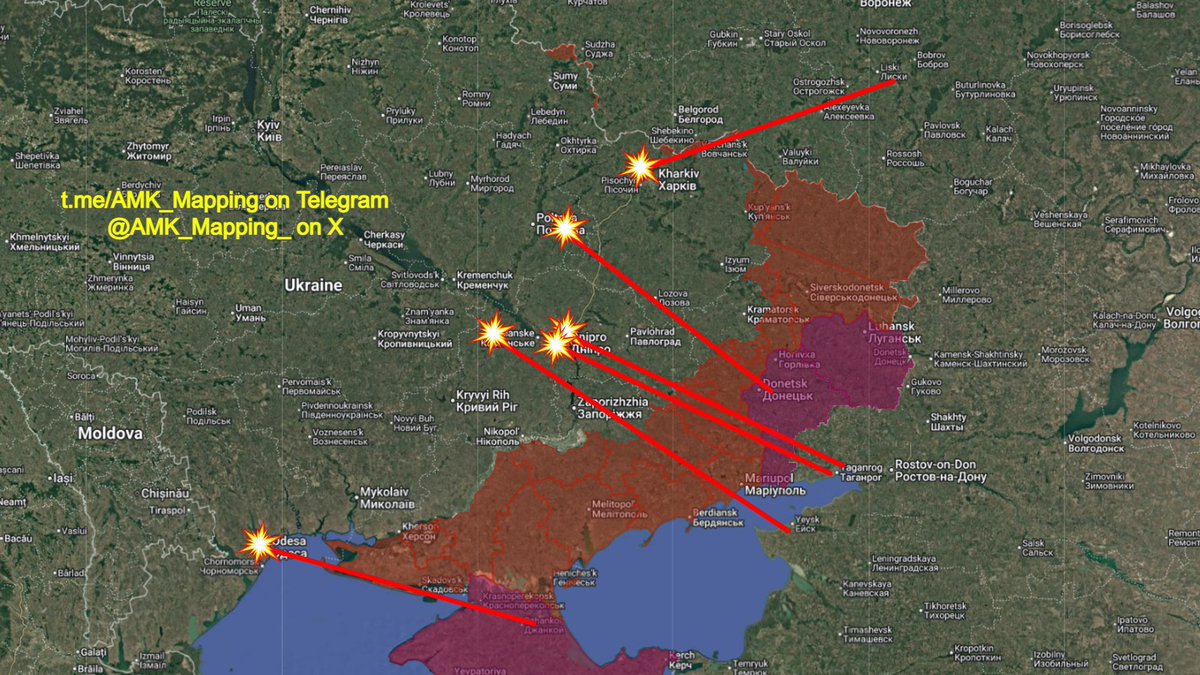
In the most significant development of the day, Russian forces launched six Iskander‑M short‑range ballistic missiles against undisclosed targets in Ukraine within a 24‑hour period, marking an unprecedented concentration of such strikes in the conflict.
Iskander‑M ballistic missile barrage
According to the open‑source channel monitor_the_situation, the missiles were fired in two waves of three, each wave separated by a short interval. The Iskander‑M system, capable of delivering a 480‑kilogram warhead at speeds up to Mach 5, is designed for precision strikes against high‑value targets. While the exact locations remain classified, the sheer volume of missiles suggests a coordinated effort to overwhelm Ukrainian air‑defence networks and degrade command‑and‑control assets.
"Russia launched six Iskander‑M ballistic missiles at Ukraine in 24 hours," the channel reported, attaching a photograph of the launch site.
No casualty figures have been released, and Ukrainian officials have not confirmed damage to specific infrastructure. The strike underscores a tactical shift toward high‑impact, rapid‑response firepower, complementing ongoing ground operations.
Ground offensive: recapture of Voskresenka
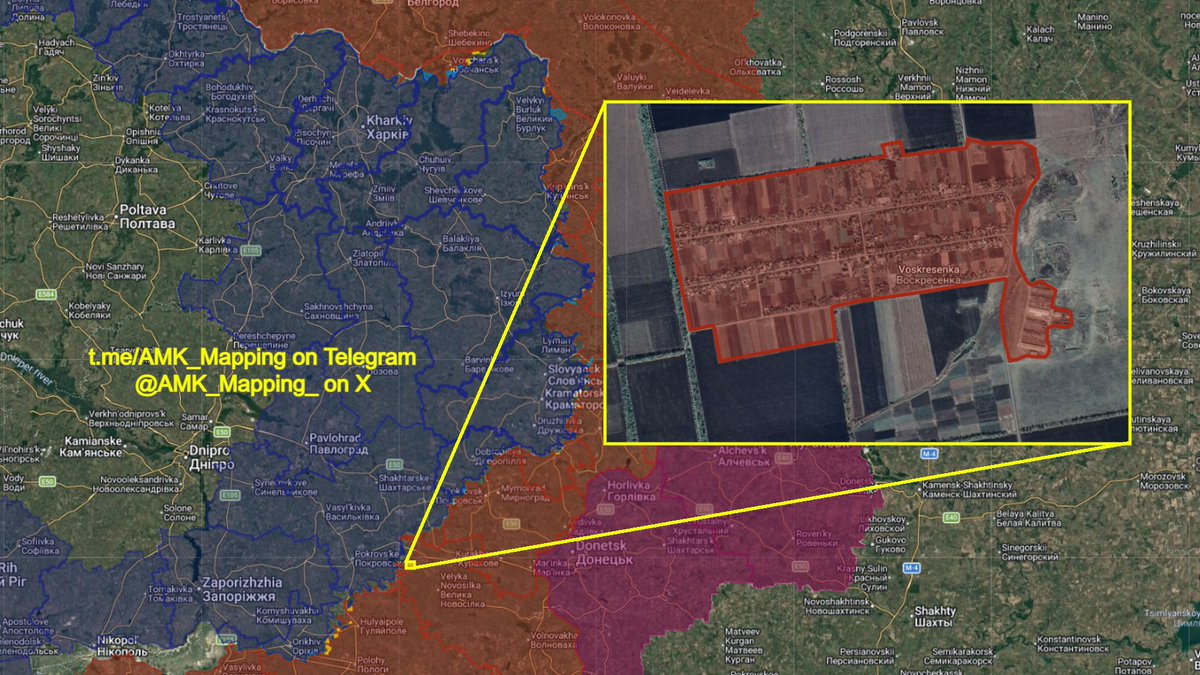
In the early morning, Russian forces announced the recapture of the village of Voskresenka in Donetsk Oblast, ending a two‑month contest for the settlement. The village, home to roughly 532 residents before the war, lies in the Prosyana direction, a corridor that has seen intense artillery duels and infantry assaults. The announcement, posted by monitor_the_situation, included a photograph of Russian troops consolidating positions.
While the report did not specify Ukrainian casualties, the prolonged engagement likely resulted in material losses on both sides. Control of Voskresenka restores a modest logistical node for Russian supply lines and may facilitate further advances toward the strategic city of Donetsk.
Naval drone attack on frigate Druzhba
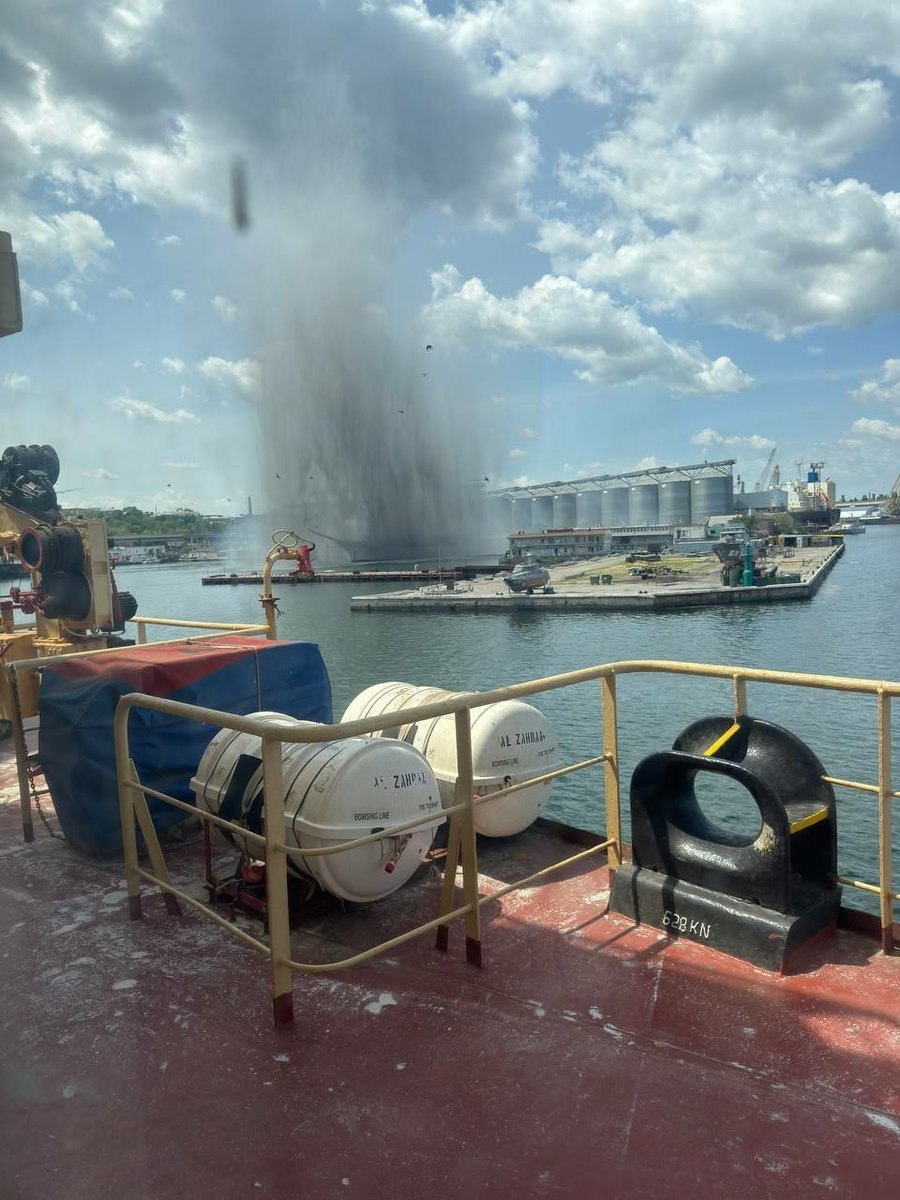
At Odesa port, two Russian sea drones struck the Ukrainian training frigate Druzhba, marking a novel application of unmanned surface vessels against a warship. The attack was captured by an Orlan‑10 reconnaissance drone, with footage disseminated by monitor_the_situation. The sea drones, likely remotely piloted explosive craft, impacted the frigate’s hull, though the extent of damage and any personnel injuries were not disclosed.
This incident illustrates Russia’s expanding use of autonomous systems across domains, seeking to exploit vulnerabilities in Ukrainian maritime defenses and disrupt naval training activities.
Airstrike: KAB glide bomb in Vasylkivka
In Dnipropetrovsk Oblast, a Russian KAB (Kinetic Air‑Bomb) glide bomb struck the town of Vasylkivka, located roughly 40 km from the front line. The attack, reported by monitor_the_situation, included video evidence of the bomb’s impact and subsequent fire.
Glide bombs, released from high‑altitude aircraft, glide toward their target, reducing exposure to air‑defences. The strike caused structural damage to civilian buildings; however, official casualty numbers remain unverified. The use of such precision‑guided munitions indicates a continued Russian emphasis on long‑range strike capability.
Collectively, these events demonstrate a multi‑layered escalation by Russian forces, integrating ballistic missiles, unmanned surface vessels, and precision glide bombs to pressure Ukrainian defenses across land, sea, and air.