On 25 May 2026, Israeli Sgt. Nehoray Leizer of the 601st Combat Engineering Battalion, 401st Brigade, was killed during a ground engagement in southern Lebanon. The incident, reported by JPost, marks the most lethal Israeli casualty in the ongoing cross‑border hostilities since the latest escalation began earlier this year.
"Sgt. Nehoray Leizer killed in combat in southern Lebanon" – JPost, https://www.jpost.com/israel-news/article-897189
The loss of Leizer, a combat engineer, highlights the intensifying risk to Israeli ground units operating in the contested zone near the Israel‑Lebanon frontier. While the exact circumstances of the firefight remain undisclosed, the event confirms that Israeli forces continue to conduct patrols and engineering missions in an area where Hezbollah’s asymmetric tactics have become increasingly sophisticated.
FPV Drone Strikes Target Israeli Vehicles
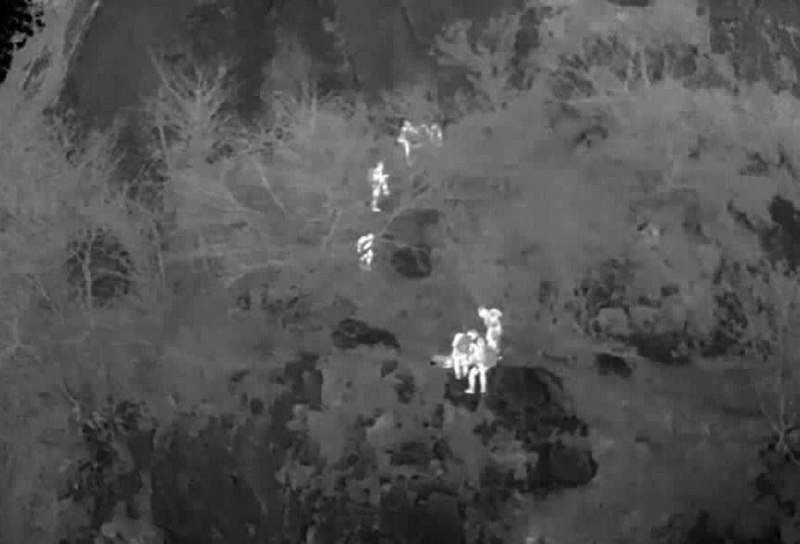
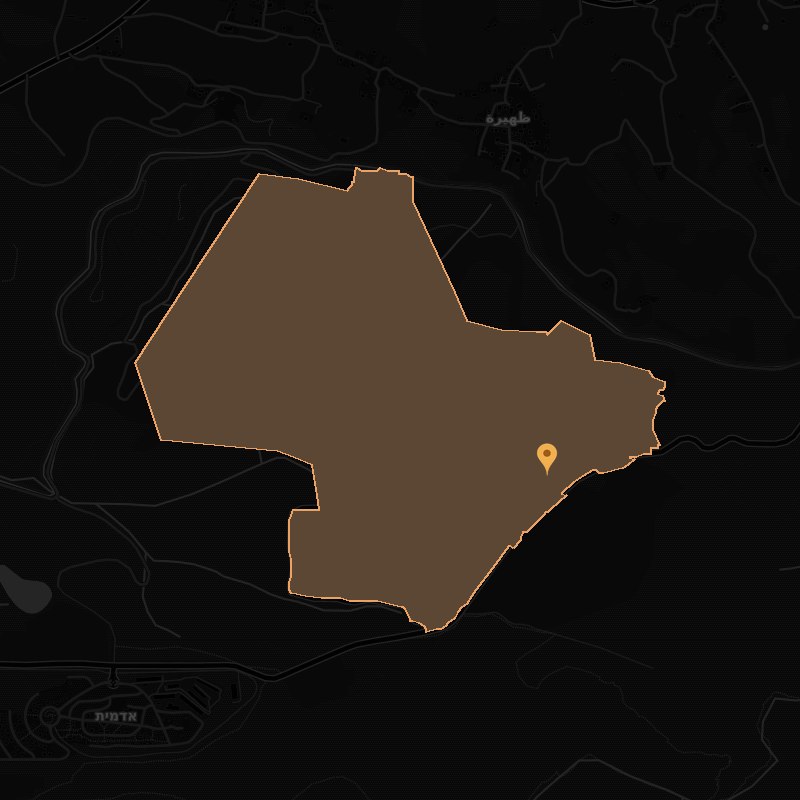
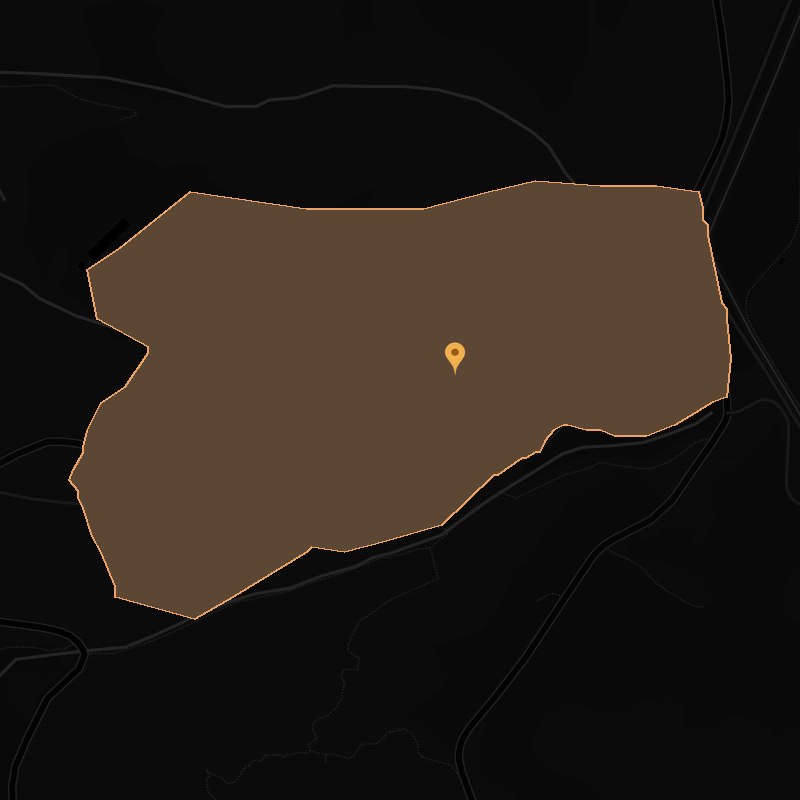
Within hours of the ground fatality, a series of medium‑severity hostile UAV incidents were documented across southern Lebanon. Hezbollah released video footage of an FPV (first‑person view) drone striking an Israeli Namer armored personnel carrier near Deir Seryan at 05:18:53 UTC, as reported by monitor_the_situation. The same platform later targeted a GRX‑8000 communications vehicle in Taybeh at 05:13:29 UTC, and an Israeli troop position in Al‑Bayada at 00:49:00 UTC, employing drones equipped with thermal imaging to enhance target acquisition.
"Hezbollah hit an Israeli Namer armored personnel carrier with an FPV drone near Deir Seryan" – monitor_the_situation, https://t.me/monitor_the_situation/17904
"Hezbollah hit an Israeli communications vehicle in Taybeh with an FPV drone" – monitor_the_situation, https://t.me/monitor_the_situation/17903
"Hezbollah used FPV drones with thermal cameras to attack Israeli troops in Al‑Bayada" – intelslava, https://t.me/intelslava/88146
These attacks demonstrate a clear tactical shift toward low‑cost, high‑precision unmanned systems capable of engaging armored and communications assets without exposing operators to direct fire. The use of thermal cameras indicates an effort to overcome night‑time visibility constraints, expanding the temporal window for offensive operations.
Israeli Aerial Presence Over Beirut
At 05:33:46 UTC, Israeli drones were observed hovering over Beirut, Lebanon’s capital, according to monitor_the_situation. While the drones did not engage any targets, their presence was noted as a “heightening tension” factor amid the broader Israel‑Hezbollah confrontation. The flight path and altitude were not disclosed, but the incident underscores Israel’s willingness to project aerial surveillance capabilities deep within Lebanese territory, potentially for intelligence gathering or signaling purposes.
"Israeli drones are flying over the Lebanese capital Beirut, raising tensions amid ongoing cross‑border hostilities" – monitor_the_situation, https://t.me/monitor_the_situation/17906
The deployment of surveillance drones over Beirut aligns with a pattern of Israeli aerial activity aimed at monitoring Hezbollah’s command and control nodes, as well as assessing the movement of weapons shipments across the border.
Additional UAV Alerts Along the Border
Separate alerts from RocketAlert recorded hostile UAV activity on the same day. At 02:47:15 UTC, a hostile UAV was reported near the Shtula confrontation line, and at 05:37:06 UTC, another alert referenced the Arab al‑Aramshe area. Although no specific engagements were confirmed, these alerts reflect a heightened state of alertness on both sides of the frontier.
"Hostile UAV alert 2026‑05‑25 05:47:14 – Confrontation Line: Shtula" – RocketAlert, https://t.me/RocketAlert/30128
"Hostile UAV alert 2026‑05‑25 08:37:06 – Confrontation Line: Arab al‑Aramshe" – RocketAlert, https://t.me/RocketAlert/30129
The proliferation of UAV alerts suggests that both Israeli and Lebanese forces are actively monitoring low‑altitude airspace, where small drones can operate below traditional radar coverage.
Analytical Assessment
The convergence of a ground combat fatality with a series of FPV drone strikes and aerial surveillance missions indicates a multi‑dimensional escalation in kinetic activity along the Israel‑Lebanon border. Hezbollah’s adoption of commercially available drone technology, modified with thermal imaging, enables it to strike high‑value Israeli assets with reduced logistical footprints. Conversely, Israel’s deployment of engineering units and surveillance drones demonstrates a continued commitment to forward presence and intelligence collection despite the elevated risk.
From an operational perspective, the lethal outcome for Sgt. Leizer may prompt the Israeli Defense Forces (IDF) to reassess force protection measures for engineering units operating in contested zones. Potential adjustments could include increased armored escort, enhanced counter‑UAV defenses, and revised patrol routes to mitigate exposure to drone‑borne threats.
For Hezbollah, the successful strikes on a Namer APC and a communications vehicle serve both tactical and propaganda purposes, showcasing the effectiveness of low‑cost UAVs against technologically superior adversaries. The public release of video footage amplifies the psychological impact, reinforcing the narrative of resistance against Israeli incursions.
Overall, the events of 25 May 2026 illustrate a pattern where kinetic engagements are increasingly mediated by unmanned systems, blurring the line between conventional ground combat and asymmetric aerial warfare.