Ukrainian Azov National Guard pilots launched coordinated airstrikes on Russian positions near the Mariupol‑Taganrog and Mariupol‑Volnovakha roads at 07:57 UTC, targeting supply corridors used by occupying forces. The operation, documented in video released by the monitor_the_situation channel, demonstrates the 1st Azov Corps’ growing air capability despite limited dedicated aircraft. No casualties were reported in the brief, but the strikes are intended to disrupt logistics and limit Russian maneuverability around occupied Mariupol.
Ukrainian Azov Corps Strikes Russian Forces Near Mariupol – monitor_the_situation
Russian Ballistic Missile Campaign Expands
Within two hours of the Azov strike, Russia escalated its long‑range fire. At 08:58 UTC, Iskander‑M missiles were launched from Donetsk and Voronezh toward targets in Kharkiv Oblast, followed by a separate Iskander‑M launch from Rostov Oblast aimed at the industrial city of Dnipro at 09:09 UTC. Both attacks were reported by monitor_the_situation and caused structural damage in residential districts, though official casualty figures remain unconfirmed. The use of the Iskander‑M system underscores Russia’s reliance on precision‑guided ballistic weapons to pressure Ukrainian urban centers.
Misfire of a Russian Oreshnik IRBM
At 16:33 UTC, a Russian Oreshnik intermediate‑range ballistic missile malfunctioned, with its multiple independently targetable reentry vehicles (MIRVs) landing inside Russian‑occupied Donetsk Oblast. GeoPWatch identified the impact sites via open‑source imagery, noting that the misfire did not affect Ukrainian‑controlled territory but highlighted the technical risks inherent in Russia’s expanding IRBM inventory.
Drone‑Driven Casualties and Infrastructure Damage
Russian unmanned aerial systems (UAS) continued to inflict civilian harm. A Geran‑2 drone strike at 06:40 UTC hit a civilian car in Krasnopillia, Sumy Oblast, killing a 24‑year‑old man. The same drone type ignited a large fire at a pig farm near Tarasivshchyna, Kyiv Oblast, and struck the Sumy‑North 330 kV substation, damaging an autotransformer. Additional Geran‑2 attacks targeted multiple settlements across Kharkiv Oblast, including Chuhuiv, Vilshany, Savyntsi, Babai, Bespalivka, and Havrylivka, as reported by monitor_the_situation.
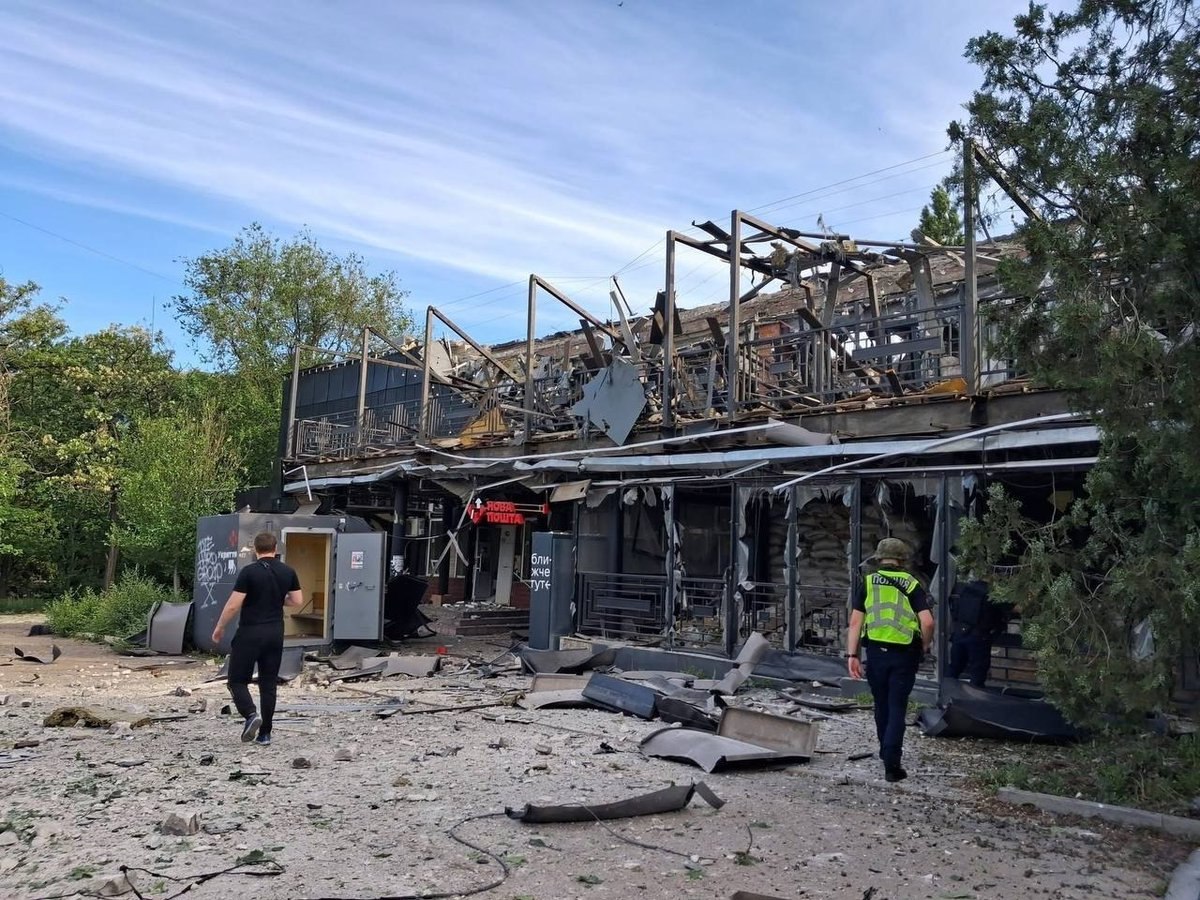
In Donetsk Oblast, a Russian drone damaged a Nova Poshta postal terminal in Kramatorsk, disrupting logistics for both civilian and military shipments. The cumulative effect of these UAV attacks has been a rise in civilian casualties—four deaths and 69 injuries reported across Ukraine in the past 24 hours—and significant degradation of critical infrastructure.
Ukrainian Drone Interdiction of Russian Logistics
At 08:23 UTC, Ukrainian mid‑range strike drones engaged Russian logistics convoys on supply routes in Zaporizhzhia and Donetsk Oblasts. Video evidence released by monitor_the_situation shows several transport trucks hit, suggesting a focused effort to impair rear‑area resupply chains. While casualty numbers for Russian personnel were not disclosed, the attacks represent a tactical shift toward persistent aerial harassment of logistical nodes.
Russian Landing Operation in Kyiv
At 07:57 UTC, a video captured Russian forces conducting a landing operation in the outskirts of Kyiv. Although the footage does not reveal the scale of the deployment, the presence of Russian troops near the capital marks a notable escalation and raises concerns about potential ground incursions beyond the established front lines.
Air‑to‑Air Engagement Near Polohy
At 06:12 UTC, a Russian Su‑35 fighter launched an R‑37/77 air‑to‑air missile at a Ukrainian aircraft near Polohy, Zaporizhzhia Oblast. The engagement, reported by monitor_the_situation, underscores the continued contest for air superiority over contested airspace, though the outcome of the missile launch was not confirmed.
Collectively, the events of 25 May illustrate a multi‑dimensional kinetic environment in Ukraine, with both state and paramilitary actors employing air, missile, and drone assets to achieve strategic and tactical objectives. The intensity of operations across multiple fronts suggests a sustained escalation phase, with heightened risk to civilian populations and critical infrastructure.