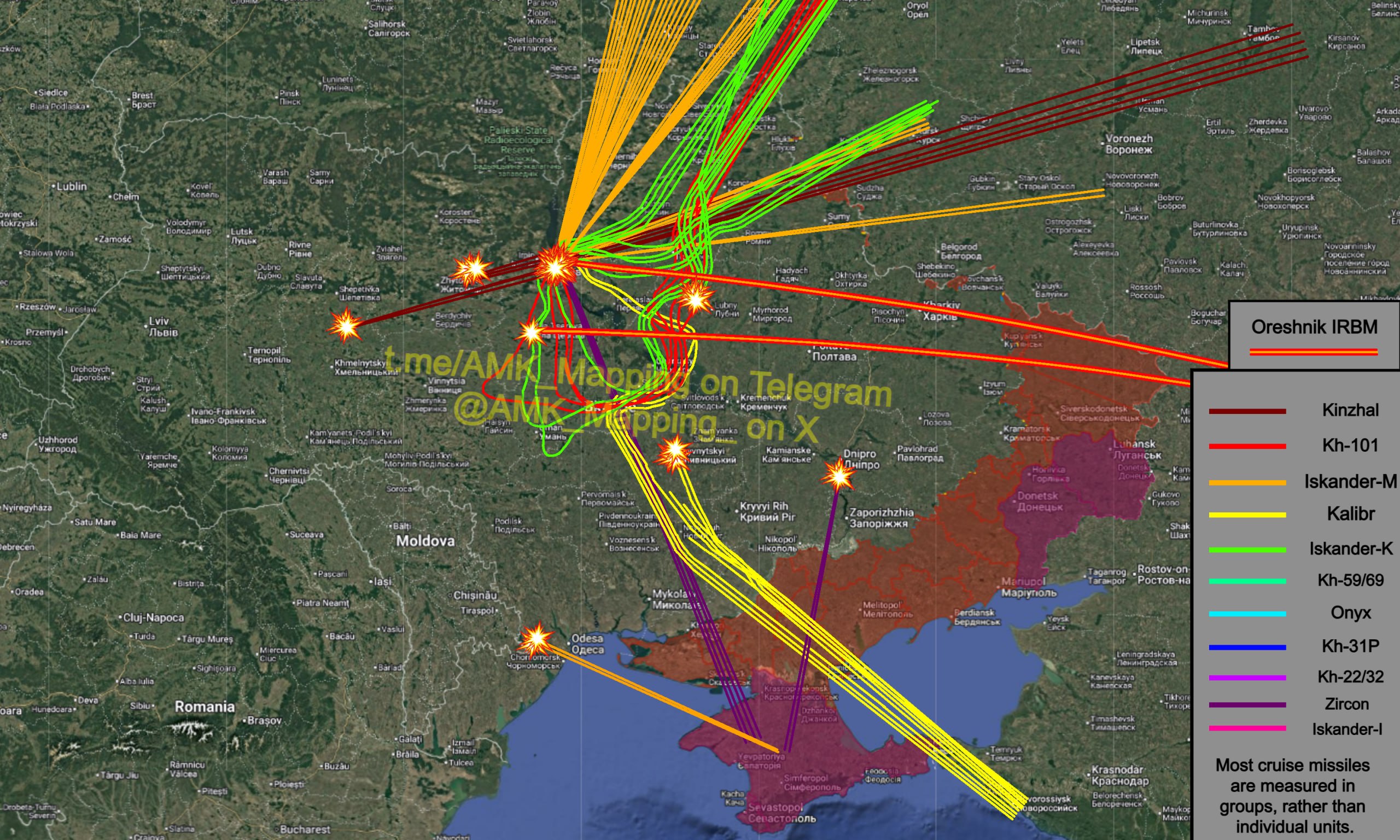
In the early hours of 24 May 2026, the Russian Ministry of Defense announced a coordinated strike involving Oreshnik, Iskander and hypersonic missiles against Ukraine, marking the most extensive ballistic missile operation recorded this year. The offensive, launched at 08:48:21 UTC, employed a mix of intermediate‑range and hypersonic weapons, including Oreshnik missiles, Iskander ballistic missiles and Zircon‑type hypersonic missiles, and was reported by monitor_the_situation via Telegram (source https://t.me/monitor_the_situation/17819). Russian officials framed the attack as retaliation for recent Ukrainian strikes on Russian civilian infrastructure.
Scale and Composition of the Russian Strike
The operation comprised approximately 20 Oreshnik missiles, 20 Iskander missiles and an undisclosed number of hypersonic projectiles. According to the Ministry of Defense, the missiles were launched from multiple platforms, including strategic bombers and ground‑based launchers, targeting key military and logistical nodes across western and central Ukraine. No immediate casualty figures were released, but the breadth of the strike suggests significant damage to command‑and‑control facilities, air defence installations and supply depots.
"The massive strike demonstrates Russia's capability to project power across the Ukrainian theater using a diversified missile portfolio," a senior analyst at the Institute for Strategic Studies wrote in a briefing released on the same day.
Ukrainian Counter‑Strikes and Regional Spill‑over
Later that morning, Ukrainian forces responded with a missile strike on a Russian Akhmat special battalion training ground in Kursk Oblast. The attack, reported by monitor_the_situation (source https://t.me/monitor_the_situation/17844), reportedly killed dozens of Russian personnel. The weapon used was identified as a precision‑guided missile, though the exact type was not disclosed. Video footage accompanying the report showed smoke rising from the training facility, confirming the strike’s impact.
In a separate, larger‑scale operation, Russian forces launched a combined missile and drone assault on multiple Ukrainian regions, deploying roughly 20 Kh‑101 cruise missiles from Tu‑95MS bombers, 20 Iskander‑K cruise missiles, and a fleet of drones. This attack, documented by GeoPWatch (source https://t.me/GeoPWatch/33919), involved over 100 missiles of various classes, including Kalibr, Iskander‑M, S‑400, Zircon, Kinzhal and Oreshnik. Ukrainian air defences intercepted at least 24 projectiles, but the sheer volume underscores a sustained escalation in kinetic warfare.
Casualties in Kyiv and International Diplomatic Response
Concurrent with the missile barrage, Russian air raids on Kyiv resulted in at least four civilian deaths—two within the capital and two in the surrounding region—and damage to 40 locations, as reported by AlJazeera (source https://www.aljazeera.com/news/2026/5/24/russian-attacks-on-ukraines-kyiv-kill-at-least-four-people?traffic_source=rss). The attacks prompted Ukraine to request emergency sessions of the United Nations Security Council and the Organization for Security and Co‑operation in Europe, a diplomatic move relayed by monitor_the_situation (source https://t.me/monitor_the_situation/17860).
Parallel Kinetic Incidents in South Asia
While Eastern Europe grappled with high‑intensity missile warfare, South Asia experienced a series of deadly bombings. In Balochistan, Pakistan, the Balochistan Liberation Army claimed responsibility for a bomb attack that killed more than 20 people (source AlJazeera). The same province saw a suicide car bomb targeting a military train in Quetta, resulting in dozens of soldier fatalities (source AlJazeera video), and a separate railway sabotage by the Baloch Liberation Army that derailed a train, killing 24 civilians and injuring over 100 (source CIG_telegram).
Middle Eastern Tensions and Aerial Threats
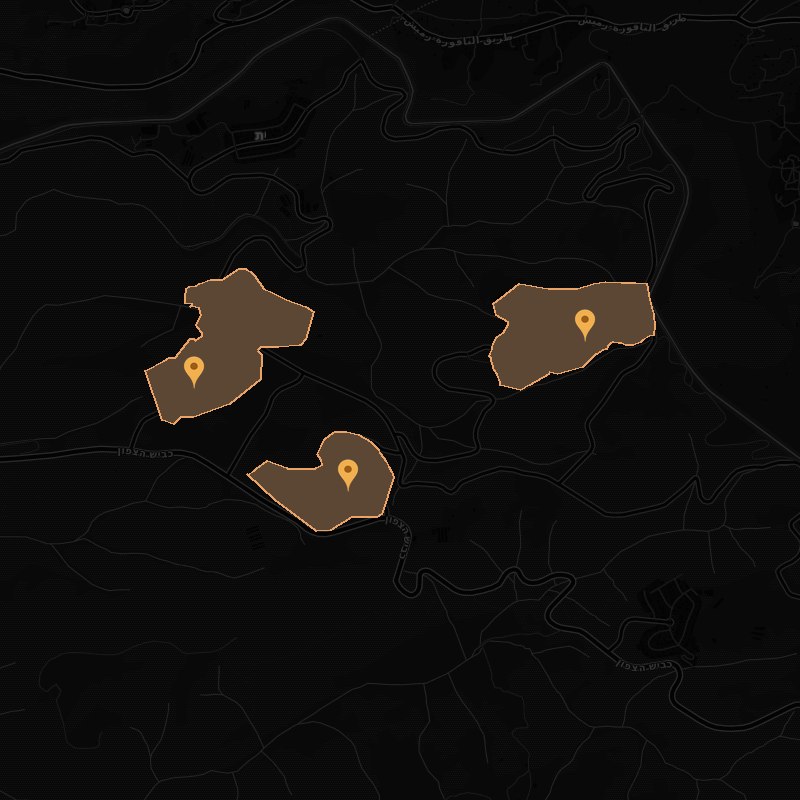
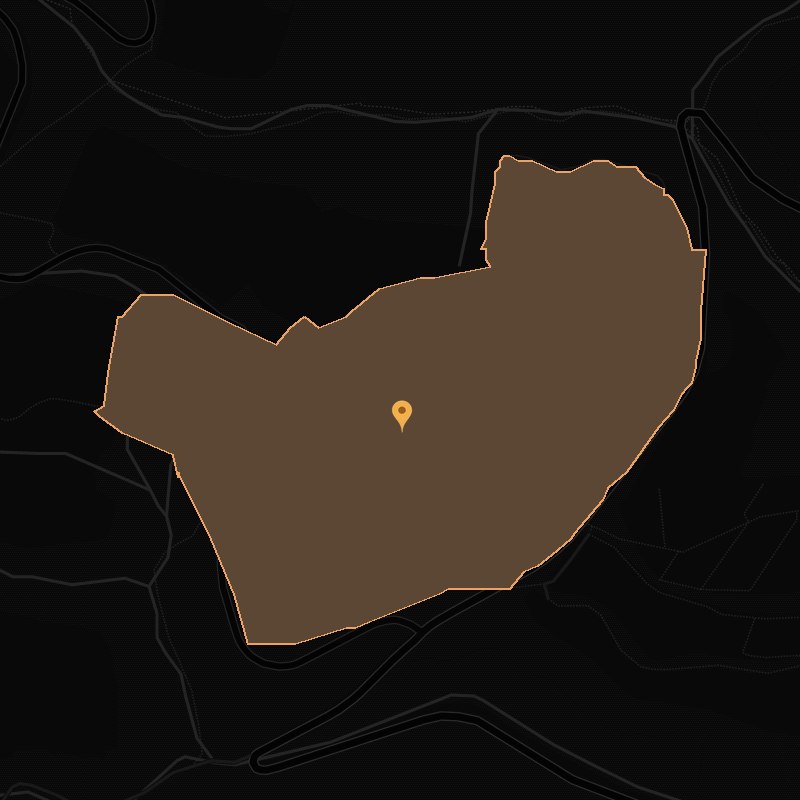
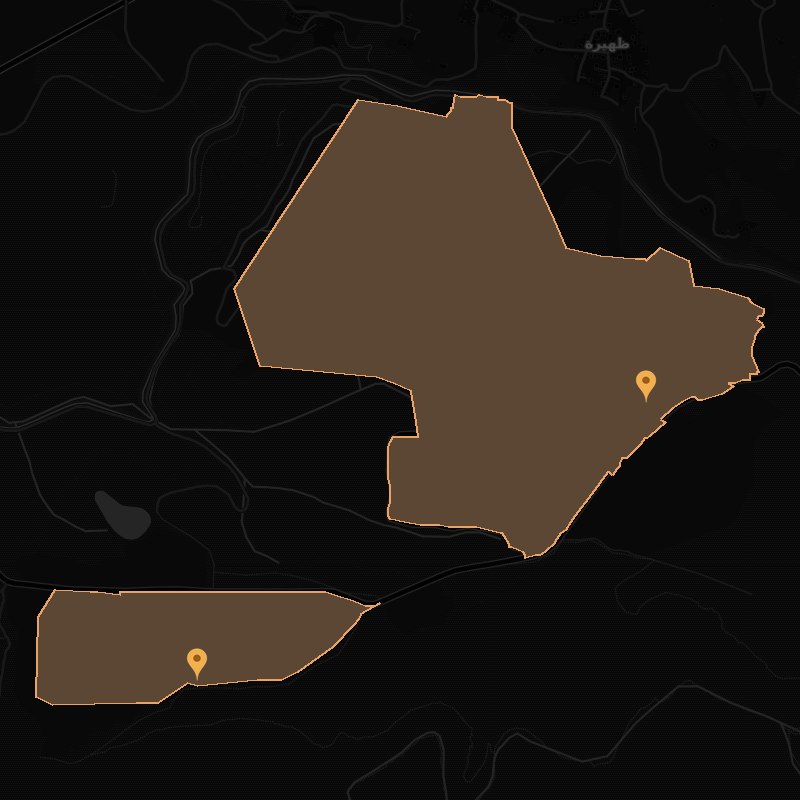
In the Levant, Israel continued its air campaign in Gaza, with a strike in central Gaza killing three civilians, including an infant (source monitor_the_situation). Simultaneously, Israel ordered the forced displacement of ten towns in southern Lebanon, heightening the humanitarian risk for civilians near the Hezbollah front (source monitor_the_situation).
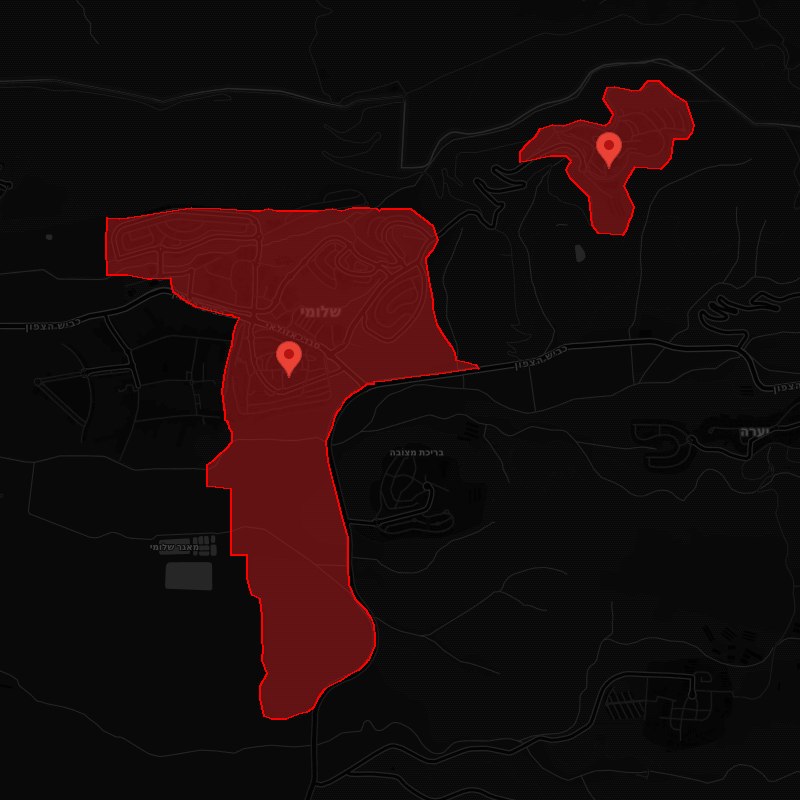
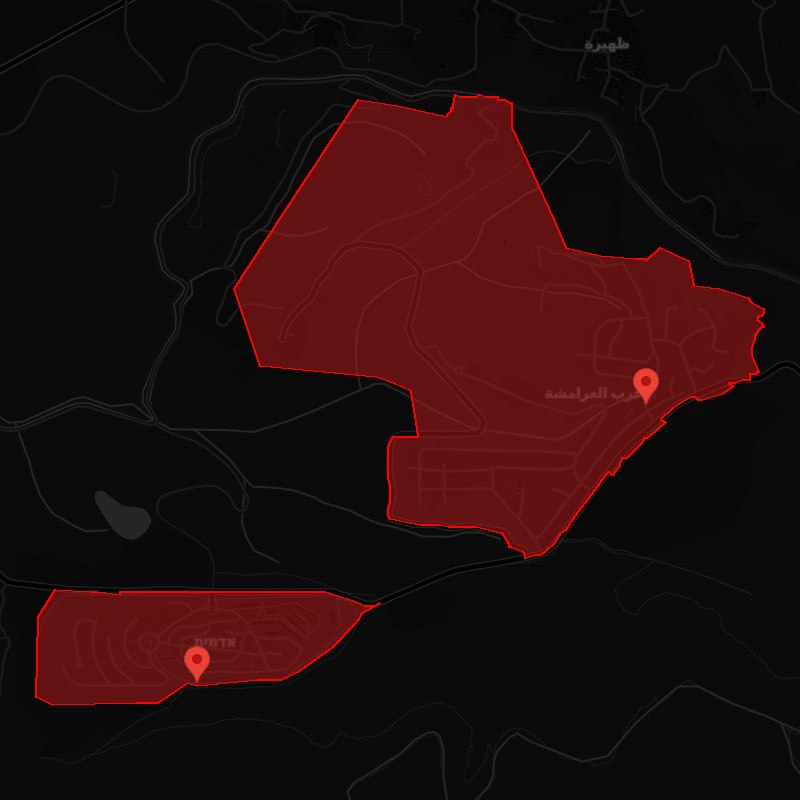
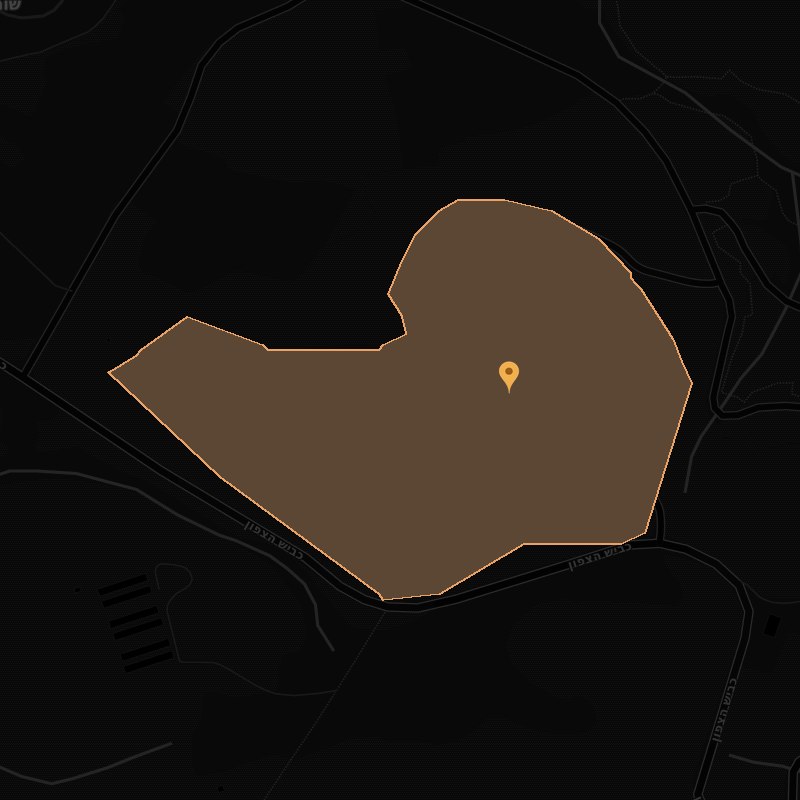
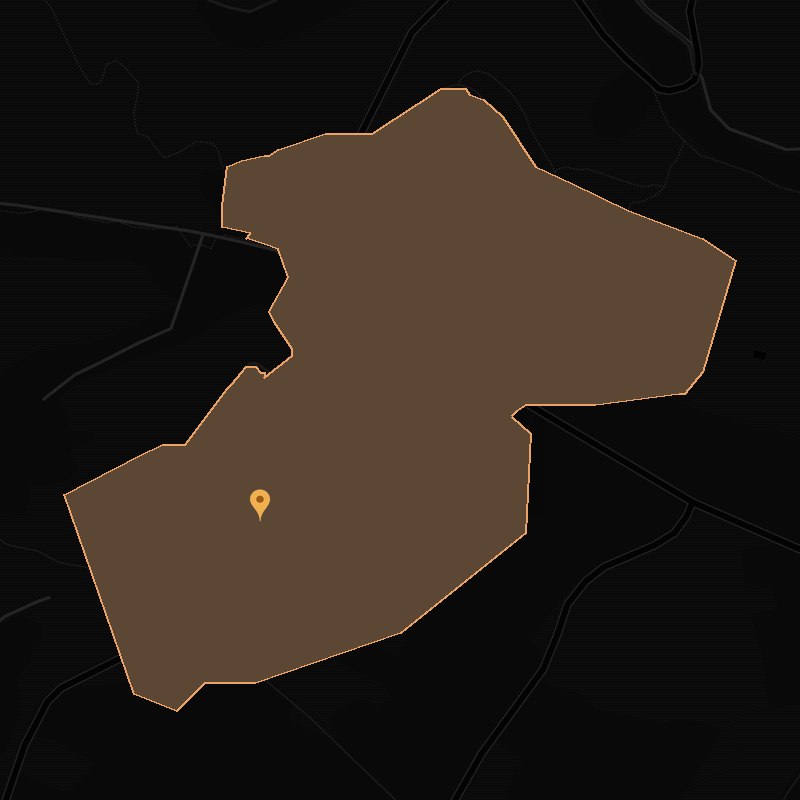
Airspace over the region saw a surge in hostile UAV alerts, documented by RocketAlert throughout the day. Alerts covered locations such as Hanita, Shlomi, Arab al‑Aramshe, Idmit, and Kiryat Shmona, indicating a persistent threat of drone incursions from Hezbollah or other actors. No casualties were reported from these alerts, but the frequency underscores a volatile aerial environment.
Iran‑U.S. Maritime and Aerial Developments
In the Persian Gulf, Iran and the United States extended a 60‑day cease‑fire concerning the Strait of Hormuz, with Iran agreeing to clear mines and the U.S. offering limited sanction waivers (source rnintel). Despite the diplomatic progress, Iranian forces intercepted an Israeli Orbiter reconnaissance drone over Hormozgan Province, and Iranian air defenses shot down another Israeli surveillance drone near Bandar Abbas (sources monitor_the_situation and rnintel). These incidents illustrate the continued kinetic contest over the Gulf’s airspace.
European Reactions and Media Coverage
European leaders issued a joint condemnation of the Russian strike on Kyiv, citing the use of Orekhnik missiles and demanding increased pressure on Moscow (source intelslava). The statement highlighted concerns over media suppression surrounding a separate massacre in Starobilsk, indicating broader anxieties about information control in the conflict.
Conclusion
The events of 24 May 2026 reflect a multi‑theater escalation of kinetic warfare, with Russia employing a diversified missile arsenal against Ukraine, Ukraine striking back at Russian military installations, and parallel violent incidents unfolding in South Asia, the Middle East and the Persian Gulf. The convergence of high‑precision missile strikes, drone engagements, and large‑scale bombings underscores the heightened risk of further civilian casualties and the importance of diplomatic channels to mitigate broader regional spill‑over.