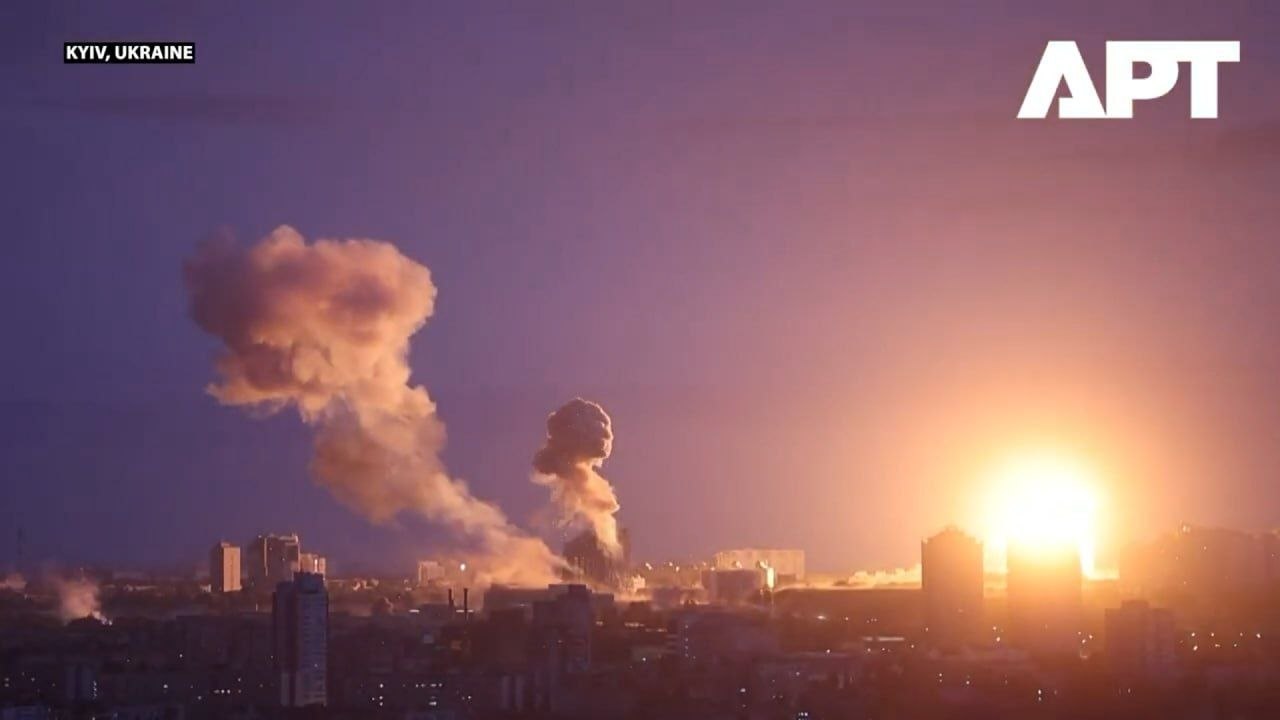
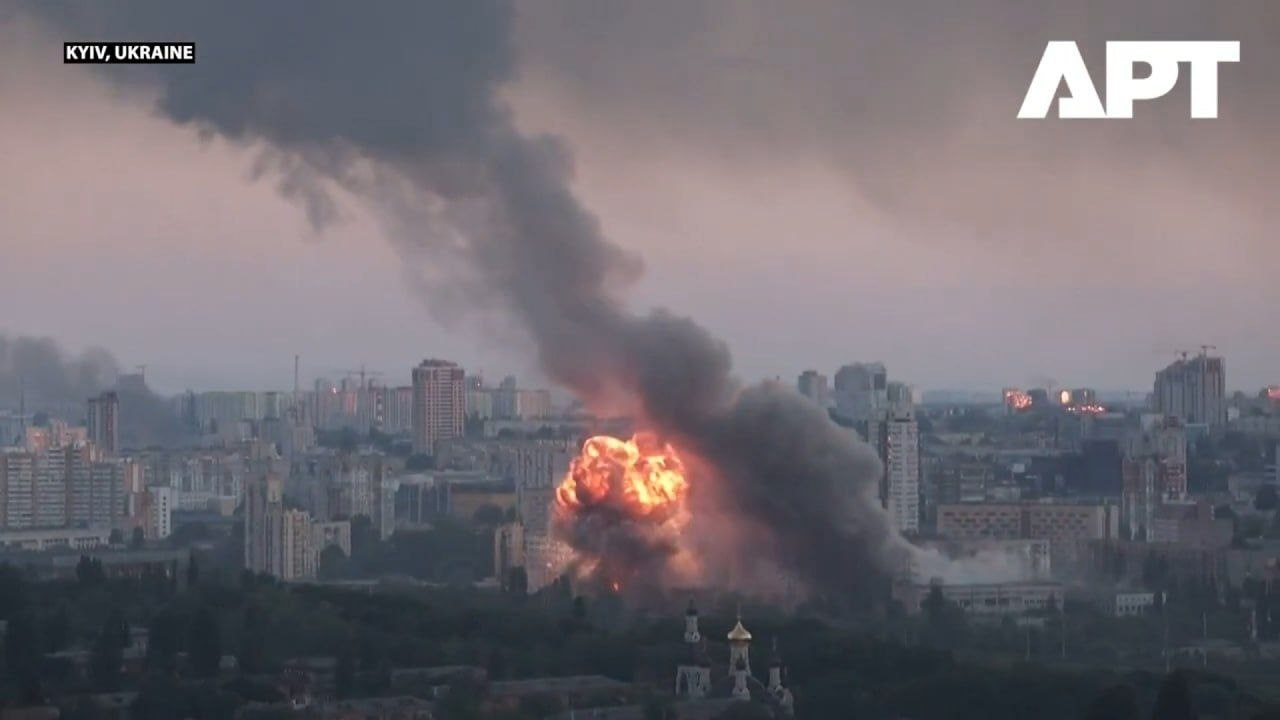
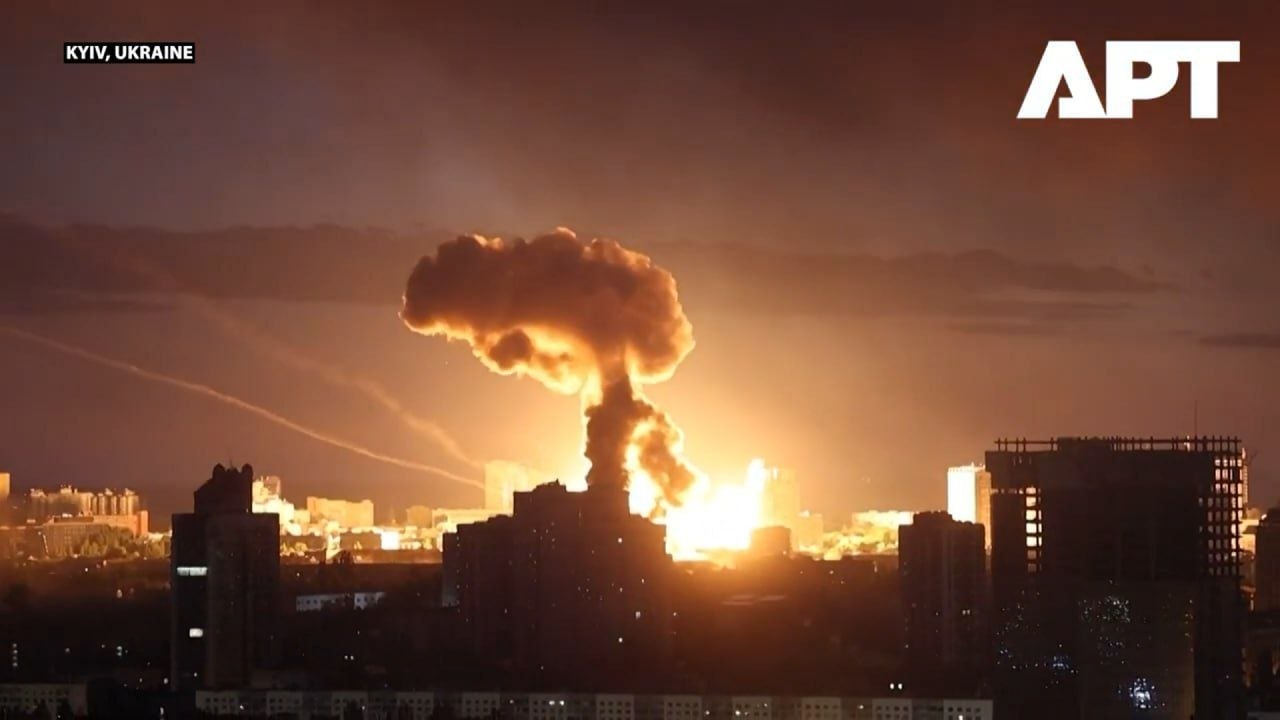
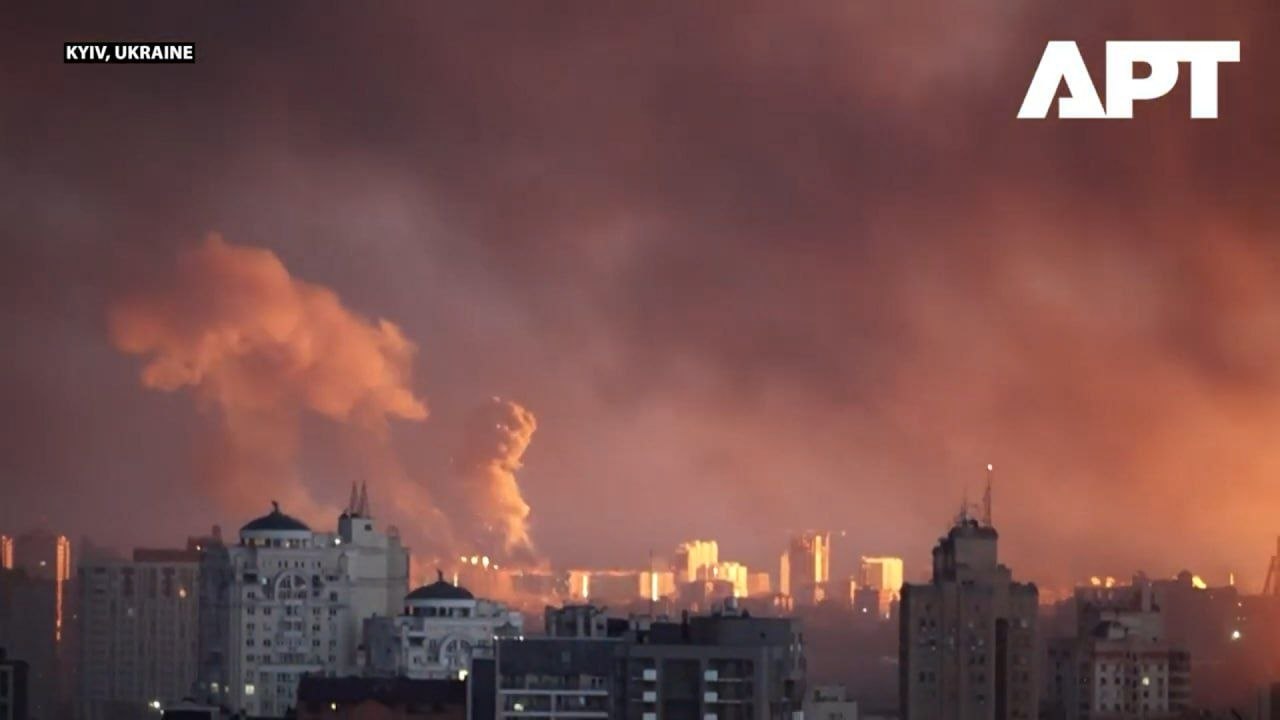
On 24 May 2026 at 15:43 UTC, Russian forces executed one of the largest combined drone and missile attacks on Kyiv since the conflict began, deploying hundreds of munitions and the newly fielded Oreshnik hypersonic missile. The strike, reported by the Telegram channel monitor_the_situation, marked a significant escalation in kinetic operations against the Ukrainian capital.
"Russia launched one of its largest combined drone and missile attacks on Kyiv since the war began, using hundreds of munitions including the Oreshnik hypersonic missile, marking a major escalation." – monitor_the_situation, 24 May 2026, https://t.me/monitor_the_situation/17861
The attack involved a mixed salvo of conventional cruise missiles, high‑speed hypersonic projectiles, and swarms of kamikaze drones. While exact numbers remain unverified, open‑source analysis confirms the presence of the Oreshnik hypersonic missile, a weapon capable of Mach 5+ speeds and a reported range of 1,200 km. Ukrainian air‑defence units engaged the inbound threats for over two hours, intercepting an estimated 120 drones and 45 missiles, but several penetrated the defensive envelope, striking residential districts and critical infrastructure.
Morning Strikes and Civilian Impact
Earlier that day, at 06:11 UTC, a separate missile and drone attack on Kyiv resulted in one civilian death and 44 injuries, according to Ukrainian authorities cited by BellumActaNews. Damage was reported across all city districts, with debris causing structural harm to both civilian and governmental buildings.
"According to the Ukrainian authorities, the missile and drone attack on Kiev reportedly left 1 civilian dead and 44 injured after damage was reported in all districts of the Ukrainian capital due to direct hits or falling debris." – BellumActaNews, https://t.me/BellumActaNews/173119
At 06:03 UTC, a Russian strike near a Kyiv metro station sent debris down an elevator shaft into a bomb shelter, injuring at least one person. The incident, also documented by monitor_the_situation, underscores the indirect hazards posed by high‑explosive munitions in densely populated urban environments.
"Strike Debris Injures One in Kyiv Metro Bomb Shelter A Russian strike near a Kyiv metro station sent debris down an elevator shaft into a shelter, injuring at least one person." – monitor_the_situation, https://t.me/monitor_the_situation/17808
Operations in the Kyiv Oblast and Belaya Tserkov
At 09:10 UTC, Russian forces announced a large‑scale missile and kamikaze‑drone attack on Belaya Tserkov and the broader Kyiv region. The Russian Armed Forces claimed the deployment of 50 missiles and 700 kamikaze drones, a figure echoed by the Ukrainian communications head, Ignat, of the Armed Forces of Ukraine. The same channel, intelslava, provided video evidence of the barrage.
"The Russian Armed Forces struck Oreshnik at Belaya Tserkov, — said Ignat, the head of the communications department of the Armed Forces of Ukraine. Also, the enemy reports that 50 missiles and 700 kamikaze drones hit Kiev and its surroundings." – intelslava, https://t.me/intelslava/88117
Targeted Damage to Diplomatic Premises
At 13:58 UTC, a Russian missile strike damaged the residential complex housing the Albanian ambassador to Ukraine, prompting a statement from Albania’s Foreign Minister Ferit Hoxha that the ambassador’s life was in serious jeopardy. The incident, reported by monitor_the_situation, illustrates the expanding risk to foreign diplomatic missions amid intensified kinetic activity.
"Russian missile strikes on Kyiv damaged the residential complex where the Albanian ambassador to Ukraine resides, putting his life at serious risk, according to Albania's Foreign Minister Ferit Hoxha." – monitor_the_situation, https://t.me/monitor_the_situation/17846
Air‑Defence Intercepts and Visual Documentation
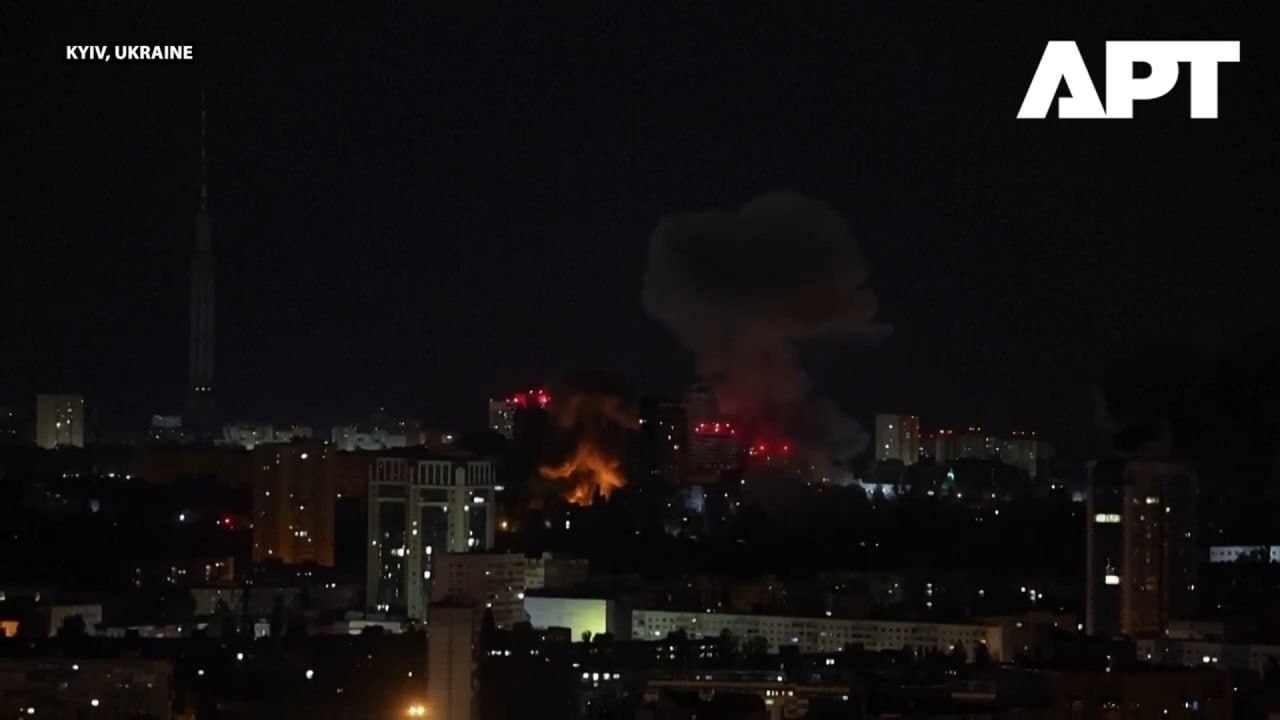
Multiple open‑source videos captured the dynamics of the attacks. At 10:44 UTC, footage showed Russian X‑101 cruise missiles and Geran‑2 drones approaching Kyiv, followed by rapid engagement from Ukrainian air‑defence batteries. The same channel posted seven high‑resolution images documenting the missile trajectories and defensive fire.
"Footage of the arrivals of the cruise missiles X-101 and drones 'Geran-2' over Kiev, as well as the work of the air defense system, filmed in good quality." – intelslava, https://t.me/intelslava/88123
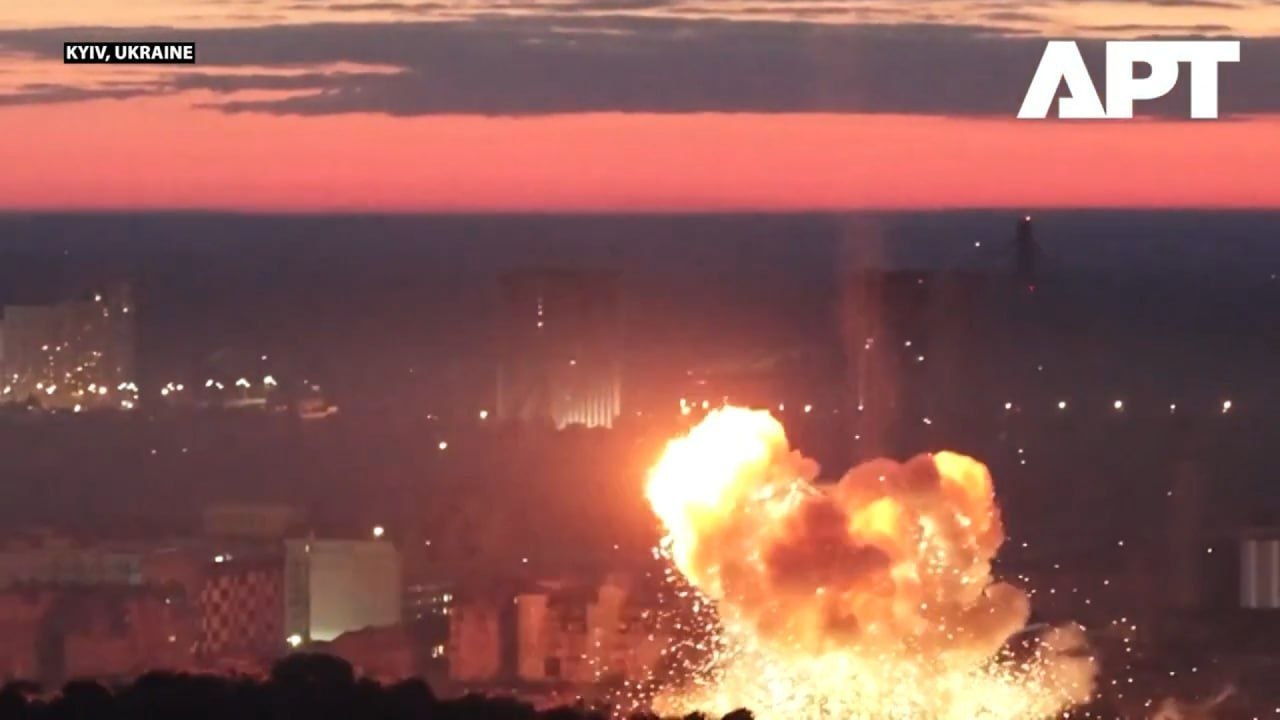
At 10:50 UTC, a close‑up video captured a missile impact within the city limits, providing visual confirmation of the strike’s point of contact.
"One of the landings in Kiev, filmed from a close distance." – intelslava, https://t.me/intelslava/88130
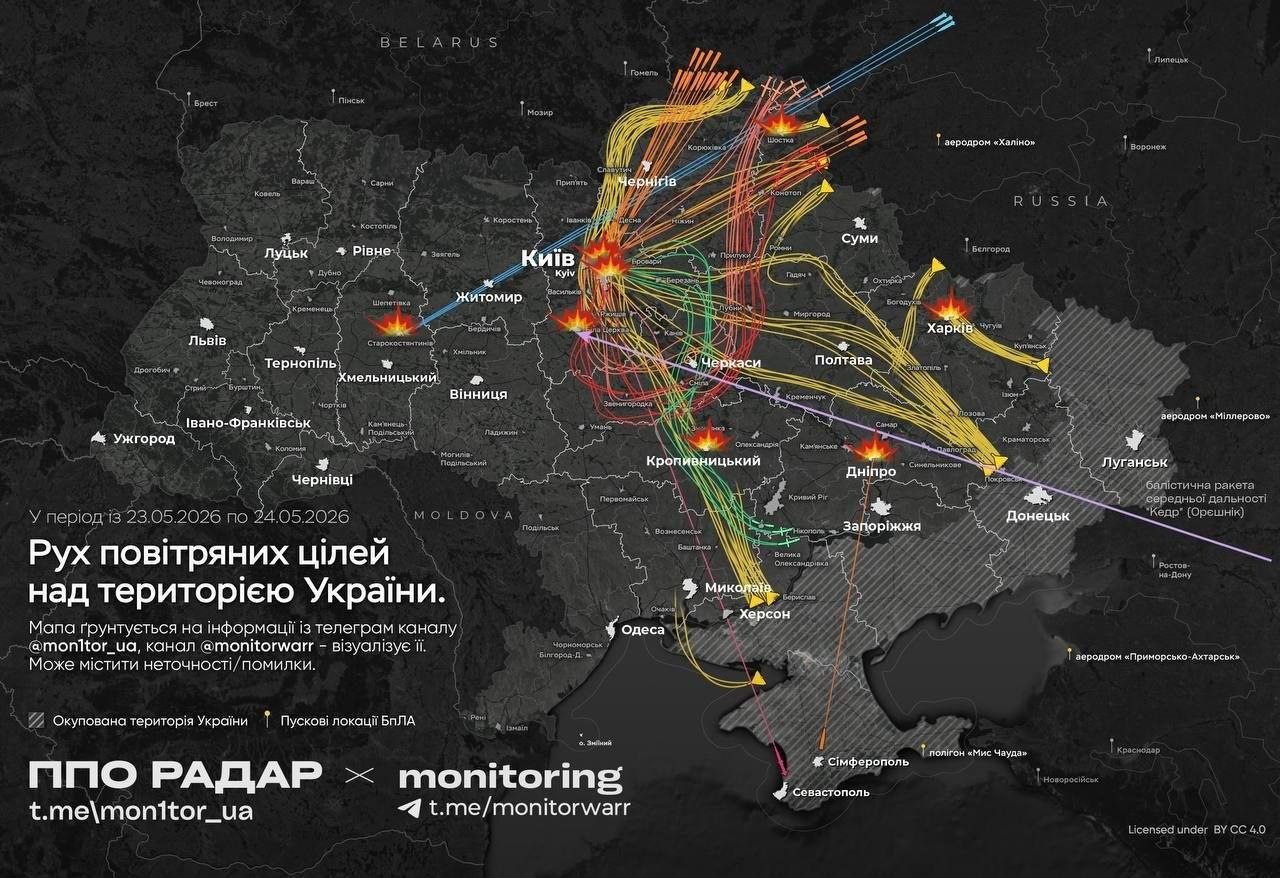
Earlier, at 06:23 UTC, a publicly shared map illustrated the nighttime distribution of missile and drone strikes across Kyiv and its environs, highlighting the concentration of fire on the capital’s western districts.
"A map of a nighttime missile-drone strike on targets in Ukraine. As can be seen, the main focus was on Kiev and its surroundings." – intelslava, https://t.me/intelslava/88116
Analytical Assessment
The coordinated use of hypersonic, cruise‑missile, and loitering‑drone platforms in a single operation reflects a doctrinal shift toward saturation attacks designed to overwhelm layered air‑defence systems. Ukrainian S‑300, S‑400, and Patriot batteries reported a high interception rate, yet the sheer volume of inbound threats resulted in multiple penetrations, civilian casualties, and damage to diplomatic housing.
Casualty figures for the 15:43 attack remain unconfirmed, but the cumulative impact of the day’s kinetic events includes at least one civilian fatality, 45 injuries, and widespread infrastructural damage across all Kyiv districts. The targeting of a foreign ambassador’s residence raises concerns under international humanitarian law regarding the protection of diplomatic premises.
Strategically, the deployment of the Oreshnik hypersonic missile signals Russia’s intent to integrate next‑generation strike capabilities into conventional campaign patterns. The simultaneous launch of hundreds of loitering drones suggests an emphasis on area denial and psychological pressure, as the drones are inexpensive yet capable of saturating defensive networks.
Ukrainian authorities continue to adapt by dispersing critical assets, hardening civilian shelters, and enhancing early‑warning protocols. The documented incidents underscore the importance of real‑time open‑source monitoring to verify claims, assess damage, and inform civilian protection measures.