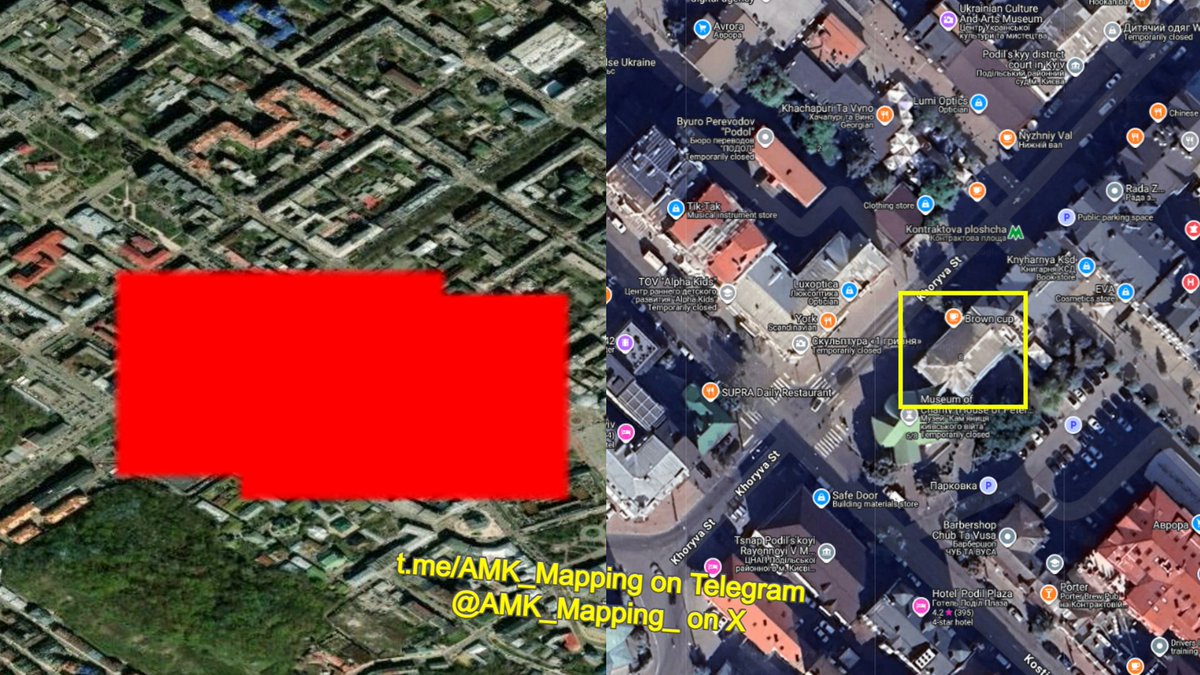
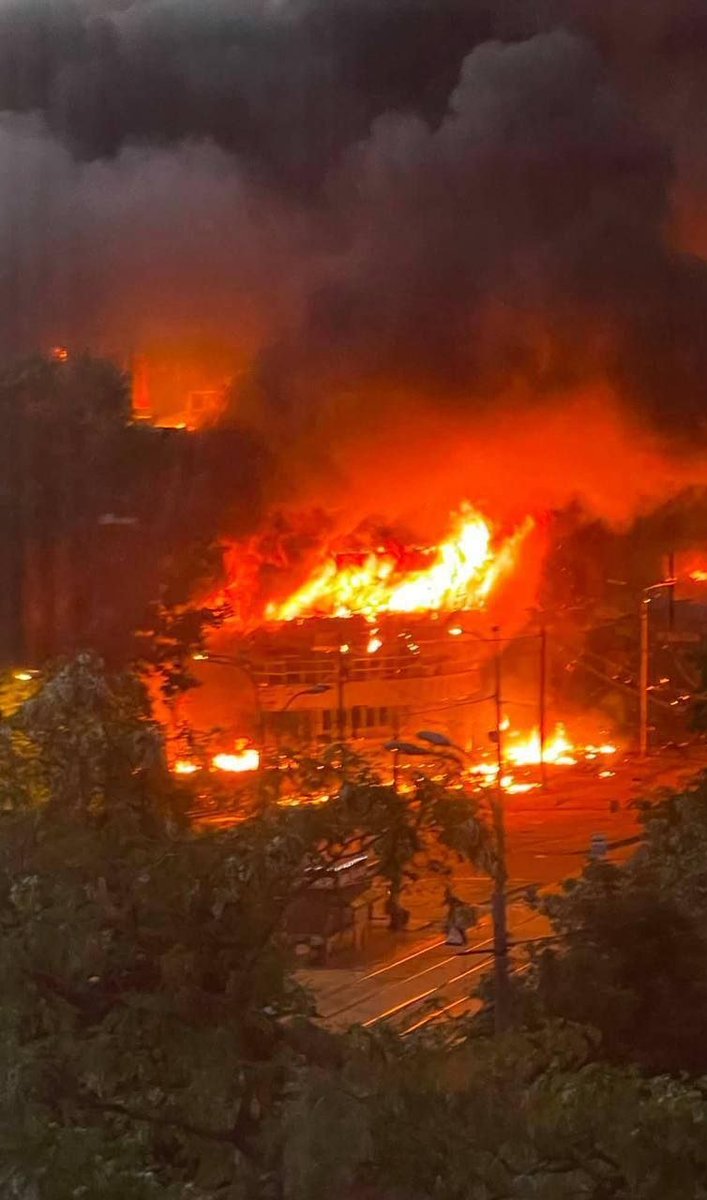
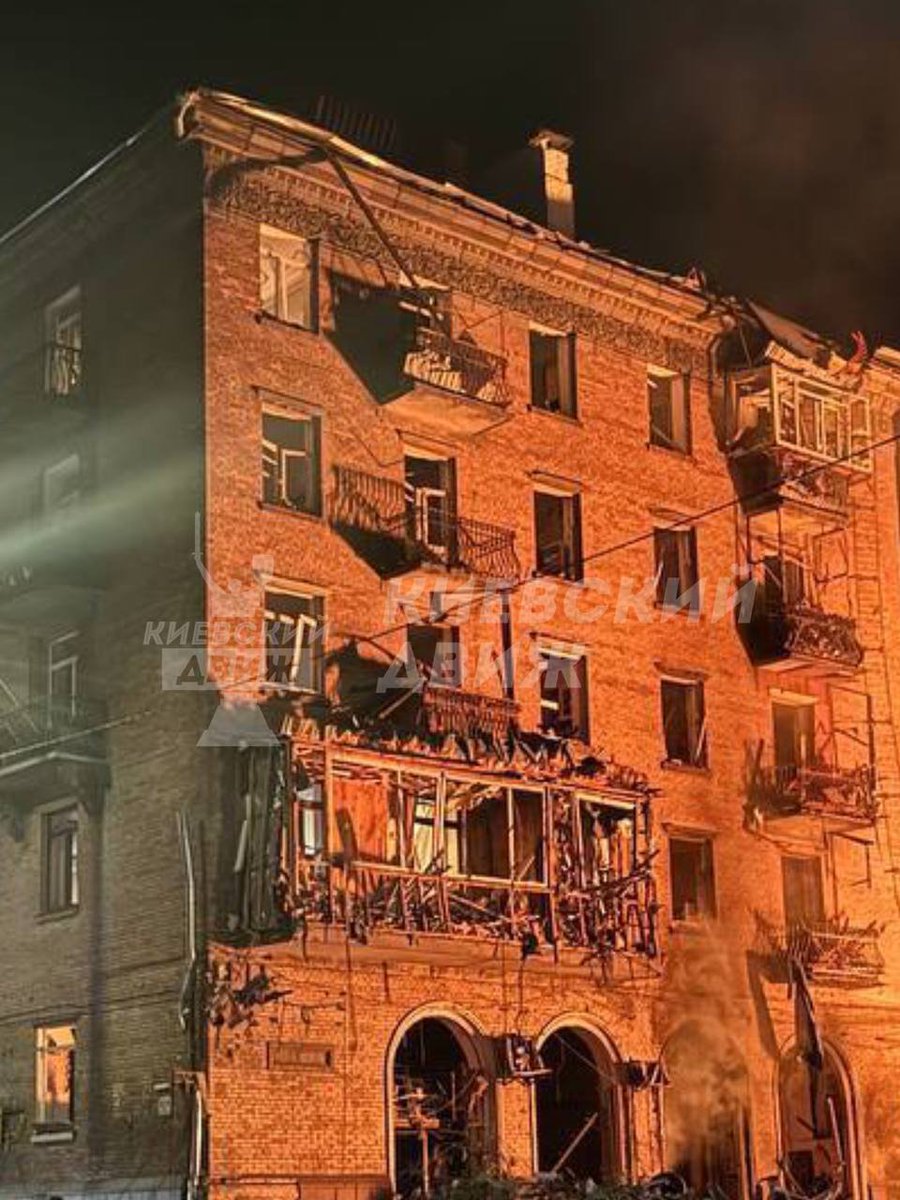
On 24 May 2026 a coordinated wave of Russian kinetic attacks struck the Ukrainian capital, Kyiv, resulting in multiple fires, structural damage and a heightened threat environment. The most consequential strike occurred at 05:43 UTC when a Russian missile hit the Security Service of Ukraine (SBU) office in the Podilskyi District, igniting a large fire that was later confirmed by NASA FIRMS satellite data.
"Russian Missile Strikes Hit SBU Office in Kyiv, Causing Large Fire" – monitor_the_situation, 05:43 UTC, https://t.me/monitor_the_situation/17806
The impact on the SBU facility did not immediately produce casualty figures, but the fire forced the evacuation of personnel and disrupted intelligence operations in the district. The incident underscores the strategic intent to target Ukrainian security infrastructure.
Secondary High‑Impact Strikes in Kyiv
Within minutes of the SBU attack, a second missile struck a shopping centre and office complex in the Lukyanivka District at 05:32 UTC. Video evidence captured the blast and subsequent damage, confirming the use of an unguided or precision‑guided missile system. No fatalities were reported, but the structure sustained heavy damage, temporarily halting commercial activity in the area.
"Russia Missile Strike Hits Shopping Center in Lukyanivka District" – monitor_the_situation, 05:32 UTC, https://t.me/monitor_the_situation/17798
Later in the early morning, at 01:55 UTC, a Russian Oreshnik intermediate‑range ballistic missile (IRBM) impacted Kyiv, accompanied by a mixed salvo of Iskander‑M, Iskander‑K, Kh‑101, Zircon missiles and Geran‑2 loitering drones. The combined strike pattern indicates a deliberate effort to saturate air‑defence systems and maximize target coverage across the city.
"BREAKING: A Russian Oreshnik IRBM struck Kyiv, Ukraine, earlier tonight. Iskander‑M, Iskander‑K, Kh‑101, and Zircon missiles, along with Geran‑2 drones, also targeted Kyiv overnight." – rnintel, 01:55 UTC, https://t.me/rnintel/61246
At 01:17 UTC, Russian forces launched a massive cruise‑missile barrage that included approximately 18 Kalibr, 20 Kh‑101, 20 Iskander‑K and 4 Zircon hypersonic missiles aimed at Kyiv, with additional Zircon missiles directed at Dnipro and Kalibr impacts reported in Kropyvnytskyi, Kirovohrad Oblast. The scale of this barrage represents one of the most extensive kinetic operations against Ukrainian urban centers in the conflict to date.
"Russia Launches Massive Cruise Missile Barrage on Kyiv, Other Ukrainian Cities" – monitor_the_situation, 01:17 UTC, https://t.me/monitor_the_situation/17785
Urban Fires and Commercial Damage
Following the missile barrage, large‑scale fires erupted throughout Kyiv, as documented by multiple video feeds. The fires originated from impact sites at the Kvadrat shopping centre, the Desnianskyi district supermarket, and residential blocks in Obolonskyi, Dniprovskyi and Pecherskyi districts. Drone strikes contributed to the conflagrations, with a Shahed‑type UAV hitting a nine‑story apartment building in Cherkasy, causing extensive structural damage.
"Russian Shahed Drone Hits Apartment Building in Cherkasy" – monitor_the_situation, 05:29 UTC, https://t.me/monitor_the_situation/17797
At 05:35 UTC an Iskander‑K cruise missile produced a visible impact and smoke plume over Kyiv, confirming the continued use of short‑range cruise missiles in the city’s airspace.
"Russian Iskander‑K Cruise Missile Strikes Kyiv" – monitor_the_situation, 05:35 UTC, https://t.me/monitor_the_situation/17801
UAV and Drone Activity
UAV traffic over the capital was reported at unprecedented levels. Ukrainian sources indicated that approximately 700 UAVs and 50 missiles traversed the Kyiv region, targeting around 40 distinct objects. The density of unmanned systems reflects a shift toward swarm tactics intended to overwhelm defensive networks.
"Ukrainian sources report about 700 UAVs and fifty missiles were flown over the Kiev region and Kiev itself, attacking about 40 targets." – intelslava, 05:53 UTC, https://t.me/intelslava/88115
Specific drone attacks included a strike on a supermarket in Desnianskyi district and multiple residential buildings, all resulting in fires and property loss. The use of Shahed drones against civilian infrastructure in Cherkasy further illustrates the breadth of the aerial campaign.
Satellite Confirmation and Visual Evidence
NASA’s FIRMS (Fire Information for Resource Management System) detected thermal anomalies corresponding to the SBU office fire and subsequent urban blazes, providing independent verification of the kinetic events. Video footage from various Telegram channels captured the arrival of X‑101 cruise missiles over Kyiv at 05:52 UTC, as well as the launch of an Oreshnik IRBM from the Kapustin Yar test range in Russia at 00:06 UTC.
"Footage shows the launch of an Oreshnik intermediate‑range ballistic missile (IRBM) from the Kapustin Yar Test Range, Astrakhan Oblast." – intelslava, 00:06 UTC, https://t.me/intelslava/88095
Operational Assessment
The coordinated missile and drone strikes demonstrate a multi‑layered approach by Russian forces to degrade Ukrainian command, control, and civilian morale. By targeting the SBU headquarters, commercial hubs, and residential districts simultaneously, the offensive aimed to stretch air‑defence resources, create widespread disruption, and generate media‑visible fires. The inclusion of hypersonic Zircon missiles and long‑range Oreshnik IRBMs indicates an escalation in weapon sophistication, while the sheer volume of UAVs suggests an operational emphasis on saturation tactics.
Ukrainian air‑defence systems reported multiple interceptions, yet the sheer number of inbound threats resulted in several penetrations. The lack of immediate casualty data for many strikes may reflect delayed reporting or successful evacuation procedures. However, the cumulative effect on infrastructure, emergency services and civilian displacement is significant.
Implications for the Conflict
These kinetic events reinforce the pattern of intensified Russian kinetic operations against Ukrainian urban centers observed throughout 2026. The targeting of intelligence facilities, commercial centres and residential blocks aligns with a broader strategy to undermine governance capacity and erode public confidence. The high‑profile nature of the attacks, combined with extensive visual documentation, is likely to influence both domestic and international perceptions of the conflict’s trajectory.
Continued monitoring of satellite fire data, open‑source video, and official statements will be essential to assess the evolving threat environment and to gauge the effectiveness of Ukrainian defensive measures.