On 23 May 2026, the most lethal kinetic event in Ukraine occurred in the occupied town of Starobelsk, Luhansk People’s Republic (LNR). Ukrainian‑operated drones struck a local college, killing sixteen children, injuring fifty‑eight others, and leaving five individuals trapped beneath the rubble. The Russian Emergency Situations Ministry confirmed the casualty figures and described the attack as a deliberate targeting of civilian infrastructure. The incident, reported by the Telegram channel intelslava, marks a stark escalation in the use of unmanned aerial systems against non‑military sites in the contested eastern regions.
"The number of children killed in the attack by Ukrainian drones on a college in Starobelsk in the LNR has risen to 16," the ministry statement read, adding that rescue crews continue to search for the five persons still buried.
Russian Missile Strike on UNHCR Warehouse in Dnipro
At 10:44 UTC, a Russian missile hit a United Nations High Commissioner for Refugees (UNHCR)‑leased food warehouse in Dnipro, Dnipropetrovsk Oblast. The strike resulted in two fatalities and six injuries. Russian sources, cited by the Telegram channel monitor_the_situation, claimed the target was a UAV production facility, a justification not corroborated by independent observers. The warehouse, part of a humanitarian supply chain for internally displaced persons, underscores the growing risk to civilian aid infrastructure in contested zones.
Airstrikes on Energy Facilities in Kharkiv and Poltava
Later in the afternoon, at 13:39 UTC, Russian air assets conducted strikes on oil and gas installations in the Kharkiv and Poltava regions. According to monitor_the_situation, the attacks were part of a broader campaign to degrade Ukraine’s energy logistics. No casualties were reported, but the strikes temporarily halted output at several processing sites, potentially affecting regional fuel supplies and industrial output.
Explosive Incidents Near Pokrovsk
At 12:48 UTC, Russian forces near Pokrovsk, Donetsk Oblast, detonated concealed Ukrainian mines. Video footage released by the 14th Ivan Bohun National Guard Brigade showed Russian troops inadvertently triggering explosive devices laid by Ukrainian sappers and drone operators. The incident highlights the continued effectiveness of Ukraine’s mine‑laying tactics in restricting Russian maneuverability along key supply routes.
Ukrainian Marine Assault on UAV Launch Facility in Oleshky
In the same minute, Ukrainian forces from the 34th Marine Brigade targeted a building in occupied Oleshky, Kherson Oblast, used by Russian units to launch UAVs. The operation, reported by monitor_the_situation, aimed to disrupt aerial reconnaissance and strike capabilities. Russian media cited “heavy losses” among UAV operators, though independent verification of casualty numbers remains pending.
Ukrainian Drone Campaign in Occupied Luhansk Oblast
At 11:02 UTC, the Security Service of Ukraine (SBU) and the 1st SBS Center deployed FirePoint‑2 drones against multiple Russian logistics nodes across occupied Luhansk Oblast. Targets included a rail echelon, fuel tanks, ammunition depots, UAV repair workshops, telecommunications infrastructure, and a troop deployment site. Video evidence posted on monitor_the_situation shows several drones striking the identified facilities, suggesting a coordinated effort to impair Russian supply chains.
Ukrainian Counter‑offensive in Lyman Area
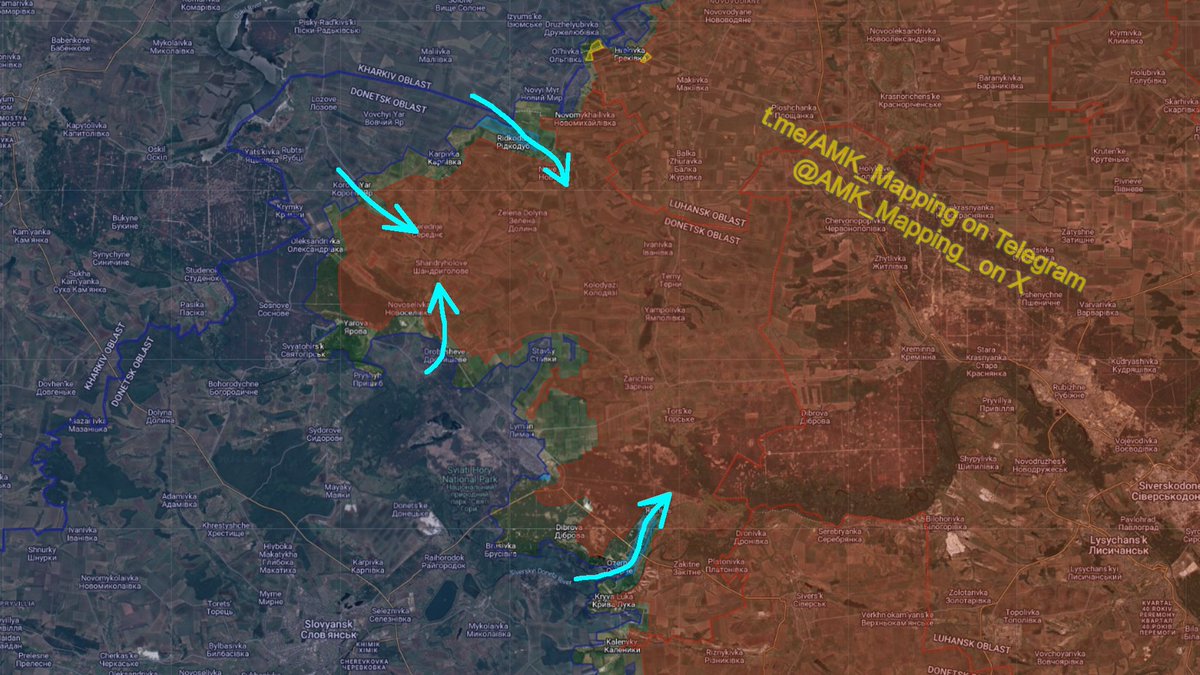
Early in the day, at 08:54 UTC, Ukrainian forces, including elements of the Azov regiment, launched coordinated ground counter‑attacks toward the villages of Nove and Katerynivka in the Lyman sector of Donetsk Oblast. Photographic material released by monitor_the_situation depicts advancing infantry and armored support moving along multiple axes. While no immediate casualty figures were released, the operation indicates a renewed push to reclaim territory in the Donetsk frontline.
Collectively, these events illustrate a multi‑dimensional kinetic environment in Ukraine on 23 May 2026. The use of drones—both offensive and defensive—remains a central feature, with Ukrainian UAVs targeting Russian logistics and Russian forces employing aerial strikes to pressure civilian and energy infrastructure. Simultaneously, conventional artillery, missile, and ground maneuvers continue to shape the tactical landscape across the eastern and southern theatres. The convergence of high‑profile civilian casualties, such as the Starobelsk college attack, with strategic strikes on supply and energy nodes underscores the widening scope of the conflict and the heightened risk to non‑combatants and humanitarian operations.