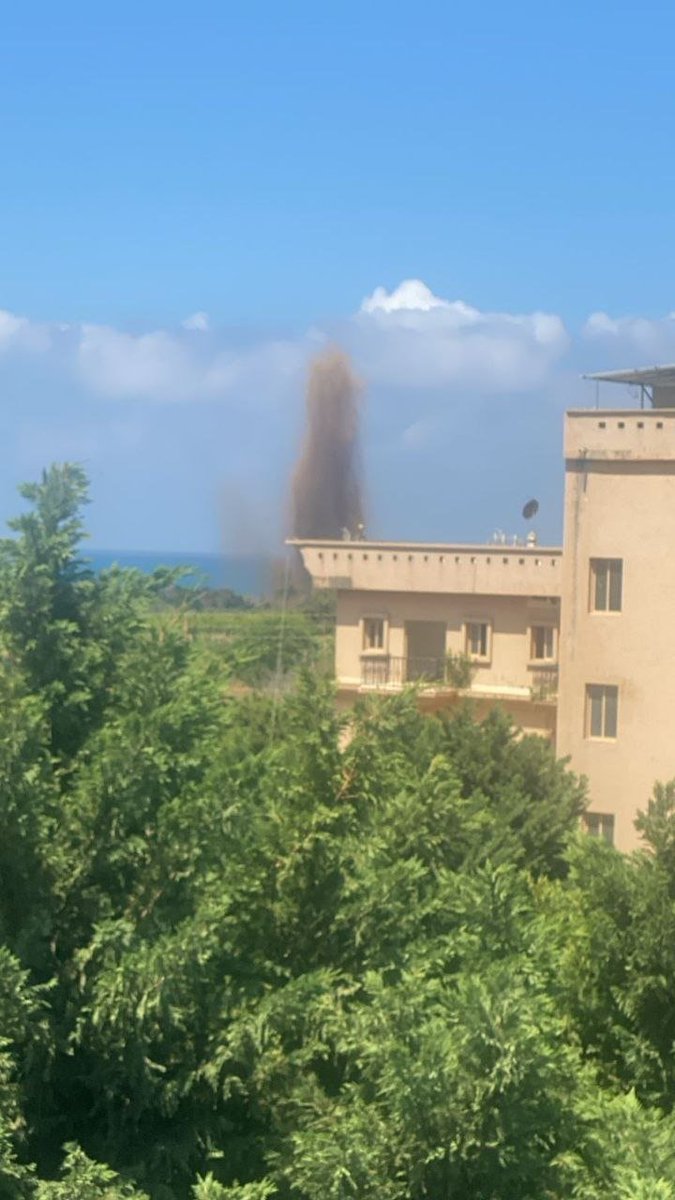
On 23 May 2026, Israeli air operations in southern Lebanon escalated dramatically, beginning with a critical strike that wounded 25 health‑care workers near a hospital in the south. The attack, reported by the monitoring channel monitor_the_situation (source), marks the most severe kinetic event of the day and underscores the growing risk to medical facilities in the conflict zone.
Critical Strike Near Hospital – 15:21 UTC
At 15:21 UTC, Israeli aircraft conducted an airstrike within a short radius of a civilian hospital in southern Lebanon. While the strike did not directly hit the hospital structure, shrapnel and blast effects injured 25 health‑care personnel, including doctors, nurses and support staff. No fatalities were reported, but the injuries have strained already limited medical capacity in the region. The incident was captured on video and disseminated by monitor_the_situation, highlighting the proximity of the blast to the medical facility.
"Israeli airstrikes near a hospital in southern Lebanon wounded 25 health workers, escalating the conflict and targeting medical infrastructure." – monitor_the_situation, 23 May 2026
Residential Building Strike – 16:22 UTC
Just an hour later, at 16:22 UTC, another Israeli airstrike hit a residential building in the same southern district, killing five civilians, including children. The strike was also reported by monitor_the_situation (source). The building, located in a densely populated neighbourhood, collapsed after the impact, trapping survivors under rubble. Israeli forces have not confirmed the target, but the presence of Hezbollah operatives in the area has been cited as a possible justification.
"An Israeli airstrike hit a residential building in southern Lebanon, killing five people including children, amid ongoing cross‑border hostilities with Hezbollah." – monitor_the_situation, 23 May 2026
Al‑Baqbouq Area Attack – 12:54 UTC
Earlier in the day, at 12:54 UTC, an Israeli air strike struck the Al‑Baqbouq area north of Tyre. According to Al Jazeera (source), the blast caused numerous injuries among civilians fleeing the site. The exact number of casualties has not been independently verified, but local health officials reported at least a dozen wounded, many with shrapnel injuries.
Cross‑Border Air Campaign – 09:30 UTC
At 09:30 UTC, Israeli aircraft conducted a series of attacks across southern Lebanon and the adjacent Syrian border, despite a declared cease‑fire. Al Jazeera described the operations as creating a state of "psychological terror" among residents (source). The weapons employed were conventional aircraft‑delivered munitions; no specific armaments were disclosed. The strikes targeted both civilian infrastructure and suspected Hezbollah positions, prompting mass displacement orders from local authorities.
Hezbollah‑Focused Wave – 08:13 UTC
At 08:13 UTC, the Israeli Air Force launched a coordinated wave of strikes aimed at Hezbollah strongholds throughout southern Lebanon, including the city of Nabatiyeh. The operation, reported by monitor_the_situation (source), involved precision strikes on known command‑and‑control sites, weapons caches, and training facilities. While the Israeli side claimed successful degradation of Hezbollah capabilities, Lebanese officials noted damage to civilian structures and reported several injuries among non‑combatants.
Al‑Shahabiya and Al‑Tayyiba Demolitions – 07:12 UTC
Shortly before the Nabatiyeh wave, at 07:12 UTC, an Israeli strike hit the town of Al‑Shahabiya, causing extensive demolition in the nearby village of Al‑Tayyiba. Video evidence shared by monitor_the_situation (source) shows the blast’s impact radius, with several homes reduced to rubble. No casualty figures were released, but local witnesses reported at least three injured civilians.
Hezbollah Drone Counter‑Attack – 12:32 UTC
In a separate kinetic event, Hezbollah released footage on 21 May of an FPV (first‑person view) drone striking an Israeli Defense Forces (IDF) excavator in Deir Seryan, southern Lebanon. The video, posted by GeoPWatch (source), demonstrates Hezbollah’s use of low‑cost, commercially available drone technology to target Israeli engineering assets. While the incident occurred two days earlier, its release on 23 May highlights the ongoing tit‑for‑tat dynamic between the parties.
"Hezbollah published footage of the targeting of an IDF Excavator using an FPV drone in southern Lebanon's 'Deir Seryan' on the 21st of May." – GeoPWatch, 23 May 2026
Bekaa Valley Weapons Site Strike – 07:28 UTC
At 07:28 UTC, the Israeli Air Force bombed an underground Hezbollah weapons production facility in the Bekaa Valley, as well as additional infrastructure near Tyre. The operation, detailed by monitor_the_situation (source), aimed to disrupt the manufacturing of rockets and mortars destined for southern Lebanon. While the strike reportedly destroyed key production equipment, the Israeli statement did not disclose any civilian casualties, though nearby villages reported hearing loud explosions and temporary evacuations.
Collectively, these events illustrate a marked intensification of kinetic operations by Israeli forces across multiple fronts in Lebanon on 23 May 2026. The targeting of health‑care personnel, residential structures, and civilian‑adjacent infrastructure raises significant humanitarian concerns, while the simultaneous strikes on Hezbollah assets indicate a strategic effort to degrade the militia’s operational capacity. The pattern of rapid, high‑intensity airstrikes, combined with the emergence of low‑cost drone attacks by Hezbollah, suggests an evolving conflict dynamic that may increase the risk of broader escalation.