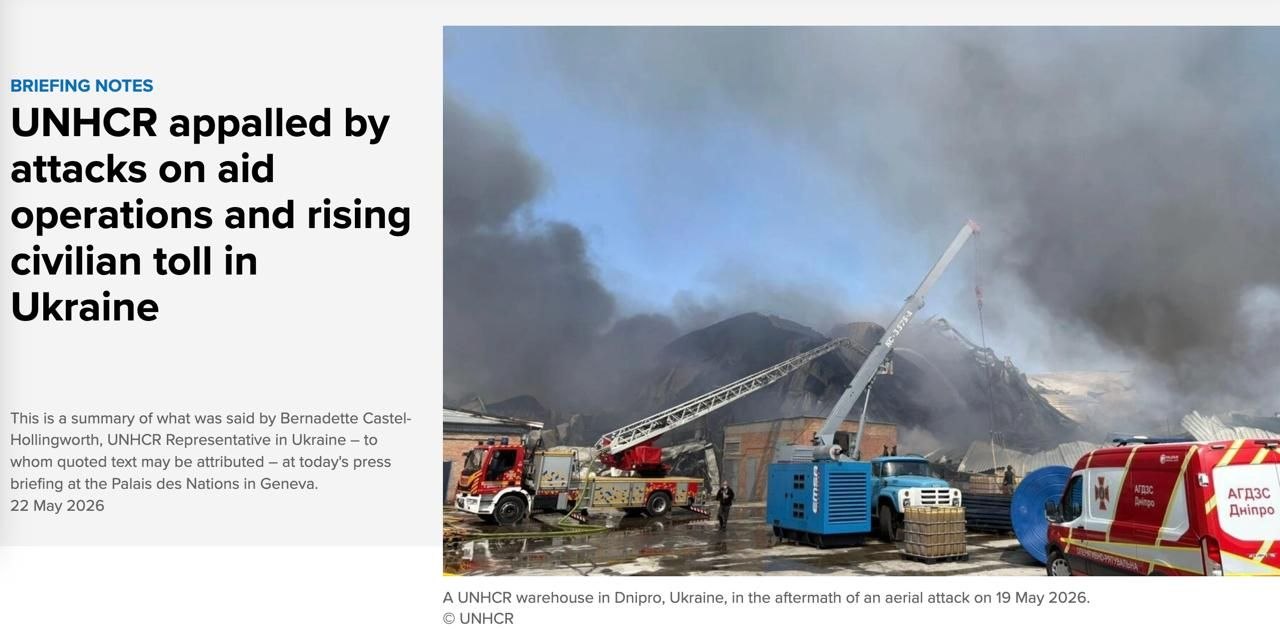
On May 22, 2026, a missile strike in Dnipro, Dnipropetrovsk Oblast, destroyed a United Nations Refugee Agency warehouse, eliminating roughly 900 pallets of humanitarian aid. The attack was reported by the open‑source channel Intelslava (source: https://t.me/intelslava/88040). No civilian casualties were confirmed, but the loss of essential supplies represents a significant setback for relief operations in the region.
Shelling of Training Facility in the Luhansk People’s Republic
Earlier that day, at 09:03 UTC, Ukrainian forces targeted a training building and an adjacent dormitory in the self‑declared Luhansk People’s Republic (LNR). According to Intelslava (https://t.me/intelslava/88023), the strike injured 35 individuals, including a large number of minors – 86 children aged 14 to 18 were present at the time. The head of the LNR publicly acknowledged the injuries:
"The debris is being cleared, and medical teams are treating the wounded, many of whom are children," the LNR official said.
The incident underscores the continued vulnerability of civilian‑adjacent facilities in contested territories.
UAV Operations Disrupt Logistics in Zaporizhzhia and Crimea
Ukrainian drone activity intensified across the south‑west front. At 16:53 UTC, Monitor_the_Situation documented that drone strikes in Energodar, Zaporizhzhia Oblast, halted vehicle traffic for several days, crippling regional supply chains. The same channel reported that in Sevastopol, Crimea, repeated UAV attacks on logistics hubs forced authorities to impose fuel rationing, limiting gasoline sales to 20 liters per vehicle and requiring diesel coupons (source: https://t.me/monitor_the_situation/17614).
These measures reflect the broader impact of aerial harassment on civilian infrastructure and the civilian population’s access to essential resources.
Drone Engagements in Donetsk Oblast
At 16:31 UTC, a Russian first‑person‑view (FPV) ambush drone struck a Ukrainian M1124 MaxxPro MRAP during a troop disembarkation in Donetsk Oblast, as reported by Monitor_the_Situation (https://t.me/monitor_the_situation/17612). The video evidence shows the drone approaching low altitude before detonating, highlighting the growing prevalence of close‑range UAV tactics on the battlefield.
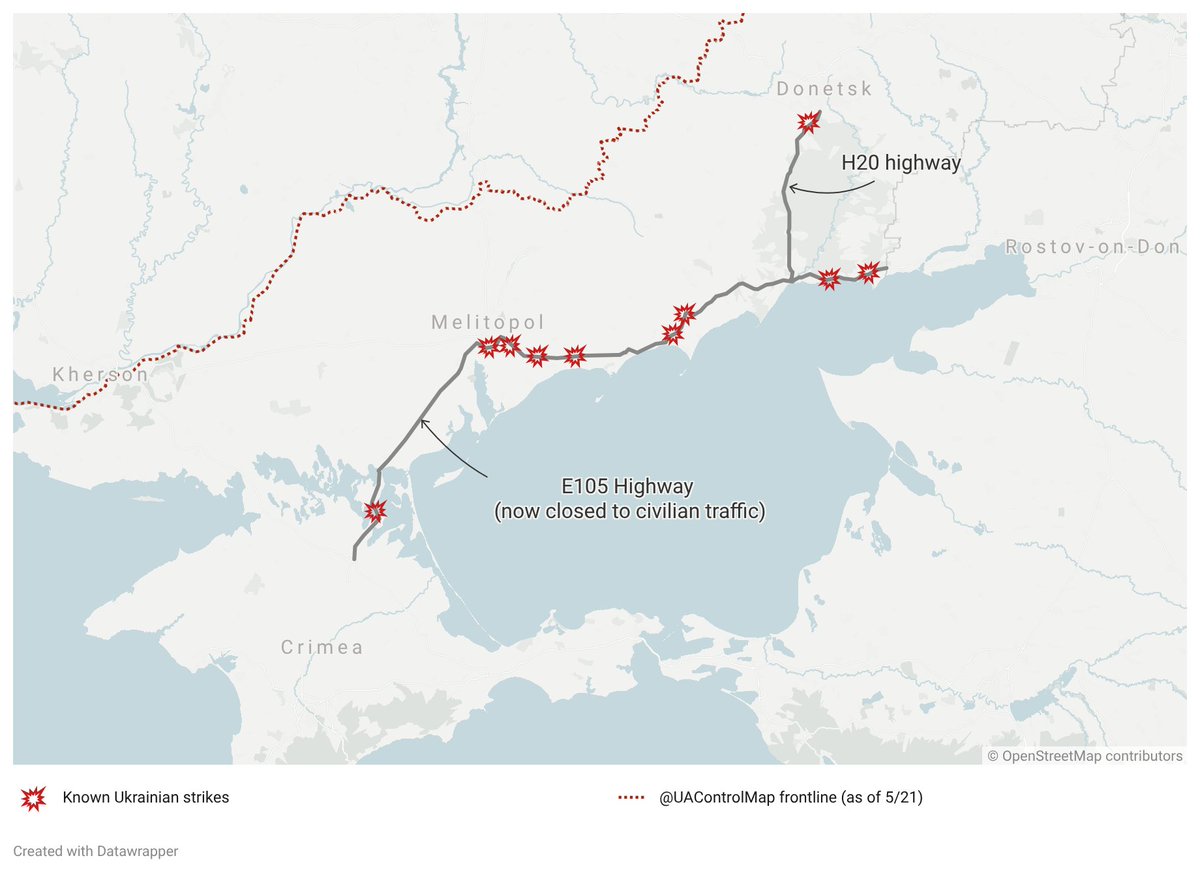
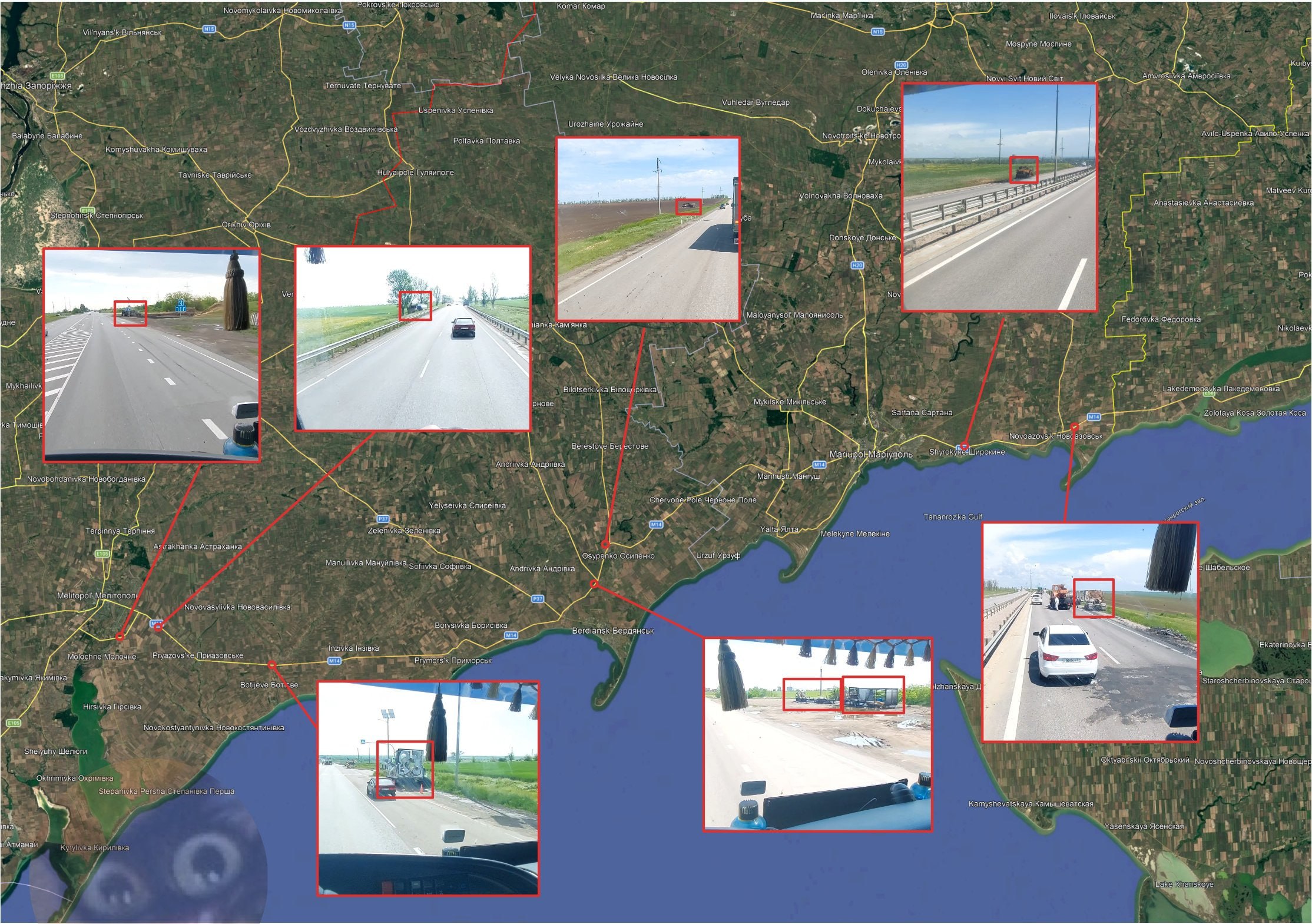
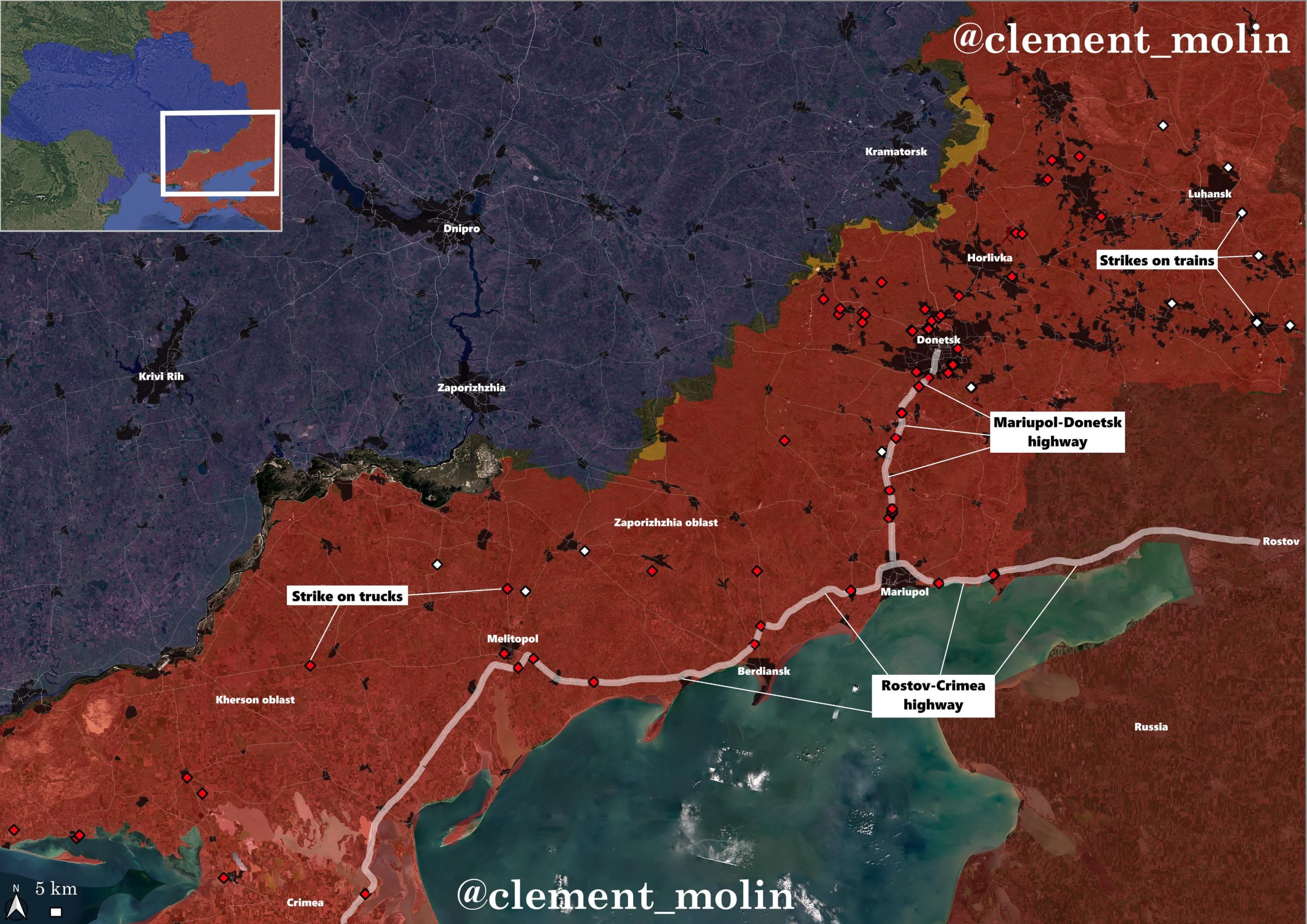
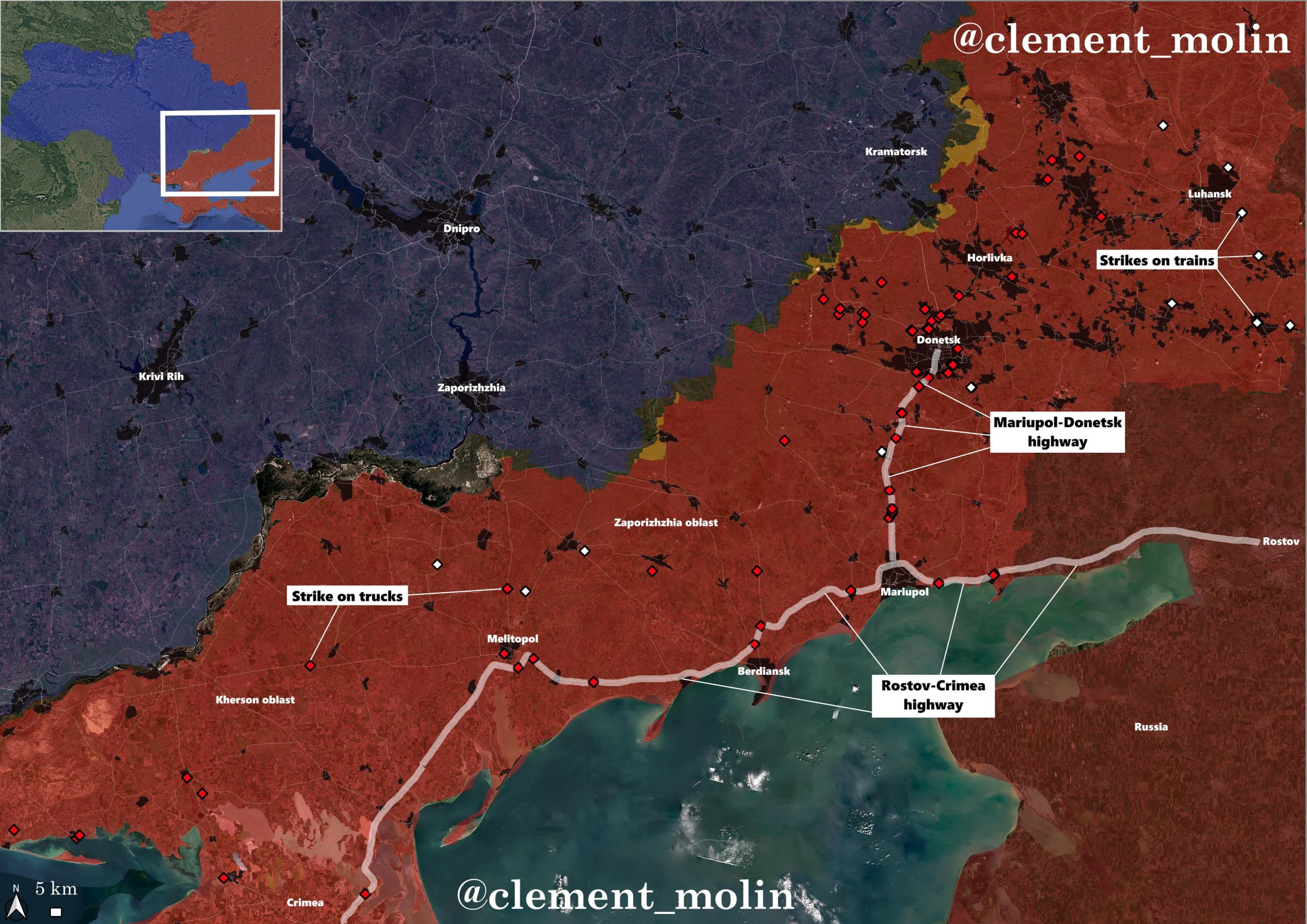
Later, at 16:53 UTC, the same channel recorded Ukrainian drone attacks on trucks traveling the Rostov‑Crimea road and the Mariupol‑Donetsk highway. The strikes prompted Russian authorities to close the Rostov‑Crimea corridor to civilian traffic, citing safety concerns (source: https://t.me/CIG_telegram/75857).
Missile Strikes on Russian Supply Routes
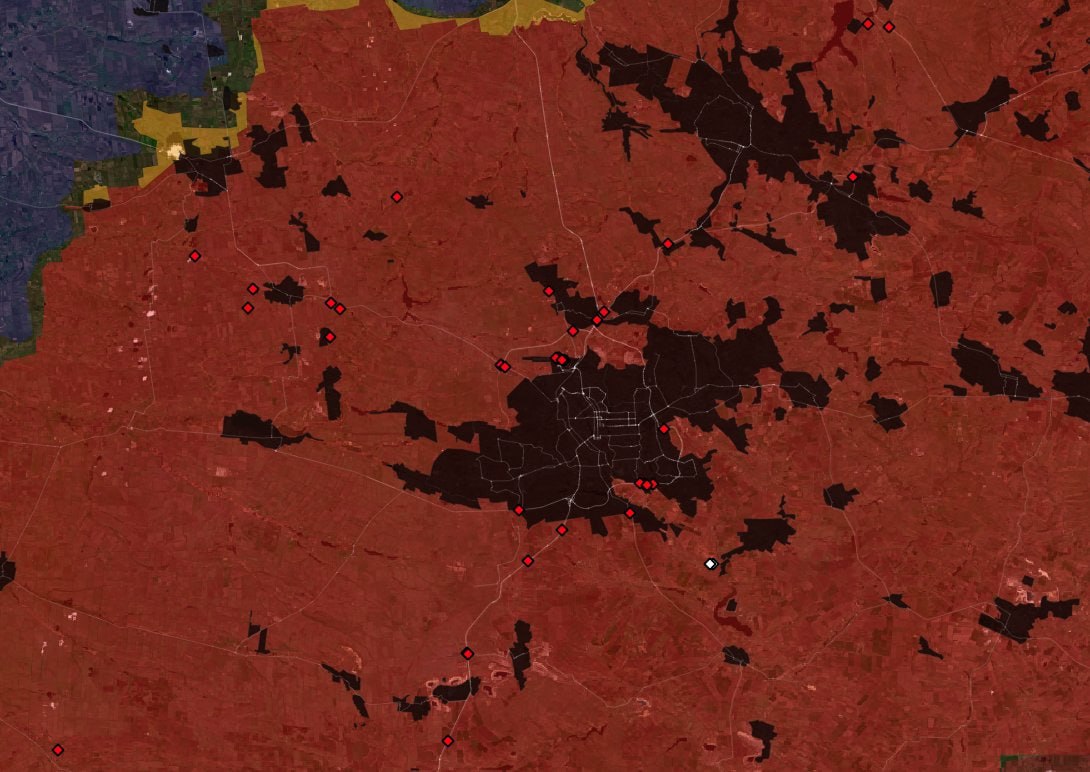
Ukrainian forces conducted multiple missile operations targeting Russian logistics. At 16:08 UTC, the Black Sky battalion of the Spartan NGU brigade launched rockets at the H20 road south of Donetsk City, aiming to disrupt supply convoys (source: https://t.me/monitor_the_situation/17609). A separate strike at 16:04 UTC saw mid‑range missiles hit Russian transport columns on highways linking Rostov to Crimea in Mykolaiv Oblast (source: https://t.me/monitor_the_situation/17607). Both attacks were described as “precision strikes” against high‑value logistics nodes.
Ground Movements Near Lyman
By 08:34 UTC, Ukrainian forces were reported to be close to encircling the strategic town of Lyman in Donetsk Oblast, with adjacent settlements Yampil and Dibrova also under pressure (source: https://t.me/monitor_the_situation/17556). Russian military statements indicated that the encirclement threatens key supply lines feeding Russian units in the Donbas, potentially forcing a tactical withdrawal or reallocation of forces.
Collectively, these kinetic events illustrate a multi‑domain escalation: conventional artillery and missile strikes, targeted UAV assaults, and rapid ground advances. The coordination of strikes on logistics corridors, combined with the use of FPV drones against armored vehicles, suggests a deliberate Ukrainian strategy to degrade Russian sustainment capabilities while imposing humanitarian costs on civilian populations.