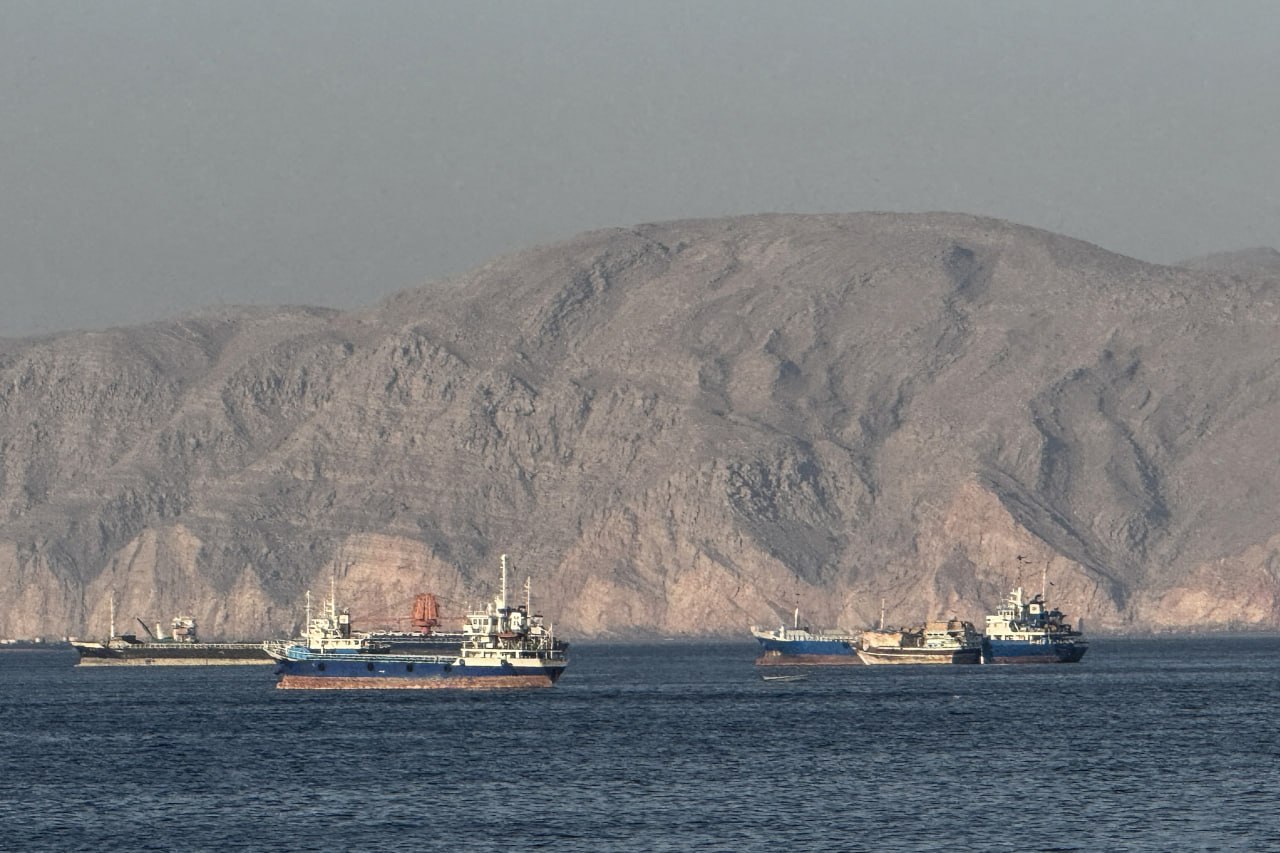
On 21 May 2026 Iran announced a unilateral expansion of its maritime authority, seizing United Arab Emirates and Omani territorial waters in the Strait of Hormuz and extending control to the mainland shorelines of both states. The move, reported by the Telegram channel monitor_the_situation, marks an unprecedented escalation in the Gulf’s naval dynamics and raises the risk of direct confrontation among regional powers.
Naval Seizure Extends Into UAE and Omani Waters
The seizure was confirmed at 17:27:54 UTC, with Iranian forces physically occupying the contested zones and issuing directives that any vessel transiting the strait must obtain explicit permission from Iranian authorities. No weapons were deployed during the initial operation, but the strategic implication is significant: Iran now claims jurisdiction over waters that have historically been shared under international maritime law.
"Iran seized UAE and Omani territorial waters in the Strait of Hormuz, extending control up to their mainland shorelines in an unprecedented maritime expansion," – monitor_the_situation, 21 May 2026.
Both the United Arab Emirates and Oman have lodged formal protests through diplomatic channels, citing violations of the United Nations Convention on the Law of the Sea (UNCLOS). The incident follows a pattern of assertive Iranian behavior in the region, but the direct claim over sovereign waters represents a qualitative shift from previous naval posturing.
Impact on Commercial Shipping
Within minutes of the declaration, the Iranian‑controlled maritime authority began enforcing a permit system that effectively halted the free flow of traffic. According to the open‑source analysis platform OSINTdefender, more than 1,500 commercial vessels were stranded across the strait, including tankers, container ships, and bulk carriers. The blockage threatens to disrupt the daily transit of roughly 20% of global oil and liquefied natural gas (LNG) supplies that pass through the chokepoint.
Shipping companies have reported escalating insurance premiums and rerouting costs as vessels seek alternative passages around the Arabian Peninsula. The economic ripple effect is already evident in spot price volatility on major commodity exchanges, where Brent crude futures rose by 3.2% within hours of the seizure.
Closure of the Strait and Use of Naval Mines and Drones
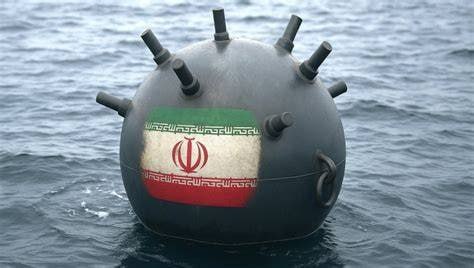
Earlier in the day, at 14:34:54 UTC, OSINTdefender documented a coordinated Iranian operation that deployed naval mines and low‑cost aerial drones to enforce a de‑facto closure of the strait. The mines, reportedly laid in the central navigation channel, are designed to deter unauthorized passage and complicate any potential naval response from external powers. The drones, equipped with surveillance payloads and limited kinetic capability, have been used to monitor vessel movements and issue warnings.
The combination of mines and drones creates a layered denial‑of‑access environment that challenges conventional naval clearance methods. International maritime safety agencies have issued advisories urging vessels to avoid the area until a safe corridor can be re‑established.
US Missile Strike on Minab School
While the maritime crisis unfolded, a separate kinetic event on Iranian soil continued to dominate regional attention. On 21 May 2026 at 16:38:32 UTC, the Al Jazeera network reported that residents of Minab, a city in Hormozgan Province, were demanding justice weeks after a United States missile strike targeted a school, killing at least 156 civilians.
"Residents are calling for justice weeks after US missiles killed at least 156 people at a school in Minab, Iran," – Al Jazeera, 21 May 2026.
The strike, which employed precision‑guided missiles, was part of a broader US campaign aimed at degrading Iranian proxy capabilities in the Persian Gulf. The high civilian casualty count has intensified anti‑American sentiment within Iran and has been leveraged by Tehran to justify its recent maritime assertiveness.
Iranian officials have not publicly responded to the Minab incident in the immediate aftermath, but state media outlets have highlighted the event as evidence of external aggression, linking it to the broader narrative of defending national sovereignty.
Strategic Assessment
The convergence of a large‑scale naval seizure and a high‑profile missile strike underscores a multi‑dimensional escalation in Iran’s kinetic posture. The maritime actions directly threaten the free flow of energy commodities, while the Minab strike reinforces domestic narratives of external hostility. Both events are likely to influence Iran’s strategic calculus in the coming weeks, potentially prompting further militarization of the Strait of Hormuz and heightened diplomatic pressure on the United States and its regional allies.
Stakeholders should monitor the following indicators: (1) Iranian communication channels for any further expansion of maritime authority; (2) international diplomatic responses, particularly from the United Nations and the European Union; and (3) the operational status of the naval mines and drones, which could serve as leverage in any future negotiations.