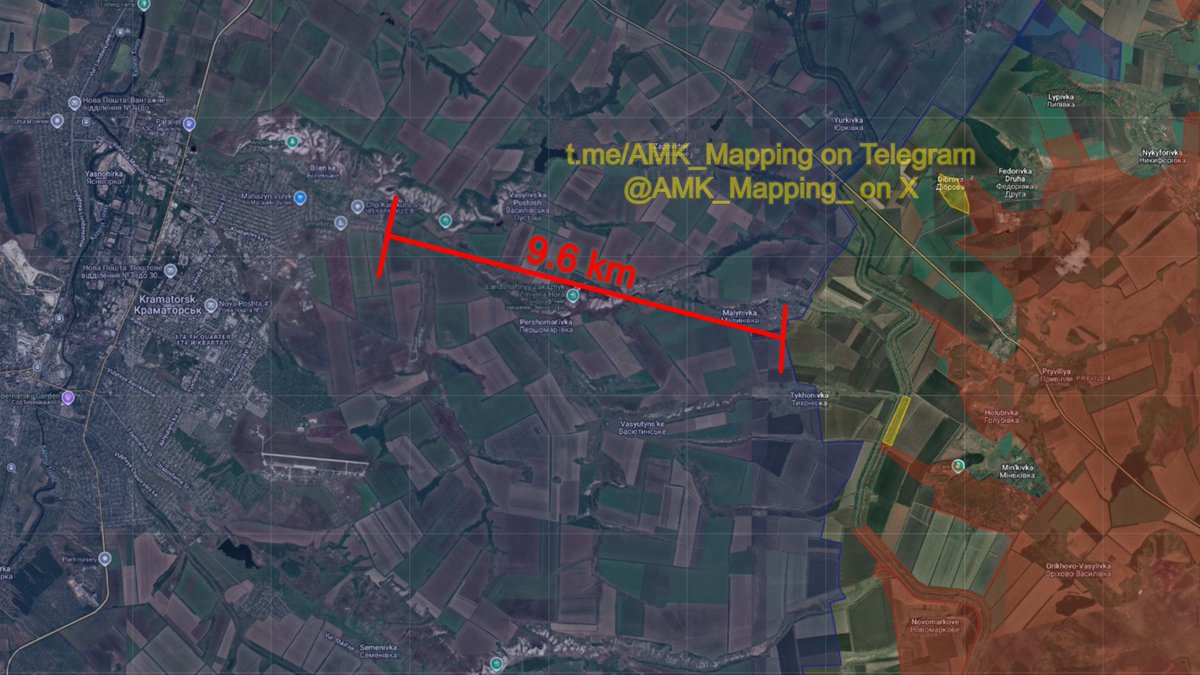
On 21 May 2026 Russian assault groups moved to within 10 km of the eastern outskirts of Kramatorsk in Donetsk Oblast, signaling a significant tactical advance toward one of the most strategically important Ukrainian‑held cities. The development, reported by monitor_the_situation, underscores a renewed emphasis on ground offensives in the eastern sector and raises the risk of intensified urban combat.
Russian Assault Groups Advance Within 10 Km of Kramatorsk. Forward Russian assault groups are now less than 10 km from the eastern outskirts of Kramatorsk, Donetsk Oblast, marking a significant tactical advance toward a key Ukrainian‑held city.
Airborne and Missile Strikes Across Southern Ukraine
In the south, Russian air power continued to target key urban centers. At 07:08 UTC a Russian Su‑34 fighter jet deployed KAB glide bombs against Kherson, a city that has been under Russian occupation since November 2022. The glide bombs, designed for precision strikes, were launched from the Su‑34’s internal weapons bay and were expected to impact within minutes, according to monitor_the_situation.
Later, at 08:13 UTC, Russian forces fired an Iskander‑M ballistic missile at Mykolaiv Oblast. The Iskander‑M, a short‑range, high‑precision system, is capable of delivering a 480‑kg warhead at speeds exceeding Mach 5, highlighting the continued use of strategic‑level munitions against Ukrainian infrastructure.
Ukrainian forces responded with their own air strikes. At 17:27 UTC, Ukrainian MiG‑29 jets released two French‑supplied AASM‑250 Hammer guided bombs on a Russian battalion command post in Kherson Oblast. The Hammer bomb, a precision‑guided munition with a 250‑kg warhead, demonstrated the integration of Western weapons into Ukraine’s air campaign.
Earlier, at 09:13 UTC, a Ukrainian MiG‑29 from the 40th Tactical Aviation Brigade dropped GBU‑39 Small Diameter Bombs on a Russian target in Donetsk Oblast. The GBU‑39, a 250‑lb precision bomb, is part of Ukraine’s expanding inventory of Western‑provided munitions.
Ukrainian Drone Operations Disrupt Russian Logistics and Air Defences
Unmanned aerial systems (UAS) played a pivotal role throughout the day. The 20th K‑2 Unmanned Systems Brigade employed DARTS drones to strike dozens of Russian logistics vehicles in the Lyman‑Kostiantynivka corridor, disrupting supply lines and forcing Russian commanders to reroute convoys, as reported by monitor_the_situation.
In Donetsk Oblast, Ukrainian drones targeted high‑value air‑defence assets. At 15:47 UTC, drones hit an S‑300V launcher near Shyroka Balka and a Tor launcher near Berestove in Zaporizhzhia Oblast. These strikes, confirmed by visual evidence on the source channel, reduced the operational density of Russian air‑defence networks in the region.
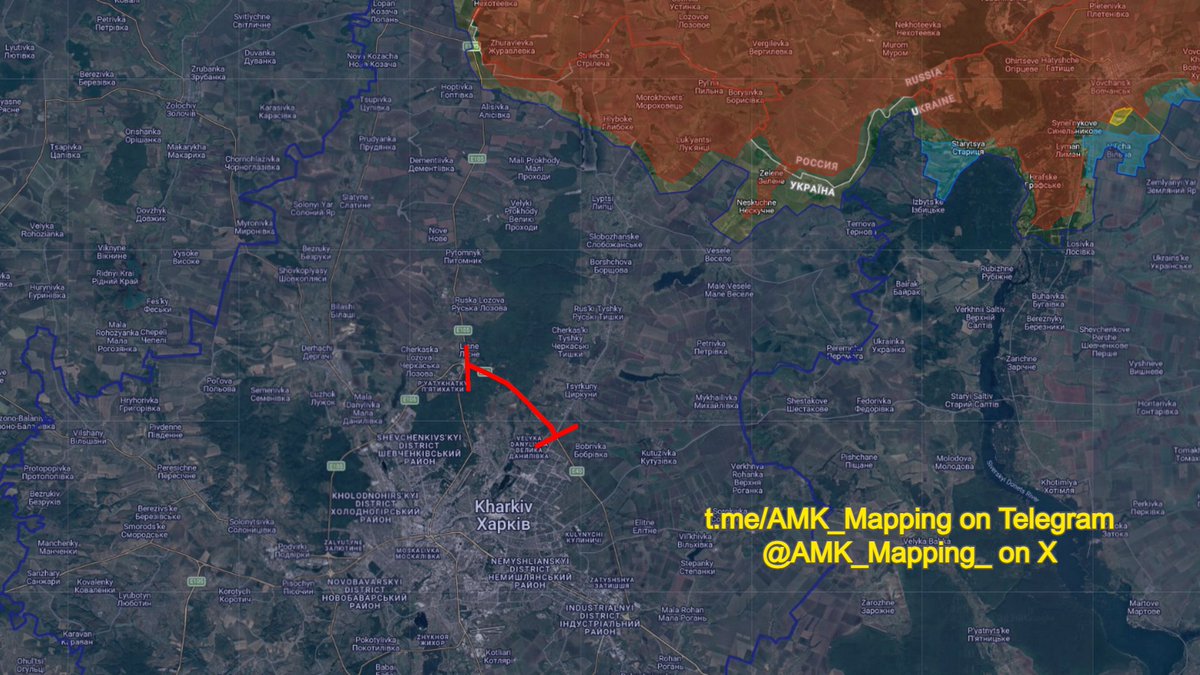
Additional drone attacks were recorded in the Kharkiv region. Russian FPV drones prompted Ukrainian authorities to close a segment of the Kharkiv ring road between Lisne and the city centre, restricting civilian traffic to mitigate collateral damage.
Ukrainian Counteroffensives and Territorial Gains
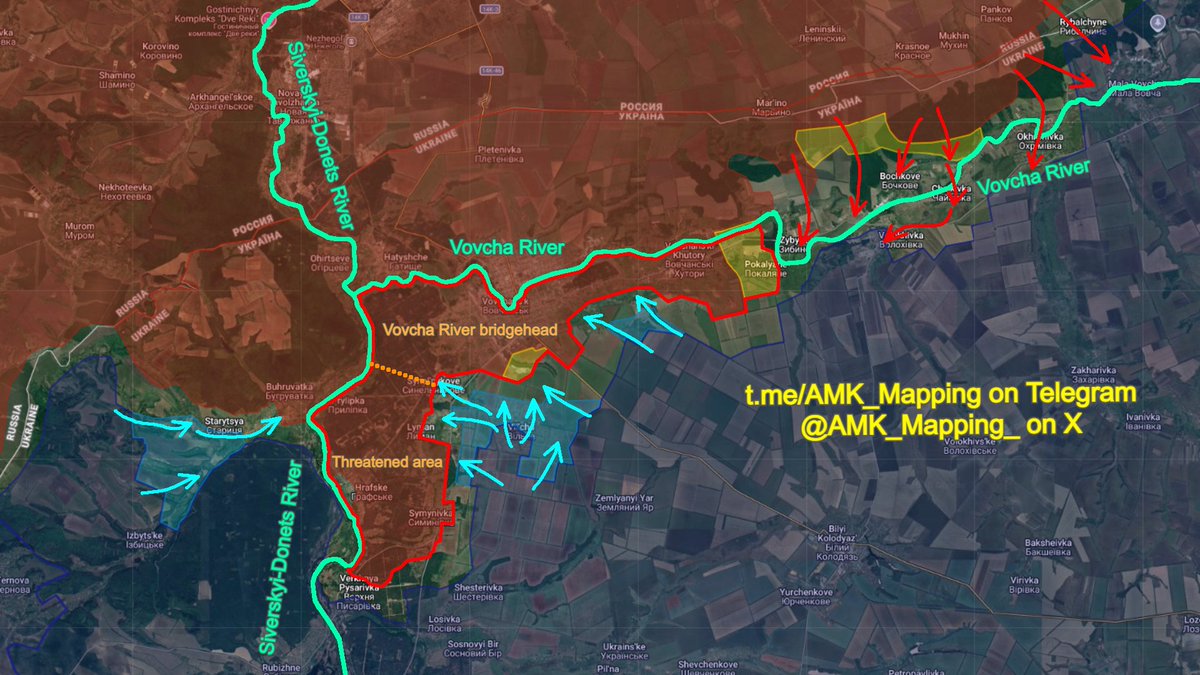
Ukrainian ground forces launched coordinated counterattacks near Vovchansk in Kharkiv Oblast, aiming to push back entrenched Russian units. The operations, described by monitor_the_situation, involved redeployment from the Kupyansk axis and focused on regaining control of key road junctions.
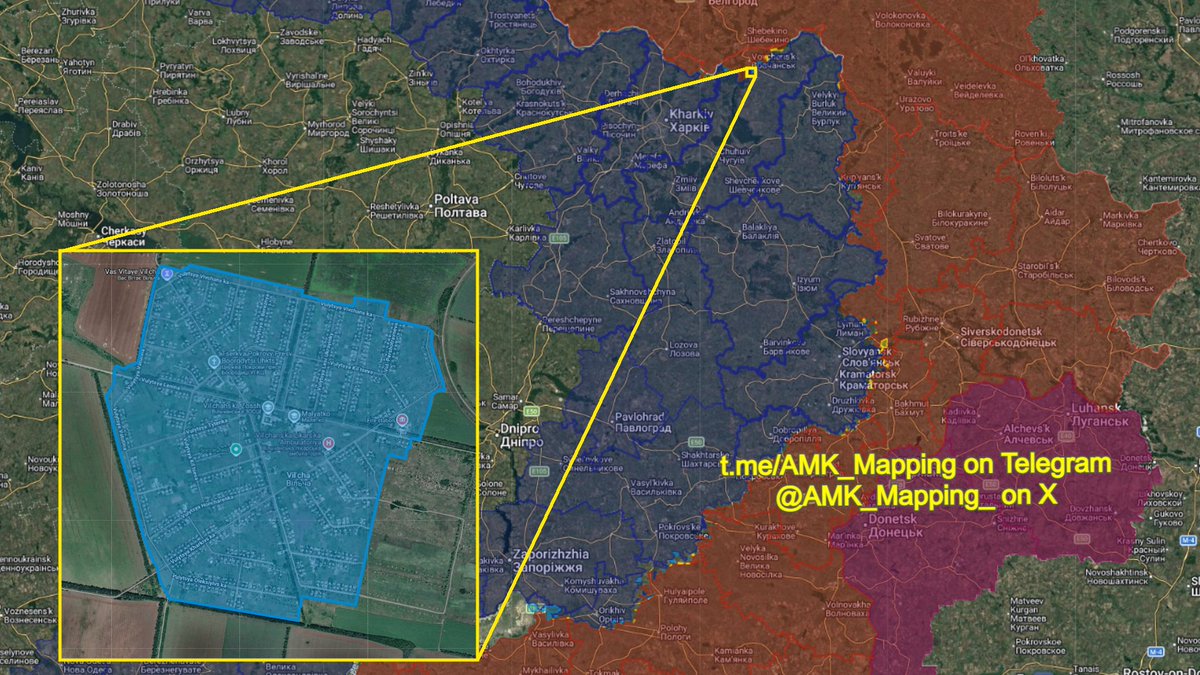
Significant progress was achieved in Vilcha, Kharkiv Oblast, where Ukrainian troops recaptured the town after a 23‑month battle. The liberation of Vilcha, confirmed by on‑the‑ground footage, removed a Russian foothold and restored a critical supply route for Ukrainian forces.
Impact on Civilian Infrastructure and Energy Networks
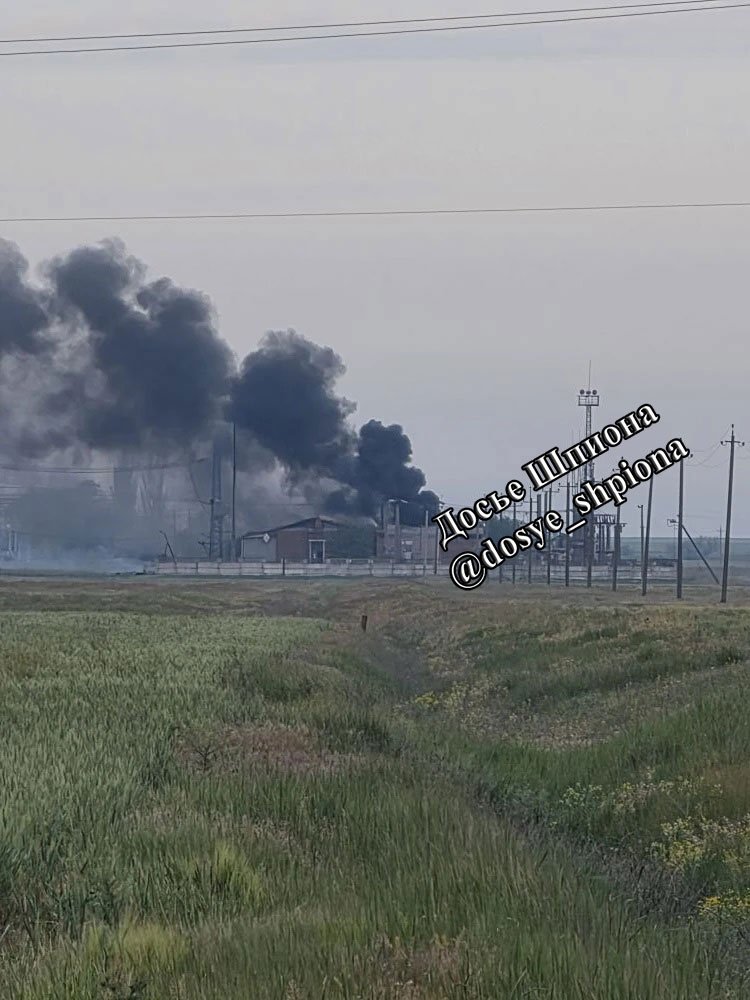
Ukrainian drone strikes also targeted Russian‑controlled energy infrastructure. On 19 May, five strike drones destroyed a Russian‑controlled electrical substation near Chonhar in occupied Kherson Oblast, halting power delivery to the adjacent region and complicating Russian logistical support for the Crimean Peninsula.
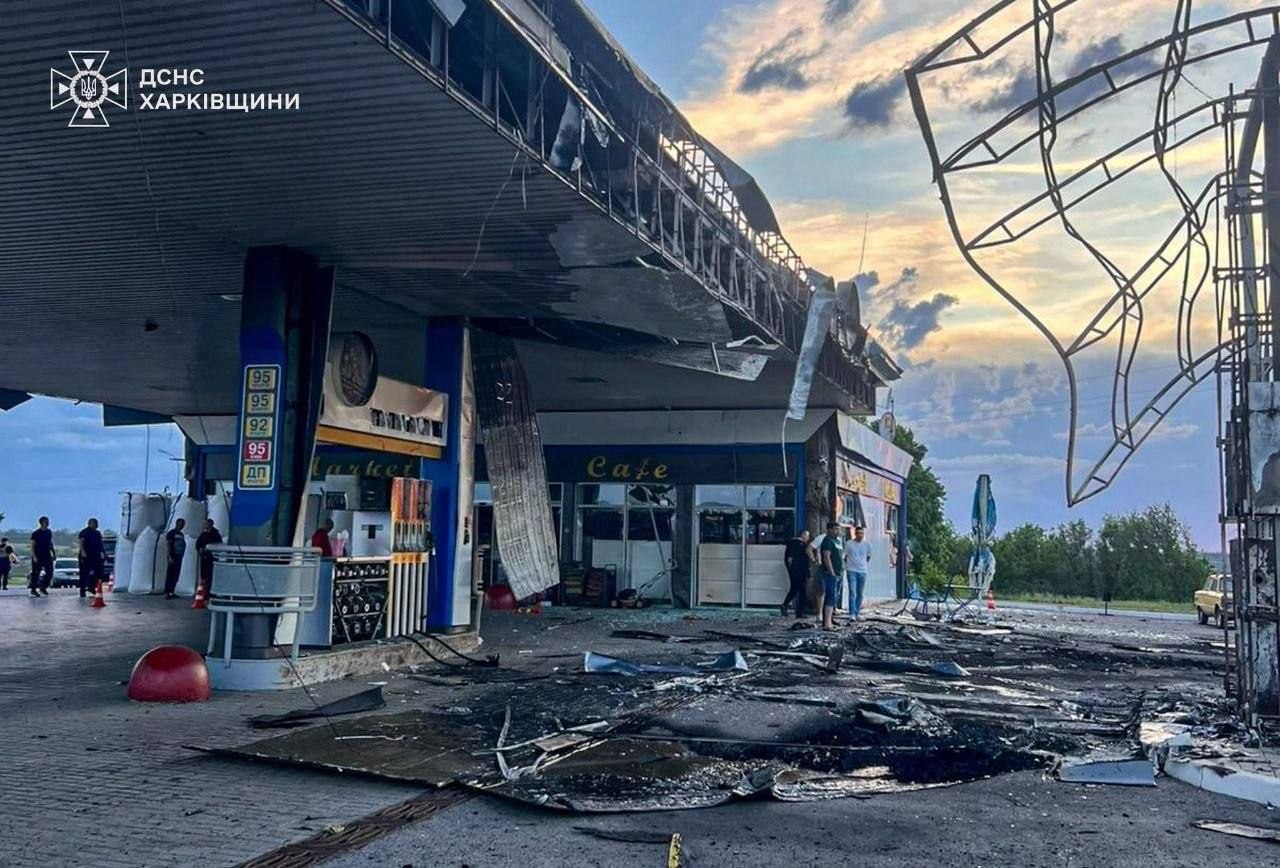
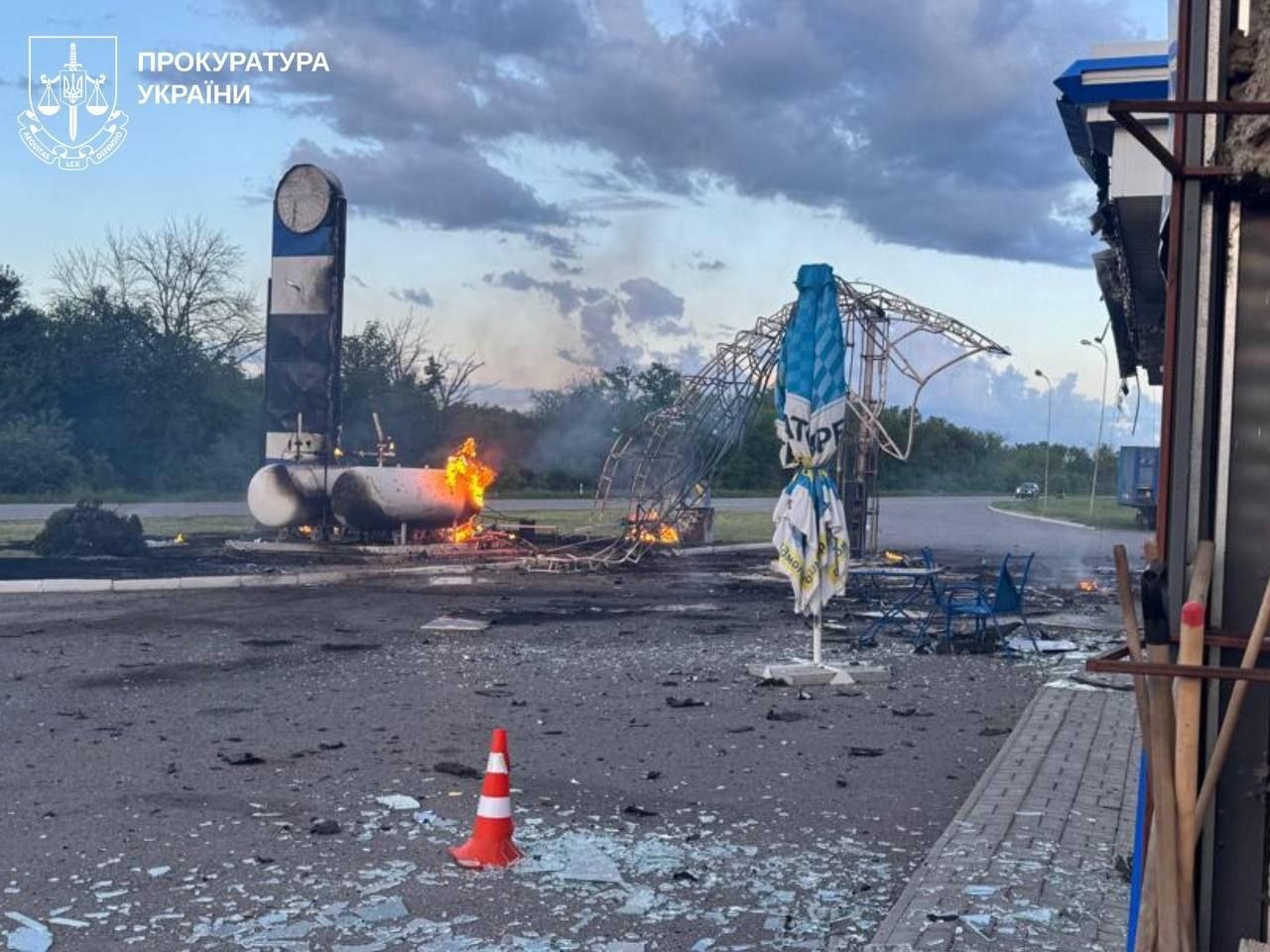
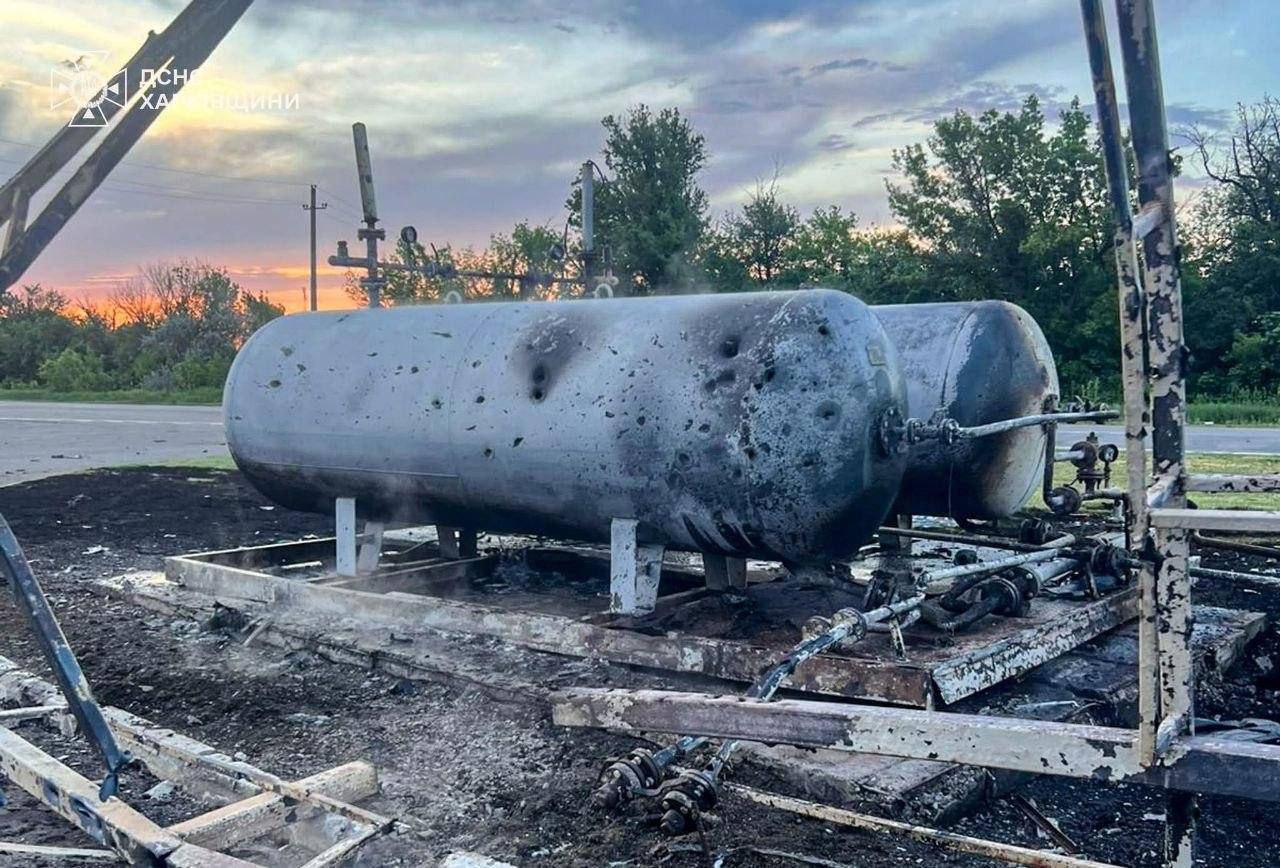
Conversely, Russian FPV drone attacks on civilian gas stations in the Kharkiv region continued unabated, as documented by intelslava. The repeated strikes have caused fuel shortages and heightened safety concerns for local populations.
Broader Operational Context
The kinetic events of 21 May occurred against a backdrop of heightened geopolitical tension, including Russian‑Ukrainian ground movements, intensified air campaigns, and the expanding use of precision‑guided munitions supplied by Western allies. While the day’s combat actions were concentrated in eastern and southern Ukraine, they reflect a broader pattern of escalation that may influence future operational planning on both sides.