On May 21, 2026, Tehran issued a stark diplomatic declaration rejecting any notion of surrender to the United States, emphasizing that “diplomacy is wiser than war.” The statement, broadcast by state‑run channels and reported by Al Jazeera, underscores Iran’s resolve amid heightened regional pressure following a series of Israeli airstrikes in Lebanon. According to the Lebanese Health Ministry, those strikes have killed 3,073 civilians since March, a figure cited in the same live‑blog that covered Tehran’s remarks.
“Iran’s Tehran says no surrender to US, diplomacy ‘wiser’ than war.” – Al Jazeera, 2026-05-21
Iran’s Diplomatic Stance
The Iranian government framed its position as a defensive response to what it described as “unilateral aggression” by the United States and its allies. While no military assets were deployed in the announcement, the rhetoric signals a potential escalation of diplomatic confrontations, including possible retaliatory measures in the economic and cyber domains. The statement was disseminated through official channels and amplified on regional news networks, reinforcing Tehran’s narrative of sovereignty and resistance.
Intensified Shelling in Donetsk Oblast
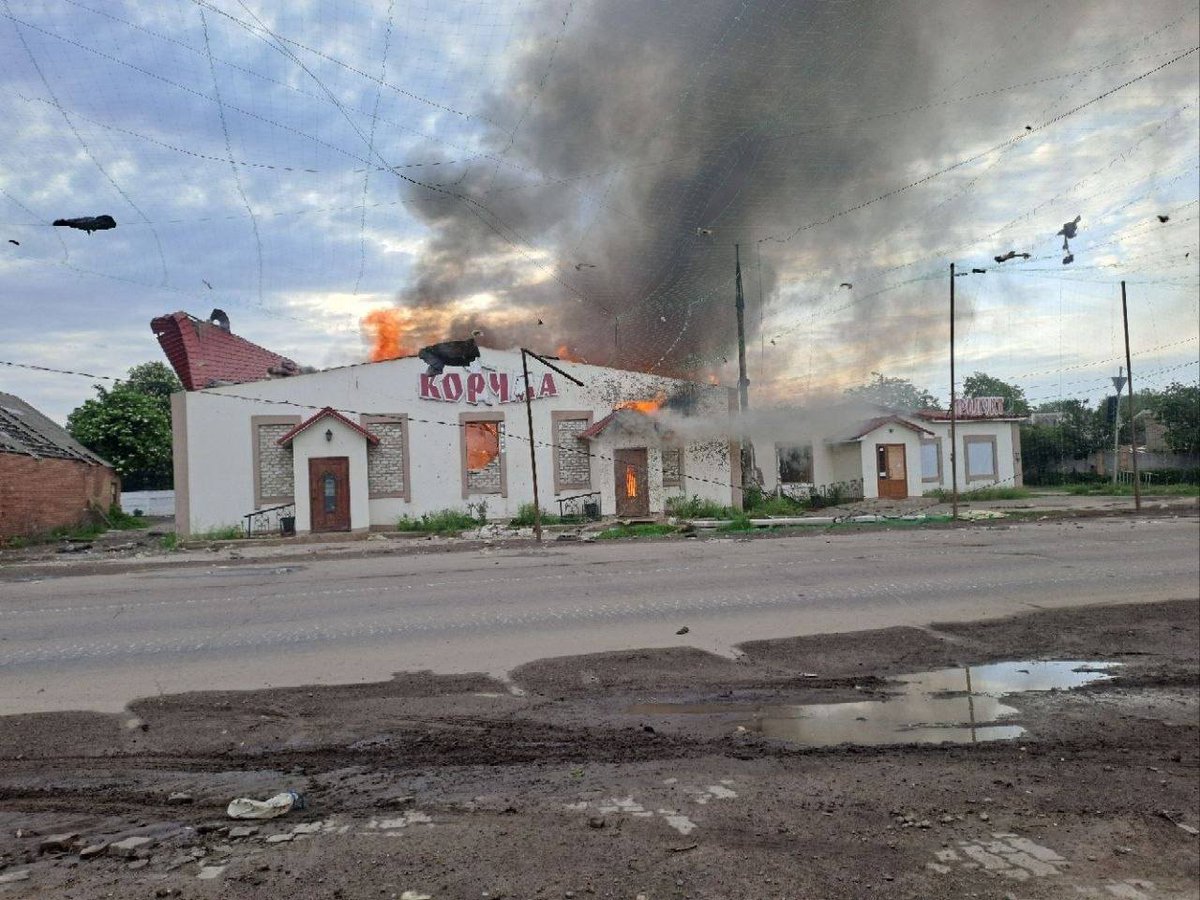
In the early hours of the same day, Russian forces increased artillery fire on the Ukrainian towns of Druzhkivka and Mykolaivka in Donetsk Oblast. The attacks, reported by the monitoring outlet monitor_the_situation and corroborated by satellite imagery shared by @AMK_Mapping_, resulted in structural damage to residential buildings and civilian infrastructure. Although exact casualty figures have not been released, local authorities confirmed multiple injuries and the displacement of several families.
“Russian forces have intensified attacks on Druzhkivka and Mykolaivka, Donetsk Oblast, with strikes causing damage and casualties.” – monitor_the_situation, 2026-05-21
The escalation follows a pattern of sustained bombardment along the front line, classified as a “Significant” (S3) conflict event. The use of indirect fire weapons, while not specified, aligns with previous Russian tactics in the region, which rely on heavy artillery and multiple‑rocket launch systems to pressure Ukrainian defensive positions.
Ukrainian Drone Strike on Russian Refinery
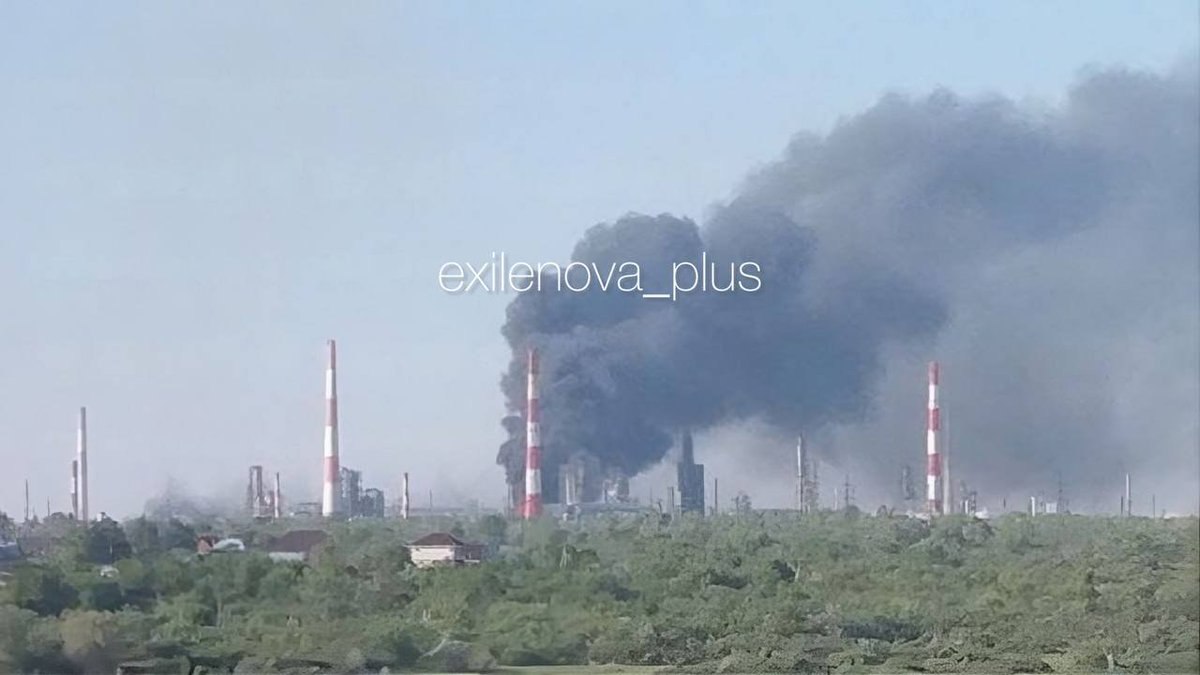
At approximately 03:49 UTC, Ukrainian‑operated unmanned aerial vehicles targeted the Syzran Oil Refinery in Samara Oblast, Russia. The drones ignited a large fire that temporarily halted refinery operations, according to photographic evidence posted by the same monitoring channel. No fatalities were reported, but the incident demonstrates Ukraine’s expanding use of long‑range UAVs to strike strategic energy assets deep within Russian territory.
“Ukrainian attack drones struck the Syzran Oil Refinery in Samara Oblast, Russia, causing a large fire at the facility.” – monitor_the_situation, 2026-05-21
The strike underscores a shift in the conflict’s geography, as aerial platforms enable cross‑border engagements that bypass traditional front‑line defenses. Analysts note that such attacks could compel Russia to allocate additional air defense resources to its interior, potentially diluting its offensive capacity on the Ukrainian front.
Airspace Confrontation over the Black Sea
Later that morning, Russian fighter jets intercepted a British reconnaissance aircraft operating over the Black Sea, an international waterway that has become a focal point for NATO‑Russia encounters. The British Ministry of Defence confirmed the interception, describing it as a “routine defensive maneuver” by the Russian Air Force. Video footage released by the intelligence outlet intelslava shows the Russian jets approaching the British aircraft before it altered its flight path.
“Russian fighter jets intercepted a British reconnaissance plane over the Black Sea, according to the British Ministry of Defense.” – intelslava, 2026-05-21
This incident highlights the growing risk of inadvertent escalation in contested airspace, where surveillance missions by NATO members intersect with Russian defensive postures. The presence of both fighter jets and a reconnaissance platform illustrates the layered nature of modern aerial engagements.
Collectively, these events illustrate a broader pattern of heightened hostilities across multiple theaters. Tehran’s diplomatic defiance, intensified Russian artillery in eastern Ukraine, Ukraine’s deep‑strike UAV capabilities, and the contested Black Sea airspace each contribute to a volatile security environment. While each incident remains localized, the cumulative effect raises the probability of broader regional spill‑over, especially if diplomatic channels fail to de‑escalate tensions.