At 06:44 UTC on 20 May 2026, Ukrainian‑operated unmanned aerial vehicles (UAVs) struck the Yaroslavl oil refinery in western Russia, marking the most consequential kinetic event recorded for the day. The attack formed part of a broader series of long‑range strikes that also targeted facilities in Ryazan and Snizhne, demonstrating an expanded Ukrainian capability to project force deep into Russian territory. According to the open‑source channel monitor_the_situation, the drones delivered precision munitions that caused structural damage to processing units but did not result in immediate casualty reports. The incident underscores a shift toward sustained aerial pressure on Russian energy infrastructure, a sector historically shielded from direct conflict.
Operational Context of the Yaroslavl Strike
The Yaroslavl refinery, a key node in Russia’s domestic fuel supply chain, processes approximately 5 million tonnes of crude annually. Damage to its distillation column and auxiliary power systems is expected to curtail output by an estimated 10‑15 percent for the next several weeks, according to independent energy analysts. No civilian casualties were reported in the immediate aftermath, and Russian emergency services confirmed that fire suppression systems activated promptly. The strike aligns with Ukraine’s stated objective of degrading Russia’s logistical and economic resilience, as articulated in statements from the Ukrainian Ministry of Defense earlier this month.
Joint US‑Nigerian Operation Eliminates Senior ISIS Figure
At 06:41 UTC, a coordinated operation involving United States special‑operations forces and the Nigerian Armed Forces resulted in the death of Abu‑Bilal al‑Minuki, a senior commander of the Islamic State (IS) network operating in West Africa. The strike, reported by the JPost, was executed in an undisclosed location within Nigeria’s northern region. President Bola Tinubu confirmed the outcome in a public statement, noting that al‑Minuki and several of his lieutenants were neutralised.
"Abu‑Bilal al‑Minuki was killed along with several of his lieutenants in a joint strike," President Tinubu said.No collateral damage was reported, and the operation is being hailed as a strategic blow to IS’s command structure in the Sahel. The United States has not disclosed the specific weapon systems employed, but the absence of civilian casualties suggests a precision‑guided approach, likely involving air‑delivered munitions.
Hezbollah Publishes FPV Drone Attack on Israeli Iron Dome Launcher
Later in the day, at 17:01 UTC, the Lebanese militant group Hezbollah released video footage purporting to show a first‑person‑view (FPV) drone striking an Iron Dome air‑defence launcher in Israel. The clip, disseminated via the intelslava channel, depicts the drone colliding with the launcher’s exterior. Analysts noted that the targeted launcher appeared to lack central hydraulic lifting cylinders, a characteristic of operational Iron Dome units, raising the possibility that the object was a mock‑up deliberately positioned by the Israeli Defence Forces (IDF) for training or deception purposes. While the video confirms the capability of low‑cost FPV platforms to engage high‑value air‑defence assets, no casualties or material losses were reported, and the incident did not trigger a broader escalation.
Ukrainian Sting Drone Intercepts Russian Geran‑4 UAV
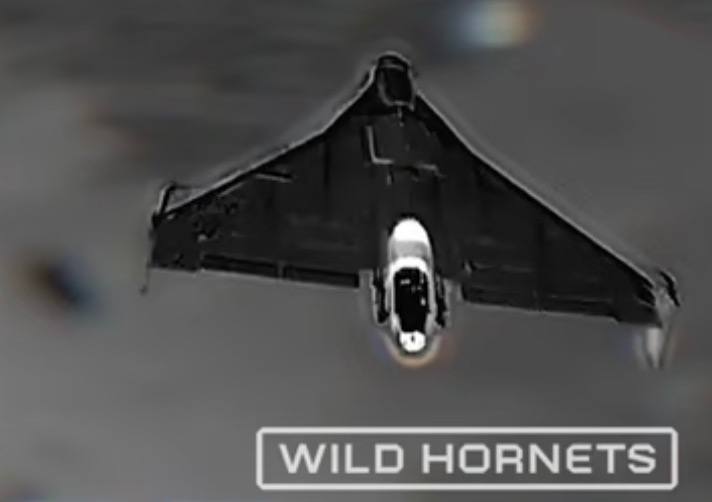
At 14:34 UTC, Ukrainian forces demonstrated defensive drone technology by deploying a Sting interceptor UAV to down a Russian jet‑powered Geran‑4 UAV. The engagement, captured on video and shared by intelslava, illustrates the evolving cat‑and‑mouse dynamics of UAV warfare on the Eastern Front. The Geran‑4, a reconnaissance platform equipped with a small payload, was intercepted mid‑flight, resulting in its destruction without reported ground casualties. The successful use of the Sting interceptor highlights Ukraine’s investment in counter‑UAV capabilities, a critical component of its broader air‑defence strategy amid increasing Russian drone activity.
Failed Israeli Airstrike Aimed at Extracting Former Iranian President
In a separate development, an Israeli airstrike intended to extract former Iranian President Mahmoud Ahmadinejad from an undisclosed location failed, leading to his disappearance from public view. The episode, reported by the OSINTdefender channel, involved coordination between United States and Israeli officials who reportedly viewed Ahmadinejad as a potential political lever in Tehran. No weapons or casualties were disclosed, and the operation’s failure appears to have been due to inaccurate intelligence rather than hostile resistance. While the incident did not result in direct kinetic outcomes, it underscores the complex interplay of covert operations and regional power politics.