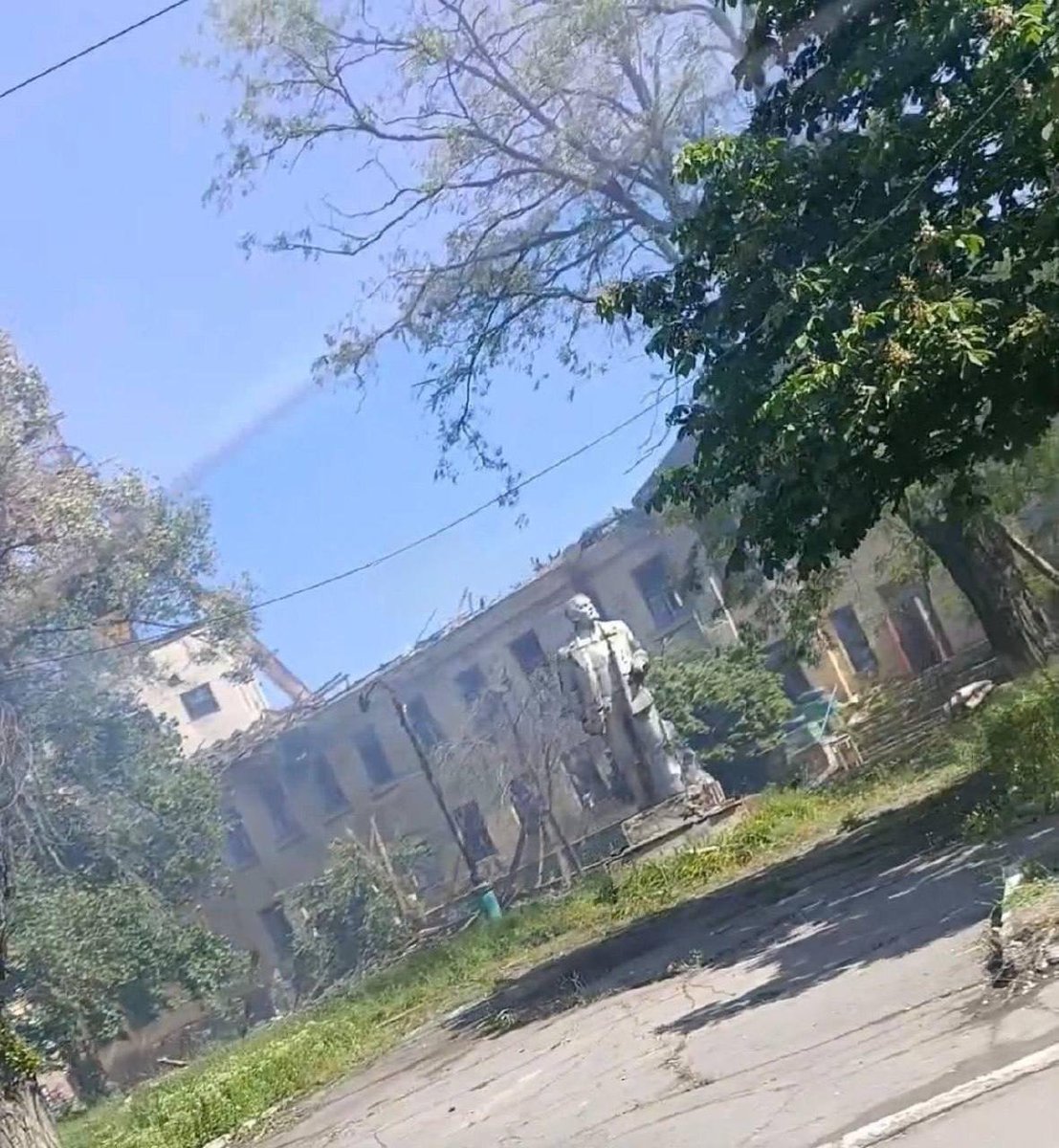
On 20 May 2026 a Ukrainian unmanned‑aircraft attack in the occupied town of Snizhne, Donetsk Oblast, killed twelve Russian soldiers and wounded fifteen, marking the most lethal kinetic event reported in Ukraine that day. The strike, captured on video shared by the monitor_the_situation channel, targeted a Russian troop concentration near the town’s railway station. Ukrainian forces confirmed the use of a tactical‑level combat drone, emphasizing the growing reliance on low‑cost aerial platforms to inflict personnel losses on Russian units entrenched in the Donbas. (source: monitor_the_situation)
Russian UAV Campaign Targets Donetsk Infrastructure
Earlier in the day, Russia’s 50th Unmanned Systems Brigade released footage of Geran‑Seeker drones striking multiple targets across Donetsk Oblast, including energy substations, a freight train, and several civilian warehouses. The attacks disrupted regional power supplies and logistics, with the brigade claiming successful hits on “critical energy infrastructure” and “enemy supply lines.” The video, posted to monitor_the_situation, did not provide casualty figures, but the destruction of a railway carriage and power lines suggests a significant degradation of Ukrainian rear‑area capabilities. (source: monitor_the_situation)
Ukrainian Counter‑UAV Operations
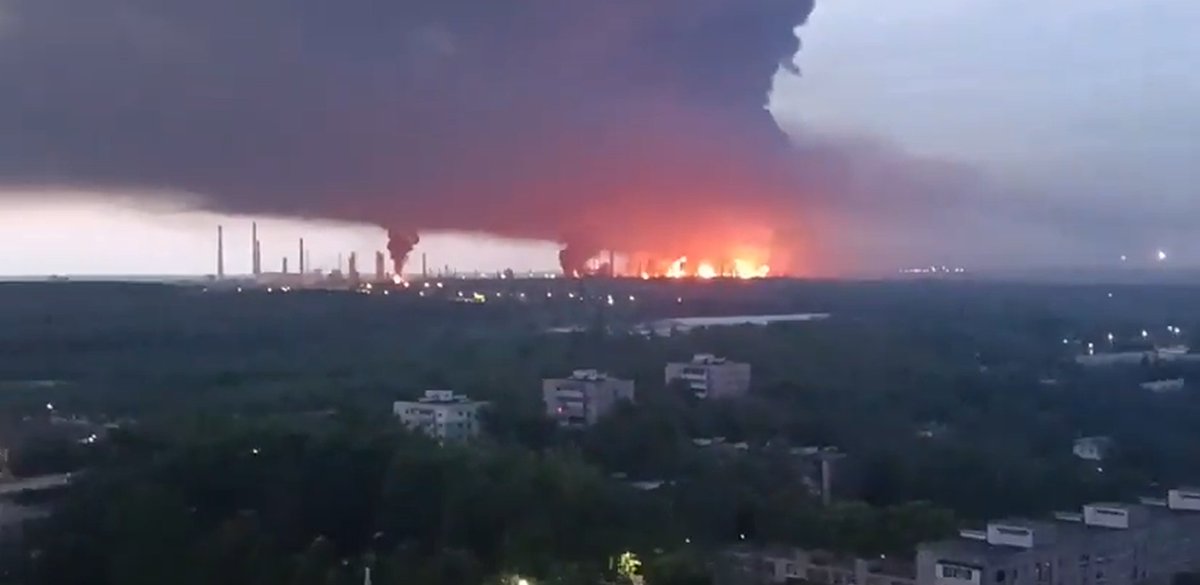
Ukrainian drone operators continued to target Russian logistics. At 16:23 UTC, a mid‑range attack drone destroyed a Russian Ural transport truck in Donetsk Oblast, halting a supply convoy and forcing the Russian 1st Guards Tank Army to reroute materiel. Later, at 14:53 UTC, Ukraine’s Unmanned Systems Forces announced that ten major Russian oil facilities had been struck in May, with six forced offline. The list included sites in Ryazan, Perm and Samara, underscoring a broader campaign to impair Russia’s fuel production and distribution networks. (source: monitor_the_situation)
Ground Combat and Evacuations in Dnipropetrovsk
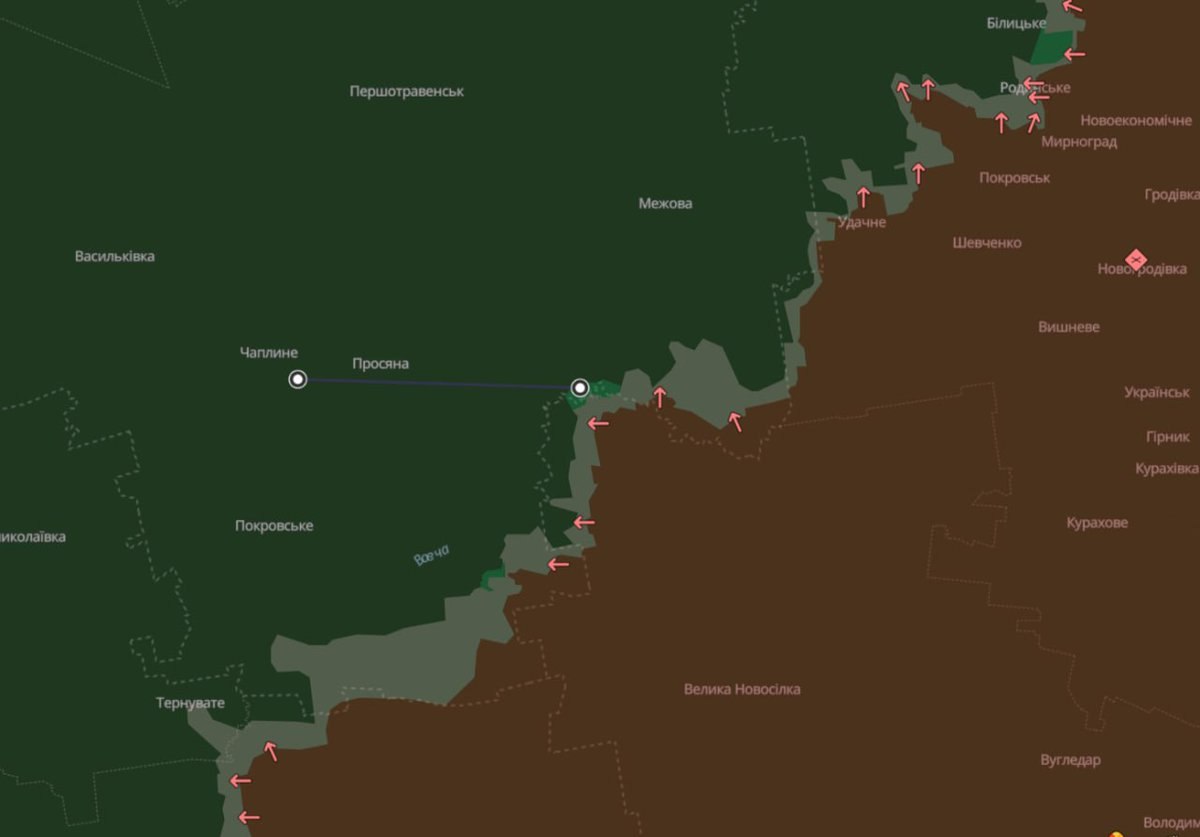
In the Dnipropetrovsk region, Russian forces advanced toward the Chaplynsky and Shevchenkivskyi districts, prompting Ukrainian authorities to issue mandatory evacuation orders for residents. The movement, reported by monitor_the_situation at 17:24 UTC, reflects a tactical shift as Russian units seek to exploit gaps in the Ukrainian defensive line after recent drone‑induced supply disruptions. Ukrainian 24th Mechanized Brigade repelled a Russian assault employing motorcycles and ATVs in Donetsk Oblast, destroying the vehicles and killing the attackers, as documented by NOELreports. (source: monitor_the_situation)
Russian Attacks on Civilian Structures
Russian shelling and missile strikes continued to affect civilian areas. Overnight attacks damaged residential buildings in Odesa and Konotop, igniting a fire in Odesa and partially destroying a high‑rise in Konotop. The incidents, reported at 07:00 UTC, caused limited civilian casualties but highlighted the persistent threat to urban populations from long‑range artillery and guided munitions. No official casualty numbers were released, though local authorities noted power outages and displacement of residents. (source: monitor_the_situation)
Airspace Interceptions and Regional Implications
While not a direct Ukrainian event, the day’s kinetic activity was framed by heightened aerial tensions. Russian fighter jets intercepted a UK RAF Rivet Joint surveillance aircraft over the Black Sea, coming within six metres and triggering emergency systems. The incident, reported at 16:08 UTC, underscores the broader risk environment in which Ukrainian drone operations are conducted, with NATO and Russian forces operating in close proximity. (source: monitor_the_situation)
Assessment
The pattern of events on 20 May 2026 illustrates an escalating kinetic contest in eastern Ukraine, where both sides employ unmanned systems to achieve tactical advantages. Ukrainian drone strikes have demonstrated the ability to inflict personnel casualties and disrupt logistics, while Russian UAVs continue to target infrastructure to erode Ukrainian sustainment. Ground engagements remain fluid, with Russian advances prompting civilian evacuations and Ukrainian brigades defending against unconventional assaults. The cumulative effect is a sharpening of the conflict’s kinetic dimension, increasing the risk of broader escalation and further civilian impact.
“The use of combat drones has become a decisive factor in shaping the battlefield dynamics in the Donbas,” a senior Ukrainian defense analyst noted in a briefing, emphasizing the shift toward low‑cost, high‑impact aerial warfare.