On 20 May 2026, Israeli air power resumed lethal operations in southern Lebanon despite a cease‑fire that had been extended until early July. At 15:47:58 local time, a series of strikes hit the region, resulting in at least eight fatalities. The attacks were reported by Al Jazeera, which confirmed that the victims were civilians caught in the cross‑fire. No specific weapon system was disclosed, and the strikes were not attributed to any particular Israeli unit.
Al Jazeera, 20 May 2026 – “Israeli airstrikes in southern Lebanon killed at least eight people despite a recently extended ceasefire.”
The airstrike underscores the fragility of the temporary cessation of hostilities and raises questions about the enforcement mechanisms of the cease‑fire agreement. Both Israeli and Lebanese authorities have refrained from providing detailed operational explanations, leaving the international community to monitor the situation through open‑source reporting.
FPV Drone Attack on IDF Brigade Commander
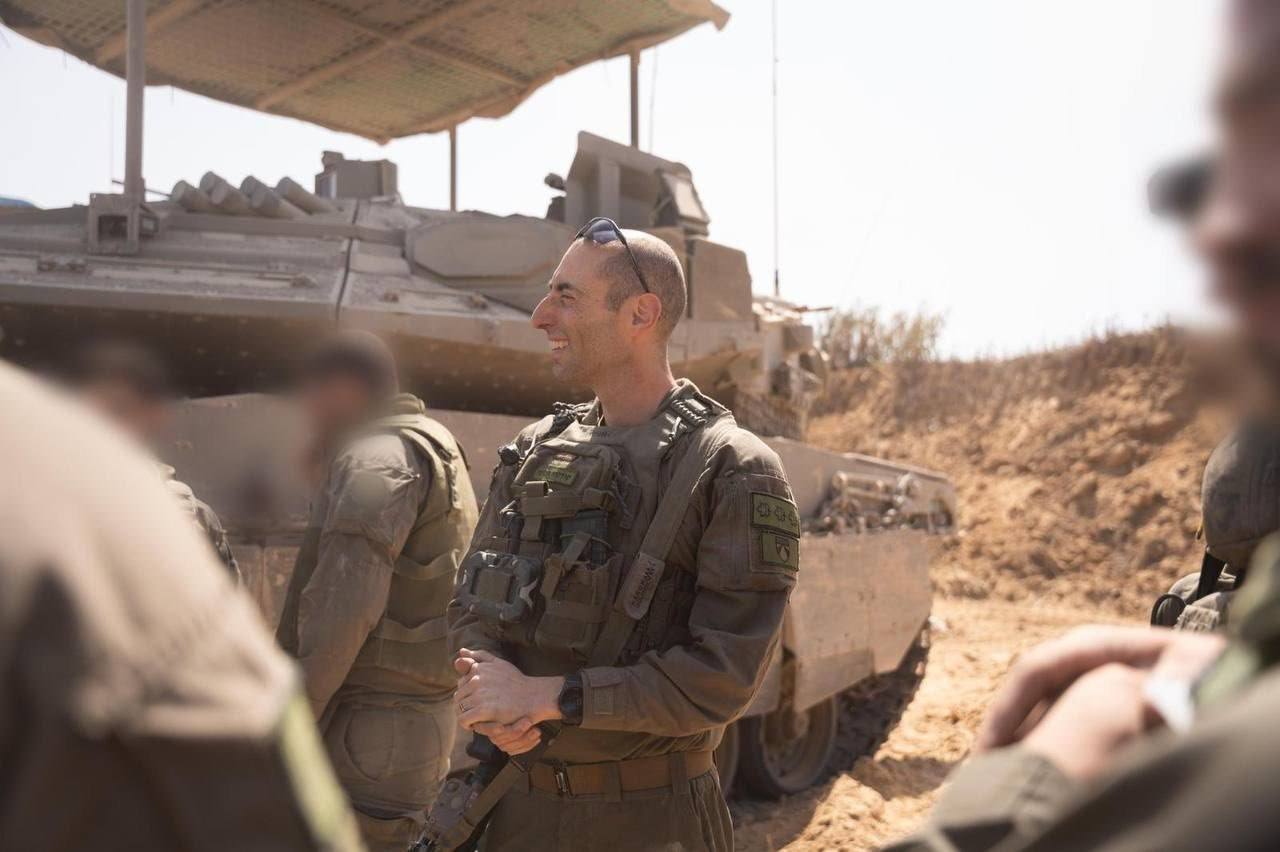
Earlier that afternoon, at 14:45:01, an FPV (first‑person‑view) drone struck a fortified building in the village of Debl, southern Lebanon. The target was the headquarters of the Israeli Defense Forces’ 401st (Iron Track) Armoured Brigade. Brigade commander Meir Biderman sustained serious injuries, and eight additional Israeli soldiers, including a major, were wounded. The incident was documented by GeoPWatch, which supplied a photograph of the damaged structure.
GeoPWatch, 20 May 2026 – “The commander of the IDF’s ‘401st (Iron Track)’ Armoured Brigade, Meir Biderman, was seriously wounded after an FPV drone struck a building he and eight other IDF troops were fortifying in Debl.”
The drone reportedly penetrated safety netting surrounding the building, suggesting a level of sophistication in evading standard defensive measures. While Hezbollah and the Al‑Qassam Brigades were listed as relevant organizations, no claim of responsibility was immediately made.
Explosive Drone Injures IDF Personnel
At 14:04:39, an explosive‑laden drone fell in the same border zone, injuring three Israeli soldiers. According to an IDF spokesperson relayed by the Telegram channel idkunim_il, a combat officer suffered severe injuries, a reserve combat officer was moderately injured, and a reserve soldier received light injuries. All three were evacuated to a hospital for treatment.
idkunim_il, 20 May 2026 – “A combat officer was severely injured and a reserve combat officer was moderately injured as a result of an explosive drone falling in southern Lebanon.”
The incident highlights the increasing use of low‑cost, improvised aerial weapons by non‑state actors operating in the Lebanon‑Israel border area. The IDF’s response included medical evacuation and notification of families, but no retaliatory strike was reported in the immediate aftermath.
Hezbollah Targets Iron Dome Launcher with FPV Drone
At 12:09:23, Hezbollah announced that it had successfully struck an Israeli Iron Dome missile‑defense launcher using an FPV drone along the Israel‑Lebanon border. The claim, posted on the monitoring channel monitor_the_situation, was accompanied by video footage showing the drone approaching the launcher before impact.
monitor_the_situation, 20 May 2026 – “Hezbollah confirms it struck a second Israeli Iron Dome missile defense launcher using a first‑person‑view (FPV) drone along the Israel‑Lebanon border.”
The Iron Dome system is a critical component of Israel’s short‑range air‑defense architecture. Its neutralization, even temporarily, could alter the tactical calculus for both sides, especially as UAV threats proliferate. No casualties were reported from this specific incident, but the loss of a launcher represents a material degradation of Israel’s defensive posture.
Collectively, these events illustrate a pattern of escalating kinetic engagements in southern Lebanon on 20 May 2026. While the airstrike resulted in civilian deaths, the series of UAV attacks inflicted injuries on Israeli military personnel and damaged key defense assets. The incidents were reported by a mix of mainstream media (Al Jazeera) and open‑source intelligence channels (GeoPWatch, idkunim_il, monitor_the_situation), providing a multi‑layered view of the conflict dynamics.
All parties remain engaged in a volatile stalemate, with the cease‑fire’s durability in question. Continued monitoring of UAV activity, airstrike patterns, and the operational status of air‑defense systems will be essential for assessing future escalation risks.