On 19 May 2026 at 01:23 UTC, Russian forces launched a large‑scale airstrike on Kramatorsk, Donetsk Oblast, employing at least fifteen KAB glide‑bombs followed by FPV drone attacks on suburban areas. The strike, reported by the Telegram channel monitor_the_situation, represents one of the most significant single‑weapon deployments in the region since the start of the year. No official casualty figures have been released, but the use of precision glide‑bombs and low‑altitude drones suggests an intent to target both infrastructure and residual defensive positions.
Russia launched a large‑scale attack on Kramatorsk, Ukraine, using at least 15 KAB glide‑bombs and FPV drones. – monitor_the_situation
Airstrike Details and Immediate Impact
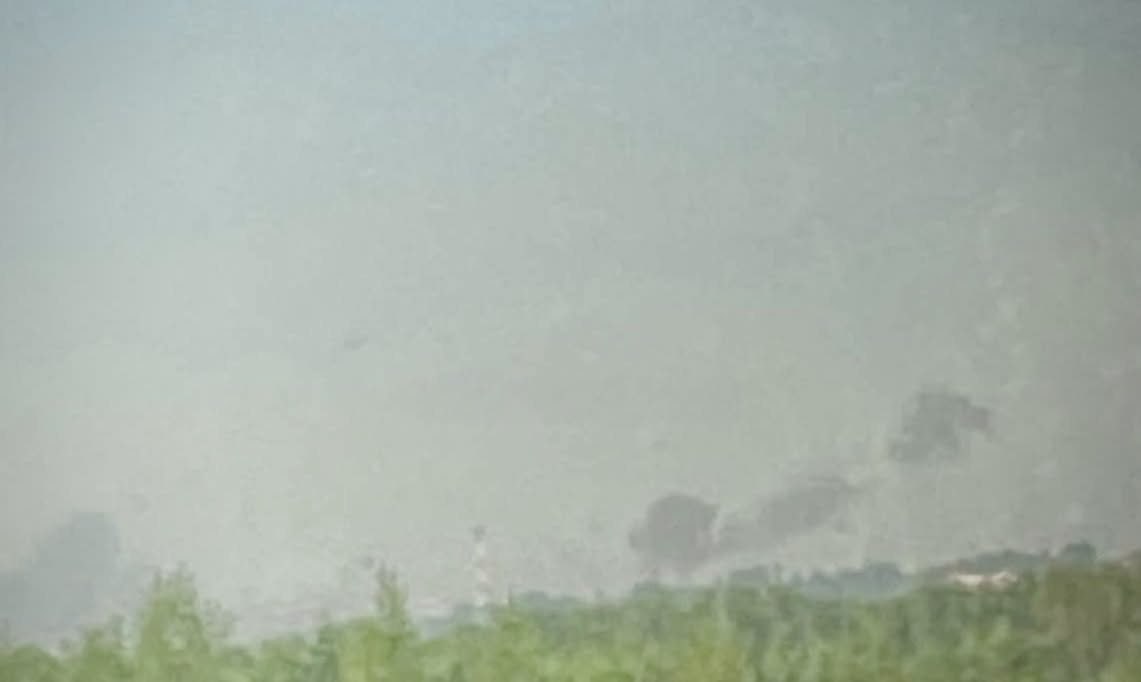
The KAB series, a Russian air‑launched glide‑bomb, is designed to glide up to 120 km from release altitude, allowing aircraft to remain outside the range of most short‑range air defenses. The accompanying FPV (first‑person view) drones were employed to conduct low‑level strikes on secondary targets, a tactic increasingly observed in the Donetsk theatre. Video evidence posted by the source channel shows multiple explosions and smoke plumes over the city’s industrial districts. While the exact damage assessment remains pending, the combination of high‑explosive glide‑bombs and agile drones indicates a coordinated effort to degrade Kramatorsk’s logistical capacity.
Ground Movements: Lyman Front
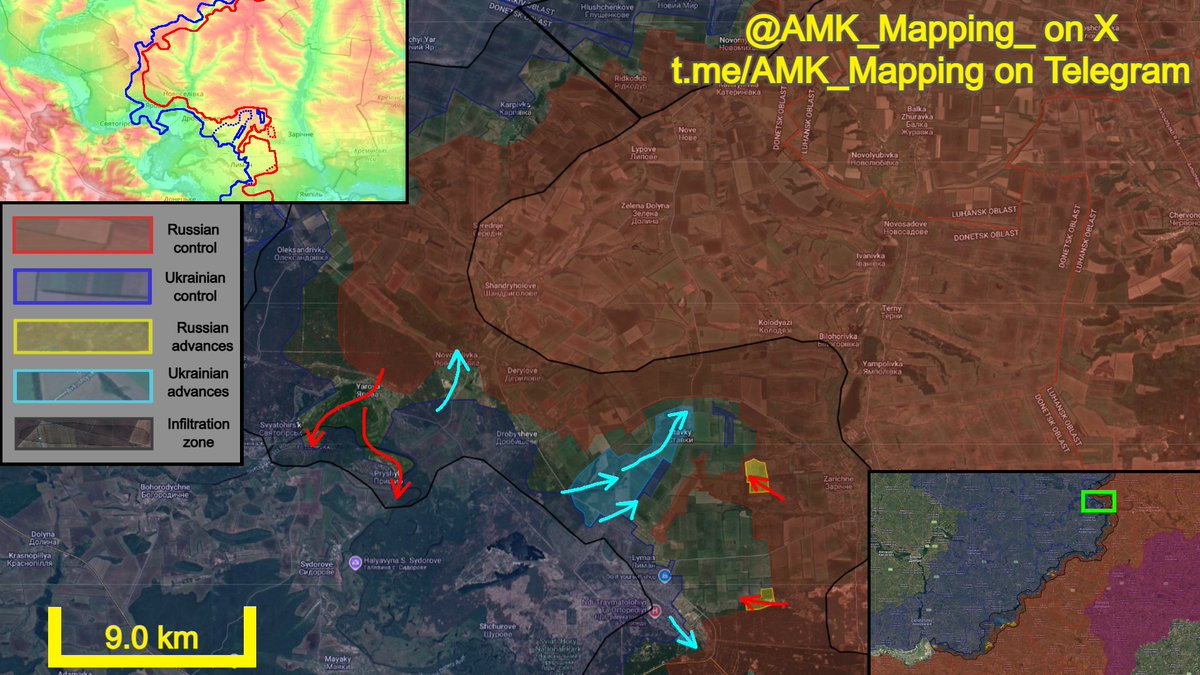
At 04:17 UTC, the same channel reported that Ukrainian forces cleared the southern sector of Lyman after earlier Russian infiltrations, while Russian troops simultaneously cleared forested terrain east of the Masliakivka district, also in the Lyman direction. No weapons were reported in this exchange, and no casualty numbers were disclosed. The reciprocal advances illustrate a fluid front line where both sides are attempting to secure footholds in the contested urban‑rural interface.
Ukrainian forces cleared the southernmost part of Lyman from earlier Russian infiltrations, while Russian forces cleared part of the forest east of the Masliakivka District of eastern Lyman. – monitor_the_situation
Russian Advance Near Minkivka
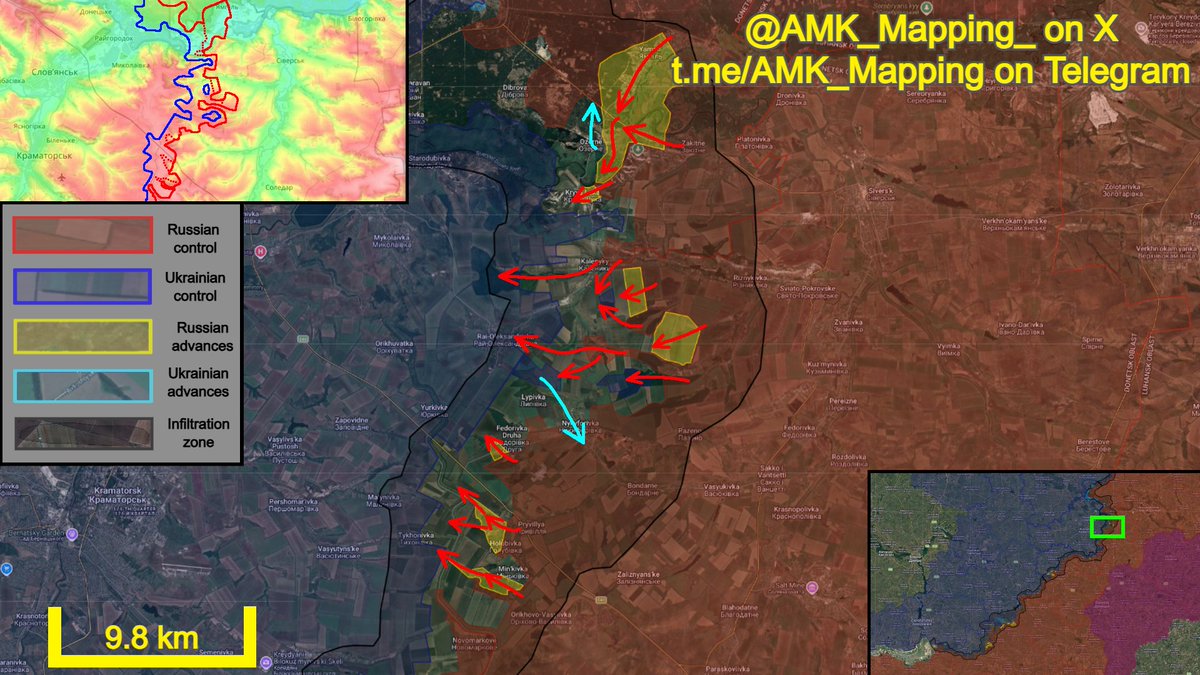
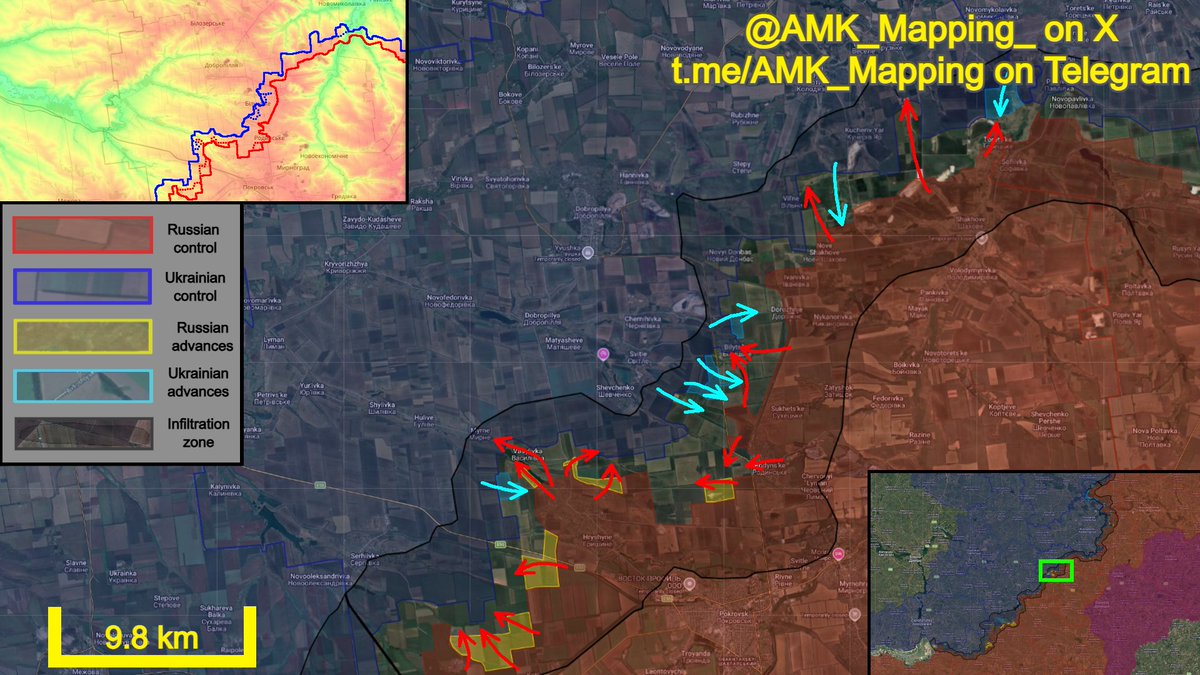
Earlier, at 03:57 UTC, Russian forces were documented advancing near Rai‑Oleksandrivka, clearing the forest in Minkivka and entrenching new positions northwest along treelines. The operation, described as “continuing offensive operations” in the Rai‑Oleksandrivka direction, involved no reported use of heavy weapons, suggesting a focus on maneuver and positional consolidation rather than direct firepower. The lack of casualty data again limits quantitative assessment, but the movement indicates a systematic effort to expand the front toward the north‑west of Donetsk’s central axis.
Intensified Assault on Kostyantynivka
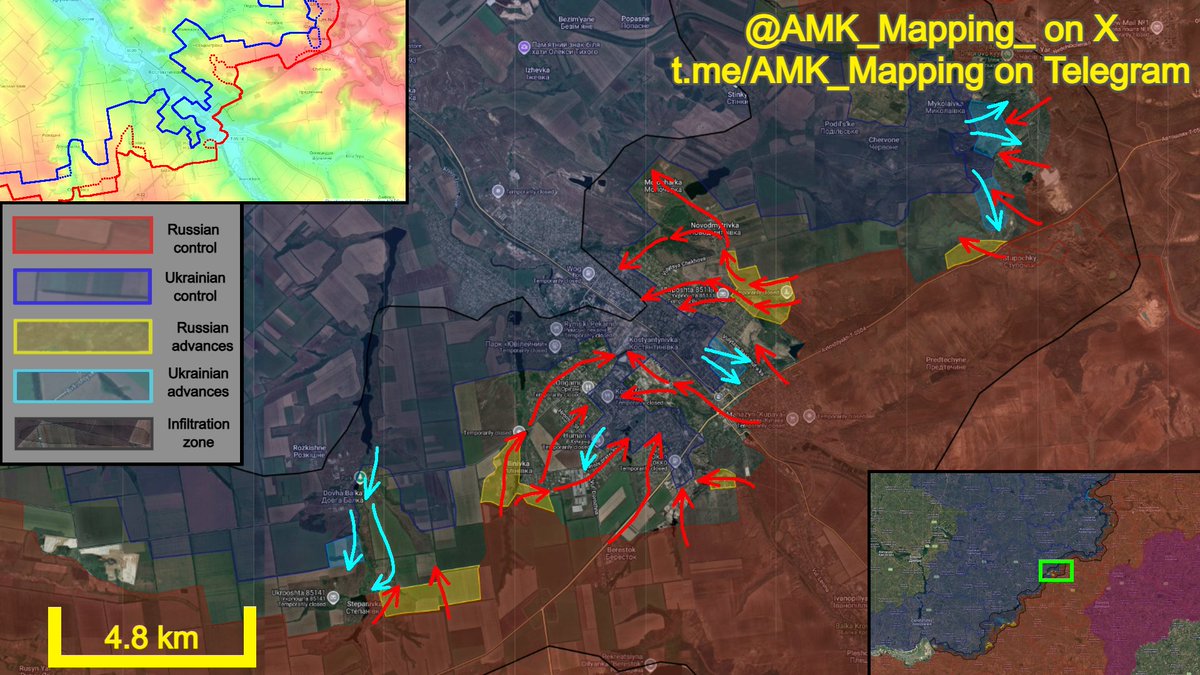
At 03:38 UTC, Russian forces intensified their assault on Kostyantynivka, infiltrating the city from multiple directions. The source noted a deteriorating situation for Ukrainian defenders, though specific weapon systems were not enumerated. The multi‑directional infiltration pattern aligns with Russian doctrine of simultaneous pressure points to overwhelm local command and control. No casualty figures were released, but the description of “massively infiltrating” suggests significant urban combat activity.
Capture of Salient Northeast of Udachne
At 03:14 UTC, Russian troops captured a salient northeast of Udachne after incremental advances northwest of Kotlyne and flanking attacks from the north. The operation, again reported by monitor_the_situation, involved no explicit weapon usage in the report, implying that the capture was achieved through maneuver and possibly small‑arms engagements. The strategic value of the Udachne salient lies in its proximity to supply routes linking the Dobropillya direction with the broader Donetsk front.
Ukrainian Drone Strike on Yaroslavl Oil Refinery
Separately, the Telegram channel BellumActaNews reported that Ukrainian attack drones struck the Yaroslavl oil refinery in Russia at 03:23 UTC, igniting fires, smoke, and explosions. While the incident occurred outside the immediate Donetsk battlefield, it underscores the expanding reach of Ukrainian UAV capabilities. The refinery is among Russia’s largest, and any disruption could have broader economic implications. No casualty data were provided, and the report relied on visual confirmation of smoke and fire.
Ukrainian attack drones struck the Yaroslavl oil refinery in Russia, causing fire, smoke and explosions. – BellumActaNews
Operational Analysis
The events of 19 May 2026 demonstrate a marked escalation in both kinetic and unmanned warfare across the Donetsk sector. The Kramatorsk glide‑bomb attack represents a high‑value use of precision munitions, likely intended to degrade Ukrainian logistical nodes while testing the resilience of air‑defense systems. Concurrently, Russian ground forces are executing a series of incremental advances—Minkivka, Kostyantynivka, Udachne—characterized by forest clearing, entrenchment, and multi‑axis infiltration. Ukrainian forces, while capable of localized counter‑clearances such as in Lyman, appear to be on the defensive in several urban locales.
Ukrainian drone operations, exemplified by the Yaroslavl strike, indicate a strategic intent to project pressure beyond the front line, targeting critical Russian infrastructure. The use of attack drones for deep strikes complements the defensive posture on the ground and adds a layer of complexity to Russian force protection planning.
Overall, the combination of high‑precision air strikes, coordinated ground maneuvers, and cross‑border UAV attacks suggests a broadening of the conflict’s intensity and geographic scope. Monitoring of casualty reports, air‑defense performance, and logistical impacts will be essential for assessing the next phase of operations.