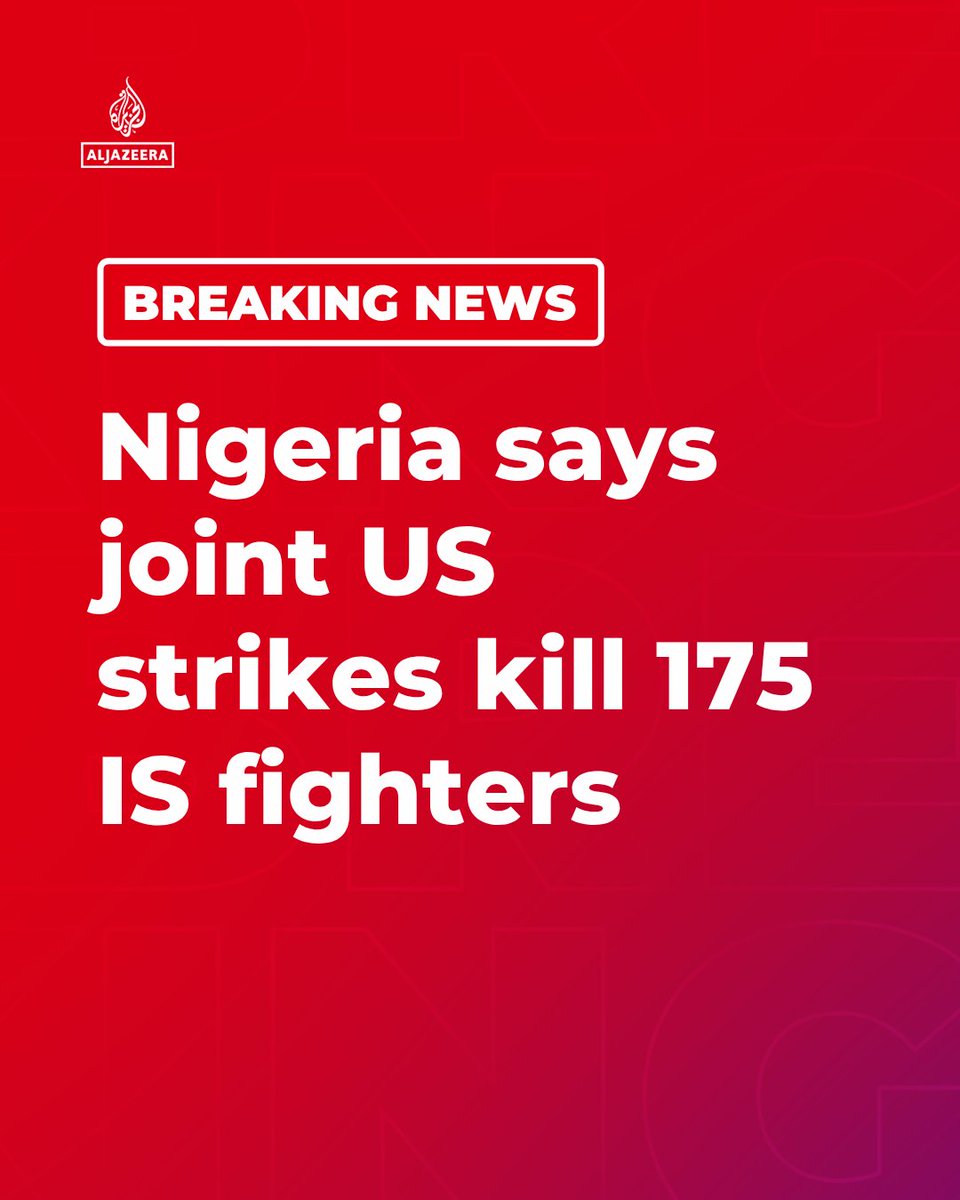
On 19 May 2026, a joint air operation by Nigerian and United States forces targeted an Islamic State (IS) stronghold in Nigeria, resulting in the deaths of 175 fighters, among them the group’s global deputy leader. The strike, confirmed by the monitoring channel monitor_the_situation, represents the most lethal kinetic event recorded on the day and marks a significant degradation of IS operational capacity in West Africa.
Details of the Nigeria‑US Airstrike
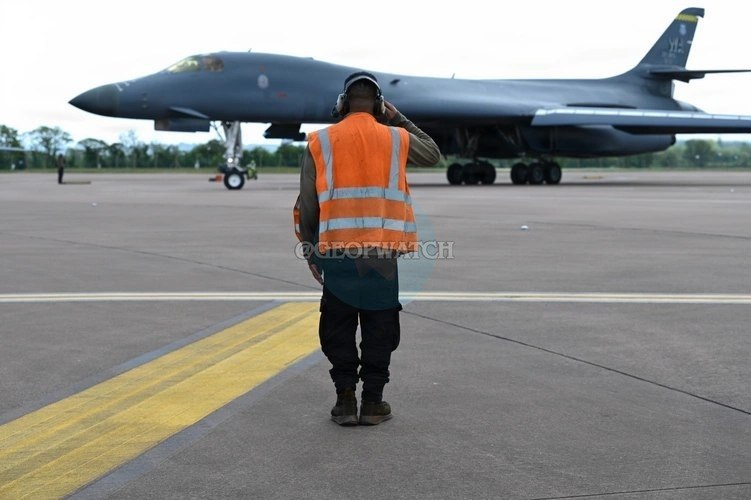
The coordinated sortie, launched at 16:39 UTC, employed precision‑guided munitions from both Nigerian Air Force platforms and U.S. Air Force assets. While the specific weapon systems were not disclosed, the operation’s success was measured by the confirmed casualty figure and the elimination of senior IS command personnel. The strike’s impact was documented in a photo released on the Telegram channel https://t.me/monitor_the_situation/17143. No civilian casualties were reported.
"Nigeria‑US airstrikes kill 175 Islamic State fighters, including deputy leader," monitor_the_situation, 19 May 2026.
Escalating Violence in the Levant
Within the same 24‑hour window, Israeli military actions in Lebanon resulted in at least 22 civilian deaths, pushing the cumulative death toll since 2 March to 3,042, according to the Lebanese Health Ministry. The Ministry’s statement, relayed by Al Jazeera, underscores the intensifying cross‑border hostilities between Israel and Hezbollah‑aligned forces. No specific weapons were enumerated, but the attacks were described as aerial and artillery strikes.
"At least 22 killed in Israeli attacks on Lebanon in 24 hours: Ministry," AlJazeera, 19 May 2026, source.
High‑Profile Diplomatic Threats and Military Posturing
President Donald Trump issued a series of stark warnings concerning Iran’s nuclear program. At 15:56 UTC, Trump announced that the United States could launch a strike against Iran within days if a nuclear deal was not reached, simultaneously pledging to remove enriched uranium from Iranian facilities. A later statement at 14:52 UTC claimed he was "one hour away" from ordering new strikes. These remarks, broadcast via the same Telegram channel, heightened diplomatic tensions and foreshadowed potential kinetic escalation.
"President Trump warned that the US could launch a military strike against Iran within days if a nuclear deal is not reached," monitor_the_situation, 19 May 2026, source.
Maritime Threats in the Strait of Hormuz
The United Arab Emirates publicly condemned Iran’s deployment of sea mines in the Strait of Hormuz, describing the action as a direct threat to commercial navigation. The mines, confirmed by satellite imagery and naval patrol reports, have forced rerouting of merchant vessels and increased insurance premiums for regional shipping. The UAE’s statement, also posted on monitor_the_situation, highlights the expanding theater of kinetic threats beyond land‑based engagements.
"UAE condemns Iran sea mines in Strait of Hormuz disrupting navigation," monitor_the_situation, 19 May 2026, source.
Urban Bombings and Drone Attacks Across the Region
Multiple explosive incidents were reported in Syria and Sudan. In Damascus’s Bab Sharqi district, a car bomb detonated near the Defence Ministry, killing at least one civilian and wounding 21. A separate vehicle‑borne IED exploded near the same ministry later in the day, underscoring a pattern of targeted attacks on government infrastructure.
In Sudan’s Kurdufan region, a hostile drone strike on a market killed 28 people, marking one of the deadliest UAV‑related incidents in the country for 2026. Both events were documented by Al Jazeera and the monitoring channel respectively.
"Car bomb near Defence Ministry in Damascus kills at least one, wounds 21," AlJazeera, 19 May 2026, source.
"Drone Attack Kills 28 at Market in Kurdufan, Sudan," monitor_the_situation, 19 May 2026, source.
Additional Kinetic Developments
Other notable incidents include:
- An Israeli airstrike in Gaza City killed at least one civilian (monitor_the_situation, 14:43 UTC).
- A cruise‑missile strike by U.S. forces likely destroyed a girls’ school in Minab, Iran, which was situated on an active missile base (JPost, 15:16 UTC).
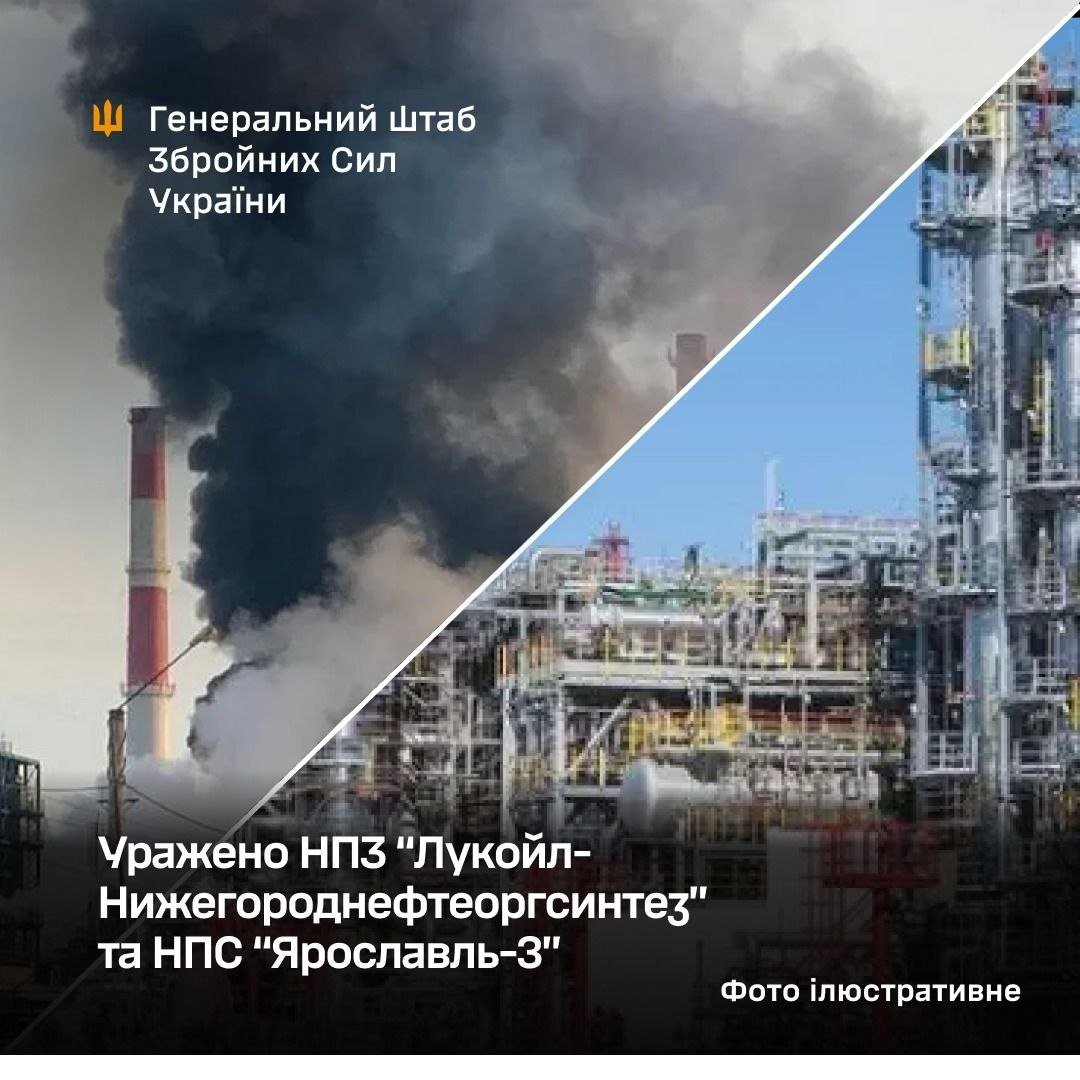
- Ukrainian forces reported a successful drone strike on Russia’s Lukoil refinery in Kstovo, igniting a fire and disrupting production (monitor_the_situation, 11:18 UTC).
- U.S. Central Command disclosed the redirection of 88 commercial vessels and the disabling of four ships as part of broader maritime security operations in the Arabian Sea (GeoPWatch, 12:47 UTC).
These events collectively illustrate a day of heightened kinetic activity spanning air, land, sea, and cyber‑enabled domains, with civilian populations bearing a substantial portion of the toll.
Implications for Regional Stability
The convergence of high‑intensity strikes, drone warfare, and maritime interdictions suggests a multi‑vector escalation pattern. While the Nigeria‑US airstrike directly targets a non‑state extremist group, parallel state‑to‑state threats—particularly between the United States and Iran—raise the risk of broader conflict spillover. The proliferation of hostile UAVs, sea mines, and precision strikes underscores the increasing accessibility of advanced weaponry to both state and proxy actors.
Monitoring agencies and intelligence services will likely focus on three immediate concerns: the operational resilience of IS in West Africa post‑strike, the potential for retaliatory actions by Iran against U.S. and allied assets, and the humanitarian impact of continued urban bombings in Syria and Lebanon.