On May 18, 2026, U.S. Central Command announced the strict enforcement of a naval blockade against Iranian ports in the Strait of Hormuz, redirecting eighty‑five commercial vessels to ensure compliance. The operation, reported by the monitor_the_situation channel, marks a significant escalation in economic pressure on Tehran and underscores the United States’ willingness to project power in a critical chokepoint for global oil shipments.
US Enforces Blockade Against Iranian Ports, Redirects 85 Vessels
Bab el‑Mandeb Drone Downing and Anticipated Closure
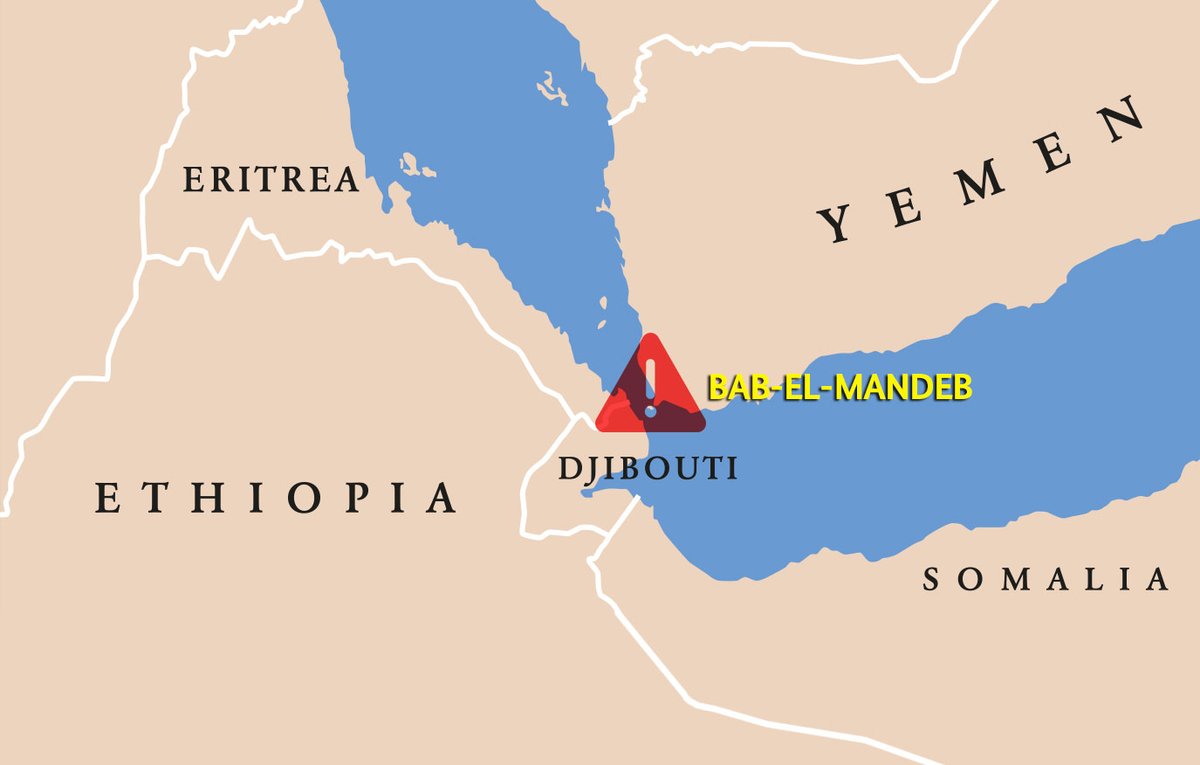
Earlier that afternoon, the United States warned that the Bab el‑Mandeb Strait could be closed following the loss of a MQ‑9 Reaper drone to hostile fire. The incident, also sourced from monitor_the_situation, prompted a rapid increase in U.S. surveillance over Yemen. The drone’s downing, occurring less than 24 hours after the Strait of Hormuz blockade, highlights the expanding aerial contest in international waters surrounding the Arabian Peninsula.
Russia’s Massive Overnight UAV and Missile Assault on Ukraine
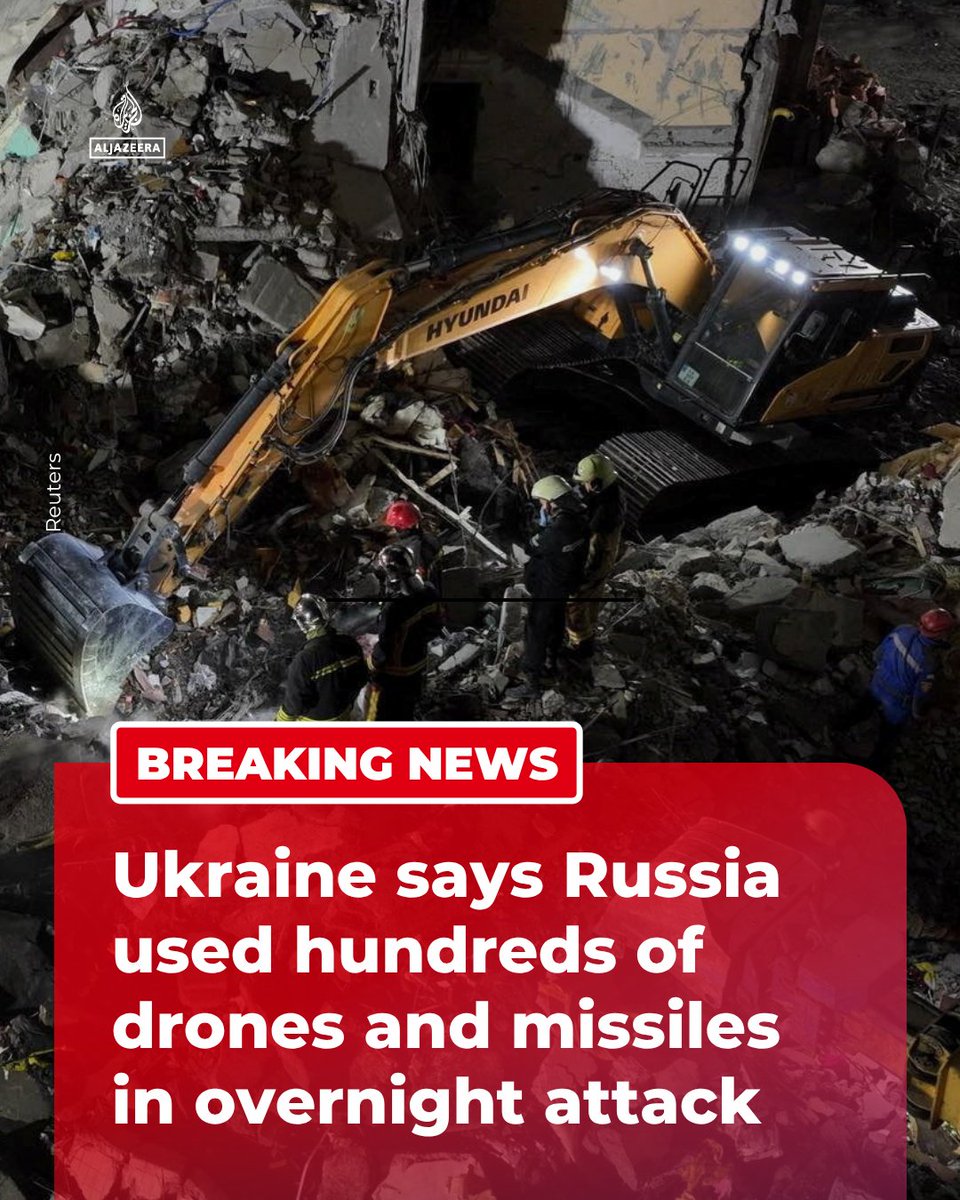
In a separate theater, Russian forces launched an unprecedented overnight attack on Ukraine, deploying 524 drones and 22 missiles across the country. The Ukrainian Air Force confirmed the scale of the strike, describing it as one of the largest aerial assaults of the war. Concurrently, Russian launch sites in Taganrog, Rostov Oblast, fired approximately eight Iskander‑M and S‑400 ballistic missiles and six Iskander‑K cruise missiles at Ukrainian infrastructure, according to monitor_the_situation. The combined missile‑drone barrage represents a coordinated effort to degrade Ukraine’s command, control, and logistics networks.
Regional Interceptions and Massive Counter‑Measures
Centcom reported intercepting 6,000 drones and 1,500 ballistic missiles launched by Iran targeting a broad coalition of regional states, including the United Arab Emirates, Saudi Arabia, Jordan, Kuwait, Bahrain, Qatar, Oman, and Iraq. The interception data, published by JPost, illustrates the scale of Iranian missile and UAV capabilities and the extensive defensive posture of U.S. and allied forces in the region.
Hezbollah Rocket Activity and Israeli Responses
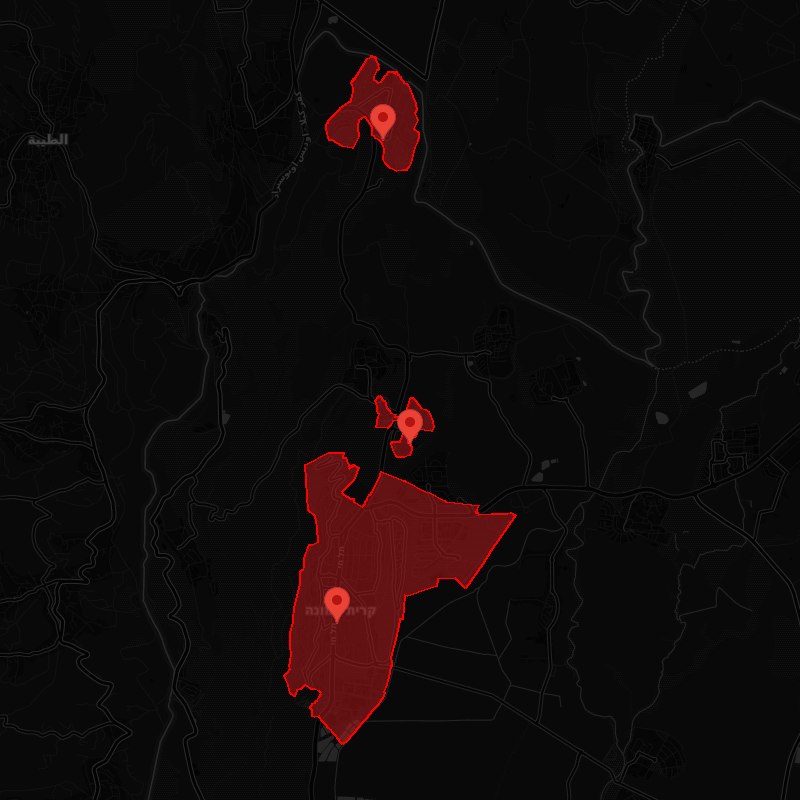
Hezbollah fired rockets that triggered alerts in Kiryat Shmona and Tel Hai in northern Israel, as documented by monitor_the_situation and RocketAlert. The group also claimed to have struck a second Israeli Iron Dome launcher in the Northern District. Israeli forces responded with a ground raid in Al‑Khyam, southern Lebanon, seizing anti‑tank launchers, explosives, and small arms, according to monitor_the_situation. These exchanges demonstrate the persistent low‑intensity conflict along the Israel‑Lebanon border.
Naval Operations in the Arabian Sea and Mediterranean
In the Arabian Sea, the U.S. Navy destroyer USS Delbert D. Black (DDG 119) enforced a maritime blockade against Iran, redirecting eighty‑four commercial vessels and disabling four, as reported by monitor_the_situation. Simultaneously, Israeli forces intercepted multiple vessels of the Gaza‑bound Global Sumud Flotilla in international waters near Cyprus, a development covered by AlJazeera. These actions reflect heightened naval activity aimed at controlling the flow of goods and humanitarian aid amid the broader conflict.
Drone Threats to Critical Infrastructure
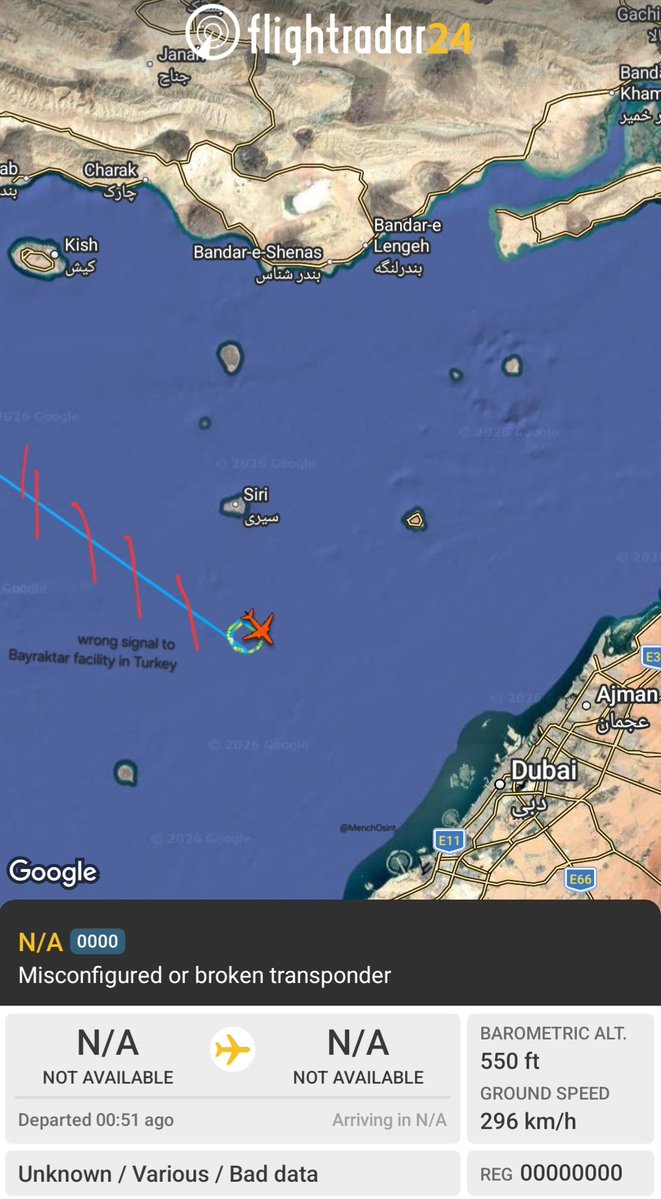
A drone reportedly approached the Barakah nuclear power plant in Abu Dhabi, United Arab Emirates, narrowly missing the facility, according to AlJazeera. Separate reports indicated that a UAE Bayraktar UAV conducted reconnaissance flights near Iran’s Abu Musa and Siri islands, while Iraqi‑origin drones targeted Saudi Arabia and a drone strike hit the Barakah plant, as noted by JPost. The proliferation of UAV operations near strategic assets raises concerns about the vulnerability of critical infrastructure in the Gulf region.
Ground Movements, Assassinations, and Regional Deployments
Pakistan deployed thousands of troops, a combat squadron, and air‑defence systems to Saudi Arabia under a security pact, a move reported by JPost and idkunim_il. In Lebanon, Israeli forces killed a Palestinian Islamic Jihad commander in an overnight strike in the Baalbek area, while Israeli reservists were compelled to cross the Lebanon border despite reduced benefit tiers, as detailed by JPost. Additionally, Iranian authorities allegedly funded Romanian nationals to stab a UK‑based journalist, an incident highlighted by JPost.
Broader Implications
The convergence of naval blockades, large‑scale drone and missile attacks, and targeted assassinations on May 18 underscores a marked intensification of kinetic operations across multiple domains. The United States’ enforcement of blockades in both the Strait of Hormuz and the Arabian Sea signals a strategic intent to constrain Iran’s maritime logistics, while Iran’s expansive missile and drone launches demonstrate a capacity for rapid, high‑volume strikes. Concurrently, non‑state actors such as Hezbollah continue to leverage rocket attacks to pressure Israel, prompting retaliatory ground operations. The multiplicity of actors, weapon systems, and theaters suggests a heightened risk of escalation that could draw additional regional and global powers into direct confrontation.