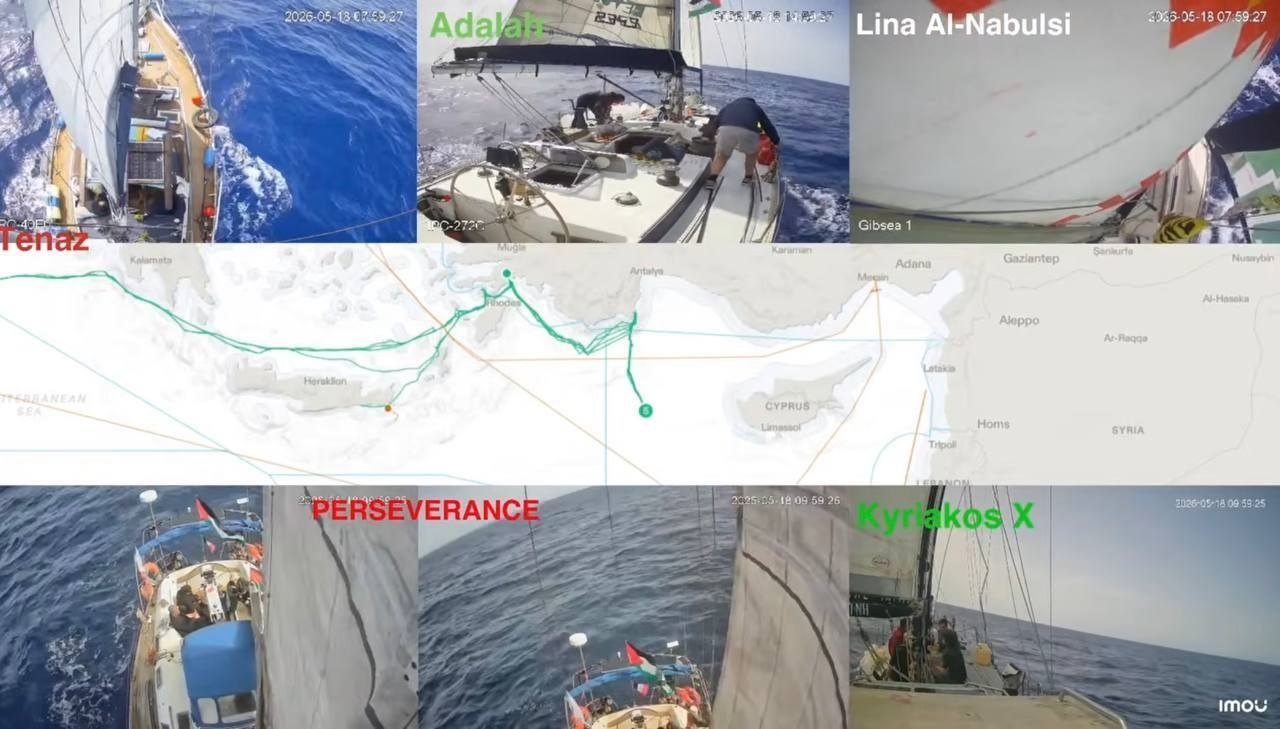
On May 18, 2026, Israeli troops launched a coordinated assault on the Global Sumud humanitarian flotilla attempting to breach the Gaza blockade, marking the most significant kinetic event of the day. The operation, reported by the monitor_the_situation channel, involved the boarding and arrest of vessels without the use of lethal weapons, but it escalated the maritime standoff that has defined the humanitarian corridor for months. No casualties were reported among the flotilla crew or Israeli forces, yet the incident underscores a decisive shift toward direct interdiction of aid shipments.
Naval Interdiction Sequence
At 08:01:05, the Israeli Navy began boarding and arresting boats from the Gaza‑bound flotilla, as documented by rnintel. Within minutes, Israeli commandos boarded at least two vessels, employing electronic jamming techniques that replaced the flotilla’s radio communications with pop songs, notably tracks by Britney Spears. The unusual tactic was described in a rnintel post:
"The IDF is blocking radio communication of the flotilla vessels by playing Brittney Spears songs. At least 2 vessels have already been boarded by Israeli Commandos."This non‑lethal method aimed to disrupt coordination among the aid ships while avoiding direct confrontation.
At 08:11:46, the critical incident unfolded when Israeli forces physically attacked the Global Sumud flotilla, as confirmed by monitor_the_situation. The assault involved the deployment of naval personnel onto the decks of the vessels, a move captured on video and disseminated through the same channel. While the report lists “weapons: none,” the presence of armed Israeli troops and the boarding actions constitute a clear escalation of force.
Subsequent footage released at 09:01:06 by idkunim_il showed Israeli Navy personnel stationed on the decks of ships heading to Gaza, confirming the sustained presence of Israeli forces on the maritime corridor. By 12:07:18, rnintel reported that the IDF had successfully jammed the flotilla’s communications and continued boarding operations, reinforcing the earlier actions.
Ground Operations in the West Bank and Gaza
Parallel to the naval actions, Israeli ground forces engaged in lethal force in the West Bank at 14:31:20, killing a Palestinian man. The monitor_the_situation channel provided video evidence of the shooting, noting that no weapons were reported on either side. The incident heightened already volatile tensions in the occupied territory and illustrates the broader pattern of kinetic engagements beyond the maritime theater.
Earlier in the day, at 07:09:25, an Israeli Air Force aircraft targeted a Hamas sniper in the southern Gaza Strip. The strike, coordinated with IDF Gaza Division forces, eliminated the sniper who was preparing to attack Israeli troops. The operation, detailed by monitor_the_situation, employed aircraft as the weapon system and resulted in the death of a single combatant, with no civilian casualties reported.
Pre‑emptive Seizure of Overland Aid Convoys
At 07:20:31, Israeli authorities announced preparations to seize a Turkish IHH convoy bound for Gaza. The announcement, posted by idkunim_il, cited a directive from the Israeli Foreign Ministry urging the convoy to turn back. While the convoy had not yet been intercepted, the statement signaled an intent to block overland humanitarian aid in coordination with the maritime interdiction.
Context and Implications
The series of events on May 18 reflects a coordinated Israeli strategy to control both sea and land entry points into Gaza. By employing naval boarding, electronic jamming, and ground force actions, Israel appears to be tightening the blockade while simultaneously targeting individual combatants, such as the Hamas sniper. The lack of reported casualties in the naval incidents suggests a deliberate effort to avoid international condemnation that might arise from civilian deaths, yet the use of force against humanitarian vessels raises significant legal and ethical concerns under international humanitarian law.
Monitoring agencies, including monitor_the_situation, rnintel, and idkunim_il, have provided video documentation for each incident, offering a transparent record of the kinetic actions. The convergence of multiple operational domains—naval, aerial, and ground—demonstrates a multi‑layered approach to enforcement of the blockade and suppression of perceived threats.