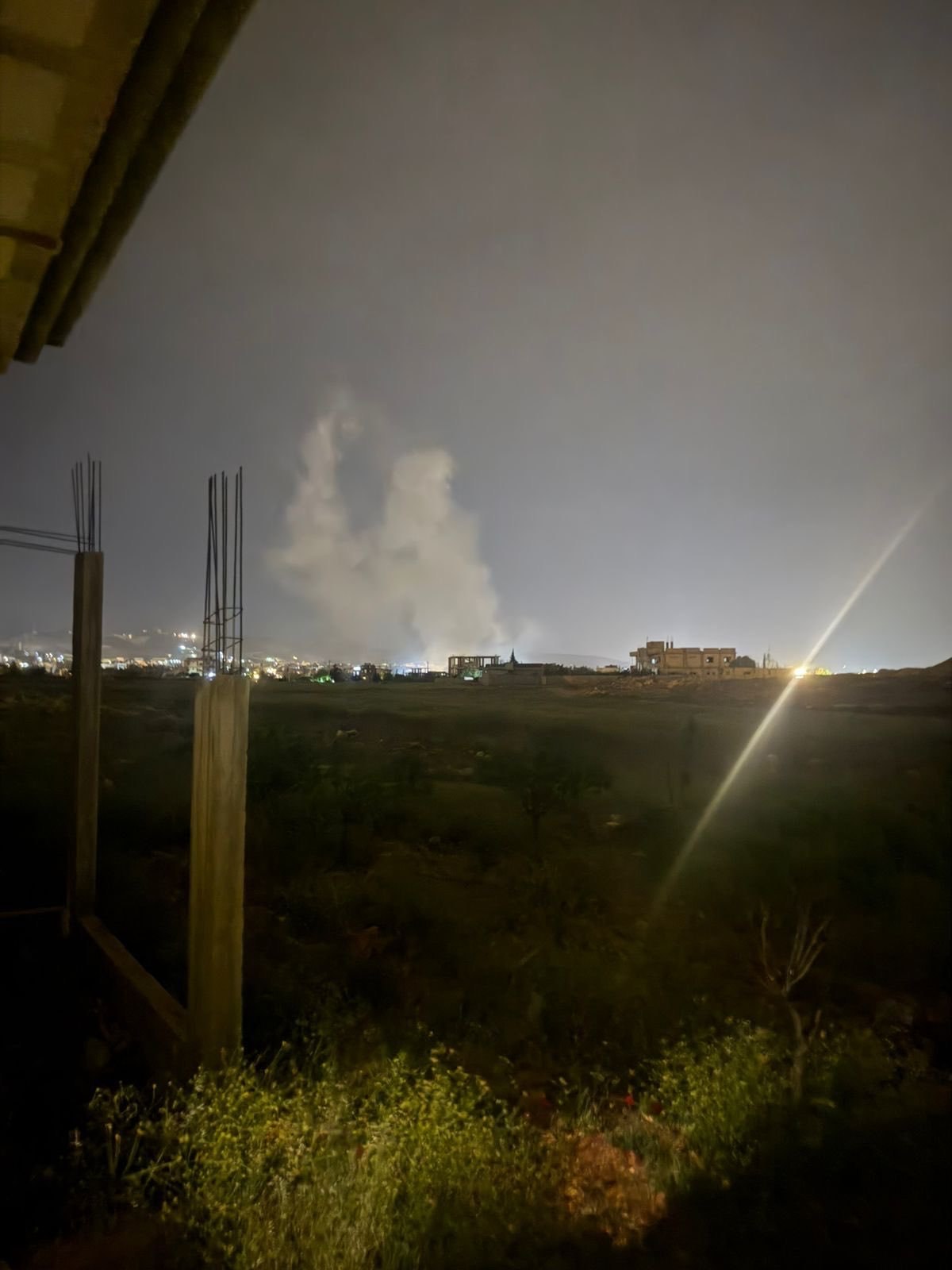
At 04:03 GMT on 18 May 2026, an Israeli airstrike struck the village of Tarawa in Lebanon’s Baalbek District, marking the most significant kinetic event recorded in the country on this date. The operation, reported by BellumActaNews, caused material damage but, according to the source, no immediate civilian casualties were confirmed. The strike occurred in the early morning hours, a pattern consistent with previous Israeli incursions aimed at disrupting militant infrastructure in the north‑eastern Lebanese hinterland.
Israeli Airstrike in Baalbek District
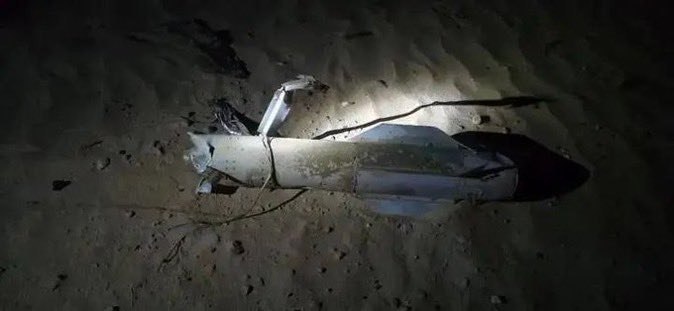
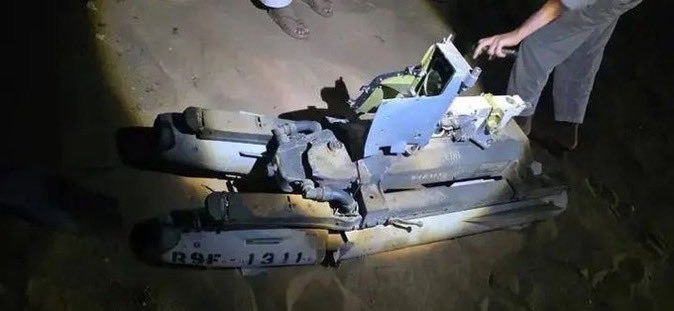
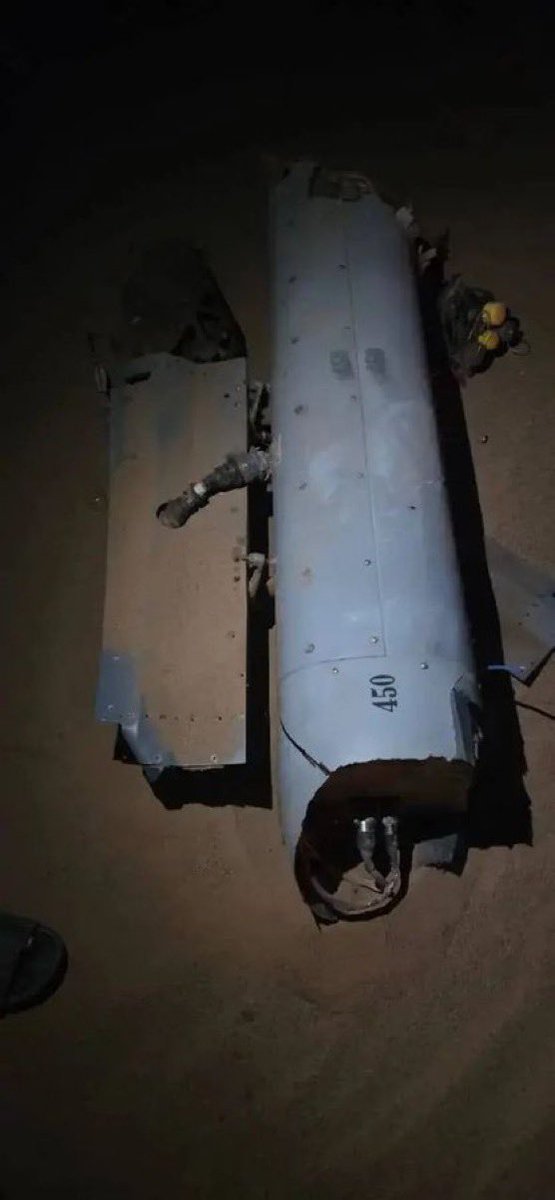
The Tarawa attack was executed without disclosed weaponry, suggesting the use of precision‑guided munitions typical of Israel’s air campaign in the region. BellumActaNews provided a single photographic item illustrating the impact site, though the image did not reveal the specific ordnance employed. The timing of the strike—shortly after the extension of a cease‑fire between Israel and Hezbollah—raises questions about the operational criteria governing Israeli use of force in Lebanon. While the Israeli Defence Forces (IDF) have not issued an official statement, the incident aligns with a broader pattern of targeted air operations aimed at perceived threats in the Baalbek area, a known conduit for arms smuggling and militant activity.
"Israeli airstrike targets Tarawa in Baalbek District, eastern Lebanon," BellumActaNews, 18 May 2026, https://t.me/BellumActaNews/172862
Assassination of Palestinian Islamic Jihad Official
Within the same hour, another kinetic event unfolded in Baalbek. BellumActaNews confirmed the targeted killing of Wael Abdel Halim, identified as a senior official of the Palestinian Islamic Jihad (PIJ). The assassination was described as a “confirmed targeted assassination,” implying a pre‑planned operation, likely involving a covert strike or a precision‑guided munition. No weapon type was disclosed, and the source did not specify casualty figures beyond the death of Abdel Halim. The incident underscores the overlapping nature of Israeli security actions against both Lebanese and Palestinian militant actors operating within Lebanese territory.
"Confirmed targeted assassination: the Baalbek strike targeted Wael Abdel Halim, a Palestinian Islamic Jihad official," BellumActaNews, 18 May 2026, https://t.me/BellumActaNews/172863
Airstrike in Tyre Amid Cease‑Fire Extension
Later that morning, at 01:59 GMT, Israeli forces conducted airstrikes on the southern Lebanese city of Tyre, as reported by Al Jazeera. The operation took place despite a recent extension of the cease‑fire that had been negotiated between Israel and Hezbollah. Al Jazeera’s correspondent Obaida Hitto documented the strikes, noting that the attacks targeted infrastructure believed to be linked to militant groups operating along the southern coast. Similar to the Baalbek strike, the Tyre operation was described without explicit weapon details, reinforcing the likelihood of precision munitions designed to minimize collateral damage while achieving tactical objectives.
"Israel launches strikes on southern Lebanon despite extending ‘ceasefire’," Al Jazeera, 18 May 2026, https://www.aljazeera.com/video/newsfeed/2026/5/18/israel-launches-strikes-on-southern-lebanon-despite-extending?traffic_source=rss
Operational Patterns and Regional Implications
The three incidents recorded on 18 May illustrate a coordinated Israeli approach that blends overt airpower with covert targeted killings. The selection of Baalbek and Tyre reflects strategic priorities: Baalbek serves as a logistical hub for Hezbollah and affiliated groups, while Tyre remains a flashpoint for cross‑border hostilities. The simultaneous execution of an airstrike and an assassination in Baalbek suggests a synchronized effort to degrade both the physical infrastructure and the leadership cadre of hostile actors.
From an analytical perspective, the timing of these operations—occurring shortly after a cease‑fire extension—indicates that Israel continues to reserve the right to conduct limited kinetic actions deemed essential to its security calculus. The lack of reported civilian casualties may be intentional, aiming to preserve the diplomatic veneer of proportionality while signaling resolve to both Hezbollah and Palestinian militant factions operating in Lebanon.
Lebanese authorities have not released official statements regarding the incidents, and the Lebanese Armed Forces have not confirmed any casualties or damage assessments. The absence of a coordinated Lebanese response may reflect the fragmented nature of state authority in areas where non‑state actors wield significant influence.
Source Attribution
All event details are derived from open‑source intelligence (OSINT) channels: BellumActaNews (Telegram), Al Jazeera (online video feed), and associated media items. No additional classified or unverified sources were consulted for this briefing.