On 17 May 2026, Ukraine executed a series of high‑intensity kinetic operations that combined strike drones, HIMARS rockets, and kamikaze unmanned systems against Russian‑controlled infrastructure and forces in several oblasts. The most consequential action occurred near Selydove in Donetsk Oblast, where the Ukrainian 7th Air Assault Corps employed both precision‑guided rockets and aerial drones to neutralise a Russian logistics hub that supported ongoing Molniya drone strikes against Ukrainian positions.
Donetsk Oblast: Logistics Hub Hit
At 12:47 UTC, strike drones and HIMARS rockets were launched from Ukrainian‑held territory toward a Russian supply warehouse and an antenna array located on the outskirts of Selydove. The target housed ammunition, fuel, and communications equipment that coordinated the Molniya loitering‑munition attacks. Post‑strike assessments, sourced from the open‑source channel monitor_the_situation, confirmed extensive damage to the warehouse roof, the destruction of the antenna mast, and the ignition of stored fuel reserves. No casualty figures were released, but the loss of the antenna is expected to degrade Russian command‑and‑control capabilities for drone operations in the sector.
Source: https://t.me/monitor_the_situation/16795
Kherson Oblast: Multi‑Target Drone Assault
Earlier in the day, at 11:36 UTC, Ukraine’s Unmanned Systems Forces deployed a mixed salvo of FP‑1, FP‑2, and other kamikaze drones against a concentration of Russian assets in Kherson Oblast. The drones struck a Project 10410 patrol ship operating on the Dnieper River, a Tor‑M2 short‑range air‑defence system, a freight train transporting military supplies, multiple command posts, port cranes, and a communications tower. The coordinated attack disrupted riverine logistics and temporarily disabled the air‑defence battery, creating a brief window for further Ukrainian operations in the southern theatre. The source channel reported the operation as “significant” (S3) and provided video evidence of the drone impacts.
Source: https://t.me/monitor_the_situation/16786
Crimea and Black Sea Fleet Facilities
From 10:29 UTC onward, Ukrainian unmanned systems conducted a large‑scale strike that spanned the Crimean peninsula and the port city of Berdiansk. Drones targeted Russian Tor‑M2 air‑defence batteries, logistics nodes, command and communications centres, and a protected Black Sea Fleet communications node on the Crimean coast. Simultaneously, port cranes in Berdiansk were hit, impairing cargo handling capabilities. The operation demonstrated Ukraine’s ability to project power across the Kerch Strait and to threaten critical maritime infrastructure supporting Russian naval operations in the Black Sea.
Source: https://t.me/monitor_the_situation/16776
Russian Geranium Drone Campaign in Central Ukraine
At 10:49 UTC, Russian forces employed Geranium loitering‑munition drones against civilian and dual‑use infrastructure in Zaporizhzhia, Kharkiv, and Dnipropetrovsk regions. Targets included a gas station in Zaporizhzhia and several facilities in Kryvyi Rih, Nikopol, and the Sinekhivskyi district. While the attacks caused localized explosions and smoke, no confirmed casualties were reported. The use of Geranium drones reflects a continued Russian emphasis on low‑cost, expendable UAVs to pressure Ukrainian logistics and civilian morale.
Source: https://t.me/monitor_the_situation/16778
Kryvyi Rih Urban Drone Strike
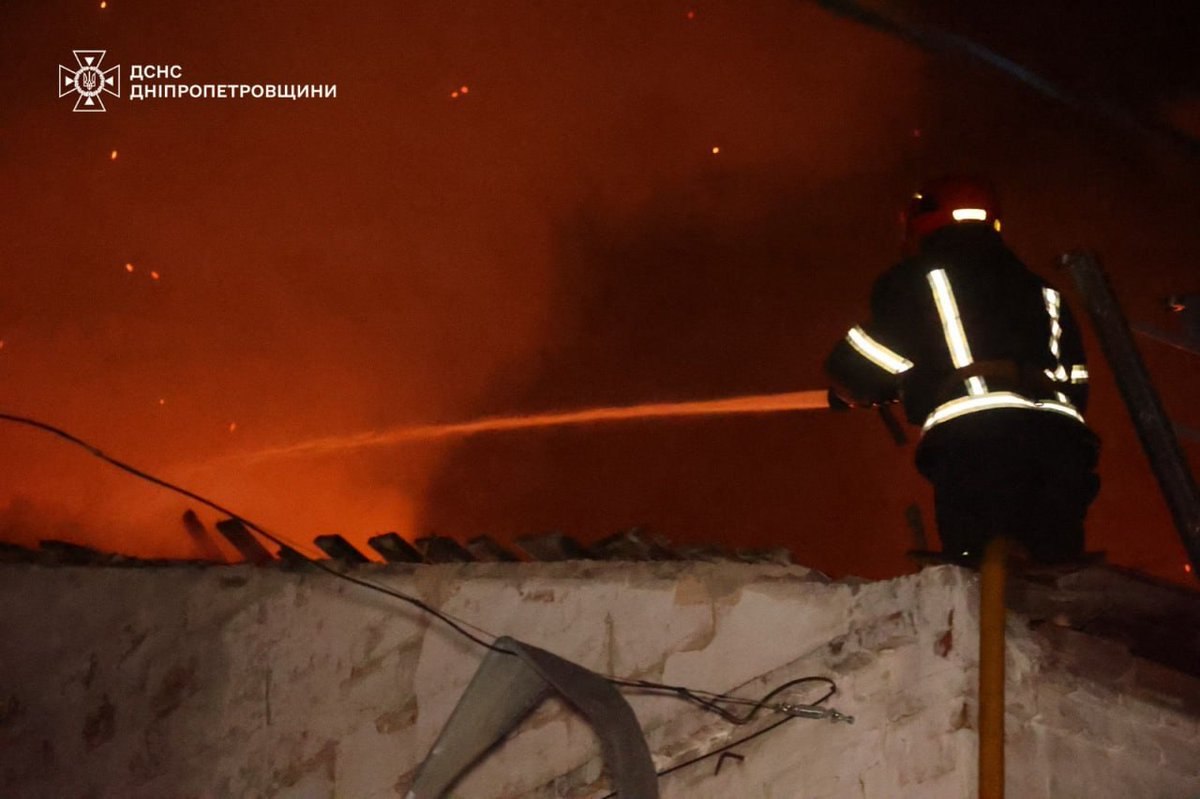
At 08:49 UTC, a separate Russian drone sortie struck the industrial city of Kryvyi Rih in Dnipropetrovsk Oblast. The impact generated powerful explosions and visible plumes of smoke over residential districts. The incident was documented by a single photograph circulated on the same monitoring channel. Although the strike did not result in reported fatalities, it underscores the persistent threat of aerial attacks on Ukrainian urban centres.
Source: https://t.me/monitor_the_situation/16771
Ground Operations Near Orikhiv
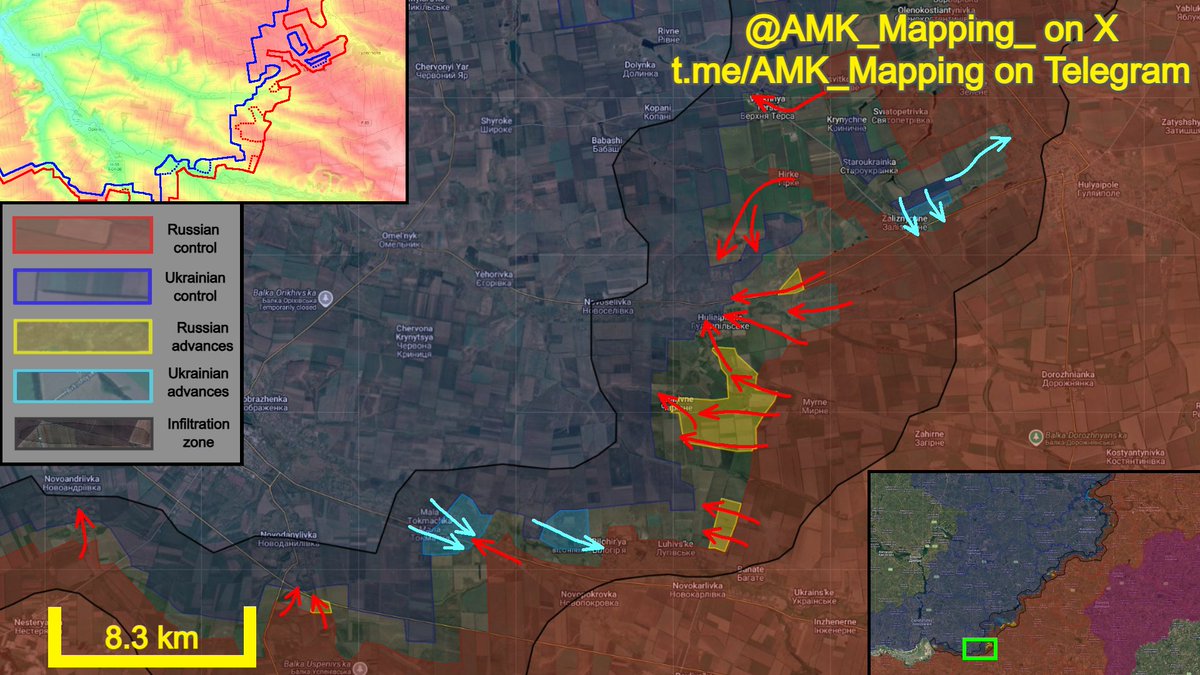
Concurrent with the aerial campaign, ground movements intensified in Zaporizhzhia Oblast. At 08:32 UTC, Russian troops entrenched along a highway south of Novodanylivka while attempting infiltration toward Orikhiv. Ukrainian forces advanced in parallel, creating a contested front line that extended toward the Omelnyk direction. Photographic evidence from the monitoring channel shows fortified positions and forward‑deployed infantry on both sides, indicating a renewed push by Russian forces to secure supply routes and a Ukrainian effort to contest those gains.
Source: https://t.me/monitor_the_situation/16767
Strategic Implications
The coordinated use of strike drones, HIMARS, and kamikaze UAVs on 17 May illustrates a shift toward integrated, multi‑domain operations by Ukrainian forces. By targeting logistics, communications, and air‑defence assets, Ukraine aims to degrade Russian operational depth and limit the effectiveness of Russian drone‑based attacks. Conversely, the Russian deployment of Geranium drones against civilian infrastructure signals an intent to maintain pressure on Ukrainian supply chains and public morale. The simultaneous ground advances near Orikhiv suggest that kinetic air operations are being paired with conventional manoeuvre to exploit any disruption in Russian rear‑area capabilities.
Overall, the events of 17 May demonstrate an escalation in the tempo of kinetic engagements across the front, with both sides leveraging unmanned systems to achieve tactical advantages while seeking to shape the broader strategic environment in eastern Ukraine.