On 17 May 2026 Ukraine launched a large‑scale unmanned aerial vehicle (UAV) operation targeting the Moscow region, with Russian authorities reporting that more than 70 hostile drones were intercepted and a series of explosions were recorded across the area. The attack, documented by the monitoring channel monitor_the_situation (source URL https://t.me/monitor_the_situation/16748), represents the most extensive Ukrainian strike on Russian territory since the conflict began, underscoring a deliberate move to project power far beyond the front lines.
Deep‑strike UAV operations across the Moscow region
Multiple UAV incursions were reported from the early hours of 17 May. At 01:00 UTC, the intelligence outlet intelslava posted video evidence of Ukrainian drones approaching the Moscow region from several vectors, noting explosions in the towns of Klin and Zelenograd and a series of air‑defence interceptions (source). Later, at 03:24 UTC, monitor_the_situation confirmed that Russian air‑defence units claimed to have downed over 70 drones, describing a “large‑scale drone attack” that produced widespread detonations (source). The scale of the operation suggests coordinated launch points, likely from Ukrainian‑controlled territory in the east, and a concerted effort to strain Russian air‑defence assets far from the active combat zone.
"Ukraine conducted a large‑scale drone attack on the Moscow region, with Russian officials claiming over 70 drones were shot down overnight. Explosions were reported across the area." – monitor_the_situation, 17 May 2026
While casualty figures were not disclosed, the absence of reported civilian injuries indicates that the strikes were directed at infrastructure and symbolic targets rather than densely populated zones. The use of relatively low‑cost UAVs to threaten the capital’s periphery demonstrates a shift toward asymmetric pressure tactics designed to compel the Kremlin to allocate additional air‑defence resources away from the front.
Targeting Russian energy infrastructure
In addition to the broad‑area strikes, Ukrainian drones focused on specific energy assets. At 04:53 UTC, a UAV attack ignited a fire at the Solnechnogorskaya oil pumping station in the village of Durikino, Moscow Oblast (monitor_the_situation). The facility, a key node in the regional oil transport network, suffered fire damage but remained operational, according to local officials. Earlier, at 03:53 UTC, the same day, intelslava reported a separate UAV strike on the Sonyachnogorsk oil products filling station in Durykino, also within Moscow Oblast (source). Both incidents underscore a pattern of targeting logistical and energy‑related sites to disrupt Russian supply chains and generate economic pressure.
Ground gains in Donetsk: Komyshuvakha counteroffensive
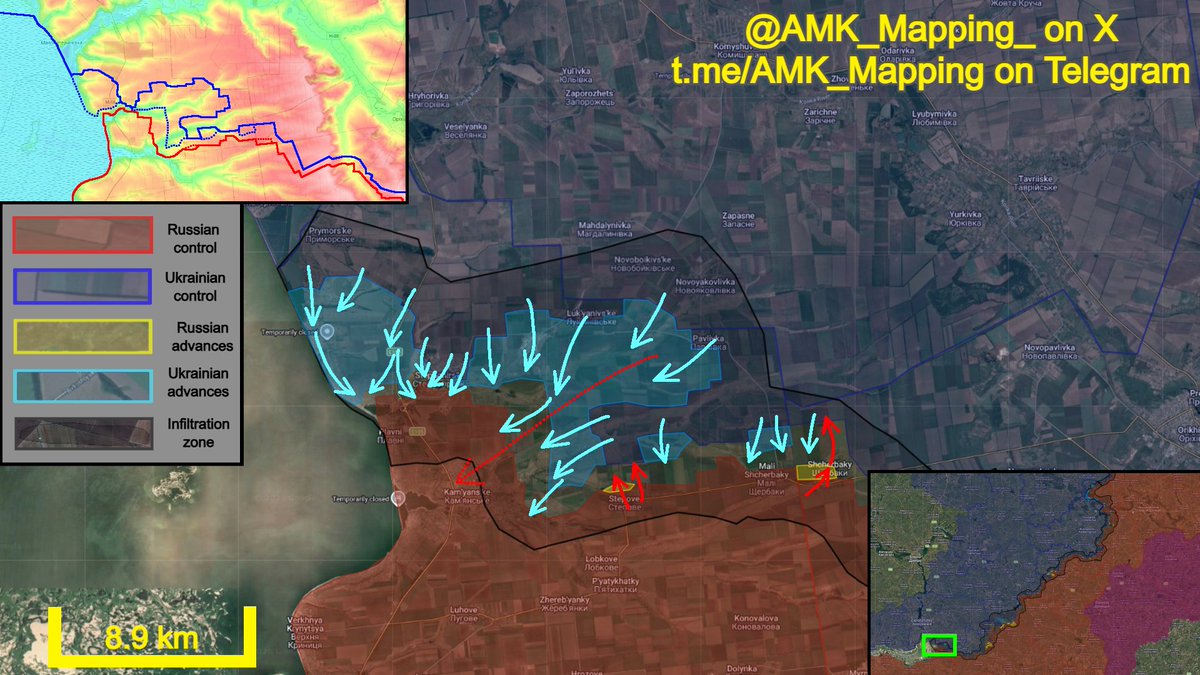
While the UAV campaign unfolded in the west, Ukrainian ground forces intensified a localized counteroffensive in the Donetsk Oblast. At 04:21 UTC, the channel monitor_the_situation reported that Ukrainian troops had advanced near the settlement of Komyshuvakha after Russian airborne units withdrew under heavy losses (source). The operation, described as a “significant progress” over the previous two weeks, involved no reported use of heavy weapons, suggesting a focus on maneuver warfare and exploitation of Russian attrition. No casualty numbers were released, but the withdrawal of Russian airborne elements indicates a measurable degradation of Russian combat power in the sector.
The Komyshuvakha advance aligns with broader Ukrainian strategic objectives to reclaim territory in the eastern front, leveraging both kinetic ground actions and the psychological impact of deep‑strike UAV operations. By simultaneously pressuring Russian forces on the front line and striking deep within Russian territory, Kyiv aims to stretch Moscow’s operational bandwidth.
Strategic implications of the dual‑axis approach
The coordinated use of drones and ground offensives marks a notable evolution in Ukrainian warfighting doctrine. Historically, Ukraine’s UAV deployments were confined to reconnaissance and limited tactical strikes near the front. The 17 May events demonstrate a deliberate expansion of UAV roles to strategic targeting, including energy infrastructure and symbolic locations near the Russian capital. This dual‑axis approach serves several purposes:
- Resource diversion: By forcing Russian air‑defence units to engage threats far from the front, Ukraine reduces the immediate pressure on its own advancing formations.
- Economic disruption: Targeting oil pumping and filling stations threatens regional fuel supplies, potentially increasing logistical costs for Russian forces.
- Psychological impact: Repeated strikes near Moscow reinforce the narrative that the conflict is no longer confined to the eastern border, influencing domestic Russian sentiment and international perception.
From an operational perspective, the lack of reported casualties in the UAV attacks suggests that Ukraine is prioritizing asset denial over mass casualty infliction, a tactic that minimizes escalation risks while still achieving strategic objectives. The ground gains near Komyshuvakha, however, indicate that Ukraine remains committed to reclaiming territory through conventional means, supported by the pressure created by the UAV campaign.
Outlook
Analysts anticipate that Ukraine will continue to refine its UAV capabilities, integrating longer‑range platforms and more sophisticated payloads to sustain pressure on Russian logistical hubs. Simultaneously, the Ukrainian Armed Forces are likely to exploit the momentum gained in Komyshuvakha to launch further localized offensives across Donetsk, aiming to erode Russian defensive depth. The combined effect of these actions could compel Russian command to reallocate forces, potentially weakening their ability to conduct offensive operations elsewhere on the front.
Overall, the events of 17 May 2026 illustrate a coordinated shift in Ukrainian strategy: leveraging low‑cost, high‑impact drone strikes to complement ground advances, thereby expanding the battlefield beyond traditional front‑line engagements.