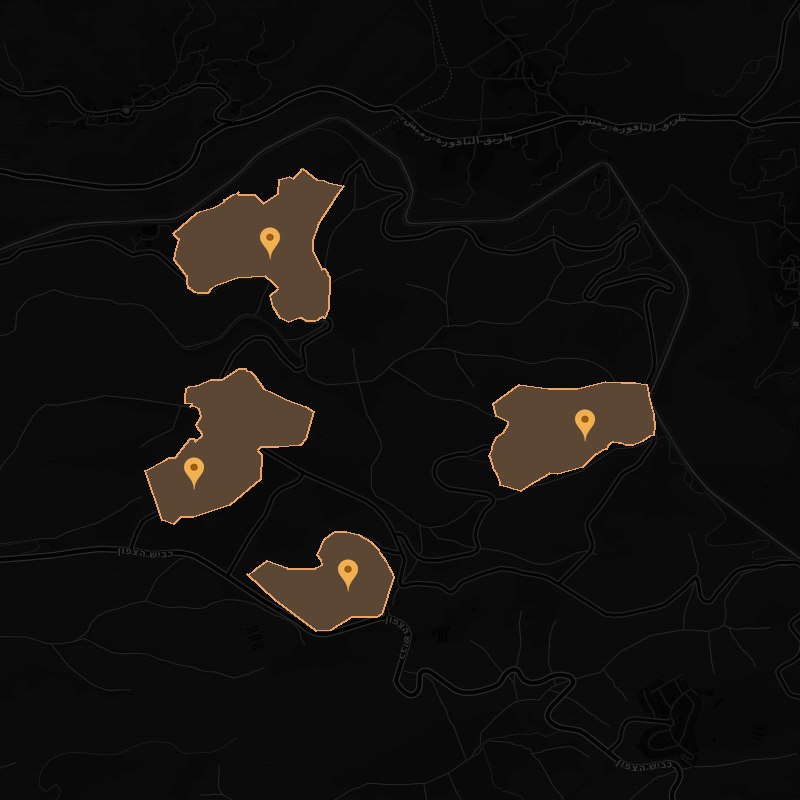
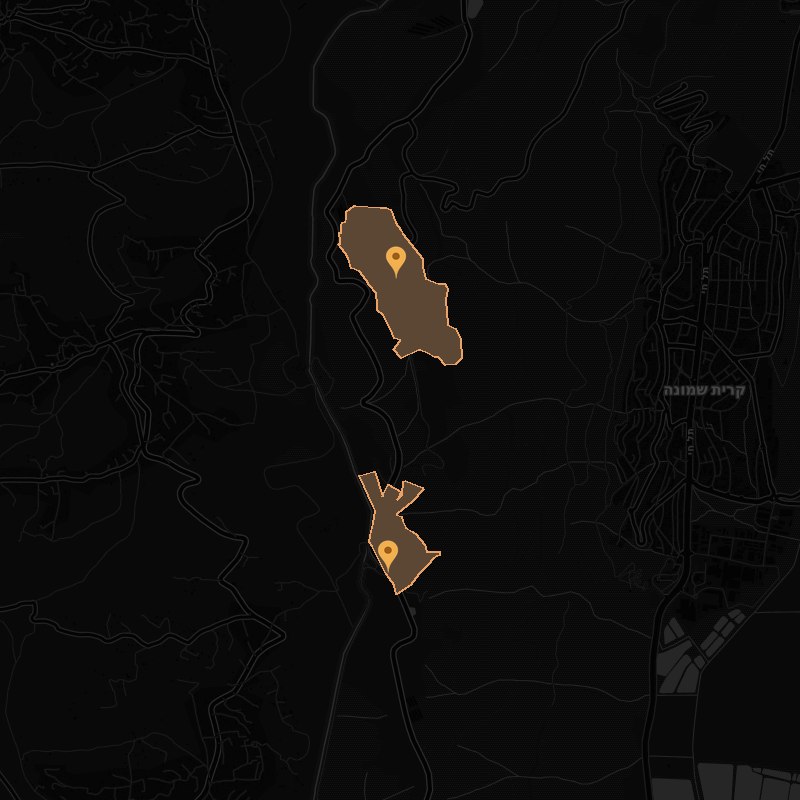
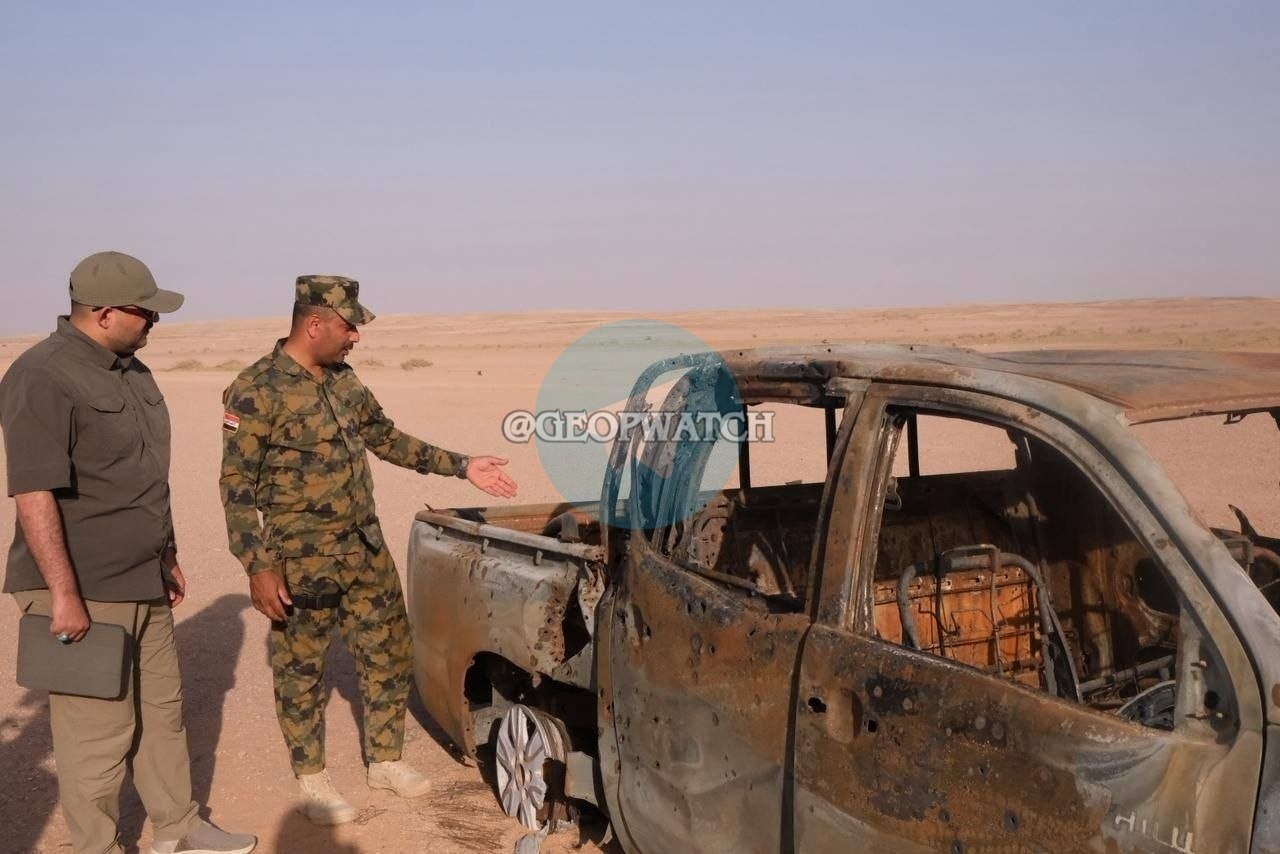
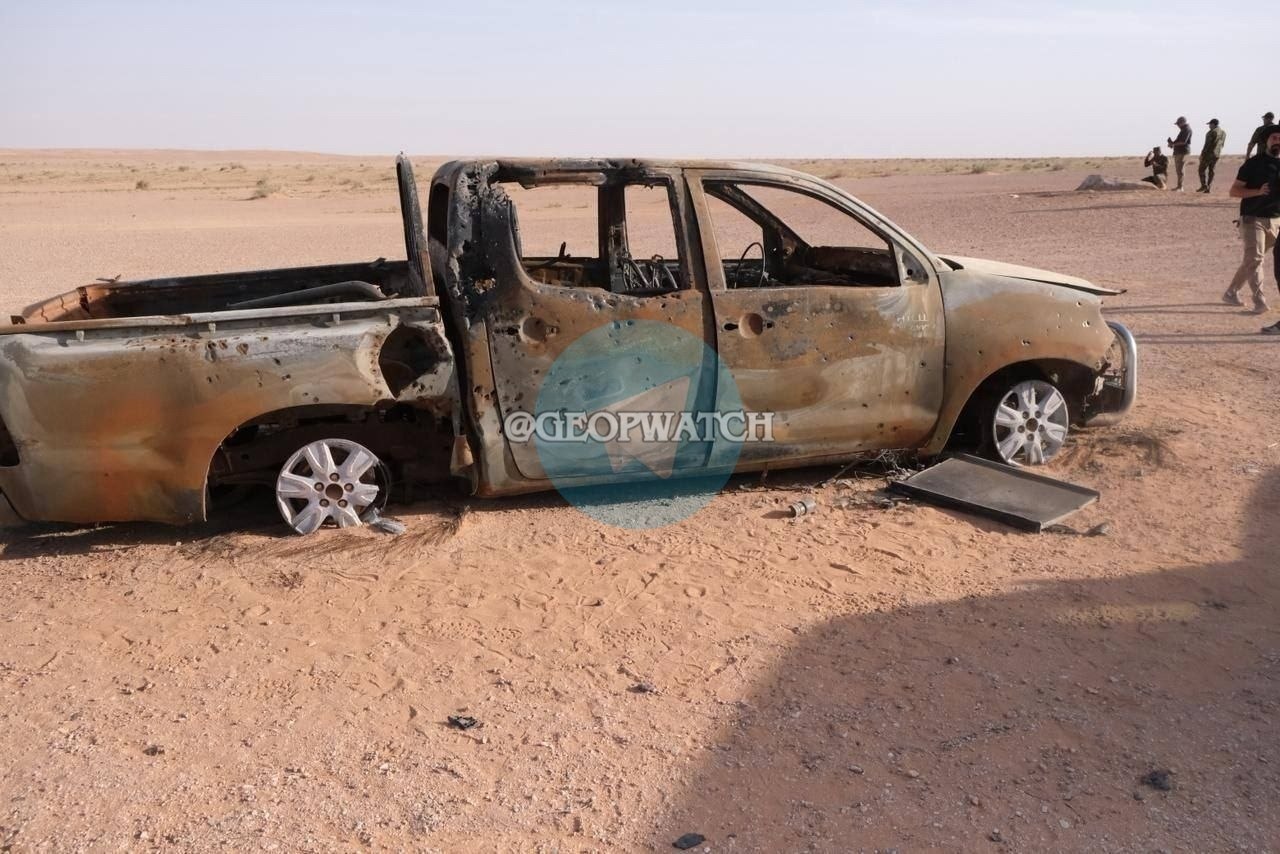
On 17 May 2026, the Lebanese Health Ministry confirmed that Israeli attacks in southern Lebanon killed five civilians, underscoring the persistence of cross‑border hostilities despite a recent cease‑fire extension. The incident, reported by the monitor_the_situation channel, is the most lethal event recorded today and illustrates the volatile security environment along the Israel‑Lebanon frontier.
"Israeli Attacks Kill Five in Southern Lebanon, Health Ministry Says" – monitor_the_situation, 2026‑05‑17T17:58:31
Drone Warfare Intensifies on Multiple Fronts
Ukraine launched a series of large‑scale unmanned aerial vehicle (UAV) operations against Russian targets. At 12:16:18, the JPost reported a Ukrainian drone strike on Moscow that killed at least four civilians, marking the largest drone attack on the Russian capital in over a year. The same day, Ukrainian forces claimed to have used long‑range weapons to strike the Moscow region, a statement made by President Volodymyr Zelenskyy via the monitor_the_situation channel.
"Ukraine carried out its largest drone strike on Moscow in over a year, killing at least four people" – JPost, 2026‑05‑17T12:16:18
Further UAV activity included a coordinated deployment of roughly 250 drones targeting the Kerch Strait and occupied Crimea, as detailed by monitor_the_situation at 12:41:44. In addition, a Ukrainian FP‑2 strike drone attacked a Russian naval base in Crimea with air‑to‑ground rockets, captured on video by CIG_telegram at 17:22:19.
"Ukrainian FP-2 strike drone attacks Russian naval base in Crimea" – CIG_telegram, 2026‑05‑17T17:22:19
Russia responded with its own loitering‑munition attacks on Ukrainian naval drones in the Black Sea, employing Lancet loitering munitions and fiber‑optic FPV drones, as reported by monitor_the_situation at 12:52:38.
"Russian drones attacked Ukrainian naval drones in the Black Sea" – monitor_the_situation, 2026‑05‑17T12:52:38
Naval Blockades and Maritime Interdiction
The United States Navy intensified its maritime pressure on Iran. The USS Tripoli Amphibious Ready Group redirected 81 commercial vessels and disabled four in the Arabian Sea, according to monitor_the_situation at 14:13:04. A separate carrier strike group formed a semi‑circular deployment around the Arabian Peninsula, signaling a major naval buildup (monitor_the_situation, 16:20:19).
"US Navy Enforces Blockade Against Iran in Arabian Sea" – monitor_the_situation, 2026‑05‑17T14:13:04
Conversely, three US‑sanctioned tankers carrying Iranian oil evaded the US Navy blockade near the Strait of Hormuz, with one turning off AIS, another sailing under a Russian flag, and a third hugging Oman's coast (GeoPWatch, 17:23:35).
"Three US‑sanctioned tankers slipped through the US Navy blockade" – GeoPWatch, 2026‑05‑17T17:23:35
Airstrikes and Ground Operations in Gaza and Lebanon
In the Gaza Strip, Israeli airstrikes killed five Palestinians, including three workers at a community kitchen, raising the death toll since the cease‑fire to at least 871 (Al Jazeera, 16:31:20). Simultaneously, Israel launched a new wave of strikes on Lebanon despite the cease‑fire, as reported by Al Jazeera at 13:36:05.
"Three community kitchen workers among five killed by Israel in Gaza" – Al Jazeera, 2026‑05‑17T16:31:20
Israel also assassinated Hamas commander Izz al‑Din al‑Haddad, an event that may affect Hamas operational capabilities in Gaza (Al Jazeera, 13:41:32).
"Israel's killing of Hamas commander Izz al‑Din al‑Haddad raises questions" – Al Jazeera, 2026‑05‑17T13:41:32
Strategic Threats Beyond the Immediate Battlefield
Israel announced plans to strike Iran’s national energy facilities, directly contravening a U.S. request not to target them (monitor_the_situation, 17:41:37). The New York Times, cited by idkunim_il, warned that the United States may launch a large‑scale attack on Iran as early as the following day, targeting Kharg Island’s oil export hub, nuclear sites, and military infrastructure.
"US may launch a large‑scale attack on Iran tomorrow" – idkunim_il, 2026‑05‑17T16:23:25
In the United Arab Emirates, a drone struck the perimeter of the Barakah Nuclear Power Plant in Al Dhafra, damaging a generator but causing no injuries (monitor_the_situation, 10:14:14; rnintel, 14:01:15). UAE air defenses intercepted two of three incoming drones, highlighting the vulnerability of critical nuclear infrastructure.
"Drone hits perimeter of Barakah Nuclear Power Plant" – monitor_the_situation, 2026‑05‑17T10:14:14
Casualty and Weapon Overview
Across the documented events, civilian casualties total at least 14 deaths (five in southern Lebanon, five in Gaza, four in Russian drone attacks). Weapon systems employed include conventional artillery, long‑range missiles, strike drones, FP‑2 strike drones, Lancet loitering munitions, and naval blockades. Organizations involved range from national militaries (Israeli Defense Forces, Ukrainian Armed Forces, US Navy) to intelligence agencies (Israeli intelligence, Hamas) and non‑state actors (ISIS in Nigeria).
Key Developments Summary
The day’s kinetic actions demonstrate a multi‑theater escalation: Israeli cross‑border strikes continue despite cease‑fire extensions; Ukraine’s drone campaign reaches unprecedented scale against Russian territory; the United States enforces maritime pressure on Iran while Iranian‑linked vessels evade interdiction; and critical civilian infrastructure, including a nuclear power plant, becomes a target for hostile UAVs.