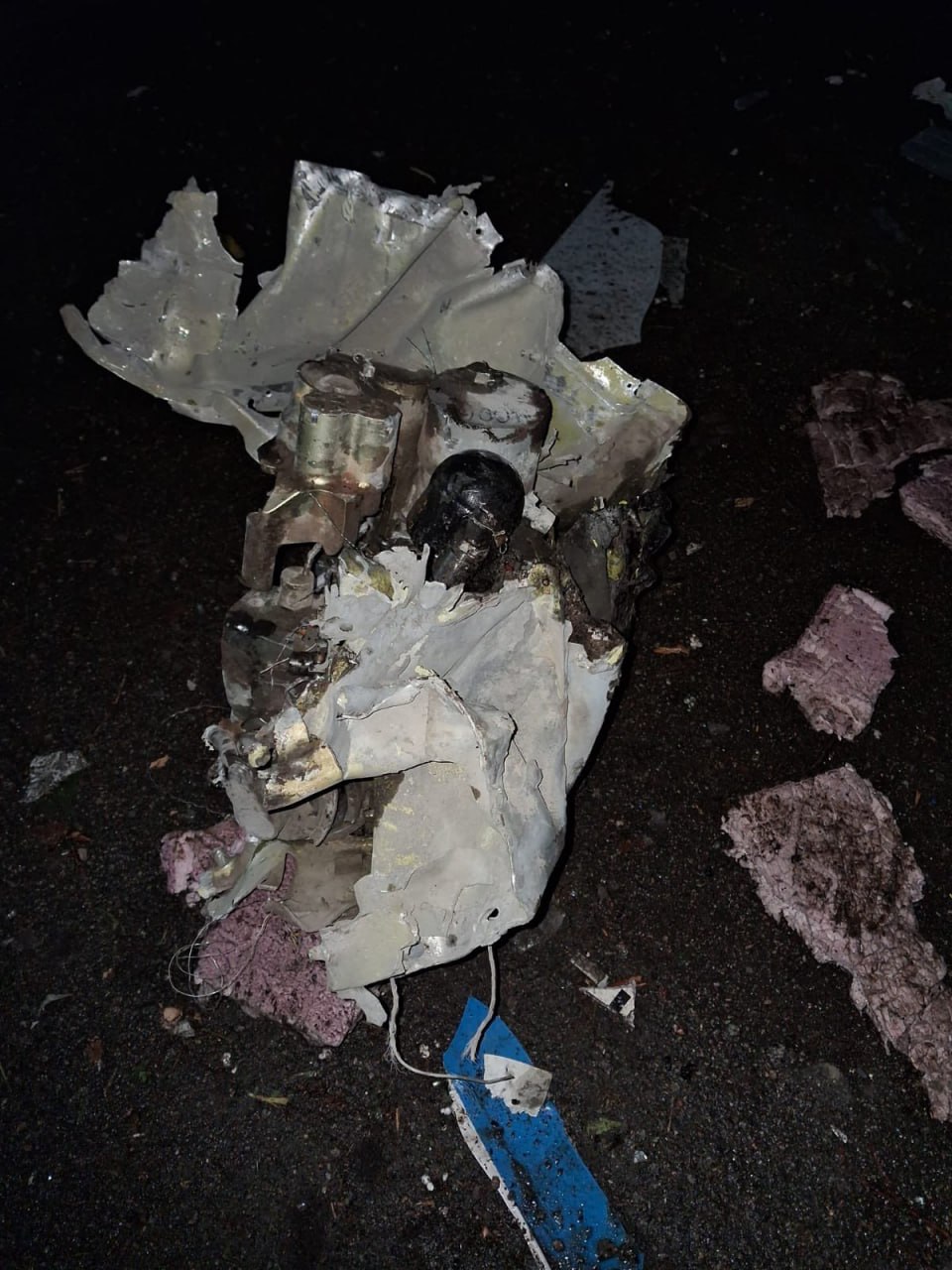
In the early hours of 16 May 2026, Russian forces launched a coordinated drone assault on a railway depot in the Kholodnohirskyi District of Kharkiv, Kharkiv Oblast. Dozens of unmanned aerial systems, identified as Geran‑2 models and additional commercial‑grade drones, struck the facility, igniting fuel stores and disabling several freight cars. According to the Telegram channel monitor_the_situation, the attack caused extensive material damage but no civilian casualties were reported, as the depot operates primarily as a logistics hub for freight traffic.
Details of the Kharkiv Drone Strike
The Geran‑2 drones, a Russian‑modified version of the commercial DJI Mavic platform, were equipped with small explosive payloads and employed a swarm‑tactics approach. Video footage shared by the source shows multiple drones approaching the depot from the north, releasing their ordnance in rapid succession. The strike coincided with a broader pattern of UAV‑based attacks across eastern Ukraine, suggesting a shift toward low‑cost, high‑frequency kinetic operations.
“The depot’s rail lines were rendered inoperable for several hours, disrupting the movement of military supplies destined for the front,” the channel reported.
Russian Glide‑Bomb and FPV Drone Operations in Donetsk Oblast
At 04:53 local time, Russian forces targeted the northern suburbs of Slovyansk, Donetsk Oblast, using Molniya first‑person‑view (FPV) drones. The drones ignited a large fire in a residential area, prompting the evacuation of nearby civilians. Simultaneously, KAB glide‑bombs were deployed against strategic positions in Kramatorsk, striking infrastructure and a reported ammunition depot. The same Telegram channel, monitor_the_situation, provided a video that captured the glide‑bomb impact, noting that the weapons achieved a high degree of accuracy despite adverse weather conditions.
“Molniya FPV drones have proven effective for precision strikes against soft targets, while KAB glide‑bombs extend the reach of Russian air‑power without deploying manned aircraft,” the source observed.
No fatalities were confirmed in either Slovyansk or Kramatorsk, though local authorities reported several injuries and temporary displacement of residents. The use of FPV drones and glide‑bombs reflects an ongoing adaptation of Russian tactics to mitigate the risk of air‑defense systems while maintaining offensive pressure.
Western Component Findings in Kh‑101 Cruise Missiles
Separately, the intelligence outlet intelslava released an analysis of Kh‑101 cruise missiles recovered after the 13–14 May strikes on Kyiv. Laboratory examination revealed that the missiles incorporated more than 100 components sourced from Western manufacturers, including Texas Instruments, AMD, Kyocera AVX, Harting Technology Group, and Nexperia. The components, produced in the second quarter of 2026, indicate a continued flow of dual‑use technology into Russian weapons programs despite existing sanctions.
“The presence of modern micro‑electronics underscores the sophistication of Russia’s supply‑chain evasion tactics,” the report stated.
While the missile analysis does not describe a new kinetic event on 16 May, it provides critical context for the ongoing air‑strike campaign against Ukrainian urban centers. The integration of advanced Western parts enhances missile reliability and guidance, potentially increasing the lethality of future attacks.
Operational Assessment
The three incidents documented on 16 May illustrate a multi‑layered Russian kinetic strategy: massed UAV swarms for logistical disruption, precision FPV drones and glide‑bombs for tactical strikes, and the incorporation of high‑grade Western components into long‑range cruise missiles. The emphasis on low‑cost, expendable platforms allows Russian forces to sustain pressure on Ukrainian infrastructure while conserving more expensive manned aircraft and missile stockpiles. Ukrainian defenses have responded with increased electronic‑warfare measures and rapid‑response fire‑suppression units, but the frequency of attacks suggests a persistent capability to breach air‑defense gaps.
Continued monitoring of UAV deployment patterns, component supply chains, and the effectiveness of Ukrainian counter‑UAV systems will be essential for assessing the evolving threat landscape in the region.