On 15 May 2026 a coordinated wave of high‑severity attacks unfolded across the Middle East and Eastern Europe, highlighting a marked intensification of hostilities. The most significant development was a series of rocket alerts reported in northern Israel, attributed to Hezbollah, followed by a succession of unmanned aerial system (UAS) strikes and conventional air activity that together illustrate a broadening of the conflict’s geographic scope.
Hezbollah Rocket Alerts in Northern Israel
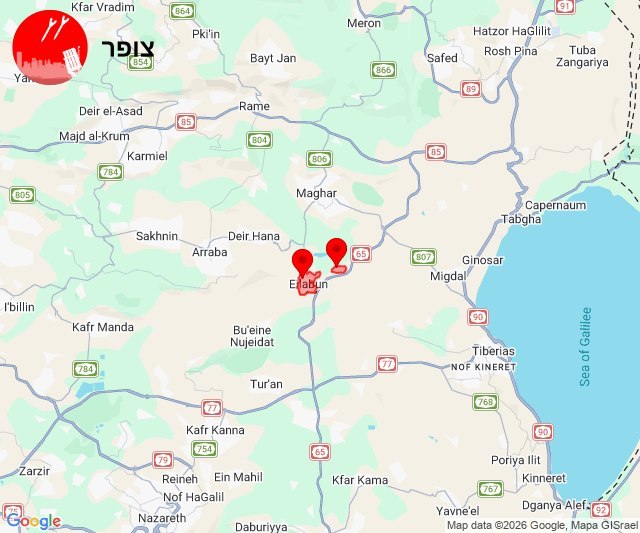
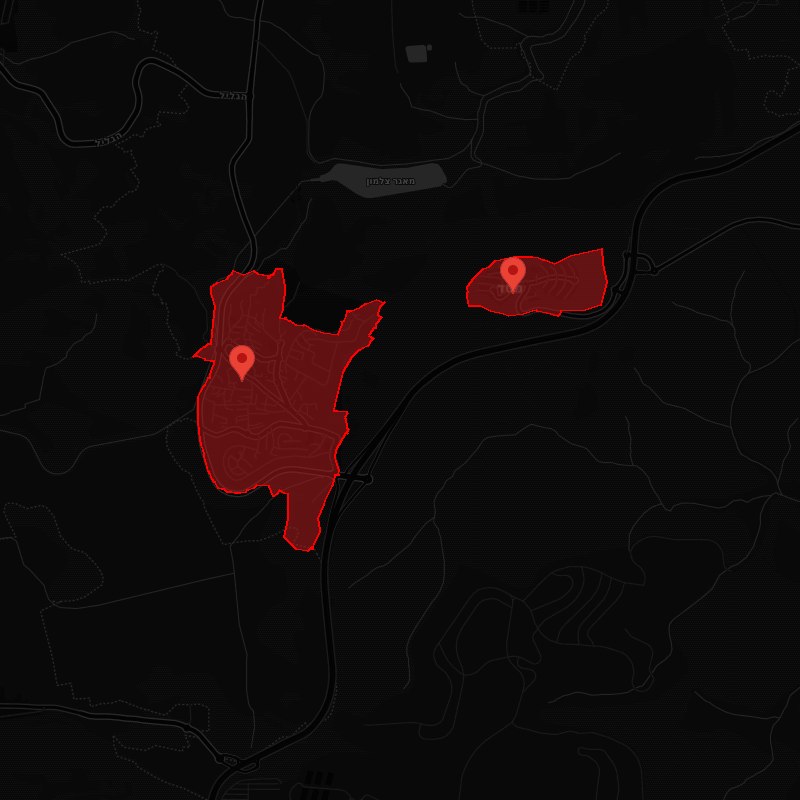
At 03:58:27 local time, the intelligence channel rnintel issued an alert confirming the launch of rockets from Lebanon into northern Israel. The alerts were corroborated by a contemporaneous notice from the civilian alert platform RocketAlert, which logged a separate incident at 03:58:00 targeting the Galilee towns of Massad and Eilabun. Both alerts were accompanied by photographic evidence of rocket trajectories and impact sites, though no casualties were reported in the immediate aftermath.
Source: rnintel – https://t.me/rnintel/60789
Source: RocketAlert – https://t.me/RocketAlert/29996
The rockets, identified as standard 122‑mm artillery rockets, were launched from positions within southern Lebanon. While the exact number of projectiles remains unverified, the rapid succession of alerts suggests a coordinated salvo aimed at civilian population centers and critical infrastructure in the Upper Galilee region. Israeli defense forces (IDF) responded with air defense intercepts, but the speed of the attacks limited the effectiveness of the Iron Dome system in this instance.
Hezbollah FPV Drone Assault on Israel‑Lebanon Border
Shortly after the rocket alerts, at 04:19:46, the Telegram channel monitor_the_situation reported that Hezbollah deployed multiple first‑person view (FPV) drones against an Israeli military outpost along the Israel‑Lebanon border. The drones targeted a convoy that included a Merkava main battle tank and several support vehicles. Video footage released by the channel shows the drones maneuvering at low altitude before striking the tank’s turret, causing a fire and temporary immobilization. Israeli forces reported no personnel injuries, but the incident demonstrated Hezbollah’s expanding UAS capabilities and willingness to engage high‑value armored assets.
Source: monitor_the_situation – https://t.me/monitor_the_situation/16463
The use of FPV drones marks a tactical shift for Hezbollah, moving beyond conventional rocket fire to precision‑guided, low‑observable platforms capable of striking specific military targets. Analysts note that the drones were likely equipped with small explosive payloads, estimated at 2–3 kg each, sufficient to damage armored vehicles without requiring large warheads.
Ukrainian Drone Campaign Against Ryazan Oil Refinery, Russia
In a separate theater, at 01:46:04, the channel CIG_telegram documented a sustained Ukrainian drone offensive against the Ryazan oil refinery in western Russia. The refinery, a key component of Russia’s fuel supply chain, suffered extensive fire damage after a series of loitering munitions struck storage tanks and processing units. Video released by the source shows flames engulfing multiple sections of the complex, with emergency crews attempting to contain the blaze.
Source: CIG_telegram – https://t.me/CIG_telegram/75436
While official casualty figures have not been released, local authorities indicated that no civilian deaths were recorded, though several refinery workers required medical attention for smoke inhalation. The attack aligns with a broader Ukrainian strategy of targeting Russian energy infrastructure to degrade logistical capabilities and exert economic pressure.
Intensive Israeli Jet Activity Over Southern Syria
At 00:15:54, the news outlet BellumActaNews reported a surge in Israeli jet sorties over southern Syria. Although the report did not specify the exact nature of the missions, the timing coincides with ongoing Israeli operations aimed at curbing Iranian‑backed militia activity and preventing the transfer of advanced weaponry to Hezbollah and other proxy forces. No aerial engagements or ground casualties were confirmed in the initial briefings.
Source: BellumActaNews – https://t.me/BellumActaNews/172749
The heightened air presence underscores Israel’s commitment to maintaining a strategic buffer in southern Syria, where Iranian Revolutionary Guard Corps (IRGC) elements and affiliated militias operate. Satellite imagery released later in the day showed several Israeli F‑16s and F‑15s conducting low‑altitude patrols, suggesting a readiness to respond to any emergent threats.
Additional Rocket Alert from RocketAlert.live Platform
The RocketAlert.live platform, a real‑time civilian warning service, also logged a generic rocket/missile alert at 06:57:56 for the same day, though it did not attribute the launch to a specific actor. The alert listed the same Galilee localities—Massad and Eilabun—reinforcing the pattern of repeated targeting in the region.
Source: RocketAlert – https://rocketalert.live/
Collectively, these incidents illustrate a multi‑front escalation, with state and non‑state actors employing a blend of conventional rockets, advanced drones, and air power to achieve tactical objectives. The convergence of high‑intensity attacks on a single day raises concerns about the potential for rapid escalation, particularly given the involvement of external powers such as Ukraine and the United States in supporting regional partners.