The United States Department of Energy issued a stark warning on May 14, 2026, that Iran is "dangerously close" to acquiring a nuclear weapon, citing a substantial stockpile of uranium enriched to 20 percent. The assessment, delivered by Energy Secretary Chris Wright, represents the most serious public indication from Washington that Tehran’s nuclear ambitions may soon breach the threshold that separates civilian nuclear capability from weaponization.
US Warning on Iran's Nuclear Progress
"Even 20%-enriched uranium is very concerning given the size of Iran's stockpile," Secretary Wright said, emphasizing that the material level approaches the quantity needed for a nuclear device.
The statement, reported by The Jerusalem Post, underscores a shift from diplomatic pressure to explicit security concern. While the exact location of the stockpile remains undisclosed, the Department of Energy’s analysis suggests that Iran possesses enough material to produce a weapon within a short timeframe if it chooses to do so. The warning arrives amid ongoing negotiations over the Joint Comprehensive Plan of Action (JCPOA) and follows a series of inspections by the International Atomic Energy Agency that have identified continued enrichment activities beyond the limits set by the 2015 agreement.
Key implications include heightened scrutiny of Iran's nuclear facilities by U.S. intelligence, potential acceleration of sanctions, and renewed calls for regional partners to bolster missile defense capabilities. The United States has not yet indicated a specific policy response, but the language used by Secretary Wright signals that any further enrichment could trigger a coordinated diplomatic and possibly military reaction.
Rocket Alerts Over Southern Israel
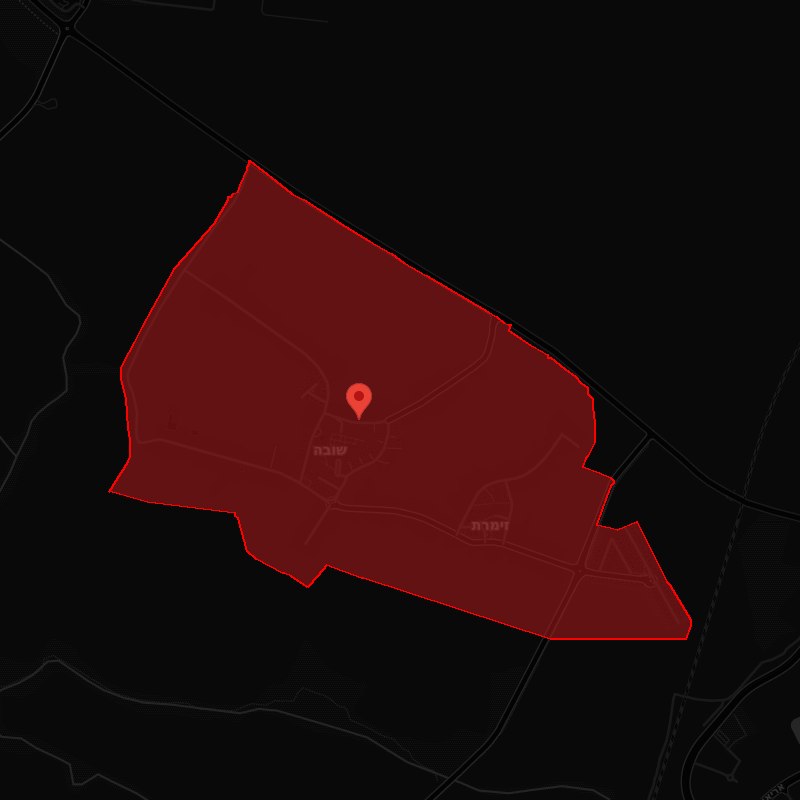
In the early hours of the same day, residents of the Gaza envelope towns of Zimrat and Shuva received a rocket alert, as documented by the monitoring service RocketAlert.live. The alert, timestamped 08:20:45 local time, did not result in reported casualties or damage, and no weapons were confirmed to have been launched. The incident reflects the persistent volatility along Israel’s southern border, where intermittent rocket fire from Gaza remains a routine security challenge.
Although the alert did not culminate in an impact, the rapid dissemination of the warning through the RocketAlert platform illustrates the effectiveness of real‑time civilian alert systems in mitigating potential harm. Israeli authorities continue to rely on the Iron Dome missile defense system to intercept projectiles, but the frequency of alerts underscores the broader strategic environment in which Israel must allocate resources to both external threats and internal security concerns.
Assassination Attempt in Arraba Highlights Internal Threats
Compounding the external pressures, Israeli police announced the resolution of an attempted assassination targeting the mayor of Arraba, a town in Israel’s northern district. The investigation, reported by The Jerusalem Post, confirmed that a March shooting left Mayor Nassar seriously wounded and Dr. Anwar Yassin, head of the local popular committee, moderately injured. Police have identified a relative of the suspect as the likely perpetrator and expect to file an indictment shortly.
The incident, involving a firearm, highlights the persistent risk of politically motivated violence within Israel’s domestic sphere. While the motive remains under investigation, the successful resolution of the case demonstrates the capacity of Israeli law‑enforcement agencies to respond swiftly to threats against public officials. The event also raises concerns about the potential for escalation in areas with mixed ethnic and political tensions.
Collectively, these three developments illustrate a multi‑layered security environment in the Middle East. The United States’ explicit warning about Iran’s nuclear proximity adds a strategic dimension that could influence regional power calculations. Simultaneously, Israel continues to manage both external threats, such as rocket fire from Gaza, and internal challenges, exemplified by the attempted assassination in Arraba. The convergence of these issues may shape diplomatic engagements, defense postures, and intelligence cooperation among allied nations in the weeks ahead.