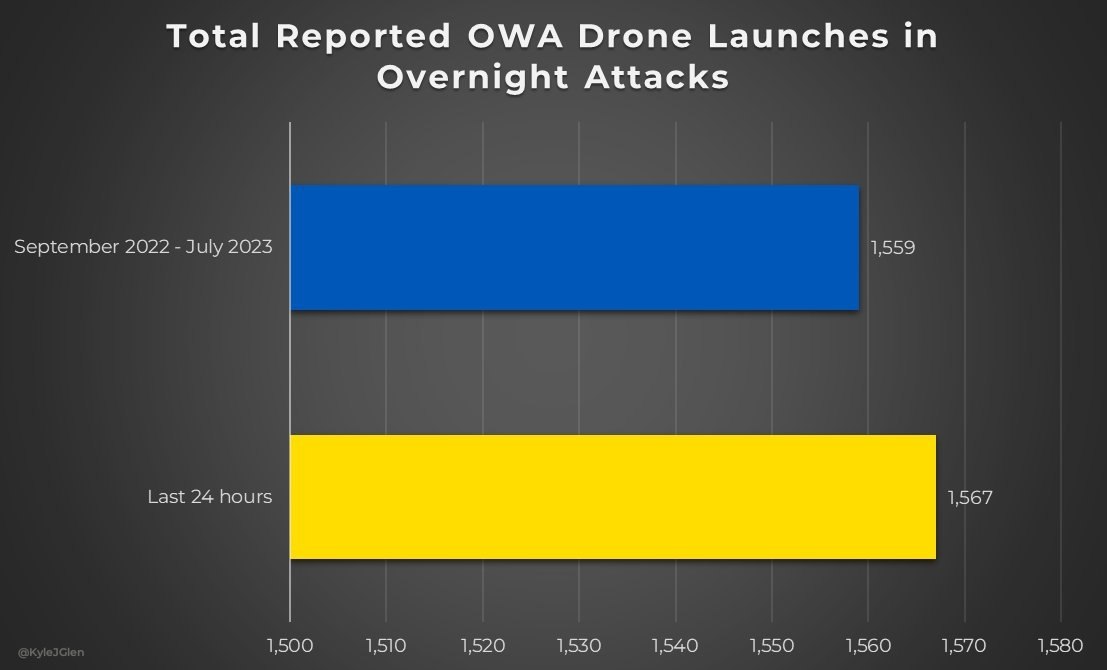
In the most significant kinetic event reported on 14 May 2026, Russian forces launched 1,567 unmanned aerial vehicles (UAVs) against Ukraine within a 24‑hour window, marking the largest drone deployment since the full‑scale invasion began in 2022. The operation, detailed by the CIG_telegram channel (source), represents a dramatic escalation in the use of UAVs, surpassing the cumulative total of Russian drone sorties recorded between September 2022 and July 2023.
Scale and Impact of the Russian Drone Campaign
The CIG_telegram report notes that the 1,567 drones were launched across multiple fronts, employing a mix of loitering munitions and reconnaissance platforms. While precise casualty figures remain unverified, the sheer volume of aircraft suggests a heightened risk of both military and civilian losses. Weapons employed include a variety of Russian‑manufactured attack drones, likely encompassing the Shahed‑136‑type loitering munitions supplied by Iran and domestically produced Orlan‑10 reconnaissance units.
"More than 1,560 drones have been fired at Ukraine since Wednesday," President Volodymyr Zelenskyy told reporters, emphasizing the unprecedented intensity of the aerial barrage.
— Al Jazeera, 14 May 2026 (source)
The operation aligns with Russia’s broader strategy of leveraging UAVs to overwhelm air‑defence systems, a tactic that has evolved since the conflict’s outset. Analysts note that the increased reliance on drones reduces the exposure of manned aircraft to sophisticated Ukrainian air‑defence networks, while allowing for persistent pressure on logistical and command nodes.
Ukrainian Drone Intercepted by Russian Anti‑Aircraft Drones
In a separate incident captured by the intelslava channel (source), a Ukrainian UAV was pursued by two Russian anti‑aircraft drones, one of which successfully engaged and destroyed the target. The footage, posted at 12:07 UTC, illustrates the growing deployment of autonomous interceptor drones by Russian forces, a capability that expands the traditional role of ground‑based air‑defence assets.
The engagement underscores a shift toward layered UAV‑to‑UAV combat, where both sides field dedicated counter‑UAV platforms. While the specific models of the Russian interceptors were not identified, their ability to autonomously track and engage a hostile drone indicates advanced sensor integration and real‑time data links.
Royal Navy Submarine HMS Anson Enters Gibraltar
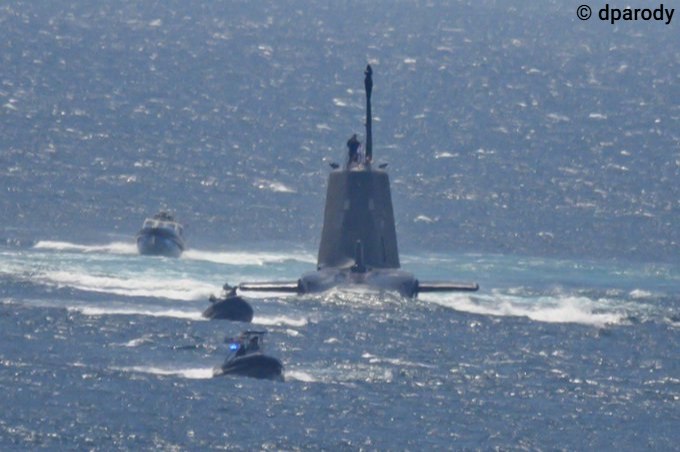
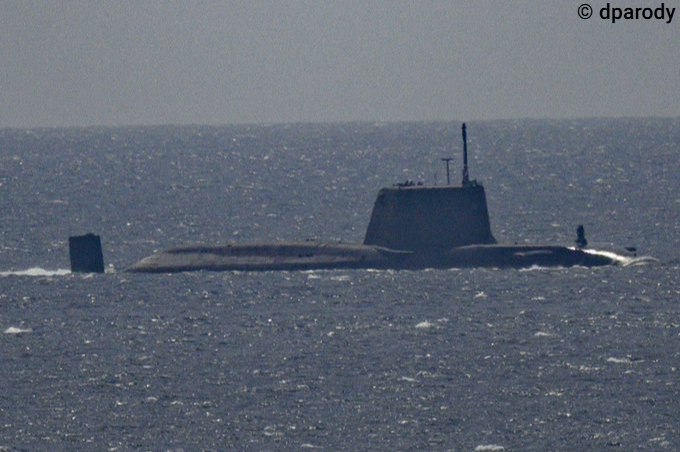
GeoPWatch reported that the United Kingdom’s nuclear‑powered submarine HMS Anson entered Gibraltar waters on 14 May, confirming its deployment to West Asia (source). The vessel, equipped with up to 38 weapons launched from six 21‑inch torpedo tubes, carries Tomahawk Block IV cruise missiles and Spearfish heavyweight torpedoes.
While the submarine’s exact mission remains classified, its presence signals a strategic posture aimed at deterring regional escalation and providing the UK with a rapid‑response strike capability. The Tomahawk missiles, with a range exceeding 1,600 km, enable precision strikes against land targets, while Spearfish torpedoes maintain anti‑ship and anti‑submarine effectiveness.
Multiple Hostile UAV Alerts in Israel
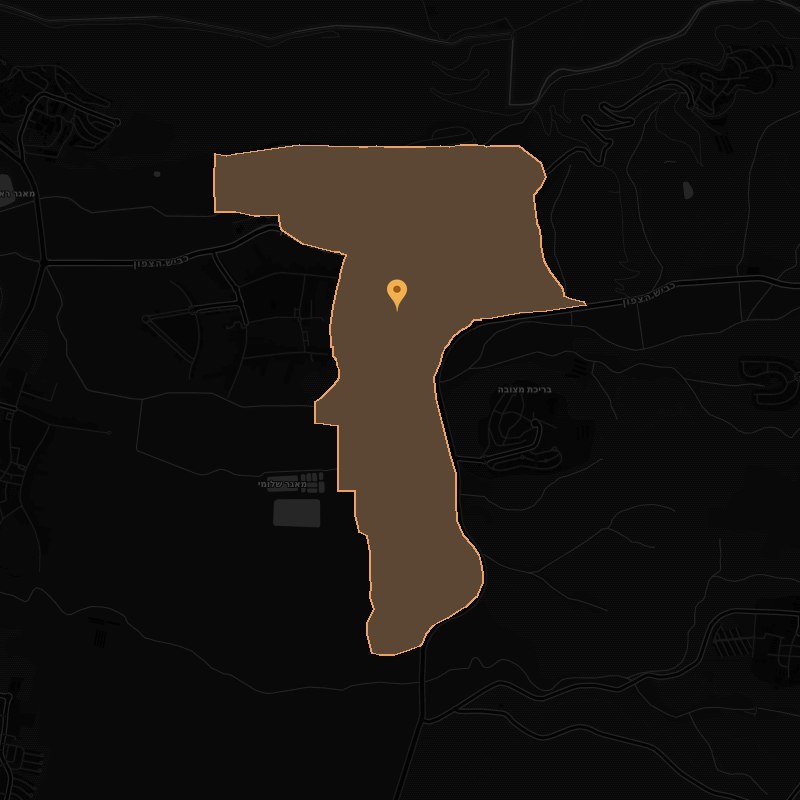
RocketAlert live issued several hostile UAV alerts across Israeli territory on 14 May, documenting sightings near Shlomi, Mevuot Hermon Regional Council, and Misgav Am (source, source, source). Although no casualties were reported, the alerts highlight persistent low‑altitude threats in the northern border region.
These incidents, while lacking detailed weapon descriptions, are consistent with the pattern of cross‑border UAV incursions that have increased in frequency since the 2023 escalation. Israeli defence forces typically respond with short‑range air‑defence systems and ground‑based interceptor drones, though the effectiveness of each response varies based on the UAV’s speed, altitude, and payload.
US‑Iran Diplomatic Progress Amid Israeli Operations in Lebanon
Al Jazeera reported that U.S. Vice President Kamala Vance announced progress in diplomatic talks with Iran on the same day that Israel intensified artillery strikes against targets in Lebanon (source). While the article does not provide casualty figures, the concurrent military activity underscores the complex interplay between diplomatic negotiations and kinetic operations in the broader Middle‑East theatre.
The Israeli shelling, described as “pounding Lebanon,” reflects ongoing retaliation against Hezbollah‑aligned positions following cross‑border incidents. The United States’ diplomatic engagement with Iran, meanwhile, aims to de‑escalate broader regional tensions, though the impact on ground‑level hostilities remains uncertain.