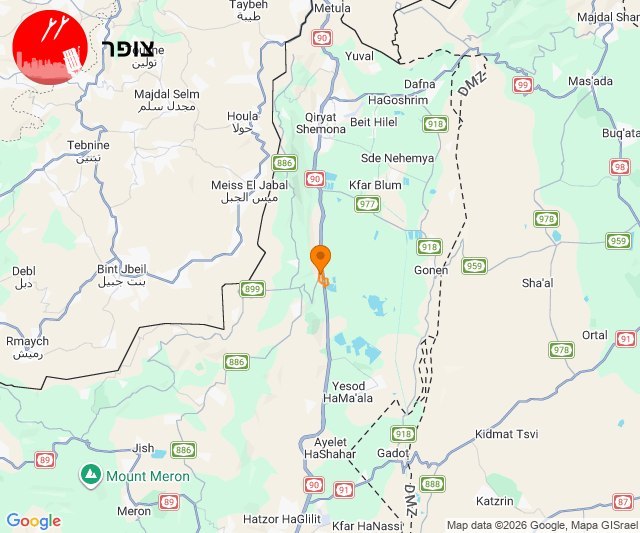
On 14 May 2026, a series of kinetic operations intensified the conflict along the Israel‑Lebanon frontier, with Israeli airstrikes and Hezbollah‑launched FPV drones causing civilian casualties and material damage across several southern Lebanese locales.
Israeli Airstrikes in Southern Lebanon
At 11:27 UTC, Israeli warplanes struck the town of Srifa, killing two civilians and confirming a pattern of high‑intensity targeting in the region. The strike was reported by monitor_the_situation and corroborated by video evidence posted on the same channel.
🟠 **Israeli Strike Kills Two in Lebanon's Srifa Town**
Earlier, at 11:52 UTC, additional air raids hit the towns of Zrarieh and Snaya. While casualty figures were not released, the attacks underscored Israel’s focus on locations overlooking the Litani River and the Jezzine district. The same source noted that the operations were part of a broader campaign against Hezbollah‑linked infrastructure.
At 10:48 UTC, an Israeli strike near Braqaa in the Nabatieh Governorate wounded one individual, and at 10:37 UTC an airstrike on Srifa (previously mentioned) resulted in two deaths. Further strikes at 09:08 UTC targeted the towns of Seddiqin and Tuffahta, raising cross‑border tensions without immediate casualty reports.
Hezbollah Drone Counter‑Attacks
In response, Hezbollah deployed multiple first‑person‑view (FPV) drones against Israeli ground assets. At 14:45 UTC, a coordinated FPV drone assault hit an Israeli SUV, a Merkava tank, and a command truck in southern Lebanon, resulting in the death of the SUV occupants and significant damage to the armored vehicle and truck, as reported by the CIG_telegram channel.
— 🇮🇱/🇮🇷 WATCH: In this video, Hezbollah carried out a combined FPV attack against multiple Israeli targets in southern Lebanon.
Earlier, at 13:50 UTC, Hezbollah released footage of FPV drones targeting Israeli troops near the Al‑Abbad military base and the town of Deir Seryan, allegedly equipped with PG‑7VL anti‑tank warheads. The same channel, intelslava, highlighted the use of high‑explosive anti‑tank (HEAT) warheads, indicating a shift toward more lethal drone payloads.
On 12 May, Hezbollah had already demonstrated similar capabilities at the AlAbad border base, destroying a technical vehicle, a C4I communications truck, and damaging a Merkava IV tank. The 13:15 UTC report from GeoPWatch reiterated the effectiveness of these drone strikes, noting the disabling of the tank’s gun mantlet.
Additional Israeli Operations
Beyond airstrikes, the Israeli Air Force intercepted a suspected aerial target over southern Lebanon at 12:17 UTC, as documented by idkunim_il. While the target’s nature remains unclear, the interception reflects heightened aerial vigilance in the contested zone.
At 08:14 UTC, the Israeli Defence Forces announced a systematic campaign against Hezbollah infrastructure throughout southern Lebanon, signaling a sustained offensive posture.
Context and Regional Developments
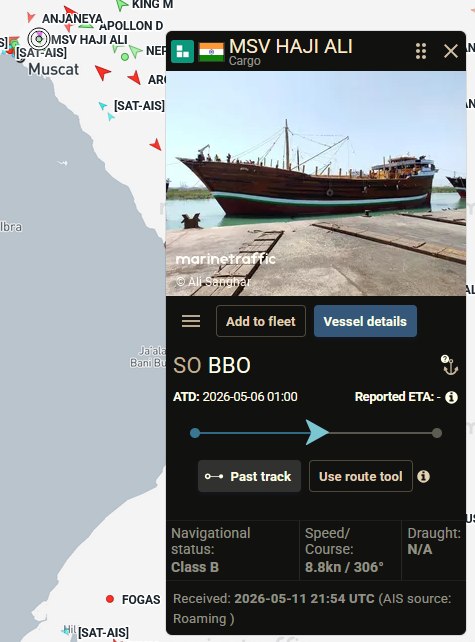
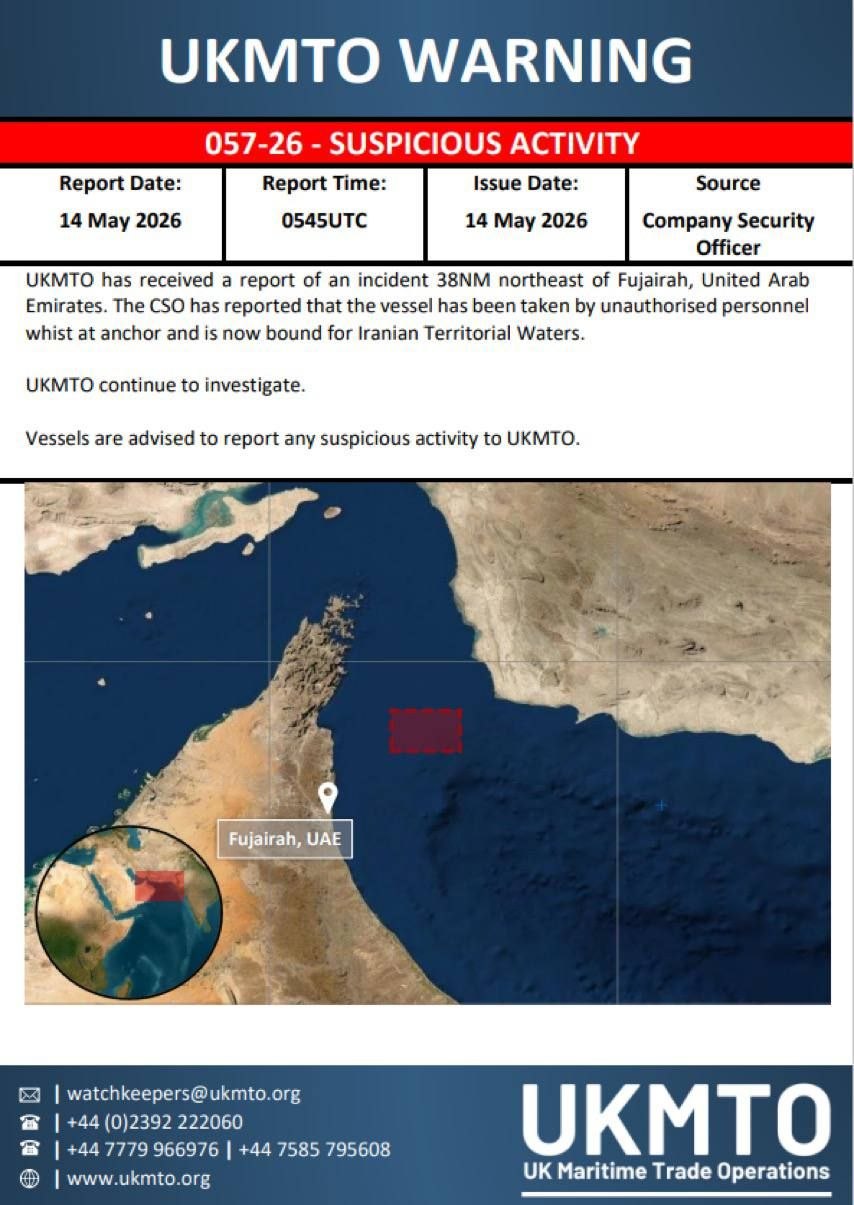
These kinetic events occur against a backdrop of broader regional escalation. Earlier on 14 May, Iran sank the Indian‑flagged livestock carrier Haji Ali in the Gulf of Oman using a cruise missile or drone, and seized a floating armory, as reported by monitor_the_situation. While not directly linked to the Lebanese theater, the incident illustrates the expanding maritime dimension of the Iran‑Israel confrontation.
Simultaneously, Israel raised its national alert level to the highest setting, preparing for potential renewed hostilities with Iran, according to GeoPWatch. The heightened alert underscores the risk of the Lebanese kinetic flare‑up spilling over into a wider regional conflict.
Overall, the coordinated Israeli air campaign and Hezbollah’s increasingly sophisticated drone operations have amplified civilian risk and infrastructure damage in southern Lebanon, marking a significant escalation in the ongoing Israel‑Hezbollah confrontation.