On 13 May 2026, Russian President Vladimir Putin announced the successful test‑launch of the RS‑28 Sarmat, a nuclear‑capable intercontinental ballistic missile (ICBM) described by Russian officials as the most powerful missile in the world. The announcement, reported by Al Jazeera, marks a significant milestone in Russia’s strategic weapons program and signals a sharpening of global military competition.
"President Putin hailed the Sarmat test as a demonstration of Russia’s ability to field the most powerful missile in the world, confirming its entry into combat service by the end of the year." – Al Jazeera, 13 May 2026
The Sarmat, capable of carrying multiple independently targetable reentry vehicles (MIRVs) and a payload exceeding 10 tonnes, is intended to replace the aging R‑36M2 Voevoda (SS‑18) missiles. Its successful flight, conducted from the Plesetsk Cosmodrome and tracked by multiple radar installations, demonstrates Russia’s continued investment in long‑range deterrence amid ongoing geopolitical friction with NATO and the United States.
Implications of the Sarmat Test
The test carries several strategic implications. First, it reinforces Russia’s nuclear triad by adding a modern, survivable ICBM capable of penetrating advanced missile defenses. Second, the timing—coinciding with heightened tensions in Eastern Europe and the Middle East—suggests a deliberate signaling effort aimed at deterring perceived encroachments on Russia’s sphere of influence. Finally, the public disclosure of the test, rather than a covert demonstration, reflects Moscow’s confidence in the system’s reliability and a willingness to use strategic messaging as a tool of statecraft.
Escalating Drone Use in Ukraine’s Maritime Infrastructure
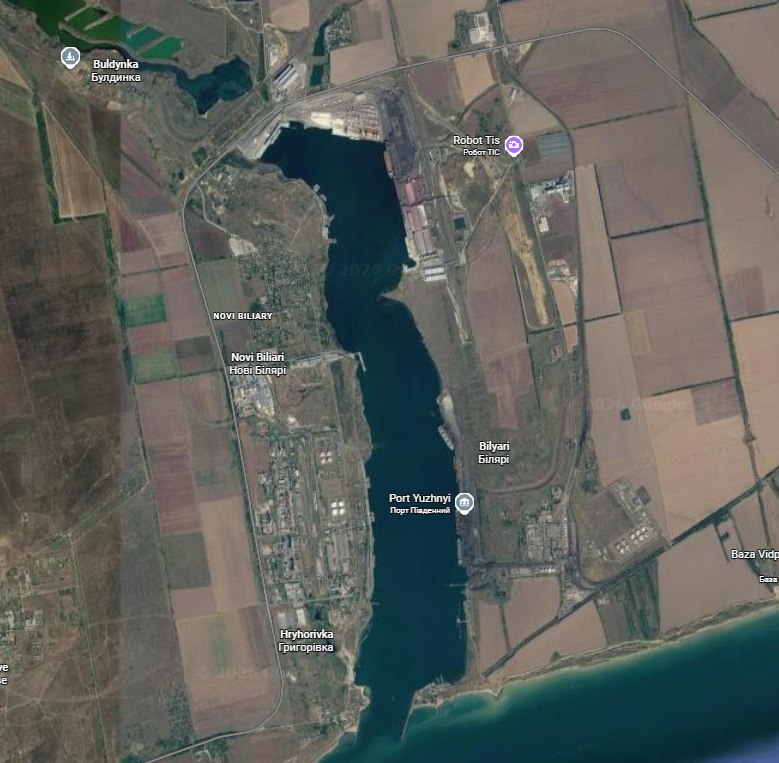
While Russia advances its strategic missile capabilities, it continues to employ unmanned aerial systems (UAS) in conventional conflicts. On the same day, the Ukrainian port city of Odesa reported a coordinated drone assault on the Yuzhnyi Port in Odesa Oblast. According to the Telegram channel monitor_the_situation, Russian forces launched 28 drones—comprising Geran‑2, Geran‑3, and Gerbera models—in two waves between the early hours of 12 May and the pre‑dawn period of 13 May.
The Geran series, derived from commercial quadcopter platforms and retrofitted with explosive payloads, has become a staple of Russian low‑cost aerial attacks. The Geran‑2 and Geran‑3 variants feature improved navigation and longer endurance, while the Gerbera model incorporates a larger warhead for greater destructive effect. The drones targeted critical port infrastructure, including cargo handling equipment and storage facilities, causing material damage but no reported casualties.
"Russian forces launched 28 Geran‑2, Geran‑3, and Gerbera drones in two waves against the Yuzhnyi Port, striking critical infrastructure," – monitor_the_situation, 13 May 2026
The attack underscores a broader trend: the integration of swarming UAV tactics to disrupt logistics and supply chains. By targeting a key maritime hub, the Russian drone offensive aims to impair Ukraine’s export capacity, particularly for grain and industrial goods, thereby exerting economic pressure alongside kinetic operations.
Drone Alerts Along Israel’s Northern Frontier
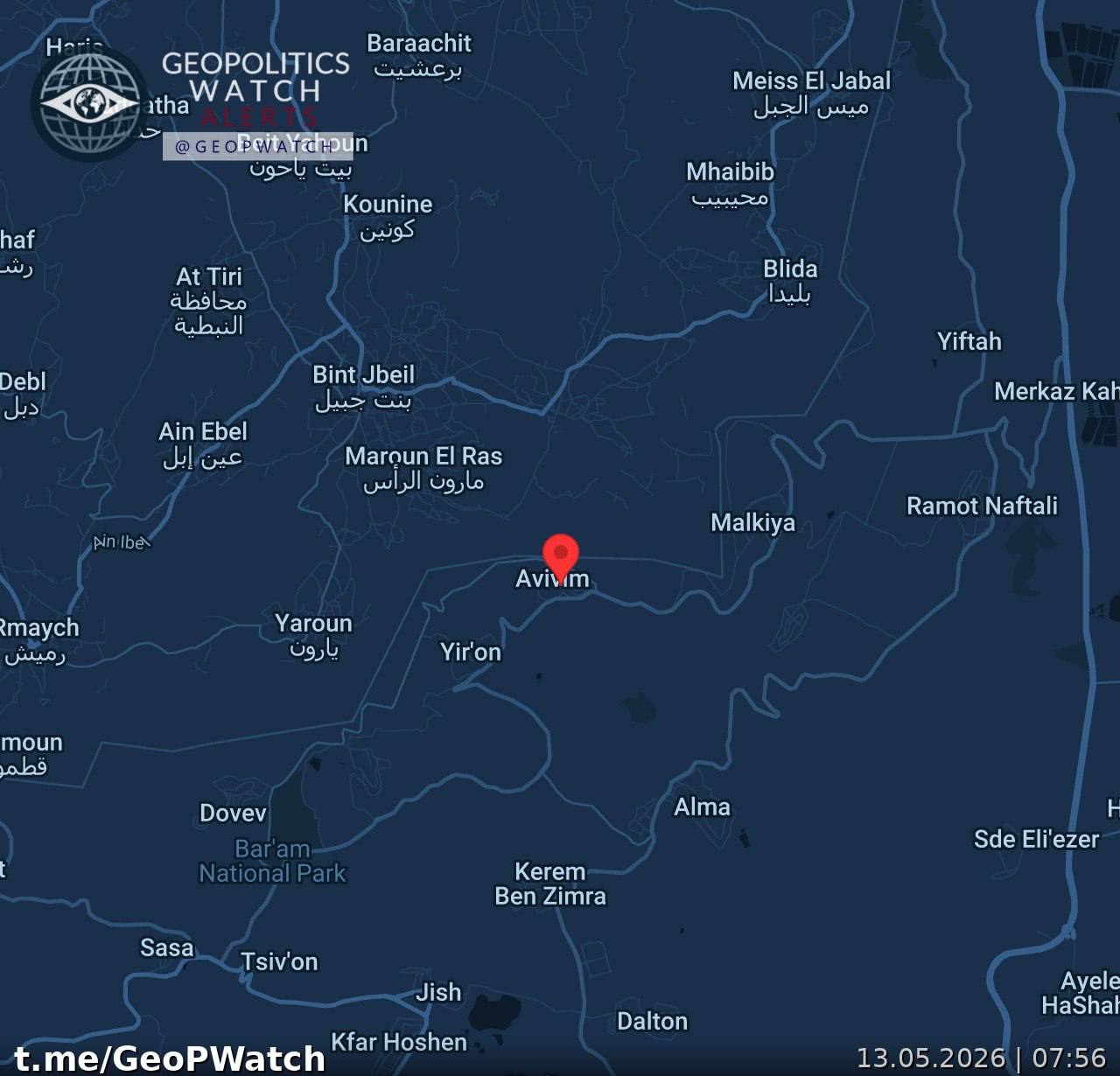
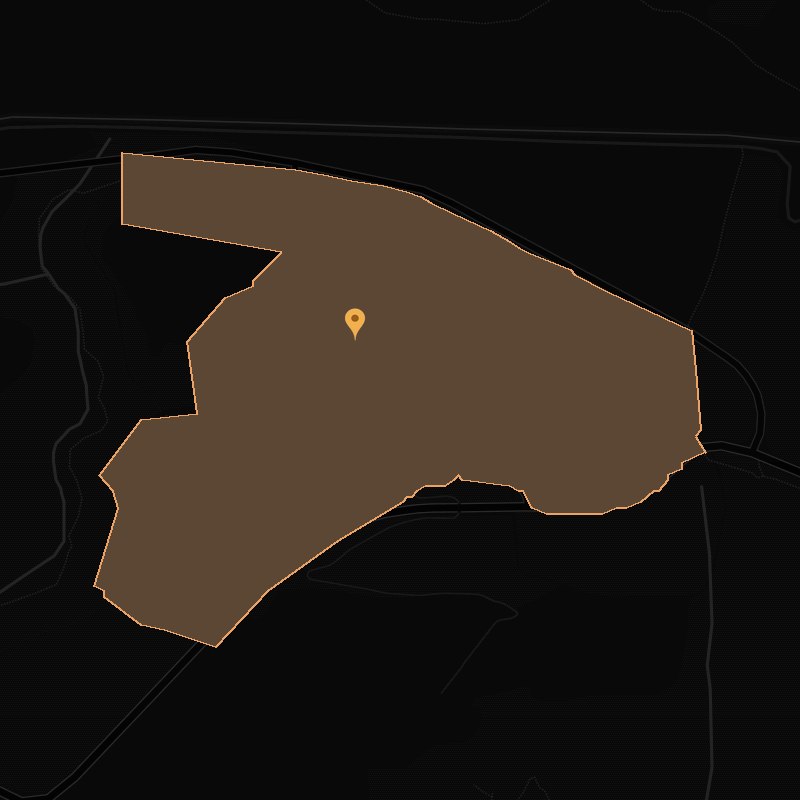
In a separate theater, Israel’s northern border with Lebanon experienced heightened UAV activity. At 04:58 local time, the open‑source monitoring platform GeoPWatch reported a drone alert over Avivim, a town in the Upper Galilee situated near the Israeli‑Lebanese frontier. The alert, corroborated by a contemporaneous report from RocketAlert, indicated the presence of an unidentified hostile UAV operating in the vicinity of the confrontation line.
Both sources provided photographic evidence of the aerial object, though no visual identification of the platform was possible. No casualties or damage were reported, and the Israeli Defense Forces (IDF) did not release an official statement regarding the incident. The proximity of the alert to the volatile border area, where Hezbollah and other non‑state actors have previously employed UAVs for reconnaissance and limited strikes, raises concerns about the potential escalation of low‑intensity aerial threats.
"Hostile UAV alert 2026‑05‑13 07:56:56: Confrontation Line: Avivim," – RocketAlert, 13 May 2026
The twin alerts from GeoPWatch and RocketAlert illustrate the growing reliance on civilian‑sourced intelligence to monitor aerial incursions in contested zones. The rapid dissemination of such alerts enables local authorities to respond promptly, though the lack of a clear attribution complicates diplomatic and security calculations.
Broader Context: Drones as Force Multipliers
The events of 13 May 2026 reflect a converging pattern: state and non‑state actors are increasingly integrating drones into their operational arsenals, while major powers continue to develop and showcase strategic weapons systems. Drones offer several advantages that drive their adoption:
- Low cost and accessibility: Commercial off‑the‑shelf components enable rapid production and fielding of UAVs such as the Geran series.
- Swarm capability: Coordinated attacks by multiple drones can overwhelm air‑defence systems, as demonstrated in the Yuzhnyi Port strike.
- Denial and attribution challenges: Small UAVs can be launched from a distance, making it difficult to pinpoint the operator, a factor evident in the Israeli border alerts.
Simultaneously, the Sarmat test highlights that while UAVs dominate the tactical battlefield, strategic deterrence remains anchored in high‑technology, high‑cost platforms. The juxtaposition of these two trends underscores a layered security environment where conventional forces, asymmetric tools, and strategic weapons intersect.
Conclusion
The successful launch of Russia’s Sarmat ICBM and the concurrent surge in drone‑based operations across Ukraine and Israel illustrate a widening spectrum of military capabilities employed by state and non‑state actors. The Sarmat test reaffirms Russia’s commitment to maintaining a credible nuclear deterrent, while the Geran drone attacks and UAV alerts along the Israeli‑Lebanese border demonstrate how relatively inexpensive unmanned systems can shape conflict dynamics, target critical infrastructure, and heighten regional tensions. Monitoring these developments remains essential for assessing future escalation pathways and for informing policy responses aimed at mitigating the risks associated with both strategic weapons proliferation and the democratization of drone technology.