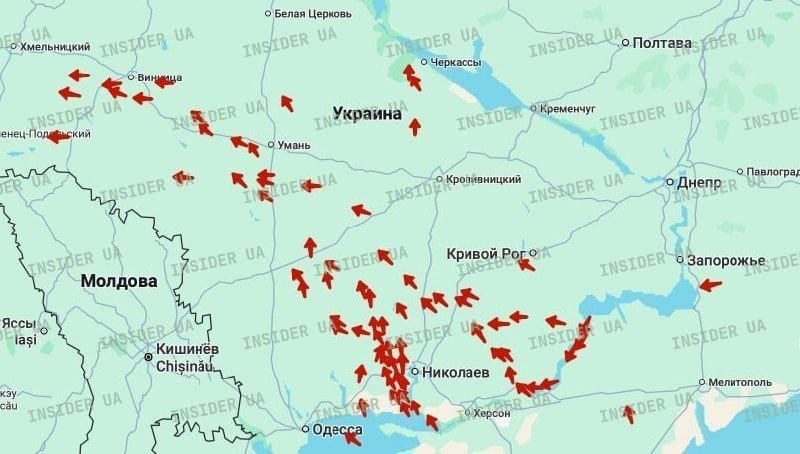
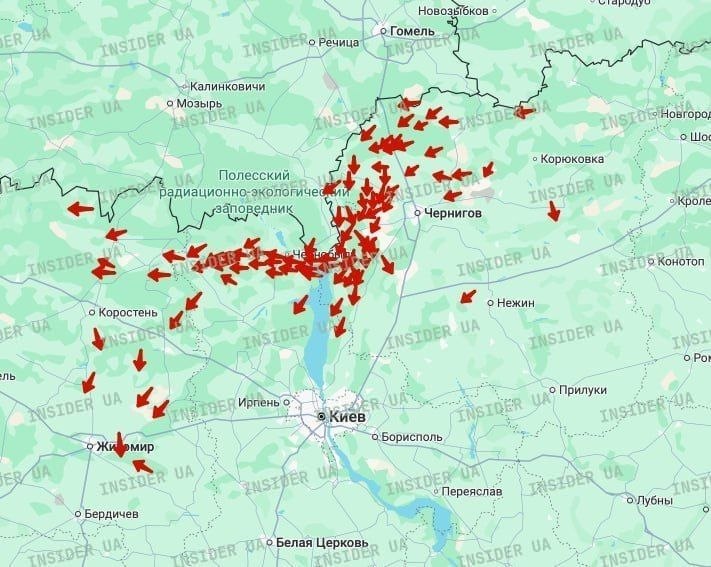
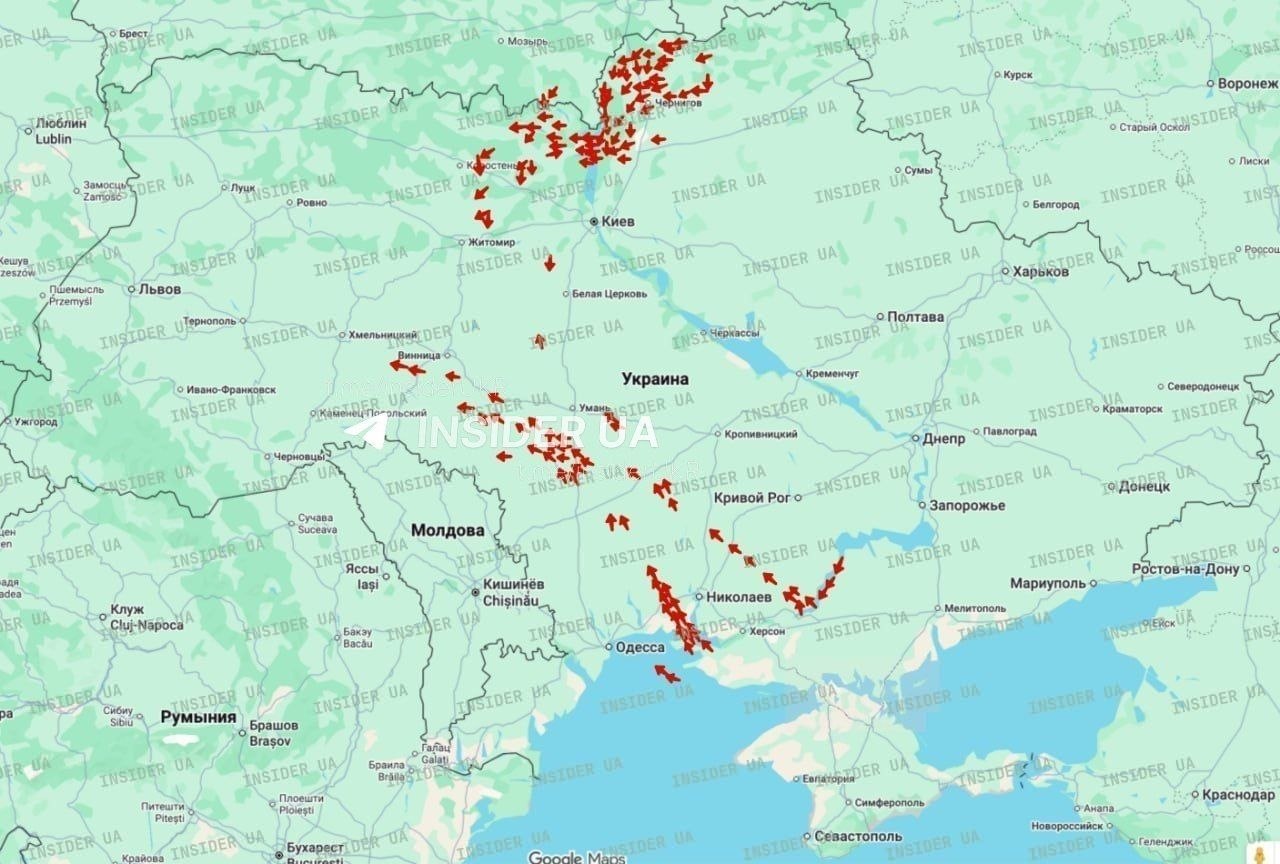
Russia launched an unprecedented daytime swarm of over 800 unmanned aerial vehicles (UAVs) against Ukraine, killing at least six civilians and marking one of the longest kinetic assaults recorded this year. The attack, reported by monitor_the_situation at 15:57, involved a coordinated barrage that overwhelmed Ukrainian air defenses and caused widespread damage across multiple oblasts. Ukrainian officials confirmed six fatalities and extensive infrastructure disruption, while Russian state media claimed the operation was intended to “spoil political efforts” (monitor_the_situation).
"One of the longest" Russian attacks kills at least six people in Ukraine
Scale of the Drone Offensive
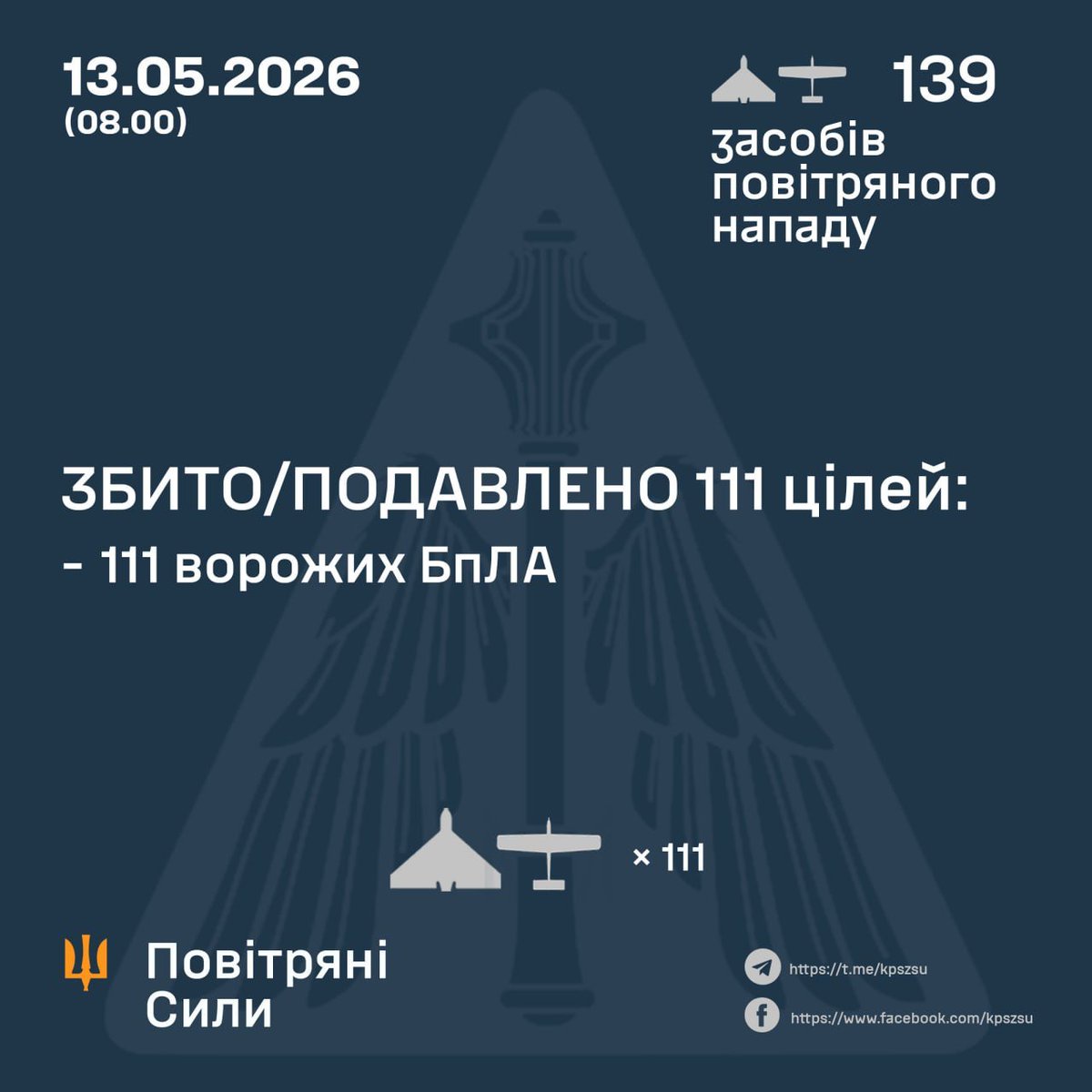
According to the same source, the swarm comprised more than 800 drones, a figure that dwarfs previous UAV deployments in the conflict. Ukrainian air defenses reported shooting down 111 of 139 Russian drones overnight (monitor_the_situation, 06:09), yet the remaining strike UAVs managed to hit 13 locations, underscoring the difficulty of countering massed drone formations. The weapons employed included Shahed, Gerbera, Italmas, and Parody models, reflecting a diversified Russian UAV inventory.
Parallel Ukrainian Drone Operations
Ukraine continued its own long‑range UAV campaign, targeting Russian energy infrastructure. Notable strikes included:
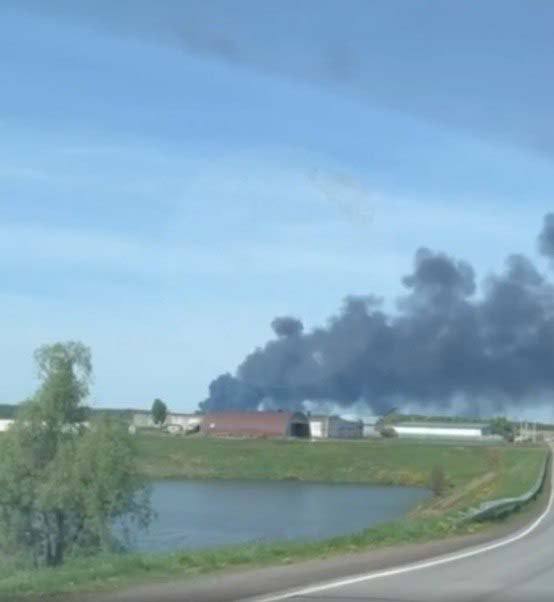
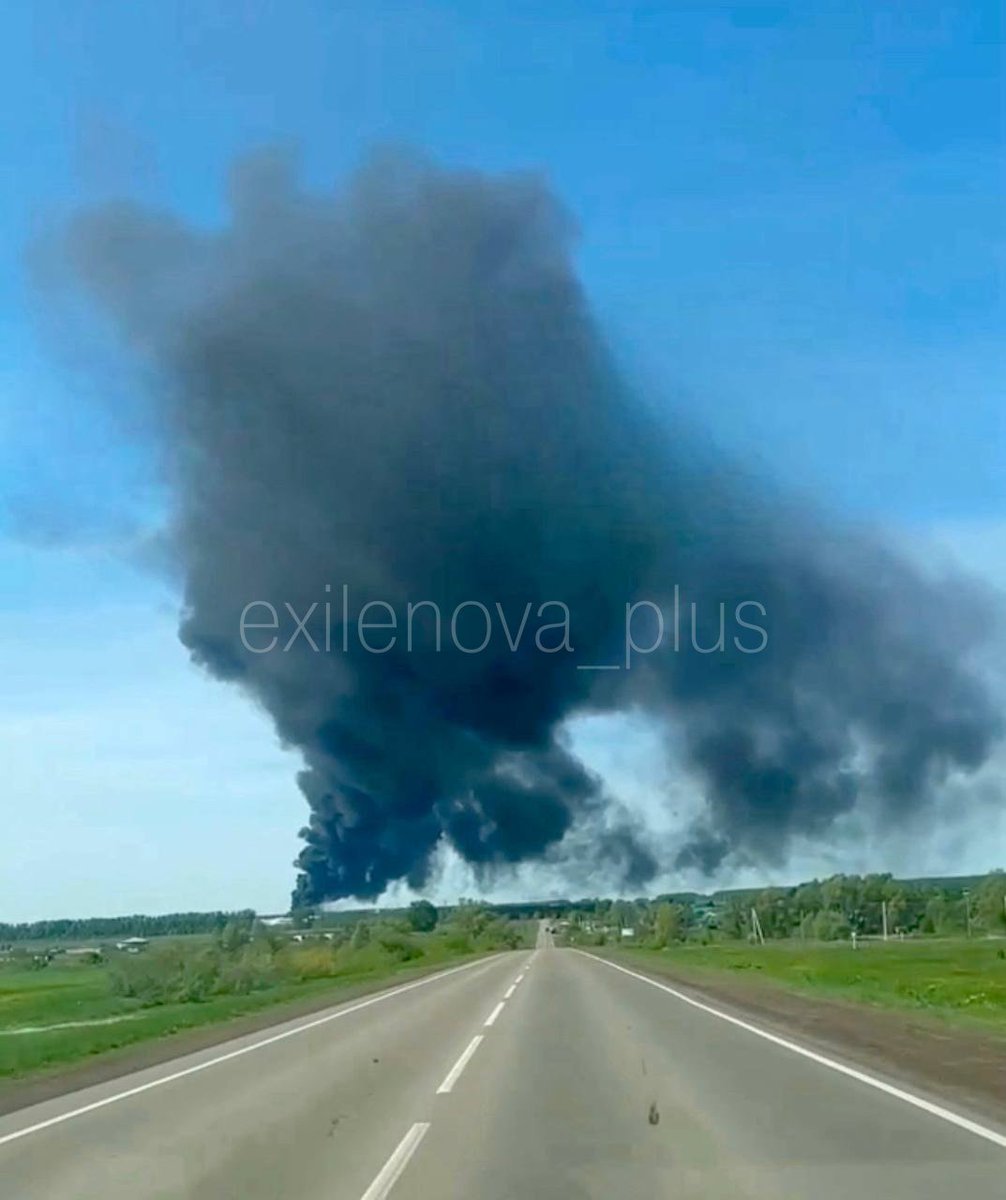
- Fire at the Transneft‑Ural Nurlino pipeline station in Bashkortostan (monitor_the_situation, 08:09).
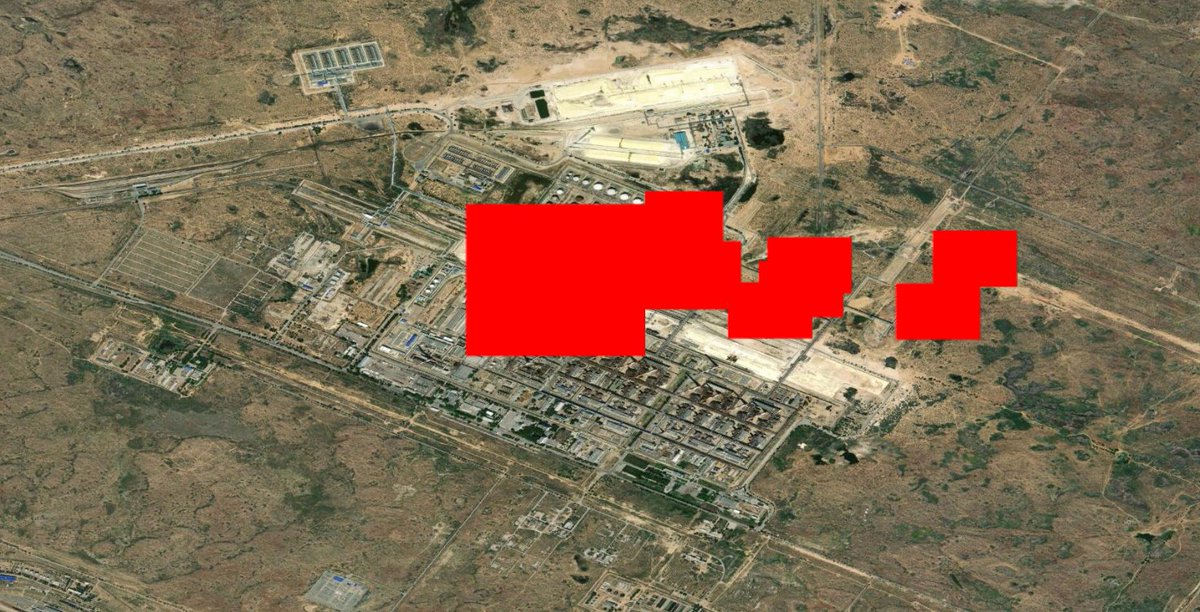
- Attack on the Astrakhan gas processing plant, where electronic warfare suppressed the drones but debris ignited a fire (monitor_the_situation, 06:56).
- Strikes on the Taman port in Krasnodar Krai, igniting up to three oil tanks at the Tamanneftegaz depot (monitor_the_situation, 06:44).
These operations demonstrate Ukraine’s expanding strike range and its reliance on UAVs to pressure Russian logistical nodes.
U.S. Naval Blockade in the Strait of Hormuz
In a separate kinetic theater, the United States Central Command (CENTCOM) enforced a blockade of Iranian ports in the Strait of Hormuz. The operation redirected 67 commercial vessels, permitted 15 humanitarian ships to pass, and disabled four vessels to ensure compliance (monitor_the_situation, 15:25). The blockade reflects ongoing tensions between Washington and Tehran and highlights the strategic importance of the Hormuz chokepoint for global oil shipments.
Israeli Military Action in Lebanon
Israeli airstrikes on civilian vehicles in Lebanon resulted in at least 12 deaths, including a woman and her two children (AlJazeera, 14:59). The attacks, described as a series of vehicle strikes, add to the cumulative civilian toll reported by the Lebanese Health Ministry, which now stands at 2,896 deaths since the war began (monitor_the_situation, 12:55). The ministry’s figures underscore the protracted humanitarian impact of the cross‑border conflict.
UN Calls for Probes into Nigeria‑Chad Air Campaign
The United Nations rights chief expressed shock after reports that Nigerian and Chadian forces killed over 100 civilians in coordinated air attacks (AlJazeera, 11:40). The UN has urged independent investigations to ascertain responsibility and ensure accountability for the alleged violations of international humanitarian law.
Additional Notable Kinetic Events
Other critical incidents on May 13 include:
- A Russian vessel transporting nuclear reactors sank after unexplained explosions; U.S. surveillance aircraft later inspected the wreckage (JPost, 06:46).
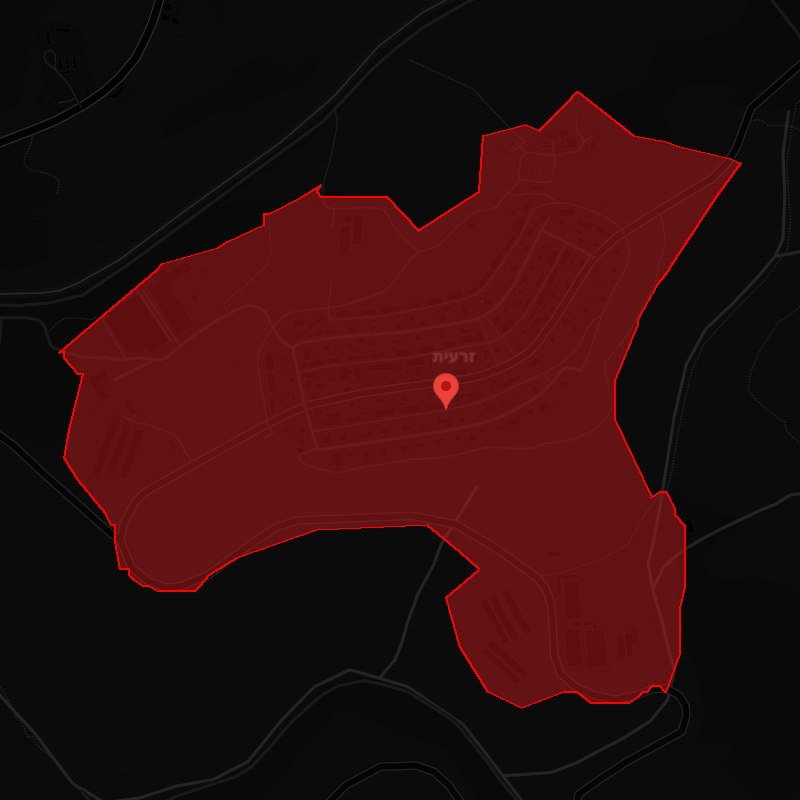
- Hezbollah launched more than ten explosive drones toward northern Israel, wounding two soldiers and striking a strategic target despite Israeli air defenses (idkunim_il, 07:50).
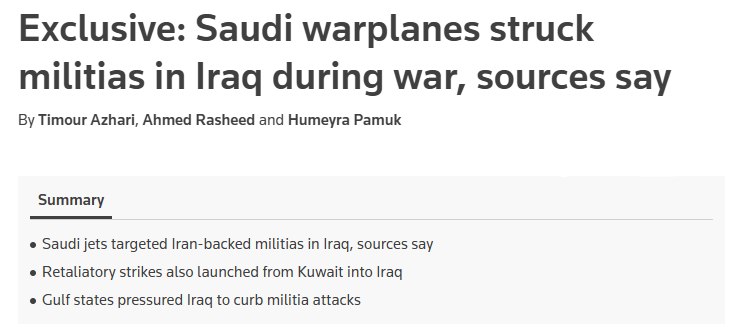
- Saudi fighter jets struck Iran‑backed Shia paramilitary sites near the Saudi‑Iraqi border, while Kuwaiti forces conducted retaliatory strikes in southern Iraq, destroying a Kataib Hezbollah communications facility (GeoPWatch, 16:52).
- An Israeli woman was killed and several Israelis injured in a traffic accident in Panama (idkunim_il, 16:32).
These events illustrate a pattern of kinetic engagements extending beyond traditional battlefields, involving state and non‑state actors across Europe, the Middle East, Africa, and the Caribbean.
Analytical Overview
The convergence of large‑scale UAV swarms, naval blockades, and targeted airstrikes on May 13 signals a shift toward multi‑domain kinetic operations. Russia’s deployment of 800+ drones demonstrates an escalation in aerial warfare tactics, leveraging sheer numbers to saturate defenses. Ukraine’s reciprocal drone strikes on Russian energy assets indicate a strategic focus on economic disruption. Meanwhile, U.S. enforcement actions in the Strait of Hormuz and Israeli strikes in Lebanon reflect continued reliance on kinetic force to achieve geopolitical objectives.
Collectively, these incidents raise several concerns:
- Increased civilian casualties from indiscriminate drone and air attacks.
- Potential for escalation as state actors respond to perceived violations of sovereignty.
- Challenges for international monitoring bodies in verifying and investigating rapid, high‑volume kinetic events.
Monitoring agencies will need to enhance real‑time data collection and verification mechanisms to track the evolving threat landscape.