The most serious development on 13 May 2026 emerged from Kuwait’s northern frontier, where the Ministry of Defense publicly accused the Islamic Revolutionary Guard Corps (IRGC) of attempting an incursion onto Bubiyan Island, the largest of Kuwait’s offshore islands bordering Iraq and Iran. The claim, posted on the Telegram channel intelslava at 05:49 UTC, described a coordinated ground movement by IRGC forces that was intercepted by Kuwaiti security units before any breach could be effected. Kuwaiti officials reported no casualties and emphasized that the attempted invasion was thwarted without armed confrontation. Iran’s foreign ministry responded through its official channels, labeling the allegation “completely unfounded” and warning that any baseless accusations could further destabilise regional security.
"The allegations are completely unfounded," Iran’s foreign ministry said in a statement released later on 13 May.
The incident marks the first overt ground‑level confrontation between the two neighbours since the 2003 Iraq war and raises the risk of a broader escalation, especially given the proximity of the island to the Persian Gulf’s strategic shipping lanes.
Chinese‑linked Tankers Navigate the Strait of Hormuz
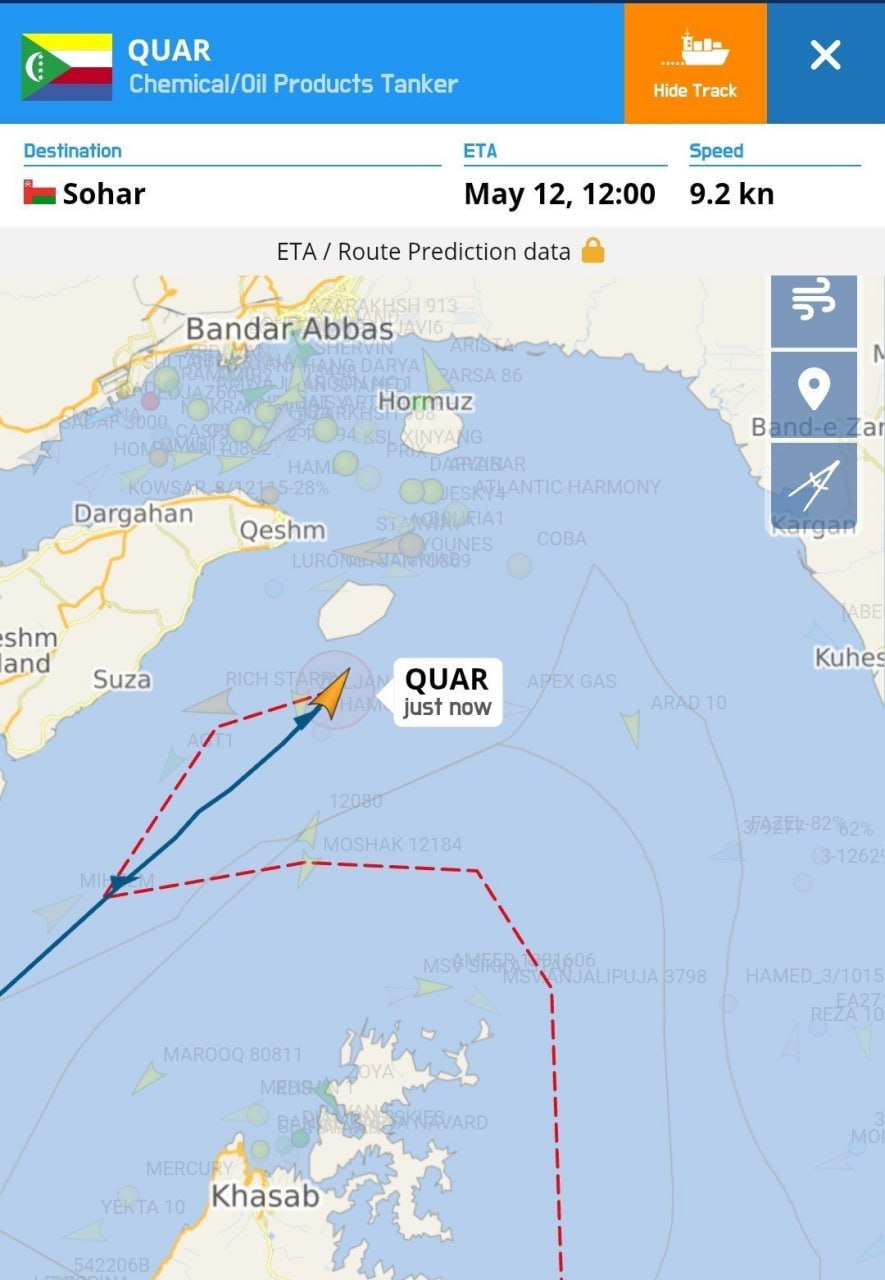
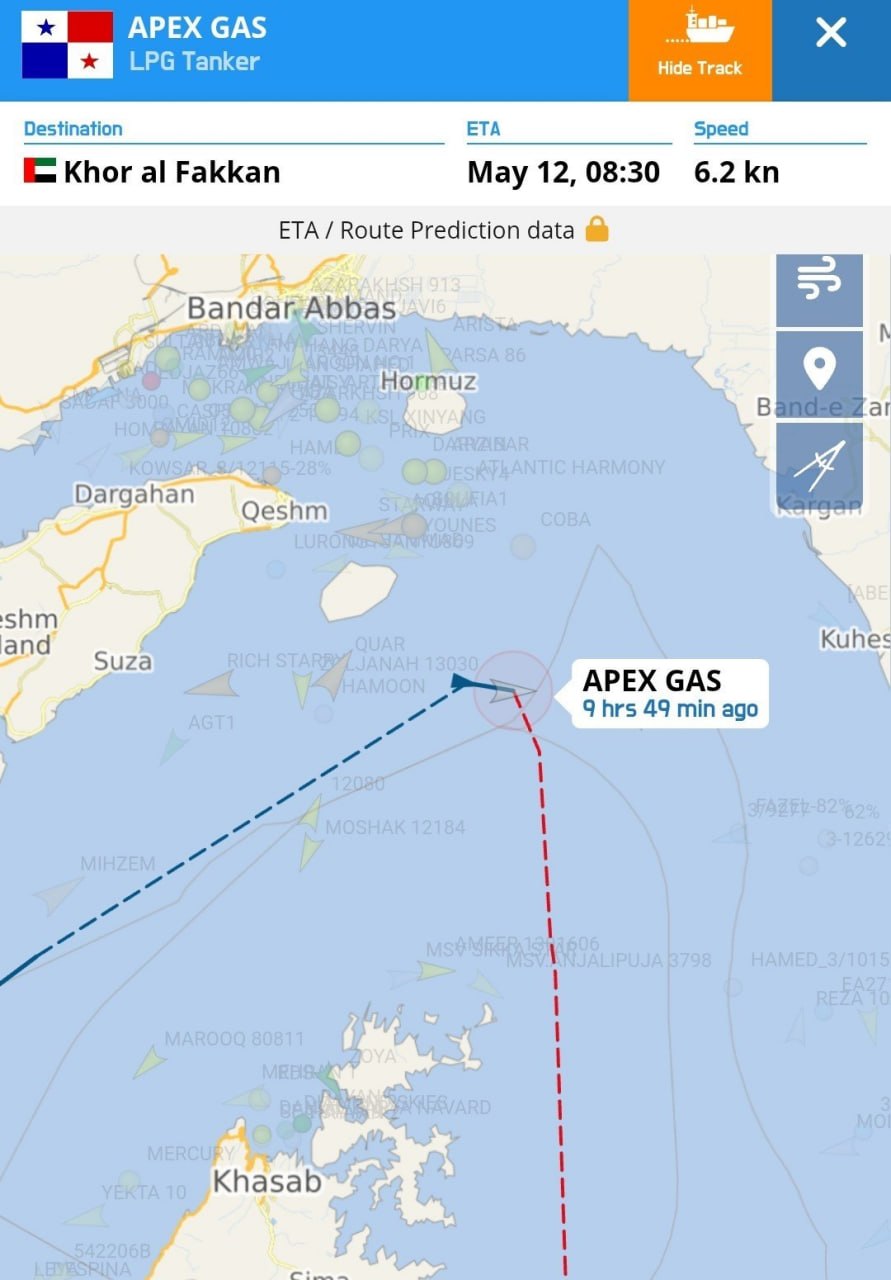
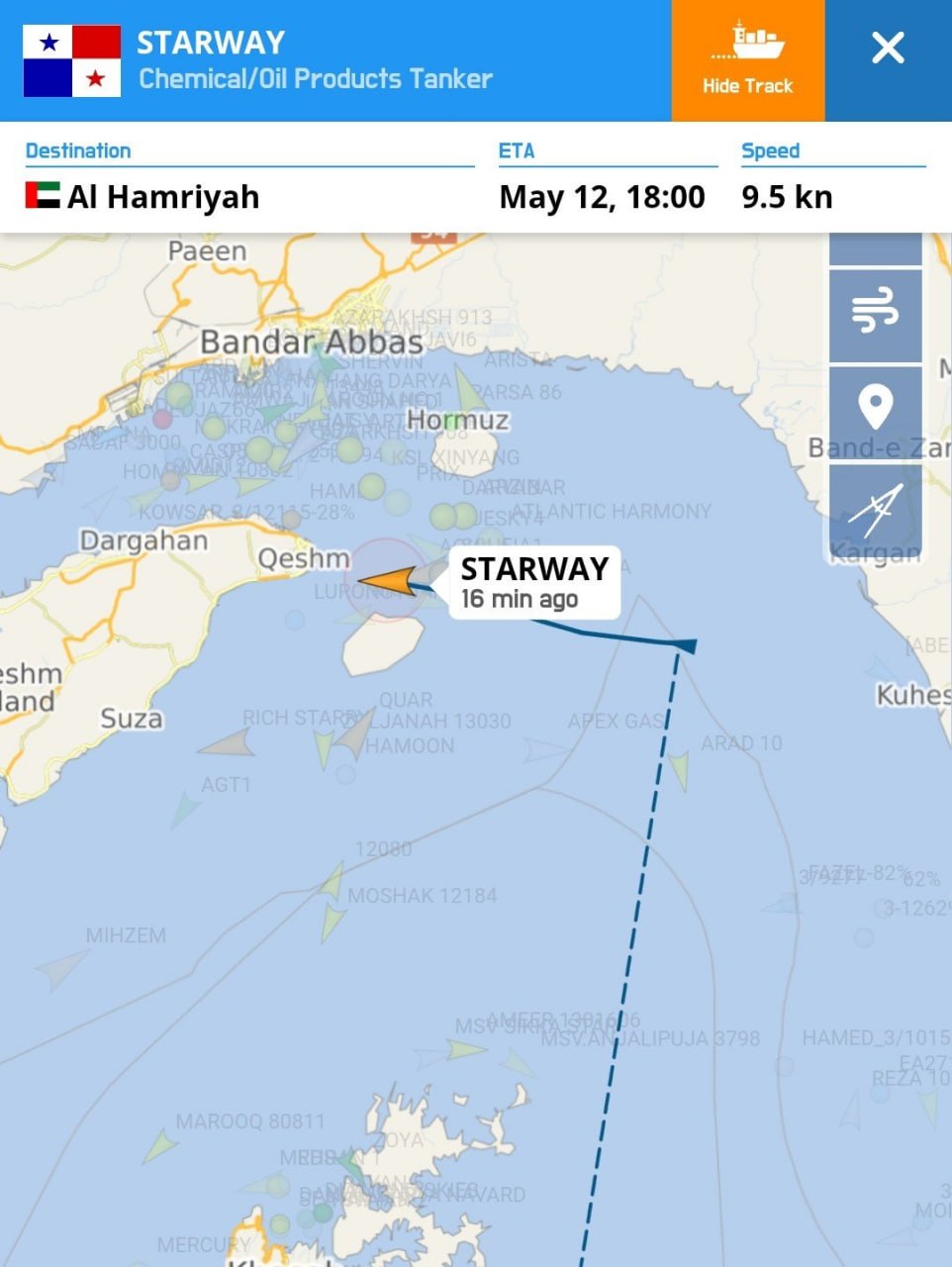
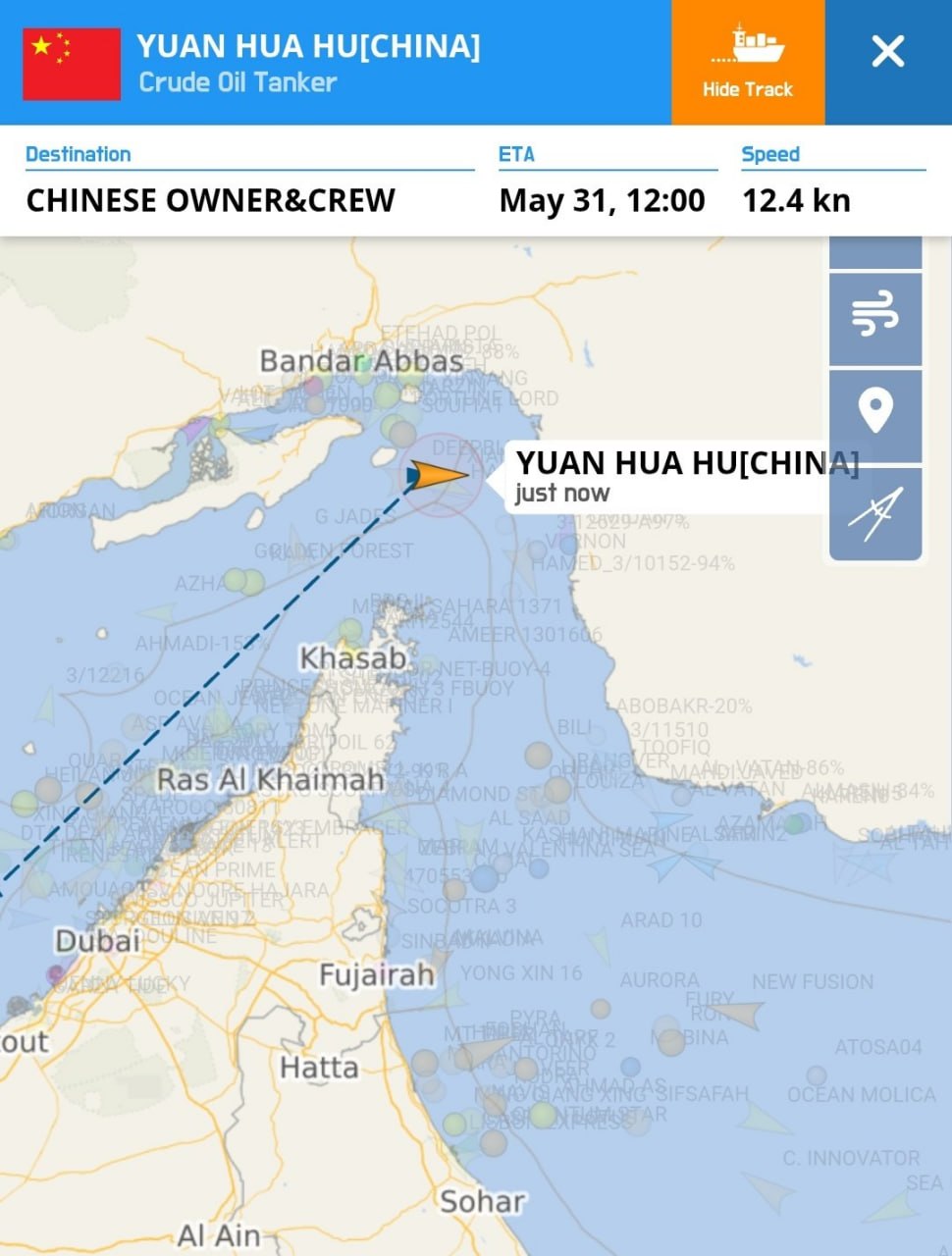
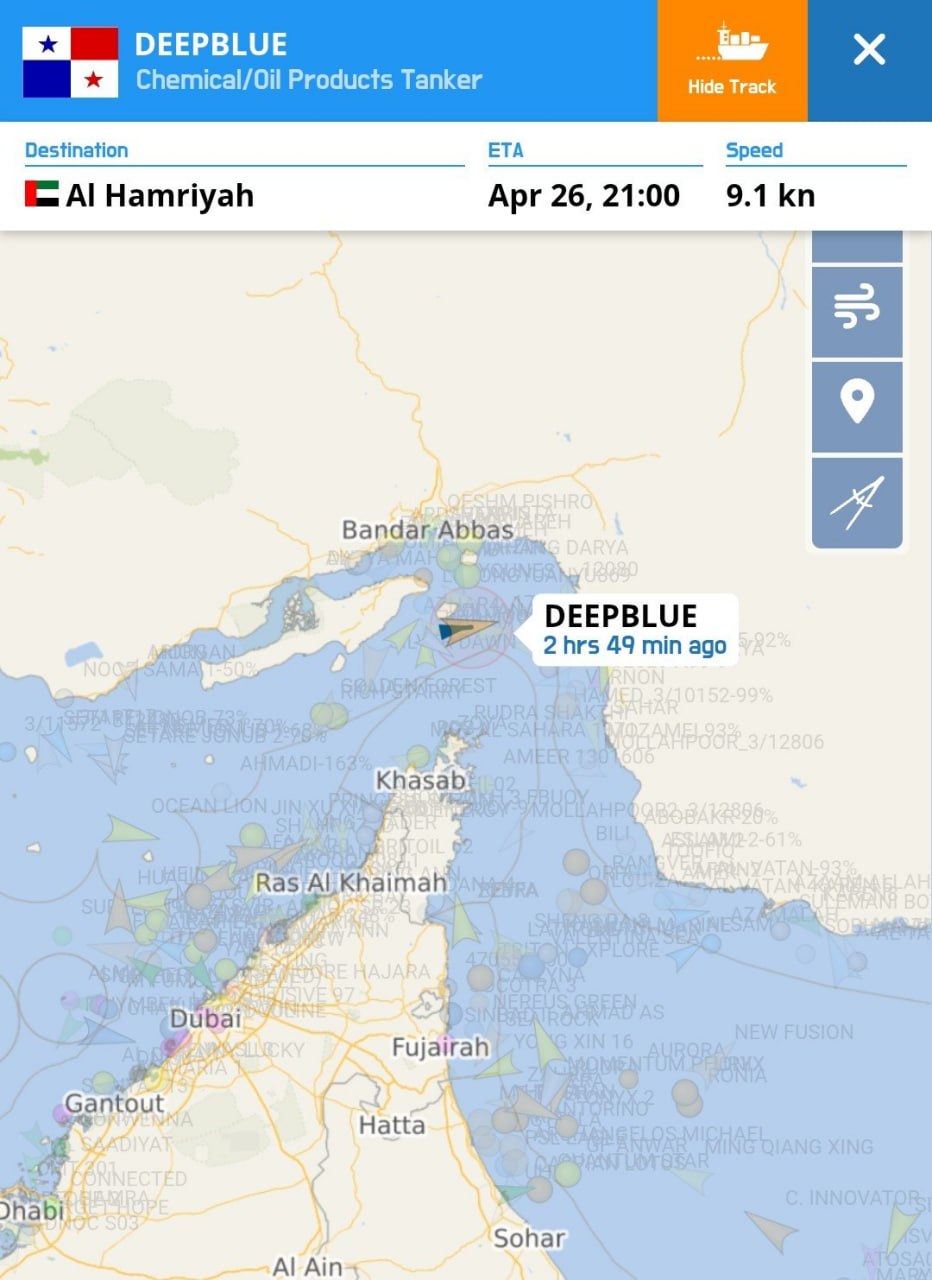
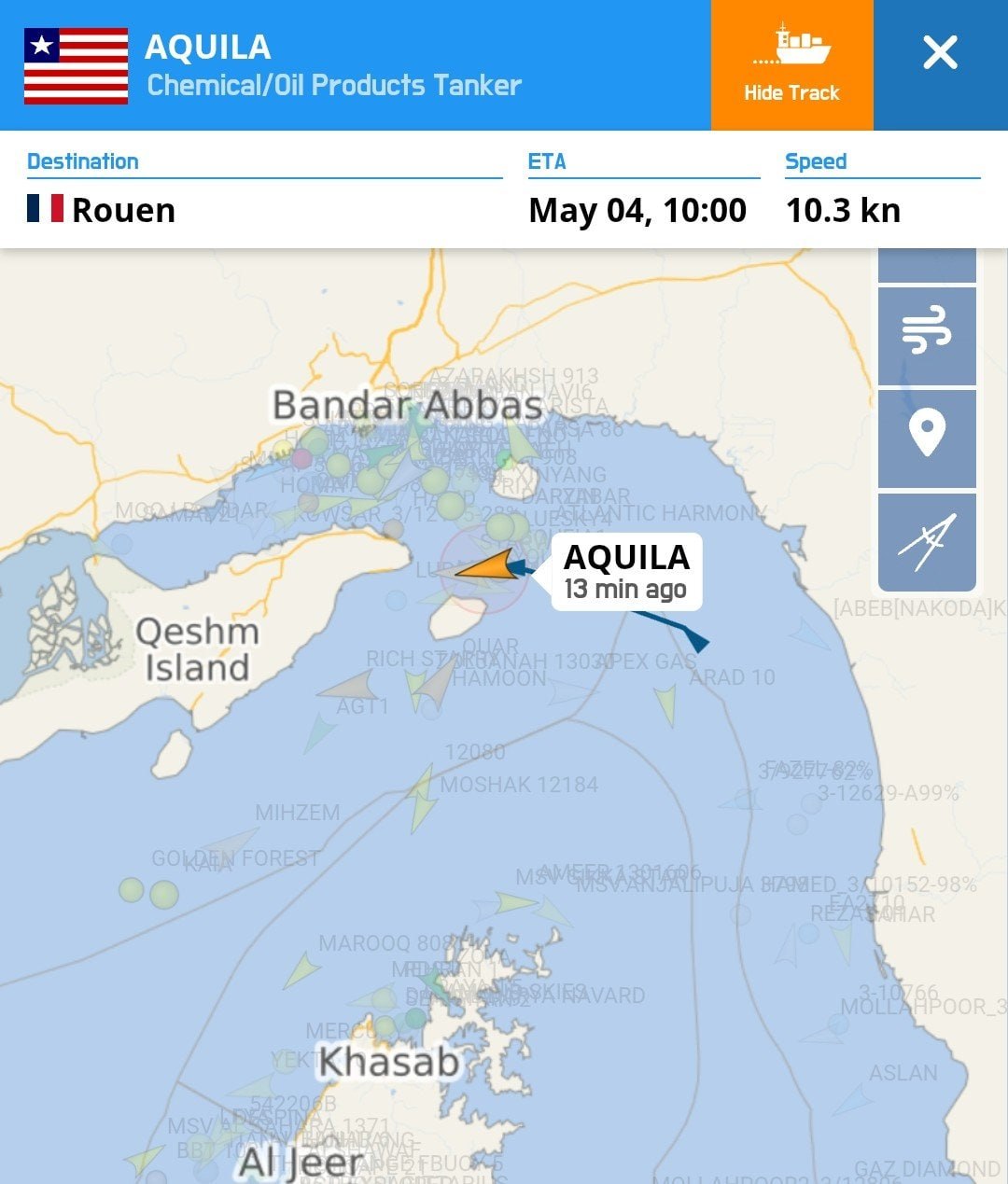
Within hours of the Bubiyan claim, the maritime domain of the Persian Gulf saw heightened activity. At 04:20 UTC, BellumActaNews reported that six tankers with Chinese ownership or registration traversed the Strait of Hormuz using routes designated by Iranian authorities. The vessels, flagged under a variety of registries—including UAE‑registered APEX GAS (Panama flag), Virgin Islands‑registered QUAR (Comoros flag), Chinese‑owned STARWAY (Panama flag), and a Singapore‑registered tanker—passed in close proximity to U.S. Navy surface combatants that have been operating in the area for the past several days.
No weapons were reported aboard the tankers, and there were no reported incidents or casualties. The movement coincided with President Trump’s state visit to China, a diplomatic event that has drawn heightened scrutiny of Chinese energy logistics in the Gulf. The presence of multiple national flags underscores the complex web of commercial interests that intersect with the strategic contest between Tehran and Washington.
US Ohio‑Class Submarine Departs Guam Amid Tensions
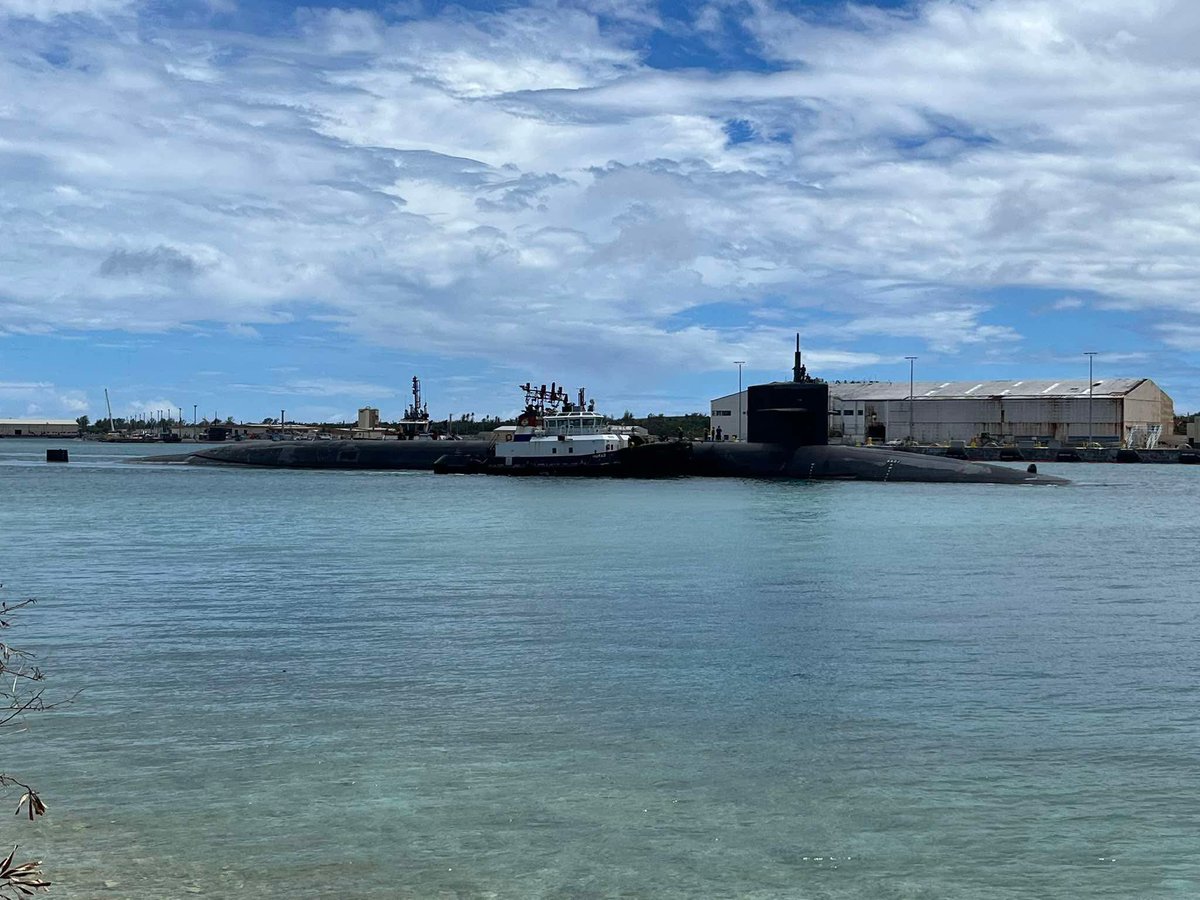
At 02:24 UTC, the monitoring channel monitor_the_situation posted that the USS Maine (SSBN‑741), an Ohio‑class ballistic‑missile submarine, left Apra Harbor in Guam on 12 May 2026. While the deployment was described as routine, the timing aligns with the broader surge in U.S.–Iran tensions following the Trump‑Xi summit in Beijing. The submarine, armed with Trident II D5 missiles, represents a strategic deterrent component of the United States’ Pacific‑based nuclear triad. No crew casualties were reported, and the vessel’s departure was not accompanied by any overt operational statements.
The movement of a strategic asset from Guam to the Indian Ocean or Persian Gulf theater signals Washington’s intent to maintain a credible second‑strike capability in the region, reinforcing the naval posture already evident in surface ship deployments.
USS Canberra Enforces Blockade Measures
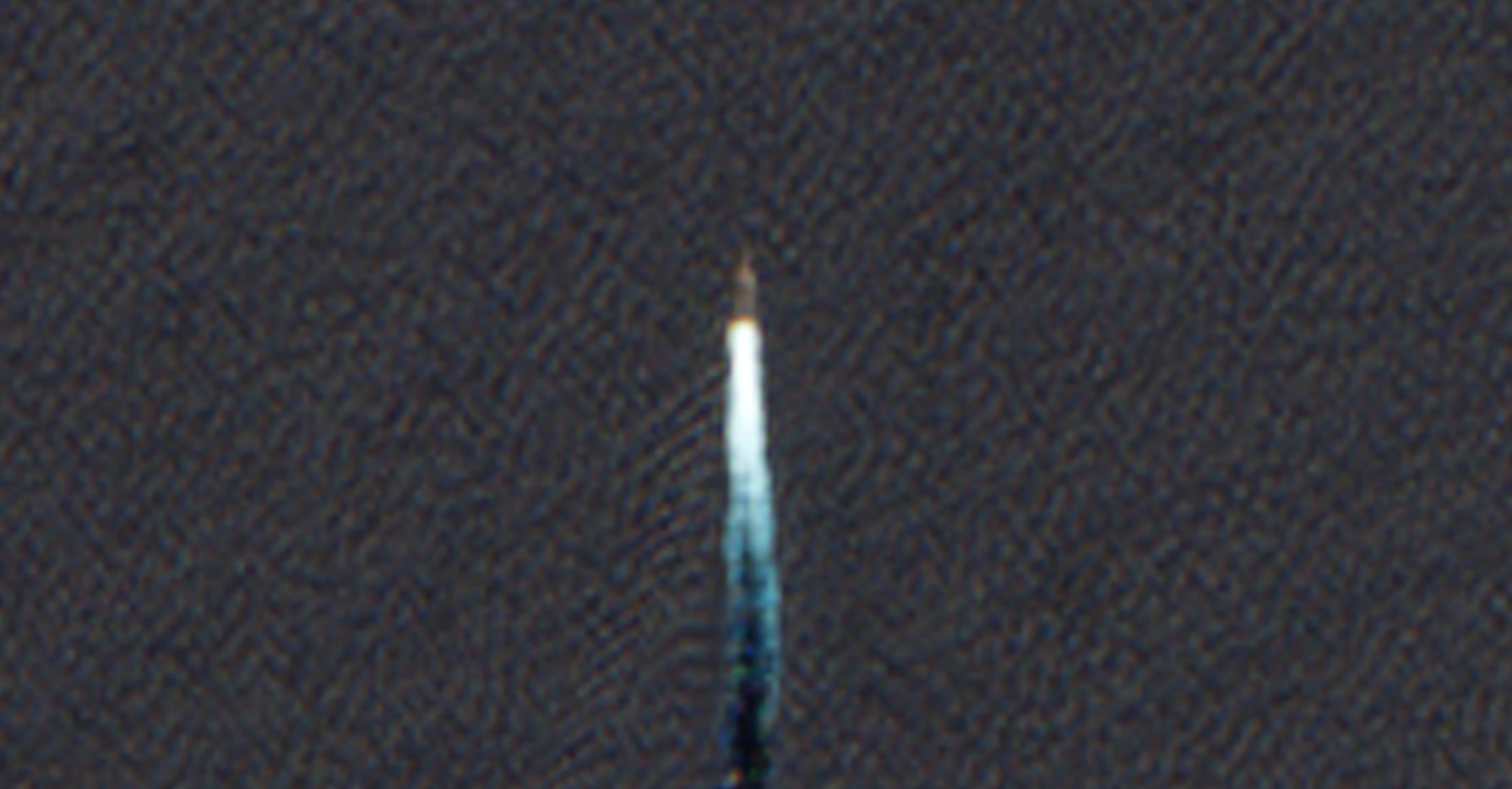
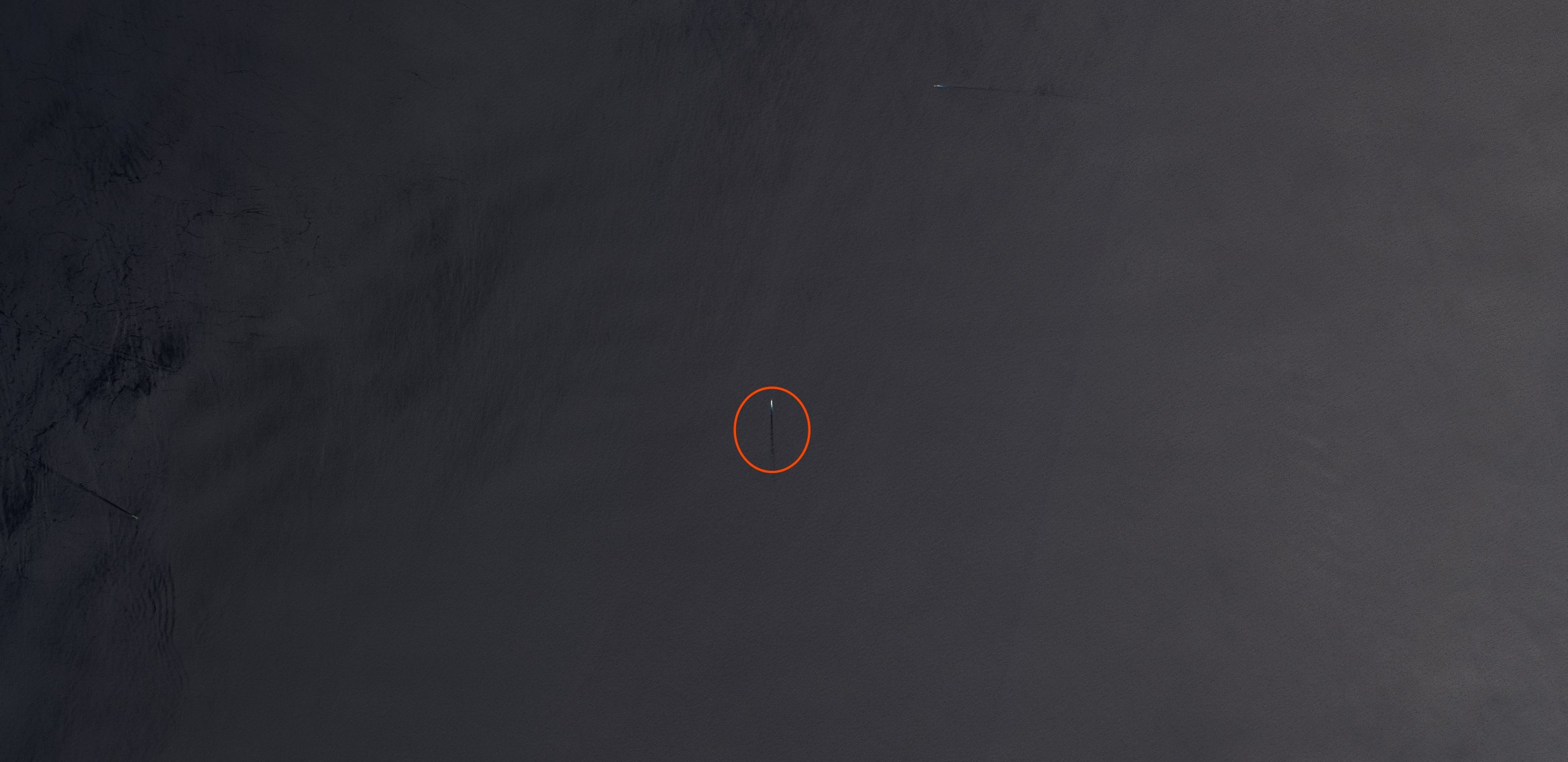
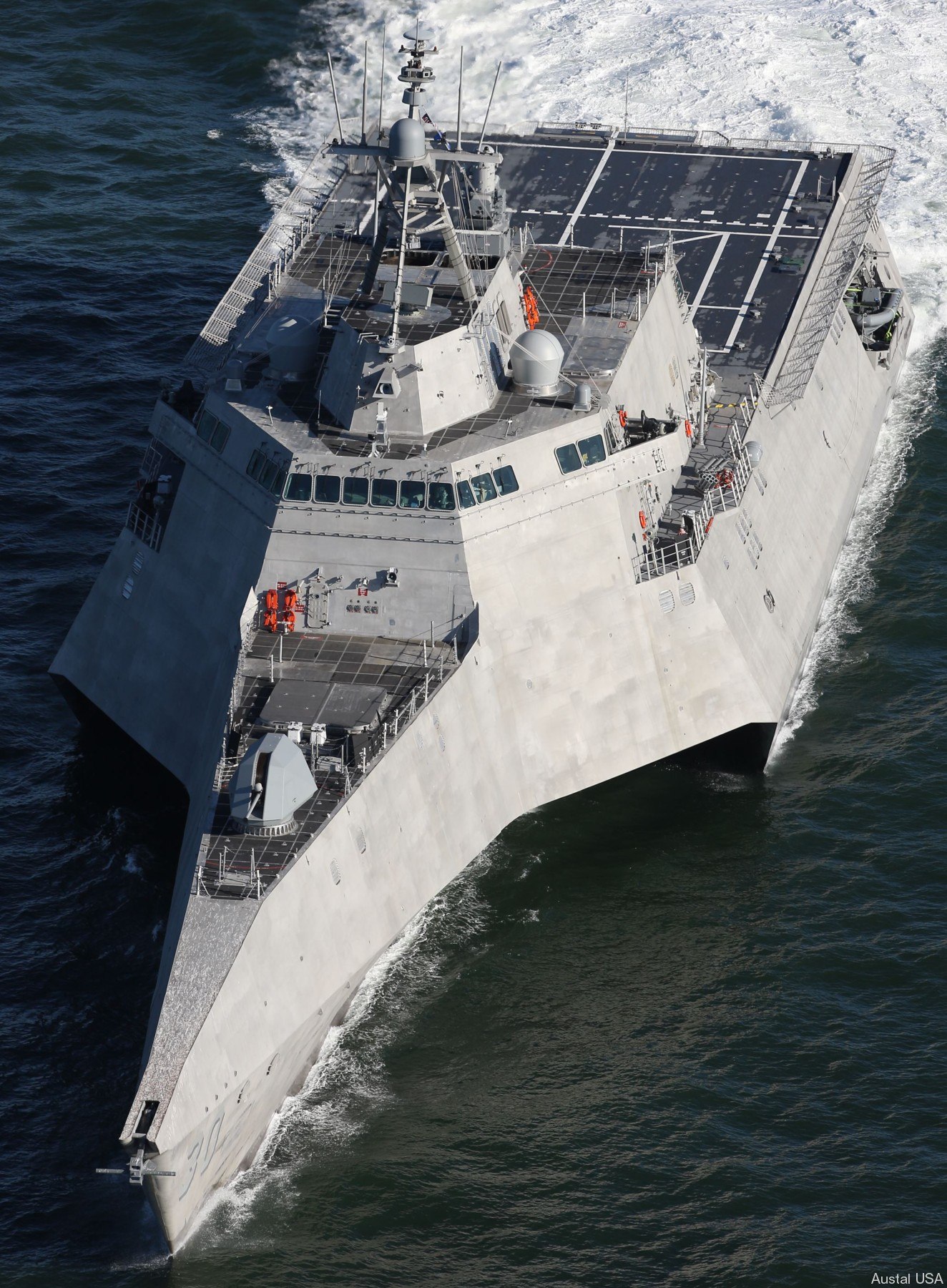
Satellite imagery released by GeoPWatch at 01:24 UTC showed the littoral combat ship USS Canberra (LCS‑30) operating near the Strait of Hormuz, conducting what the source described as “enforcement of a U.S. naval blockade on Iran.” The vessel was equipped with three standoff mine‑countermeasure assets: an MH‑60S Seahawk helicopter for airborne mine detection, a Common Unmanned Surface Vehicle (CUSV) towing the AN/AQS‑20 sonar, and a Remote Minehunting System (RMS) semi‑submersible drone. These systems enable the Canberra to locate and neutralise seabed mines, a capability that underscores the United States’ focus on safeguarding commercial shipping lanes while applying pressure on Iran’s maritime activities.
"Satellite imagery from May 11 shows the USS Canberra enforcing the U.S. naval blockade on Iran," GeoPWatch noted in its briefing.
No direct engagement was reported, and there were no casualties on either side. The deployment of advanced mine‑countermeasure technology reflects a shift toward non‑kinetic pressure tactics, aiming to restrict Iran’s ability to threaten shipping without escalating to open combat.
Analytical Assessment
The convergence of ground, surface, and subsurface activities on 13 May illustrates a multi‑dimensional escalation in the Persian Gulf. Kuwait’s accusation of an IRGC incursion, whether accurate or not, introduces a new flashpoint on land that could compel Tehran to recalibrate its maritime posture. Simultaneously, the United States is reinforcing its presence through a layered approach: strategic deterrence via the USS Maine, forward‑deployed surface assets like the USS Canberra, and routine patrols that intersect with commercial traffic, as evidenced by the close passages of Chinese‑linked tankers.
While no direct combat has occurred, the pattern of actions suggests a deliberate signaling strategy by both Tehran and Washington. Iran’s facilitation of Chinese‑linked tanker routes through Iranian‑designated channels serves both economic and geopolitical purposes, projecting influence over a critical chokepoint. The United States, by maintaining a visible blockade and deploying advanced mine‑countermeasure platforms, signals its willingness to intervene should Iranian actions threaten the free flow of oil and gas.
Regional actors, including the United Arab Emirates, Saudi Arabia, and Oman, are closely monitoring these developments. The potential for miscalculation remains high, particularly if any of the involved forces interpret routine maneuvers as hostile intent. Diplomatic channels have thus far been limited to public statements, with no reported back‑channel negotiations or de‑escalation proposals.