At 01:10 UTC on 12 May 2026, Russian forces fired an Iskander‑M short‑range ballistic missile from Kursk Oblast, targeting positions held by Ukrainian troops near the front line. The launch coincided with the formal expiration of the temporary ceasefire that had limited large‑scale exchanges for the previous 48 hours. No immediate casualty figures were released, and Ukrainian command did not confirm damage to specific assets, but the missile’s range and precision underscore Russia’s intent to re‑establish kinetic pressure across the contested zone.
Iskander‑M Missile Deployment
The Iskander‑M system, capable of delivering conventional warheads up to 500 km, represents one of Russia’s most advanced tactical ballistic platforms. According to the Telegram channel monitor_the_situation, the missile was launched from a mobile launcher stationed in Kursk Oblast and was “likely aimed at Ukrainian positions as the ceasefire ends.” The source linked to the original post (https://t.me/monitor_the_situation/15913) and provided no further technical details, such as warhead type or impact coordinates. The absence of reported civilian casualties suggests the strike may have struck a military target, but verification remains pending.
"Russia fired an Iskander‑M ballistic missile from Kursk Oblast, likely at Ukrainian positions as the ceasefire expires and fighting resumes." – monitor_the_situation, 12 May 2026
Ukrainian Drone Activity and Russian Interceptions
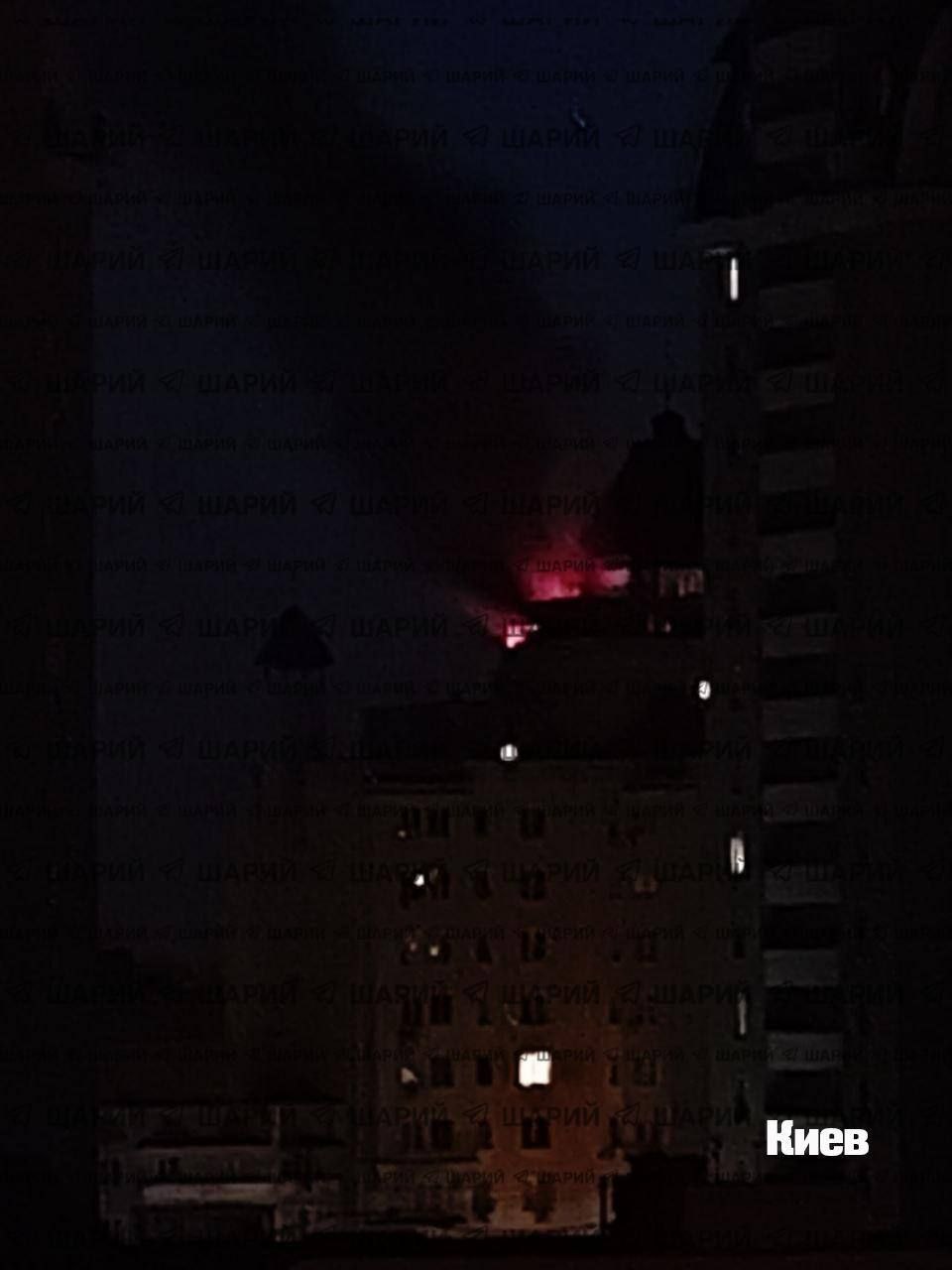
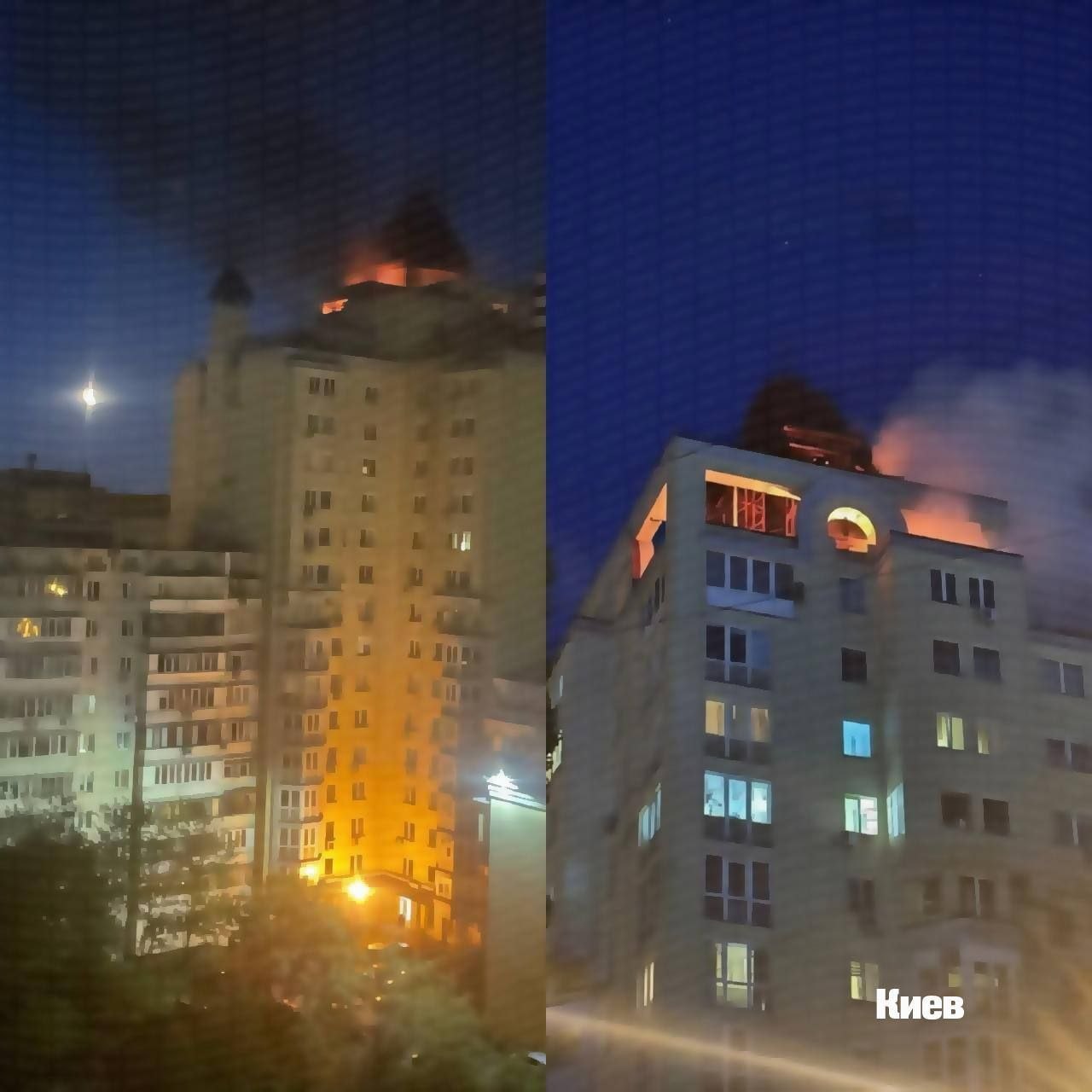
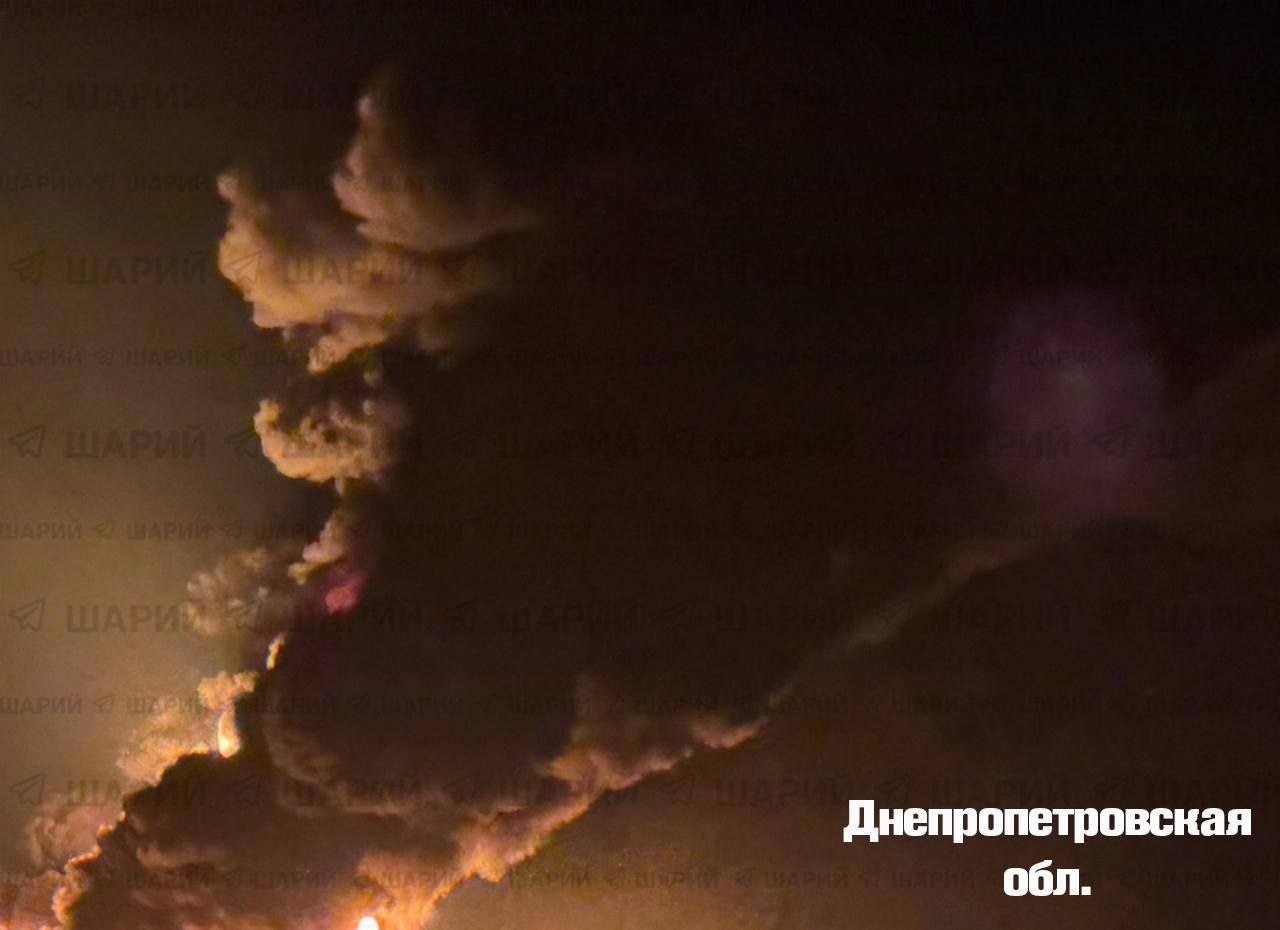
Within the same early‑morning window, Ukrainian forces escalated their own aerial campaign using Geran‑2 loitering munitions, commonly referred to as “kamikaze drones.” The Russian Ministry of Defense, cited by the Telegram channel intelslava, reported that Geran‑2 drones attacked the cities of Dnipropetrovsk, Kyiv, and Zhytomyr. In response, Russian air‑defence units claimed to have shot down 27 Ukrainian UAVs over the border regions of Belgorod, Voronezh, and Rostov. The interception tally was presented without casualty data, indicating that the engagements were confined to airspace and did not result in ground‑level damage.
"After the end of the ceasefire, the first 'swallows' in the form of kamikaze drones 'Geran‑2' visited Dnipropetrovsk, Kiev, and Zhytomyr. Russian air‑defence forces intercepted and destroyed 27 Ukrainian UAVs over Belgorod, Voronezh and Rostov regions." – intelslava, 12 May 2026
Malfunctioning KAB Glide Bomb Near Mykhailivsk
At 05:48 UTC, a separate incident unfolded in the Russian‑controlled portion of Zaporizhzhia Oblast. A Russian KAB glide bomb, part of a mass‑bombing raid aimed at Ukrainian positions in the Komyshuvakha direction, malfunctioned and fell near the town of Mykhailivka. The Telegram post from monitor_the_situation (https://t.me/monitor_the_situation/15925) noted that it was unclear whether the weapon impacted a residential area, and no civilian injuries were reported at the time of writing. The failure of a precision glide bomb highlights the technical challenges both sides face in maintaining high‑rate, accurate strikes under combat conditions.
Operational Context and Strategic Implications
The coordinated timing of the Iskander‑M launch, the surge in Geran‑2 drone attacks, and the glide‑bomb malfunction suggests a deliberate Russian effort to re‑assert offensive momentum following the ceasefire lapse. By employing a mix of ballistic, aerial, and precision‑guided munitions, Moscow appears to be testing Ukrainian defensive depth across multiple domains. The Ukrainian response, characterized by the deployment of loitering munitions against high‑value urban centers, indicates a willingness to accept heightened risk to disrupt Russian command and control nodes.
From a strategic standpoint, the use of the Iskander‑M system signals that Russia retains the capability to deliver rapid, high‑impact strikes without relying on longer‑range artillery or air‑strike assets. The reported interception of 27 UAVs by Russian air‑defence forces demonstrates a robust, layered air‑defence posture along the border, yet the continued penetration of Geran‑2 drones into major Ukrainian cities reveals gaps that Kyiv may exploit in future operations.
Humanitarian and Civilian Considerations
While none of the reported incidents on 12 May resulted in confirmed civilian casualties, the proximity of high‑explosive weapons to populated areas raises ongoing concerns for non‑combatants. The glide‑bomb malfunction near Mykhailivka, in particular, underscores the risk of unintended damage when precision weapons fail. International humanitarian law obliges all parties to distinguish between military targets and civilian objects and to take feasible precautions to minimize civilian harm.
Source Attribution
All event details are derived from open‑source Telegram channels monitored by conflict‑analysis teams: monitor_the_situation for the Iskander‑M launch and glide‑bomb incident, and intelslava for the Ukrainian drone attacks and Russian air‑defence interceptions. The original posts are publicly accessible via the URLs provided in each event summary.