On 12 May 2026, the United Nations confirmed that more than 370 Afghan civilians were killed in a series of air raids as fighting between the Taliban and Pakistani forces intensified in Pakistan during the first quarter of the year. The UN assessment, reported by Al Jazeera, underscores the growing humanitarian impact of cross‑border kinetic operations in a region already strained by insurgency and displacement.
"Over 370 Afghans have lost their lives in Pakistan due to intensified air raids targeting Taliban positions, according to UN data," the report stated.
Intensified Air Campaigns in South Asia
The airstrikes, conducted by Pakistani forces against Taliban elements operating near the Afghanistan‑Pakistan border, employed precision‑guided munitions and unguided bombs. While the Taliban claim the attacks target militant strongholds, the civilian death toll indicates a broader pattern of indiscriminate use of air power. The UN has called for an immediate cessation of hostilities and the establishment of safe corridors for civilians, but no formal ceasefire has been negotiated.
Russia’s Expanded Aerial Assault on Ukraine
Earlier that morning, Ukrainian President Volodymyr Zelensky announced that Russia had launched 200 strike drones and dropped 80 aerial bombs on Ukrainian positions overnight. The statement, posted on the Telegram channel monitor_the_situation (source), warned that Russia had refused a cease‑fire extension and that Ukraine would respond symmetrically. The drone barrage targeted logistics hubs in the eastern and southern fronts, while aerial bombs struck command posts in the Donetsk region.
Ukrainian defense officials confirmed that the attacks caused material damage but reported no immediate civilian casualties. The escalation follows a pattern of high‑intensity drone warfare that has become a hallmark of the Russia‑Ukraine conflict since 2022.
Russia’s Nuclear‑Enabled Missile Program
In a separate development, President Vladimir Putin announced that Russia is arming its long‑range Oreshnik missiles with nuclear warheads. The declaration, also disseminated via monitor_the_situation (source), marks a significant shift in Russia’s strategic posture, moving from conventional to nuclear‑capable delivery systems for the same missile platform previously used against Ukraine.
The Oreshnik system, capable of striking targets at distances exceeding 5,000 km, now reportedly carries a warhead with a yield comparable to the tactical nuclear weapons deployed in the early 2000s. International observers have expressed concern that this development lowers the threshold for nuclear use in regional conflicts.
Iran’s Nuclear Rhetoric and Regional Arms Deployments
Iranian officials escalated nuclear rhetoric on 12 May, warning that the country could enrich uranium to weapons‑grade levels if attacked again. The warning was issued by the parliamentary Foreign Policy and National Security Committee, as reported by BellumActaNews (source). Simultaneously, Israel deployed its Iron Dome air‑defence system to the United Arab Emirates, a move highlighted by the Jerusalem Post (source).
These actions reflect a broader regional arms dynamic, with Iran signaling a willingness to pursue nuclear capabilities while Israel extends its defensive umbrella to Gulf allies.
Israeli Airstrike in Lebanon
In the Levant, an Israeli airstrike in Lebanon killed six individuals, according to Al Jazeera (source). The strike targeted a suspected Hezbollah weapons depot near the southern border. Israeli officials warned that further displacement could occur if hostilities continue, and diplomatic talks scheduled in Washington are now under heightened pressure.
UAV Activity Across Multiple Theaters
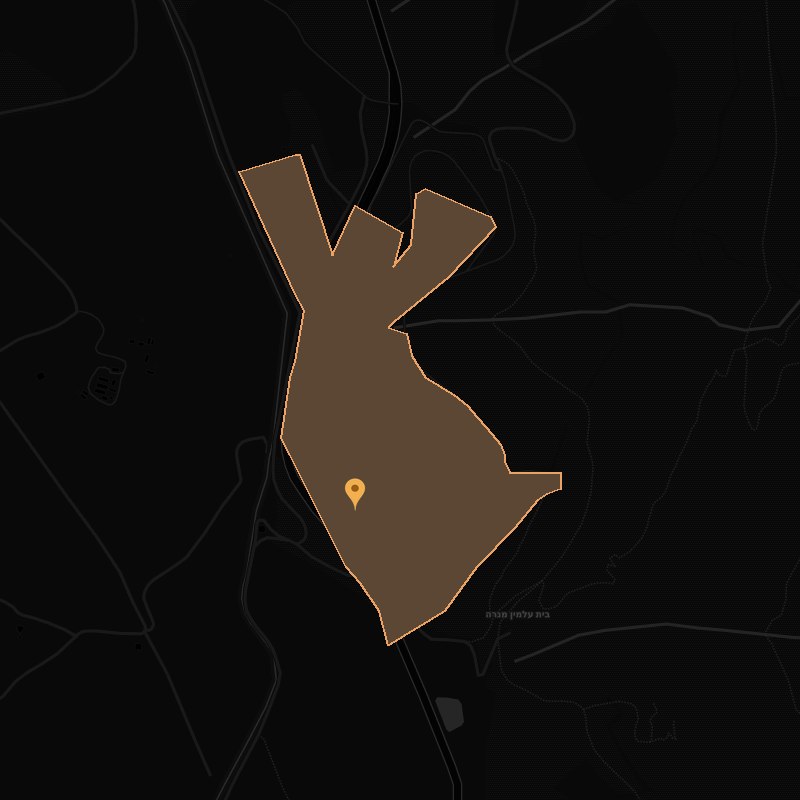
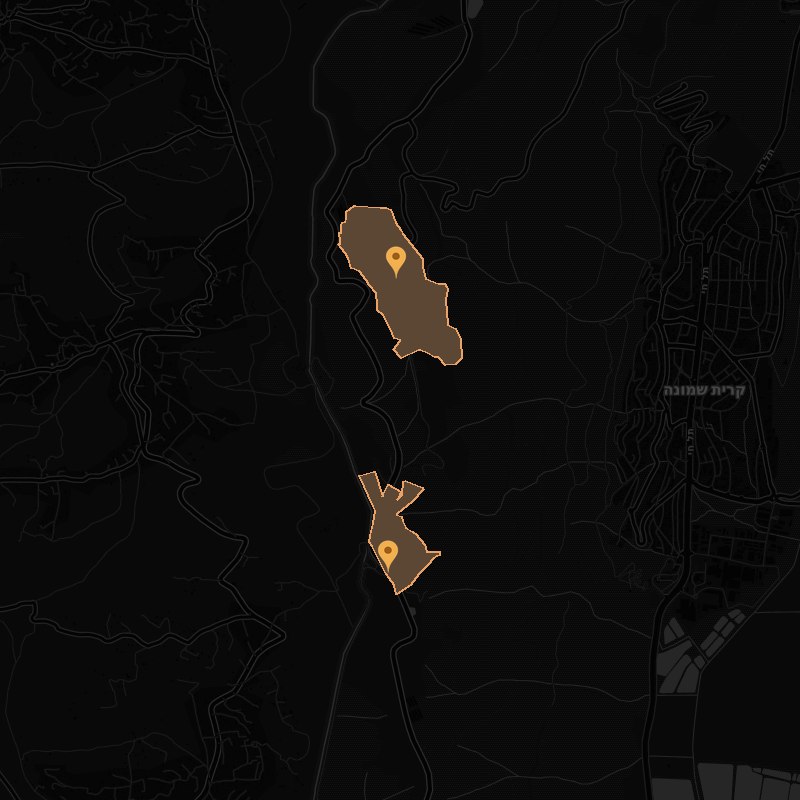
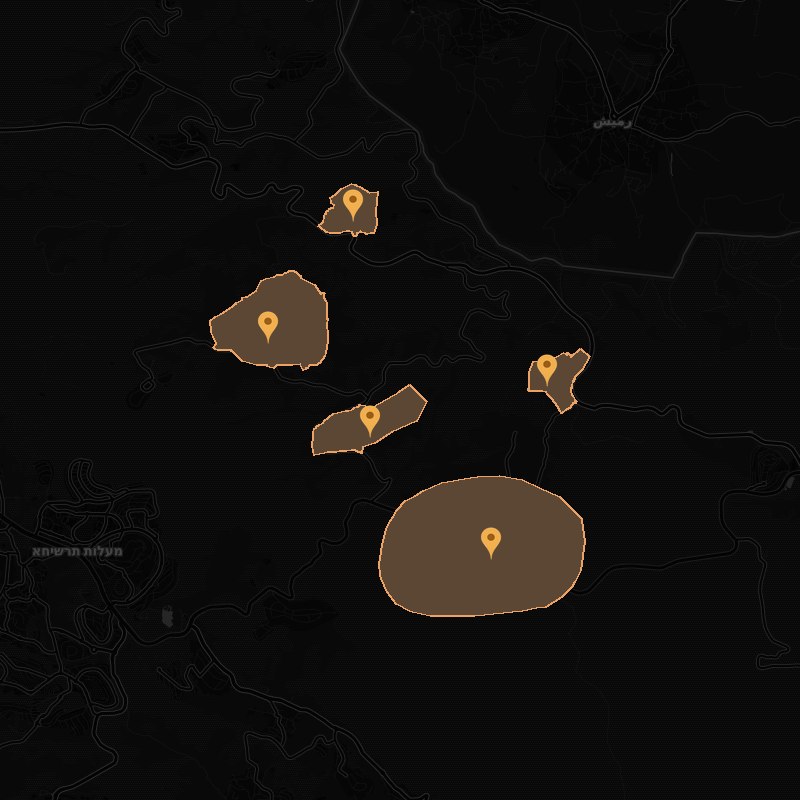
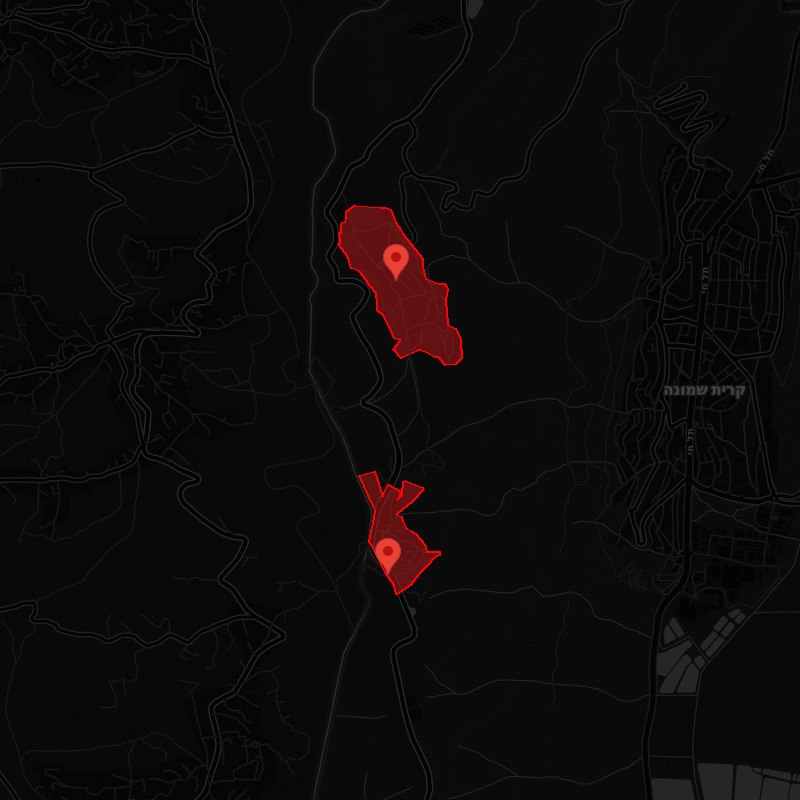
Multiple hostile UAV alerts were recorded throughout the day in Israel’s northern border region, as reported by RocketAlert and monitor_the_situation. Alerts centered on the towns of Margaliot, Manara, and surrounding villages, indicating a sustained pattern of low‑altitude drone incursions. While most alerts did not result in casualties, they demonstrate the persistent threat of unmanned systems in contested border zones.
In a separate incident, Hezbollah launched a drone from Lebanon that detonated in Israeli territory without causing injuries (source). Israeli military spokespeople confirmed the explosion and reiterated that defensive measures remain in place.
Ukrainian UAV Deployment Against Russian Targets
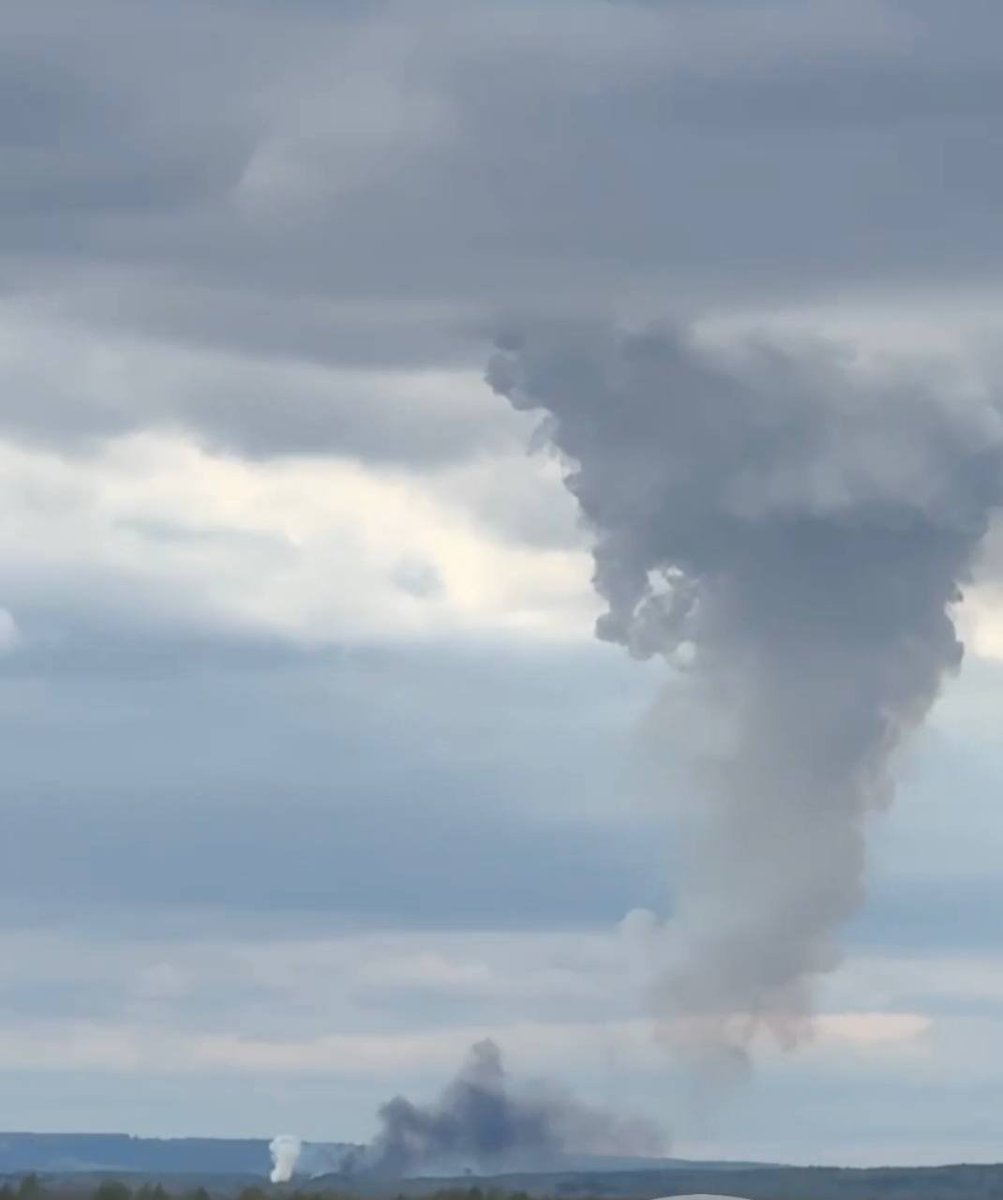
Ukraine has begun employing long‑range FP‑1 and FP‑2 UAVs equipped with unguided rockets to strike Russian military assets, as detailed by monitor_the_situation (source). Thermal imagery released by Russian sources shows the UAVs targeting supply depots in the Belgorod region. The same channel reported a Ukrainian drone attack on a refinery and oil pumping station in Perm, Russia, causing a large fire and extensive damage (source).
Strategic Missile Developments in Russia
Russia successfully test‑launched the RS‑28 Sarmat ICBM, confirming its performance characteristics and announcing that the first missile regiment will be operational by the end of 2026 (source). The Sarmat, a super‑heavy intercontinental ballistic missile, is intended to replace the aging R‑36M fleet and enhances Russia’s second‑strike capability.
Ground Movements and Regional Security Dynamics
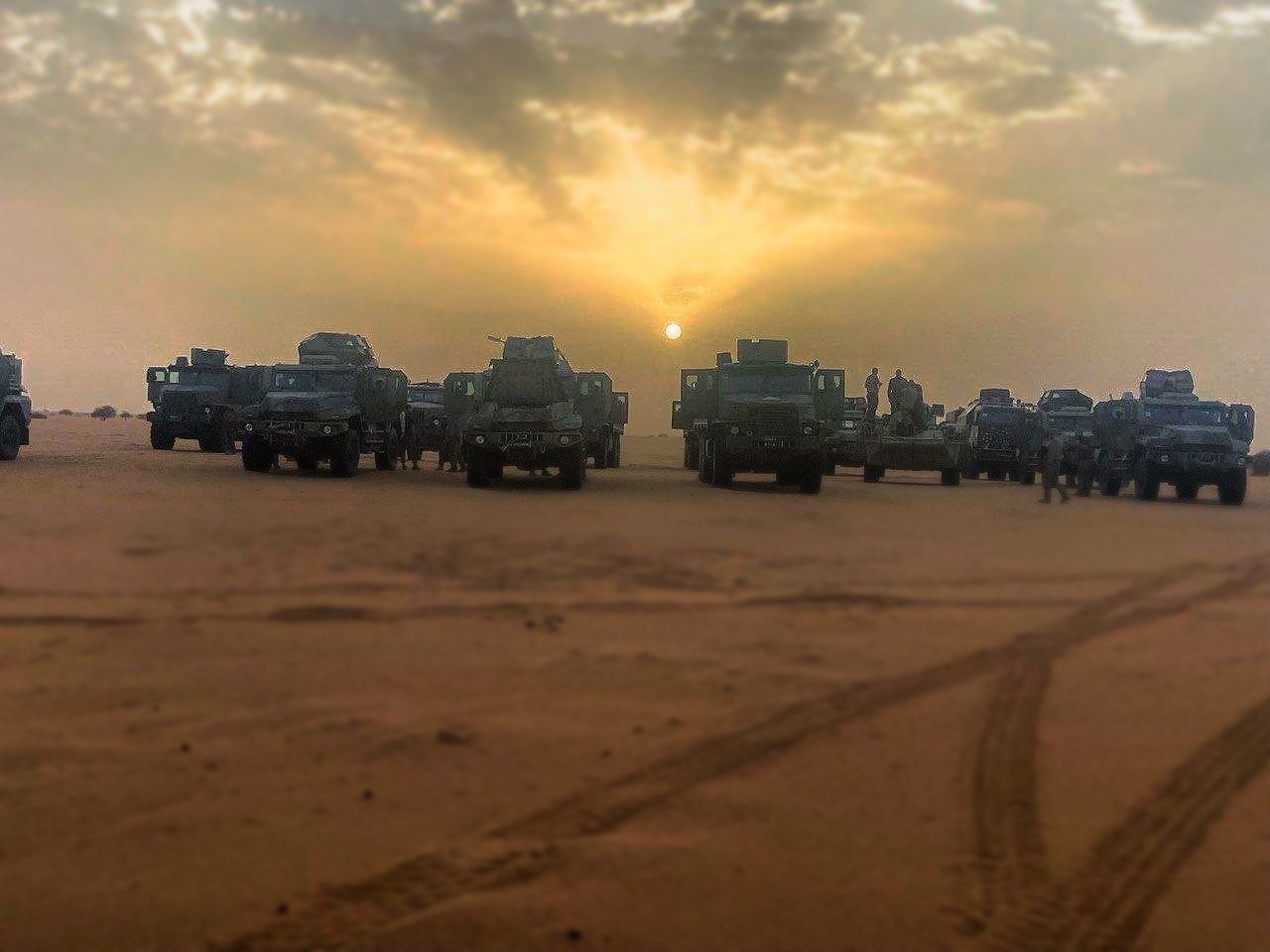
Video evidence captured by GeoPWatch showed a convoy of Russian‑owned Spartak MRAPs patrolling the Malian desert alongside Malian troops, escorted by a Mi‑24 helicopter (source). The convoy underscores Russia’s expanding security footprint in Africa, particularly through the Russian Africa Corps.
In Central Africa, a UAE‑operated Boeing 737 landed in Bangui on 1 May, transporting Colombian mercenaries, as reported by rnintel (source). The flight highlights the United Arab Emirates’ role as a security guarantor in the Central African Republic and suggests new logistical routes supporting regional conflicts.
Infiltration Attempts and Counter‑Intelligence
Kuwait announced the capture of four operatives linked to Iran’s Islamic Revolutionary Guard Corps (IRGC) attempting to infiltrate its territory (source). The Kuwaiti Foreign Ministry condemned the act as a hostile infringement and called for an end to Iranian aggression.
These incidents illustrate the layered nature of kinetic and covert operations across multiple theaters, with state and non‑state actors employing air power, unmanned systems, and strategic missiles to achieve tactical and strategic objectives.