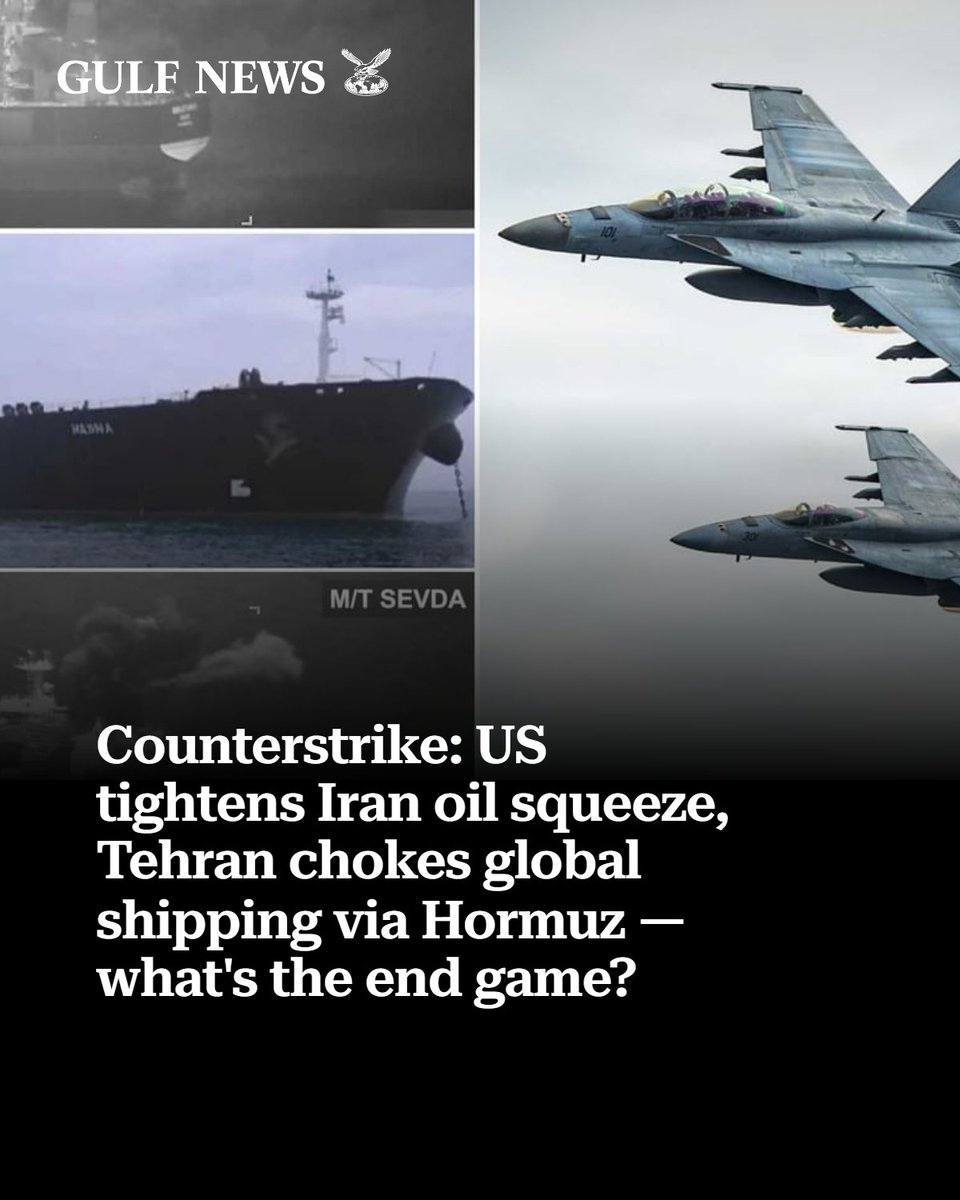
In the early hours of 11 May 2026, United States Navy units and Iranian Navy vessels exchanged fire in the strategically vital Strait of Hormuz, marking the most serious naval confrontation in the region since 2023. The encounter occurred at 03:18:46 UTC and was reported by the open‑source channel monitor_the_situation. No casualties were confirmed by either side, and no weapons were disclosed beyond small‑arms fire, but the incident underscores the heightened risk to global oil shipments as Washington intensifies its maritime pressure on Tehran.
US and Iranian naval forces clashed in the Strait of Hormuz as the US tightened an oil blockade and Iran disrupted global shipping. Source: https://t.me/monitor_the_situation/15697
US Naval Blockade Operations in the Arabian Sea
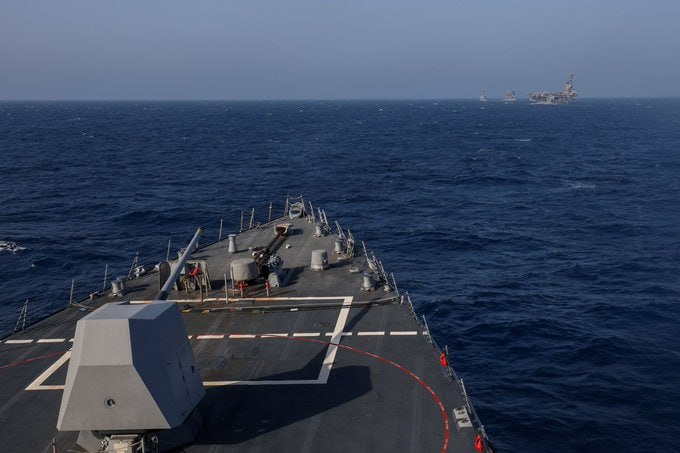
Simultaneously, U.S. Central Command (CENTCOM) confirmed that more than 20 United States warships are enforcing a comprehensive blockade against Iran in the Arabian Sea. The task force, led by the guided‑missile destroyers USS John Finn (DDG‑113) and USS Milius (DDG‑69), includes the amphibious transport dock USNS Carl Brashear (T‑AKE‑7) and the nuclear‑powered aircraft carrier USS George H.W. Bush (CVN‑77). According to a CENTCOM statement, the force has redirected 61 commercial vessels and disabled four ships that attempted to breach the blockade.
"USS John Finn sails behind USS Milius, USNS Carl Brashear, and USS George H.W. Bush in the Arabian Sea. Over 20 U.S. warships are enforcing the blockade against Iran. CENTCOM forces have redirected 61 commercial vessels and disabled 4 to ensure compliance." – U.S. Central Command, https://t.me/rnintel/60623
Allied Naval Presence Reinforces Maritime Security
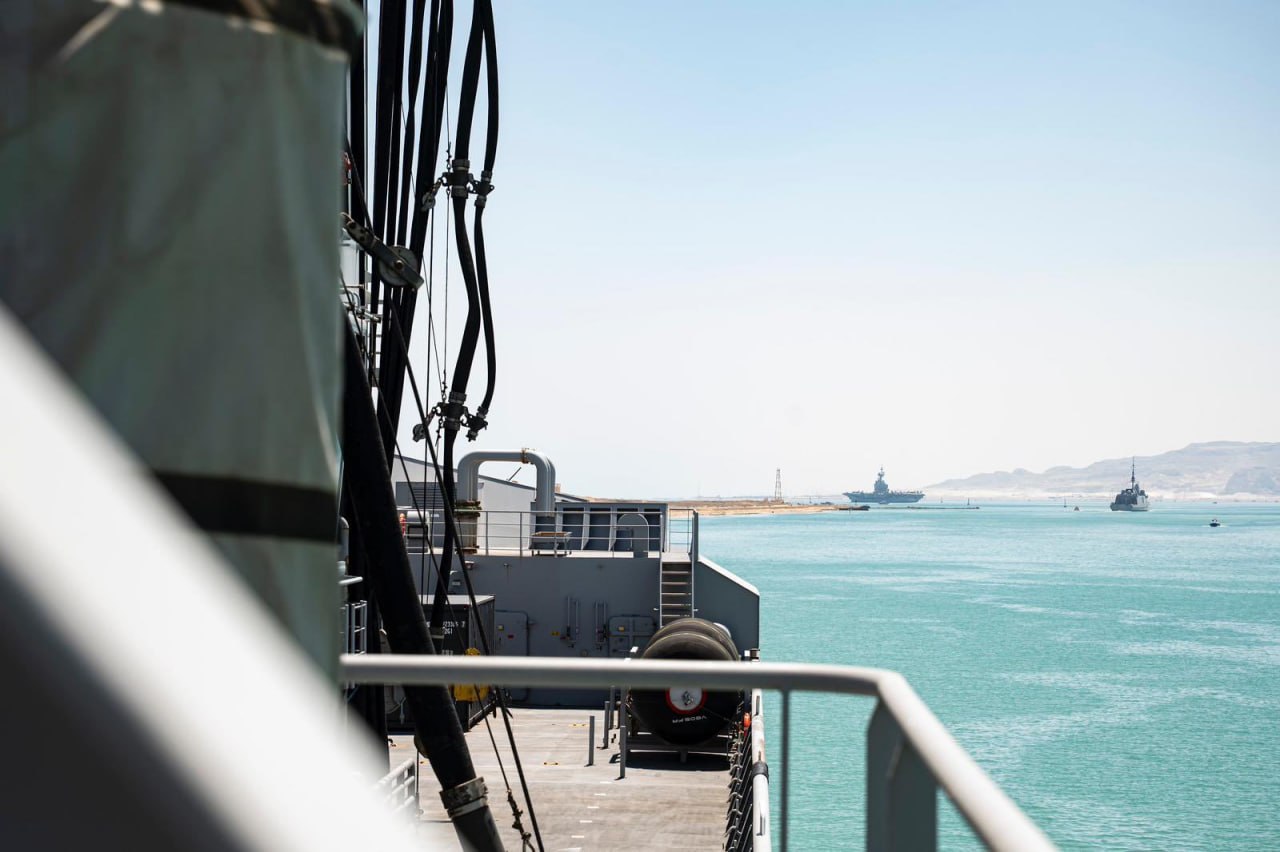
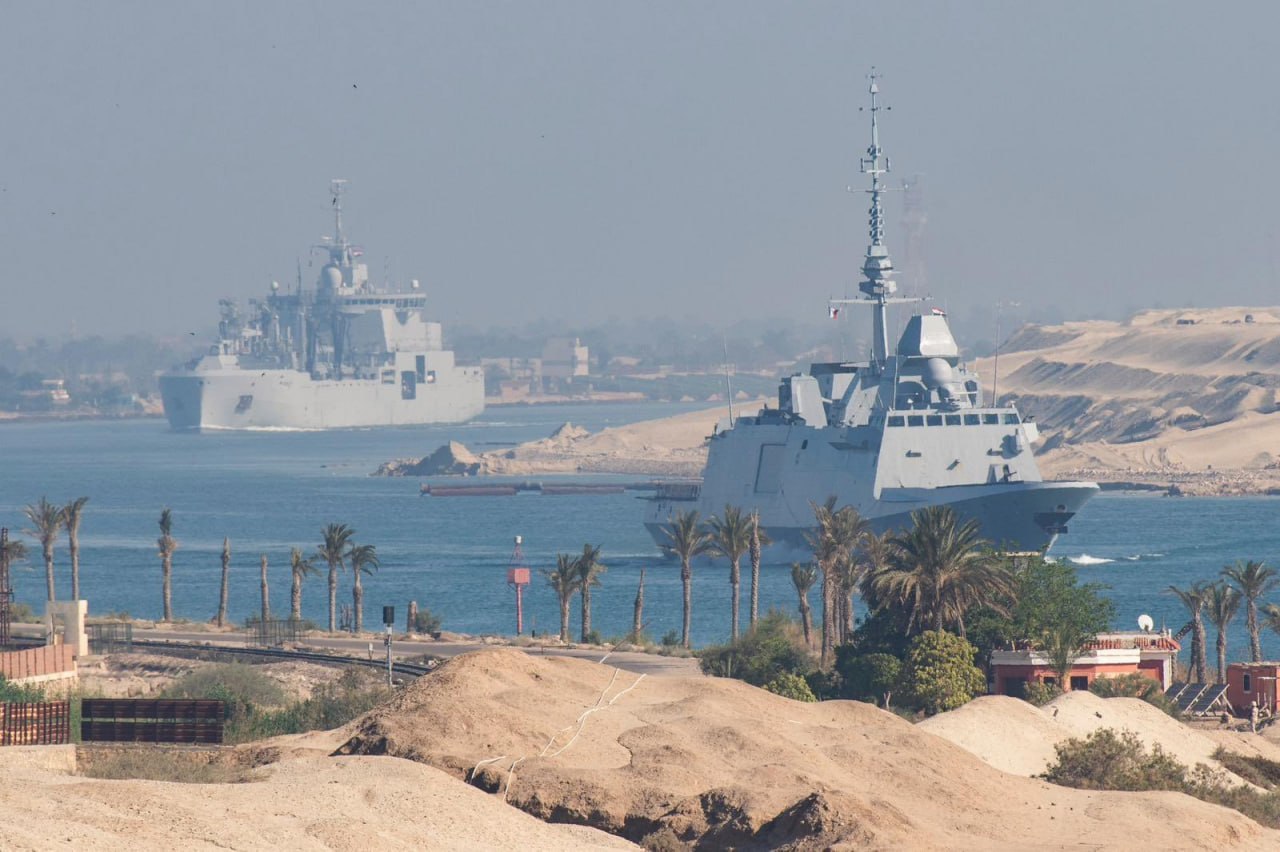
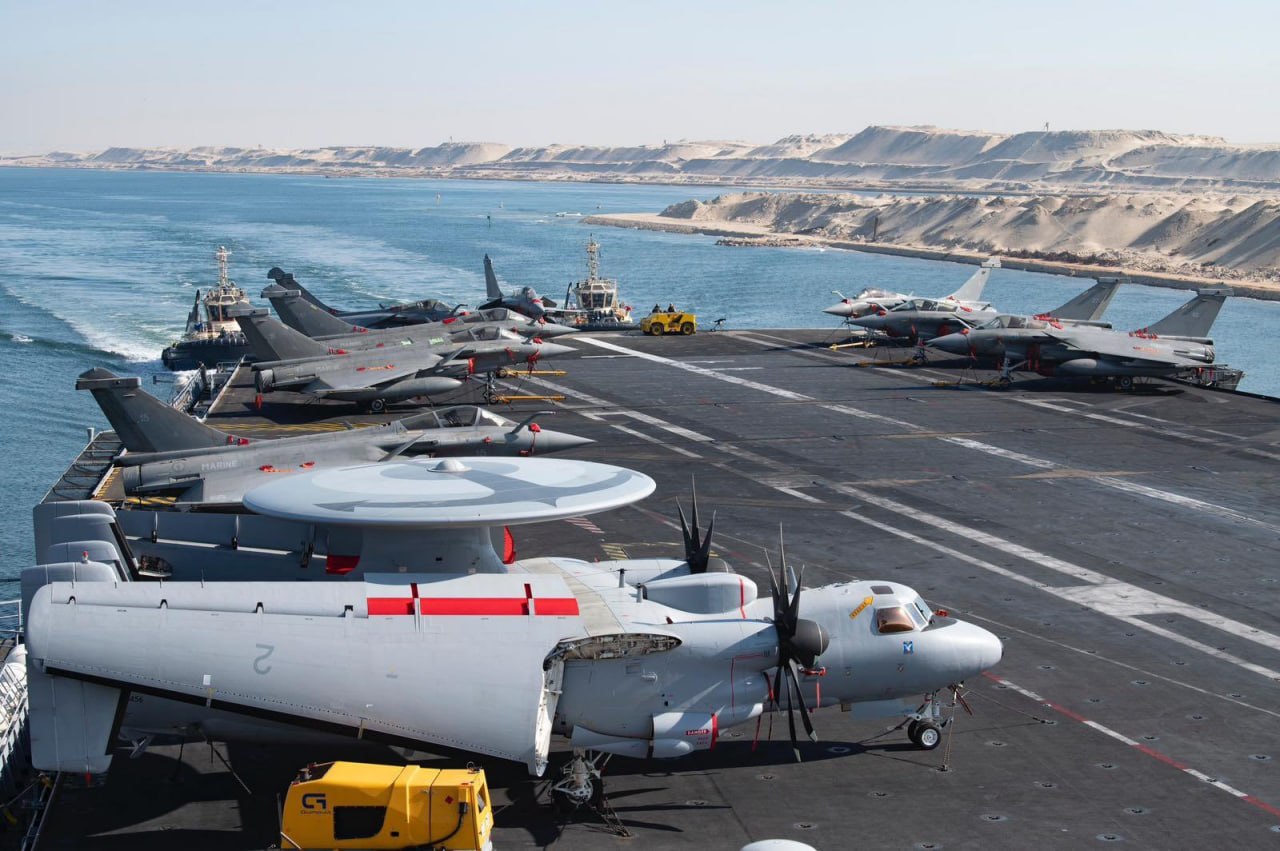
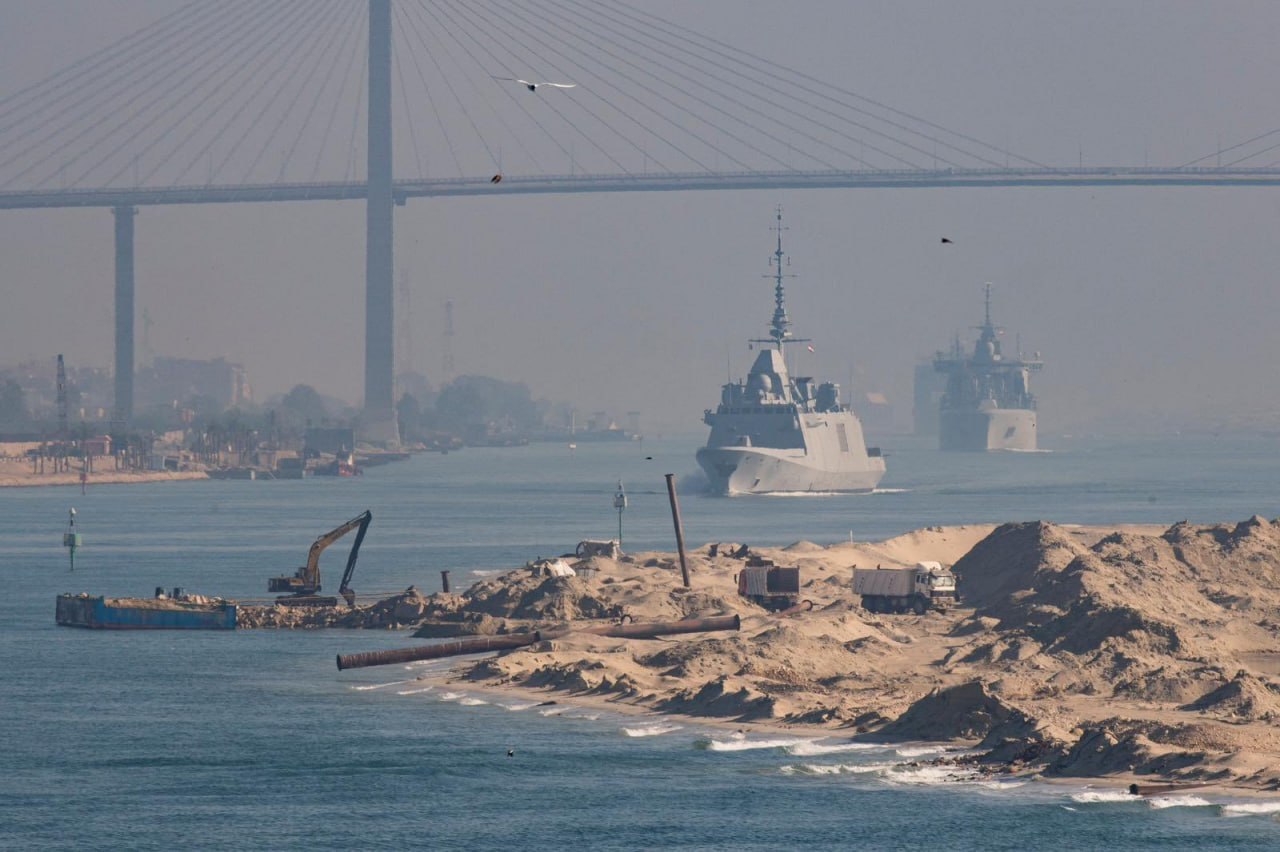
Allied contributions to the containment effort were evident in two separate deployments. The French Navy’s aircraft carrier Charles de Gaulle was observed transiting the Red Sea on 8 May, moving northward toward the Strait of Hormuz as part of a Franco‑British task group aimed at safeguarding commercial navigation. The carrier’s presence signals European resolve to support the U.S.‑led initiative and to deter further Iranian interference.
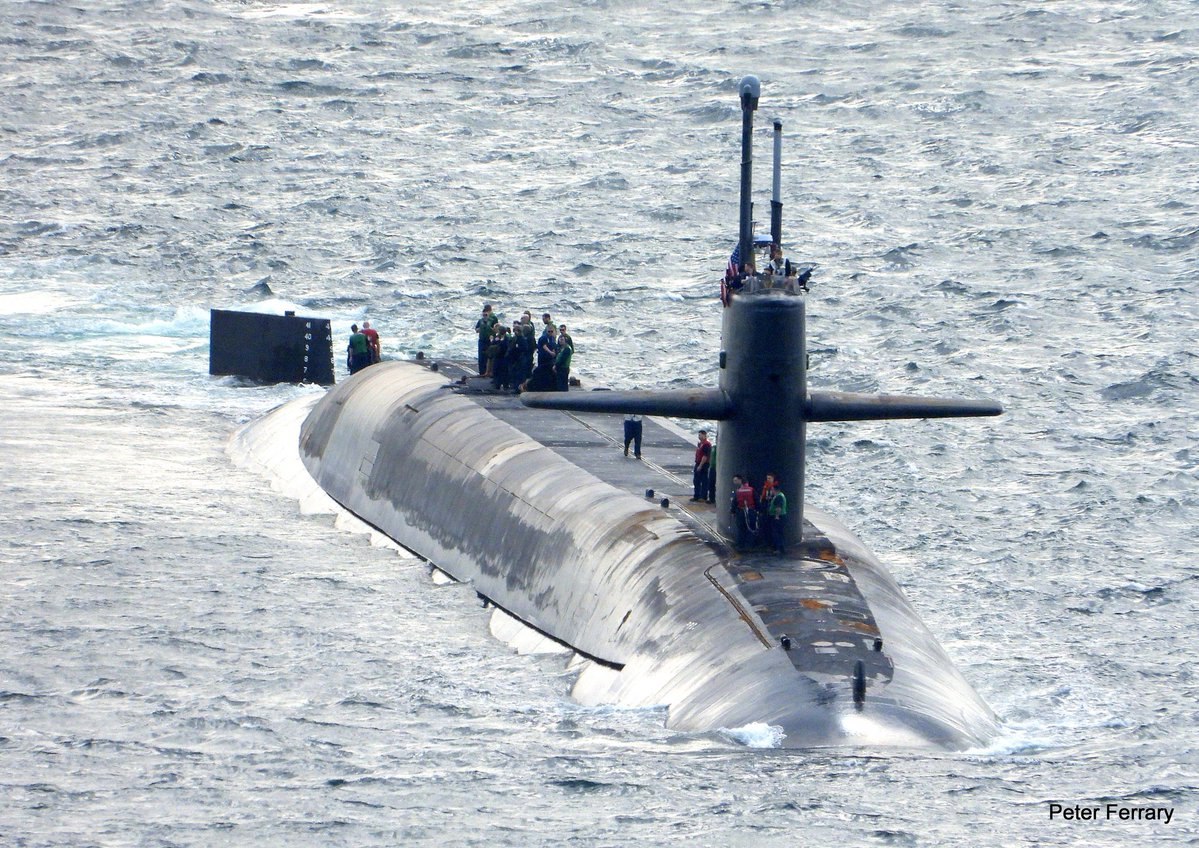
In a separate strategic move, the United States Ohio‑class ballistic‑missile submarine USS Alaska (SSBN‑732) arrived at the British overseas territory of Gibraltar on 10 May. While the submarine’s primary mission is strategic deterrence, its positioning near the entrance to the Mediterranean underscores the broader U.S. intent to project power across multiple maritime domains amid escalating tensions.
🟠 **US Ballistic Missile Submarine USS Alaska Arrives at Gibraltar** – Source: https://t.me/monitor_the_situation/15694
Iranian Air Defense Activity
Iran’s defensive posture extended beyond the maritime arena. State‑run Islamic Republic of Iran Broadcasting (IRIB) reported that Iranian air defenses intercepted and destroyed an “enemy drone” over southwestern Iran at 03:49:28 UTC. The announcement, relayed by the Telegram channel rnintel, highlighted the use of ground‑based air‑defense systems, though specific weaponry was not disclosed.
"An enemy drone in the southwest of Iran was shot down by the Iranian Army's air defense." – IRIB, https://t.me/rnintel/60626
Operational Context and Implications
The convergence of these events illustrates a multi‑layered escalation pattern. The direct naval clash in the Strait of Hormuz represents a tactical flashpoint that could disrupt the narrow waterway, through which approximately 20 % of global petroleum passes. The U.S. blockade, now supported by over two dozen warships, aims to pressure Tehran into compliance with international demands regarding its regional activities, while simultaneously safeguarding allied commercial traffic.
Allied naval assets, notably the French carrier and the U.S. Ohio‑class submarine, provide both a deterrent signal and a logistical backbone for sustained operations. Their deployments suggest a coordinated, multinational approach to maritime security, reducing the likelihood that the confrontation will remain isolated to U.S. and Iranian forces.
Iran’s drone interception demonstrates its readiness to counter perceived aerial threats, reinforcing a broader defensive doctrine that integrates air, sea, and land capabilities. While the intercepted drone’s origin was not identified, the incident reflects Tehran’s vigilance against surveillance or strike platforms that could be employed by regional adversaries.
Overall, the situation remains fluid. No further clashes have been reported as of the time of writing, and casualty figures remain at zero. However, the concentration of high‑value naval platforms in a confined maritime corridor elevates the risk of inadvertent escalation. Continuous monitoring of vessel movements, communication channels, and open‑source intelligence will be essential to assess whether diplomatic channels can de‑escalate the standoff or if additional kinetic actions will follow.