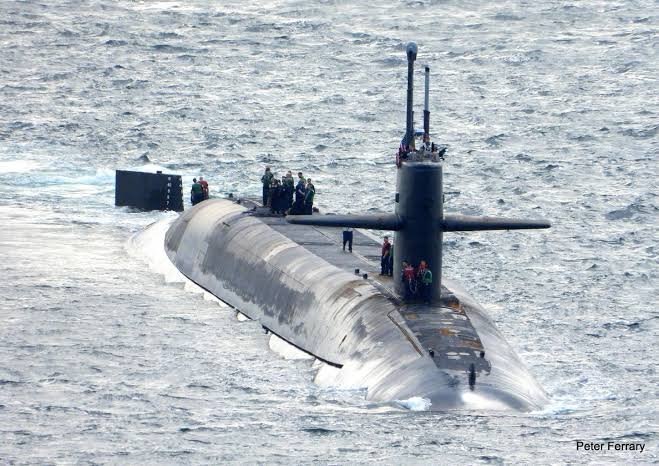
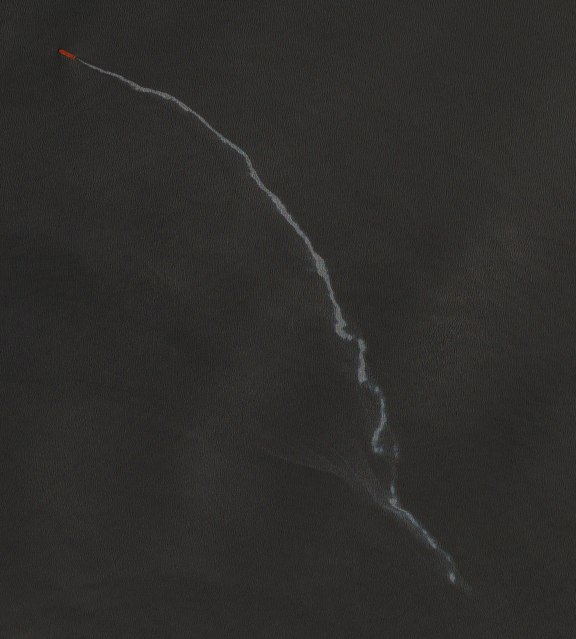
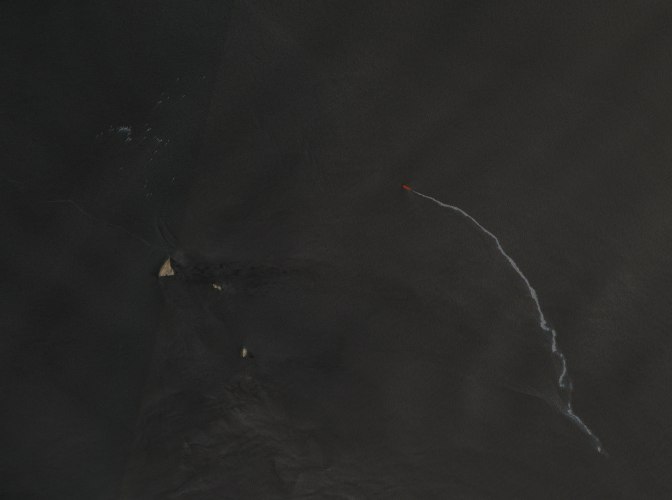
The United States Navy moved the Ohio‑class ballistic‑missile submarine USS Alaska through the Strait of Gibraltar on 11 May 2026, carrying Trident missiles equipped with nuclear warheads. The transit, reported by the monitor_the_situation channel, is interpreted as a direct nuclear signal aimed at pressuring Iran to halt its uranium enrichment program.
🔴 **US Navy Deploys Nuclear‑Armed Submarine USS Alaska Through Strait of Gibraltar** – monitor_the_situation, 16:48 UTC, 11 May 2026. Source: https://t.me/monitor_the_situation/15835
Strategic Implications of the Submarine Passage
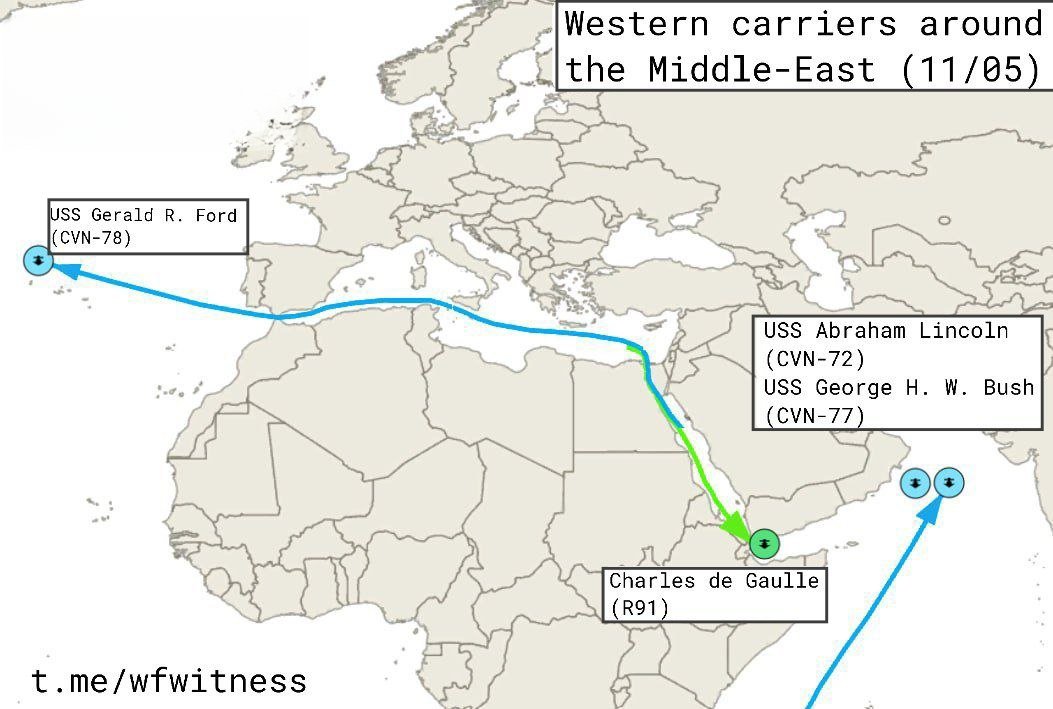
The passage of a nuclear‑armed platform through a chokepoint that links the Atlantic and Mediterranean underscores a shift from conventional deterrence to explicit nuclear signaling. By positioning a Trident‑armed vessel within striking distance of the Eastern Mediterranean, the United States signals readiness to employ strategic assets if diplomatic avenues fail. The move coincides with parallel naval deployments, including the US carrier USS Gerald R. Ford and French carrier assets, which have also entered the region.
Escalation on the Ground: Israeli Strikes in Southern Lebanon
At 16:39 UTC, Israeli airstrikes in southern Lebanon killed at least four civilians, according to Al Jazeera. The attacks followed Israeli warnings that nine towns in southern and eastern Lebanon faced forced displacement. No specific weapons were disclosed, but the strikes represent a continuation of Israel’s pressure campaign against Hezbollah‑aligned forces.
Israeli attacks kill at least four in southern Lebanon – Al Jazeera, 16:39 UTC, 11 May 2026. Source: https://www.aljazeera.com/news/2026/5/11/israeli-attacks-kill-at-least-four-in-southern-lebanon?traffic_source=rss
Humanitarian Toll in Lebanon
The Lebanese Ministry of Health, cited by GeoPWatch, reported cumulative casualties from Israeli operations since 2 March 2026: 2,869 dead and 8,730 injured. These figures reflect the broader impact of the cross‑border conflict, which has strained Lebanon’s already fragile health infrastructure.
🇮🇱❌🇱🇧 – GeoPWatch, 12:32 UTC, 11 May 2026. Source: https://t.me/GeoPWatch/32995
Iran’s Preparations for Regional Strikes
At 11:21 UTC, a monitor_the_situation source indicated that Iran was placing missile and drone units on high alert, preparing to launch ballistic missile and drone attacks against Gulf states from the Strait of Hormuz. The weapons inventory includes short‑range ballistic missiles and loitering drones capable of striking maritime and land targets across Saudi Arabia, the United Arab Emirates, Qatar, Oman, Kuwait and Bahrain.
Iran Prepares Strikes Against Gulf States With Missiles and Drones – monitor_the_situation, 11:21 UTC, 11 May 2026. Source: https://t.me/monitor_the_situation/15752
US Naval Buildup in the Gulf of Oman
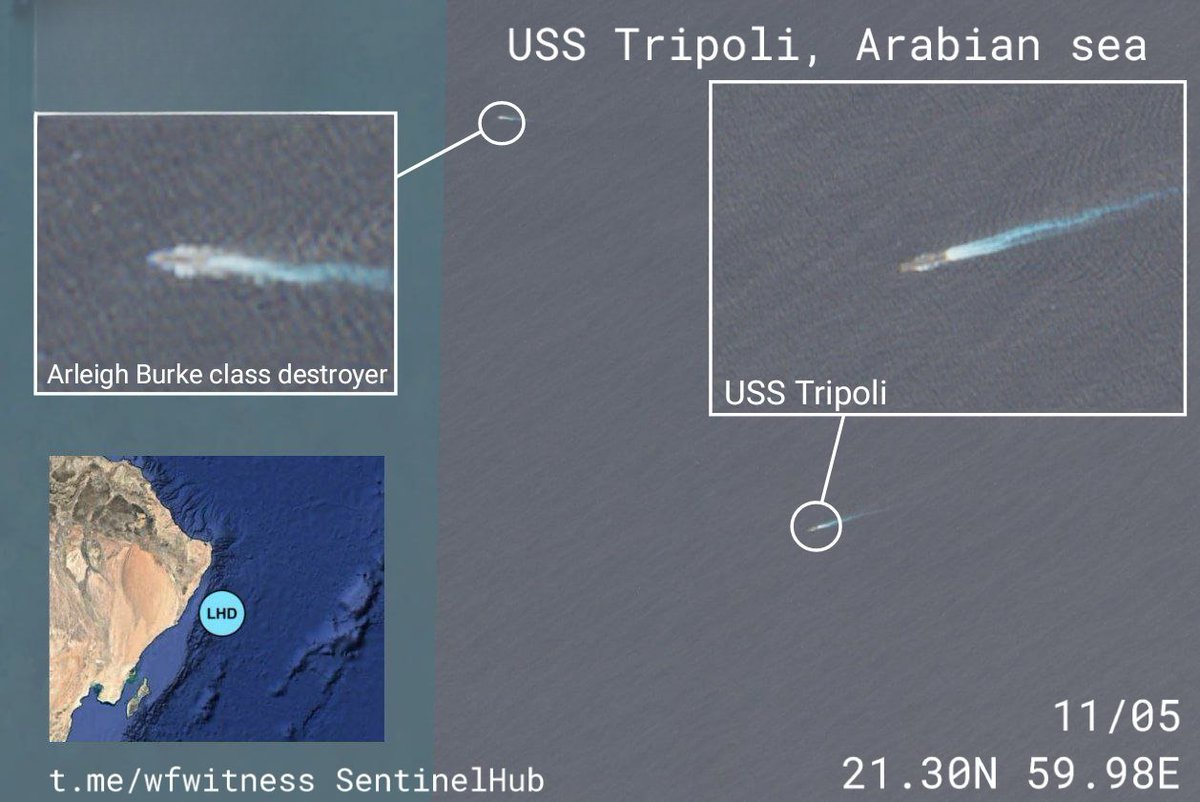
Two US naval assets were observed in the Gulf of Oman on 11 May. The amphibious assault ship USS Tripoli (LHA‑7) was spotted near the southern entrance of the Gulf at 17:34 UTC, while US and French carrier groups, including the USS Gerald R. Ford, transited the Strait of Gibraltar earlier in the day and positioned themselves in the Middle East. These deployments reinforce US power projection capabilities and provide a platform for rapid response to any Iranian escalation.
USS Tripoli spotted near Gulf of Oman entrance – monitor_the_situation, 17:34 UTC, 11 May 2026. Source: https://t.me/monitor_the_situation/15841
Iranian Maritime Aggression
Iran struck the South Korean dry‑cargo vessel HMM Namu in the Strait of Hormuz, damaging its engine room with a BEC (presumably a ballistic‑enhanced charge). The incident, reported by intelslava at 17:33 UTC, demonstrates Iran’s willingness to target commercial shipping to assert control over the waterway.
Iran struck HMM Namu – intelslava, 17:33 UTC, 11 May 2026. Source: https://t.me/intelslava/87737
International Responses
Lithuania announced plans to deploy troops to the Strait of Hormuz to protect commercial shipping, marking a rare Baltic involvement in Middle Eastern security.
Lithuania to send troops to Hormuz – monitor_the_situation, 15:17 UTC, 11 May 2026. Source: https://t.me/monitor_the_situation/15802
In parallel, Egypt dispatched a combat squadron to the United Arab Emirates amid the broader anti‑Iran campaign, indicating a widening coalition of regional actors prepared to counter Iranian influence.
Egypt deploys combat squadron to UAE – idkunim_il, 17:11 UTC, 11 May 2026. Source: https://t.me/idkunim_il/59267
Iranian Drone Attack on UAE‑Owned Super‑Tanker
Satellite imagery released by GeoPWatch shows Iranian drones striking the UAE‑owned VLCC “BARAKAH,” causing a significant oil leak and prompting a swarm of 60 IRGC Navy fast‑attack craft to secure the area. The incident, recorded on 9 May and reported on 11 May, underscores Iran’s capacity to disrupt global energy markets.
Iranian drones strike BARAKAH supertanker – GeoPWatch, 11:45 UTC, 11 May 2026. Source: https://t.me/GeoPWatch/32992
Other Notable Kinetic Events
Hezbollah launched a drone targeting Israel’s Iron Dome system, while a Hezbollah FPV drone became entangled in the protective net of an Israeli armored vehicle on the Lebanon‑Israel border. Both incidents illustrate the increasing use of unmanned systems in the Israel‑Lebanon frontier.
Hezbollah drone strike on Iron Dome – JPost, 11:46 UTC, 11 May 2026. Source: https://www.jpost.com/podcast/jpost-headlines/article-895792
In Syria, Islamic State intensified IED attacks across multiple provinces, resulting in several civilian and security‑force casualties. The attacks included a bus bombing in Damascus that targeted Shia civilians.
IS IED attacks across Syria – GeoPWatch, 13:36 UTC, 11 May 2026. Source: https://t.me/GeoPWatch/33001
Broader Context
These kinetic events occur against a backdrop of heightened diplomatic friction. US intelligence alleges that China considered supplying air‑defence systems to Iran, prompting President Trump to raise the issue with President Xi at an upcoming summit.
US intel: China considered air‑defence sales to Iran – monitor_the_situation, 14:10 UTC, 11 May 2026. Source: https://t.me/monitor_the_situation/15781
Simultaneously, Russia reported 352,000 military deaths in Ukraine and announced internal monitoring of personnel with “behavioral deviations,” reflecting the strain on its own armed forces.
Russian military deaths reach 352,000 – monitor_the_situation, 09:38 UTC, 11 May 2026. Source: https://t.me/monitor_the_situation/15739
Collectively, the deployment of nuclear‑armed platforms, intensified conventional strikes, and the proliferation of unmanned and missile systems indicate a rapid escalation of kinetic activity across the Middle East and adjacent theaters. The convergence of state and non‑state actors, combined with overlapping maritime and land‑based threats, raises the probability of miscalculation and broader regional conflict.