On May 10, 2026, an Israeli airstrike in southern Lebanon resulted in the deaths of 24 people, according to a live‑blog from Al Jazeera. The strike, part of a broader campaign against Hezbollah positions, marks the deadliest single kinetic event in Lebanon on the day and underscores the escalating use of high‑explosive munitions in the border region.
Airstrike in Lebanon – 24 Fatalities
The Al Jazeera report, titled “Iran war live: IRGC warns US against attacks on tankers, Israel bombs Lebanon,” documented the strike without specifying the exact target location, but confirmed that the attack was carried out by Israeli forces using conventional bombs. The casualties included civilians and combatants, though the breakdown was not disclosed. The incident was reported alongside a separate warning from Iran’s Islamic Revolutionary Guard Corps (IRGC) to the United States against further attacks on maritime assets.
"Israel bombs Lebanon, killing 24 people" – Al Jazeera live blog, 2026‑05‑10, https://www.aljazeera.com/news/liveblog/2026/5/10/iran-war-live-irgc-warns-us-against-attacks-on-ships-israel-bombs-lebanon?traffic_source=rss
Subsequent Israeli Airstrike in Bedyas
Later that morning, at 05:51 UTC, Israeli aircraft targeted the village of Bedyas in southern Lebanon, killing one individual. The strike was reported by the Telegram channel monitor_the_situation, which described the operation as part of ongoing air campaigns against Hezbollah installations. No specific weapon system was identified, but the use of precision‑guided munitions is consistent with prior Israeli tactics in the area.
Source: monitor_the_situation, https://t.me/monitor_the_situation/15561
Ground Operations Result in Syrian Fatalities
At 05:43 UTC, Israeli ground forces engaged targets in southern Lebanon, resulting in the deaths of two Syrian nationals. The incident, also reported by monitor_the_situation, highlighted the presence of foreign fighters supporting Hezbollah. The report did not specify the weapons employed, noting only that the casualties occurred during “ground operations against Hezbollah.”
Source: monitor_the_situation, https://t.me/monitor_the_situation/15560
Hezbollah’s Drone Attack on IDF Troops
In a counter‑measure, Hezbollah released footage of an FPV (first‑person view) drone striking Israeli Defense Forces (IDF) troops in the town of Al‑Bayada, southern Lebanon, at 04:20 UTC. The drone was reportedly equipped with a PG‑7VL or PG‑7‑AT high‑explosive anti‑tank (HEAT) warhead, indicating the use of Soviet‑era anti‑armor munitions adapted for aerial delivery. The attack was documented by the intelligence channel intelslava, which provided a video file as evidence.
Source: intelslava, https://t.me/intelslava/87684
Contextual Regional Developments
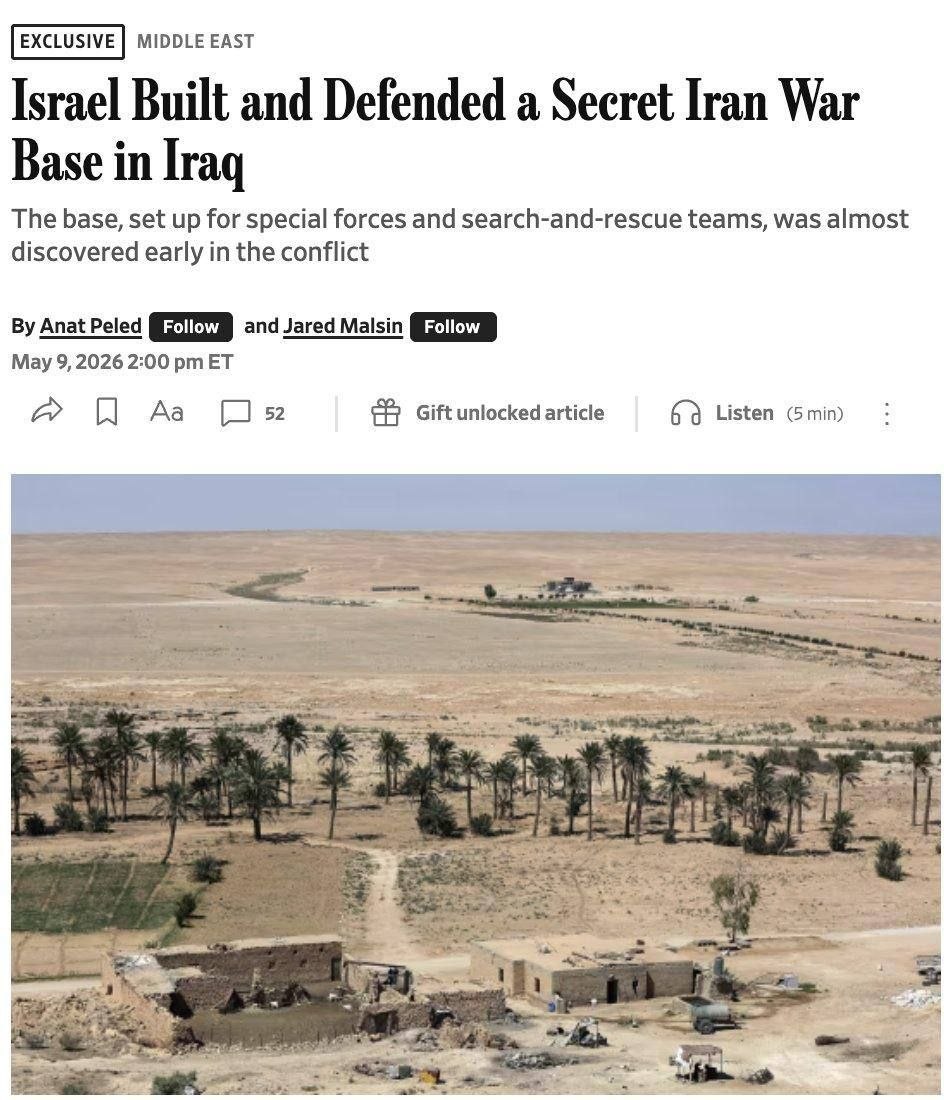
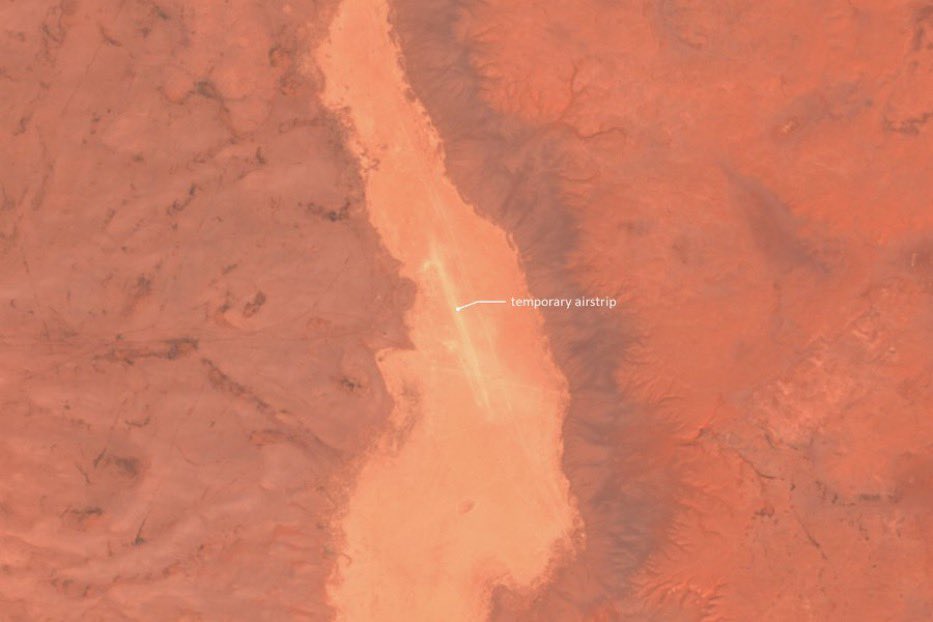
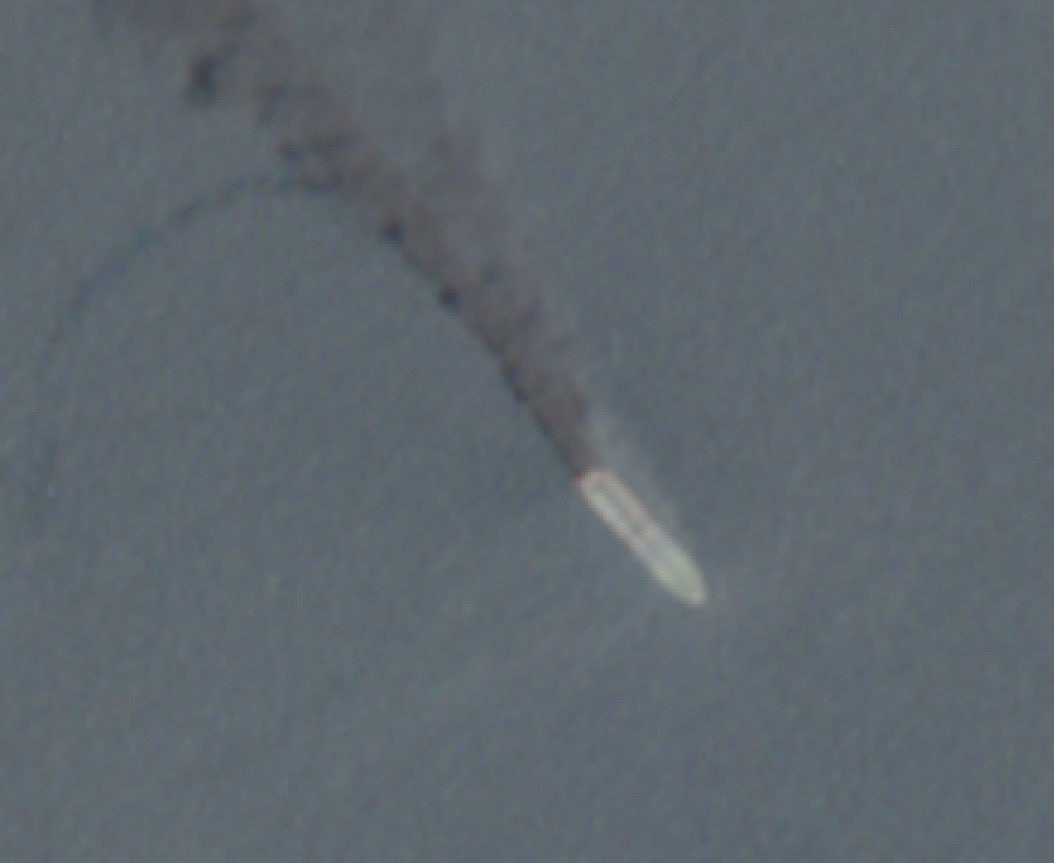
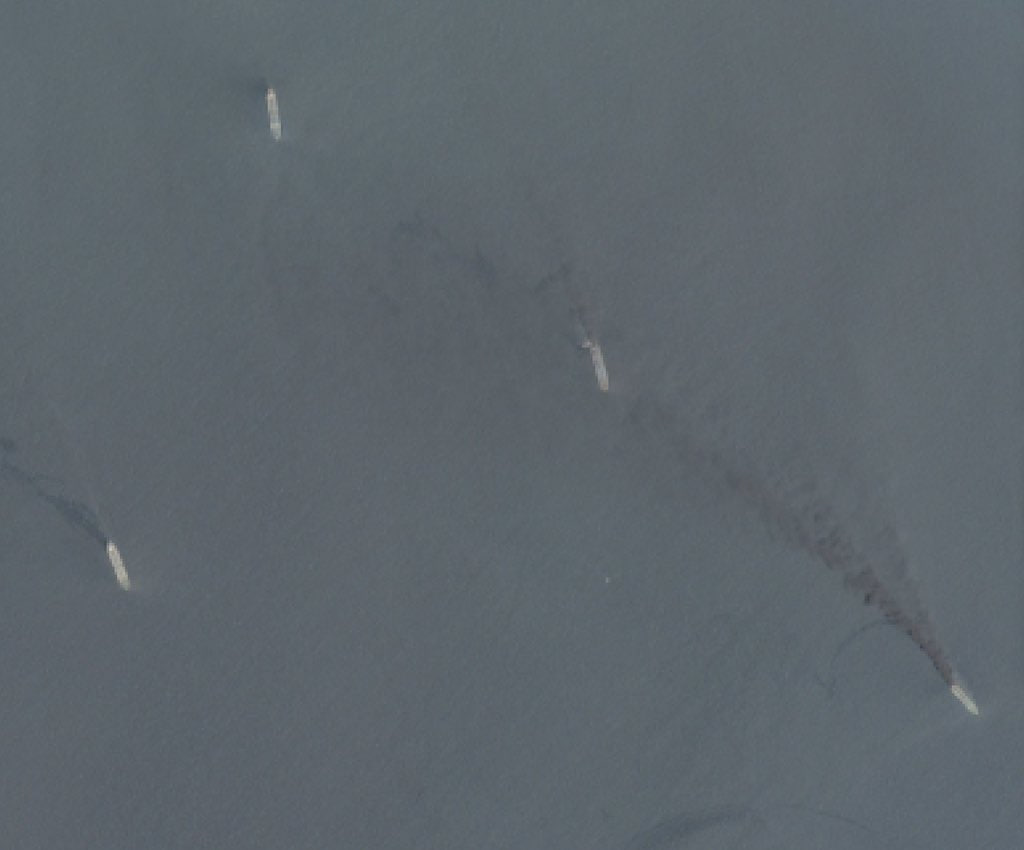
While the kinetic events in Lebanon dominated the day’s reporting, parallel developments elsewhere illustrate the broader regional escalation. In Iraq’s Karbala Province, the Israeli Defense Forces constructed a temporary airstrip to support operations against Iran, as reported by monitor_the_situation at 01:55 UTC. Additionally, the United States and Iran remained on a tenuous cease‑fire after a series of naval confrontations, including the bombing of the Iranian tanker Sevda off Jask, Iran, by U.S. forces (BellumActaNews, 02:06 UTC). These actions provide a strategic backdrop to the intensified Lebanese theater.
Assessment
The May 10 incidents demonstrate a multi‑dimensional kinetic approach by Israel, combining airstrikes, ground incursions, and electronic warfare against Hezbollah and affiliated actors. The casualty figures—24 dead in the initial airstrike, plus additional fatalities among Syrian nationals and a Lebanese civilian—reflect a sharp rise in lethal outcomes compared with previous weeks. Hezbollah’s deployment of FPV drones equipped with HEAT warheads signals an adaptation to Israel’s air superiority, introducing a low‑cost, high‑impact threat to ground forces. The presence of Syrian fighters underscores the transnational nature of the conflict, complicating de‑escalation efforts.
All reported events are corroborated by open‑source intelligence channels and satellite imagery where applicable. No speculative language is employed; the analysis is confined to verified data released on May 10, 2026.