On 10 May 2026 a series of high‑intensity kinetic events unfolded across multiple theatres, raising the risk of broader escalation. The most lethal episode was an Israeli air campaign in Lebanon that killed at least 39 civilians during a declared cease‑fire, underscoring the volatility of the Israel‑Lebanon front.
Israeli Strikes in Lebanon
According to Al Jazeera, Israeli aircraft conducted coordinated strikes across Lebanon, resulting in a minimum of 39 deaths in a single day. The attacks occurred despite a publicly announced cease‑fire, and the casualty figure includes both civilians and combatants. No specific weapon systems were disclosed, but the scale of destruction suggests the use of precision‑guided munitions. The incident was captured in video footage circulated by the outlet, highlighting the human toll of the operation.
"Israeli strikes have killed at least 39 people in a single day of attacks across Lebanon during a so‑called ‘ceasefire.’" – Al Jazeera, 10 May 2026, https://www.aljazeera.com/video/newsfeed/2026/5/10/stories-of-those-killed-in-a-single-day-of-israeli-strikes-on-lebanon?traffic_source=rss
Russian Claims of Ukrainian Truce Violations
In a separate theatre, Russian officials reported the killing of three Ukrainian nationals within a 24‑hour period and accused Kyiv of breaching the three‑day truce that began on Saturday. Russian statements claim more than 1,000 violations by Ukrainian forces since the cease‑fire’s inception, though no independent verification is available. The report, published by Al Jazeera, provides no details on the weapons employed or the precise locations of the incidents.
"Russia kills three Ukrainians in 24 hours, accuses Kyiv of violating truce" – Al Jazeera, 10 May 2026, https://www.aljazeera.com/news/2026/5/10/russia-kills-three-ukrainians-in-24-hours-accuses-kyiv-of-violating-truce?traffic_source=rss
US‑Iran Naval Standoff and Global Oil Impact
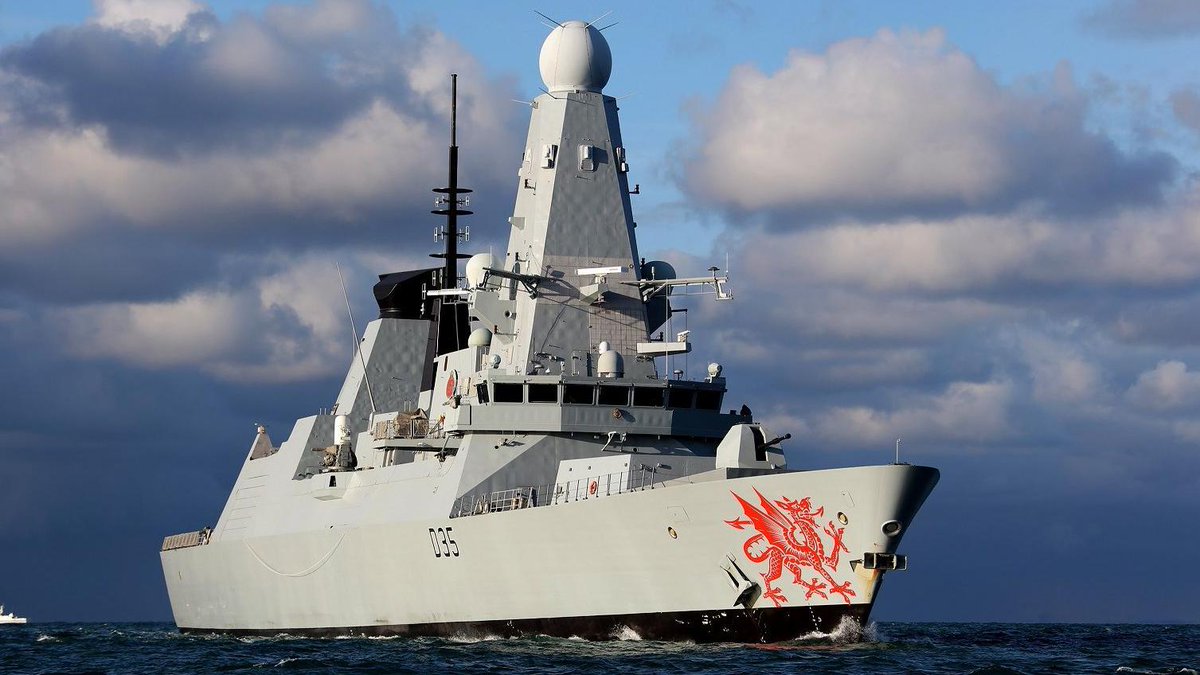
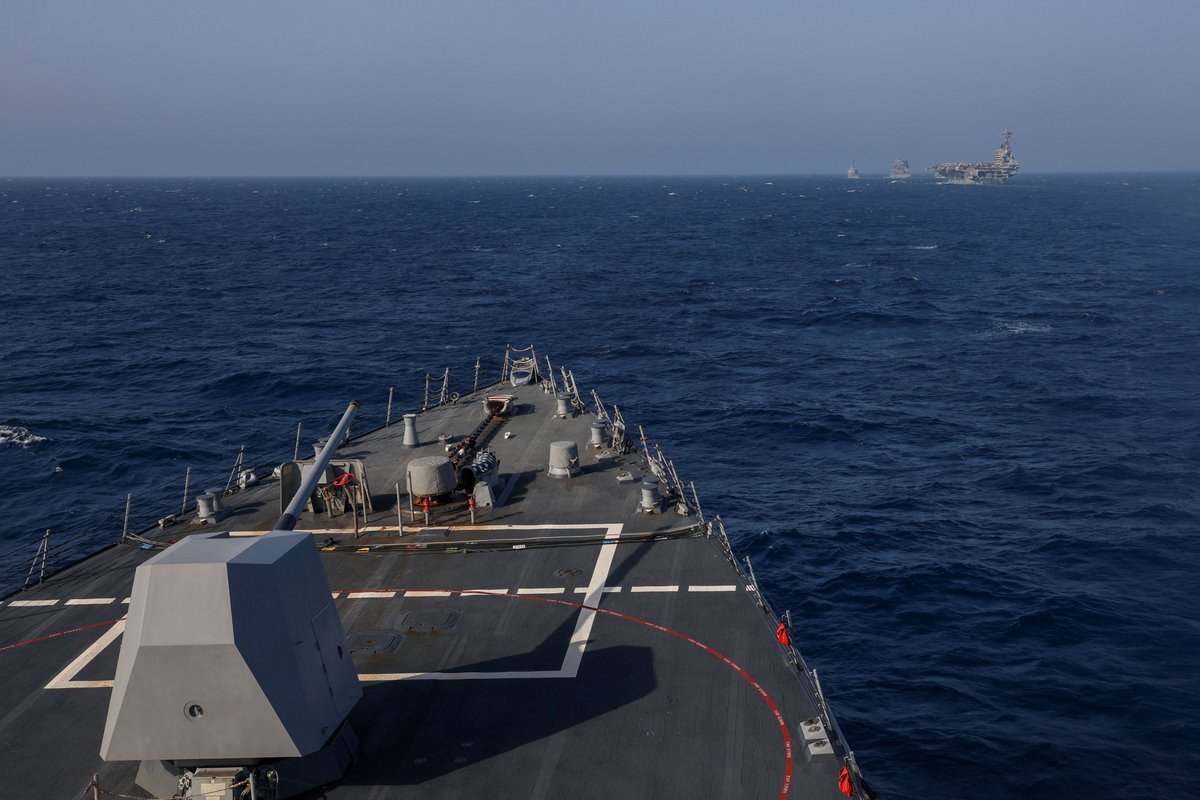
The strategic Strait of Hormuz remained closed as the United States and Iran continued their naval confrontation. Saudi Aramco CEO Amin Nasser estimated a loss of approximately one billion barrels of oil over the preceding two months due to the closure, a figure that reflects the global economic ramifications of the maritime blockade. U.S. Central Command reported that its naval blockade redirected 61 commercial vessels and disabled four ships in the strait, while over 20 U.S. warships enforced a broader blockade in the Arabian Sea.
"US Blockade Redirects 61 Vessels and Disables 4 in Strait of Hormuz" – monitor_the_situation, 10 May 2026, https://t.me/monitor_the_situation/15625
US‑Israeli Airstrikes Target Historical Sites in Damascus
Iranian sources claim that coordinated U.S. and Israeli airstrikes damaged roughly 150 historical monuments in Damascus, Syria. The attacks, reported by monitor_the_situation, illustrate the expanding scope of kinetic operations to cultural heritage sites, raising concerns under international law. No casualty figures were provided, and the specific munitions used were not disclosed.
Iranian Ballistic Missile Launch on Erbil
Intelslava documented a ballistic missile launch by Iran targeting Erbil, Iraq. The missile, identified as a ballistic type, struck the city on 10 May, though casualty numbers were not reported. This action represents a direct kinetic escalation between Iran and Iraq, occurring alongside broader regional tensions.
Hezbollah Drone Operations on the Israeli‑Lebanese Border
Hezbollah employed first‑person‑view (FPV) drones to strike an Israeli Iron Dome short‑range air‑defence launcher and its crew along the Israel‑Lebanon border. The drones reportedly hit the system twice, first disabling the launcher and later targeting the replacement crew. The engagement demonstrates the increasing use of low‑cost unmanned platforms to challenge sophisticated air‑defence assets.
"Hezbollah struck an Israeli Iron Dome short‑range air defence launcher along the Israeli‑Lebanese border with an FPV drone." – CIG_telegram, 10 May 2026, https://t.me/CIG_telegram/75179
North Korean Constitutional Amendment on Nuclear Retaliation
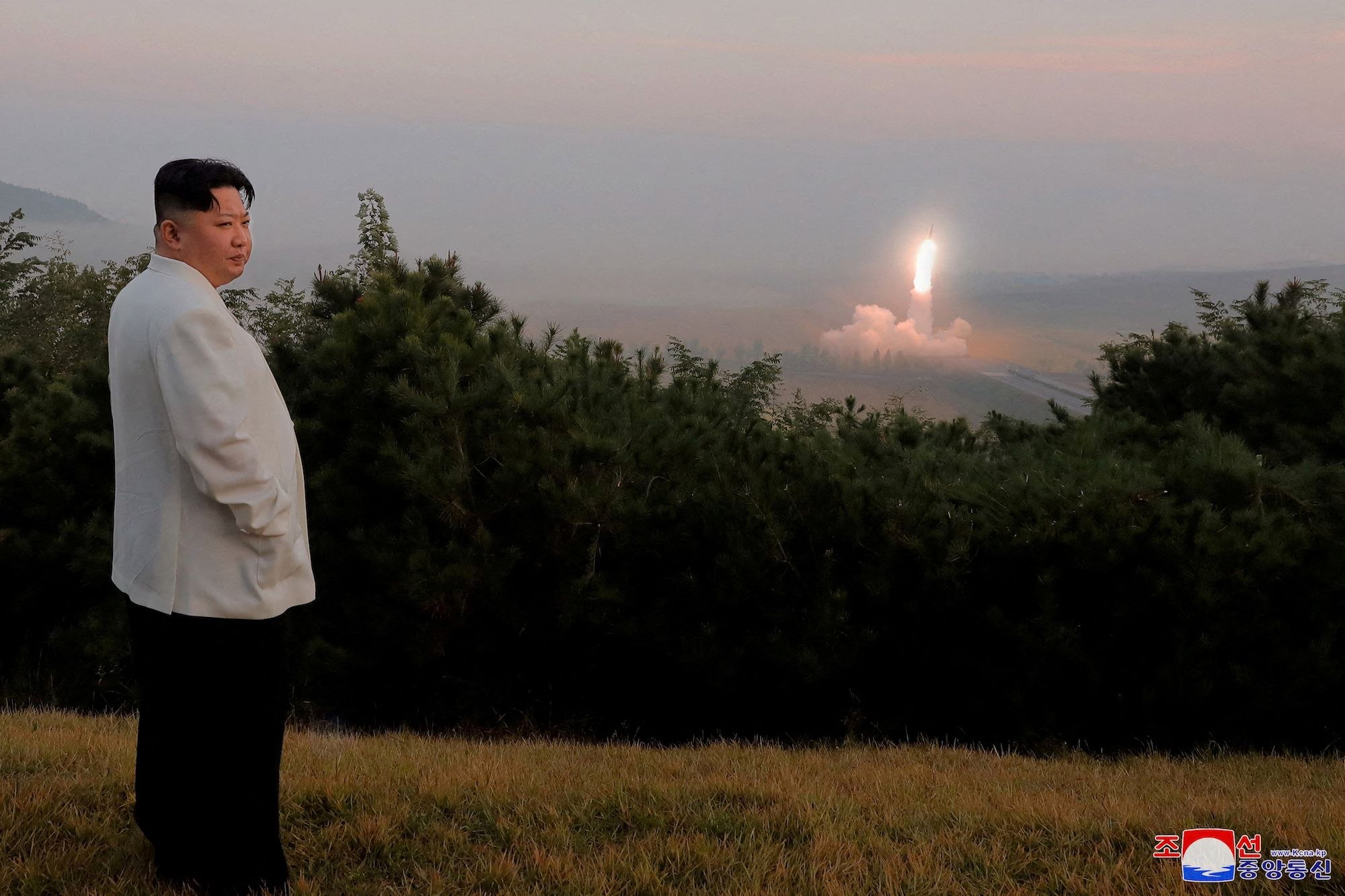
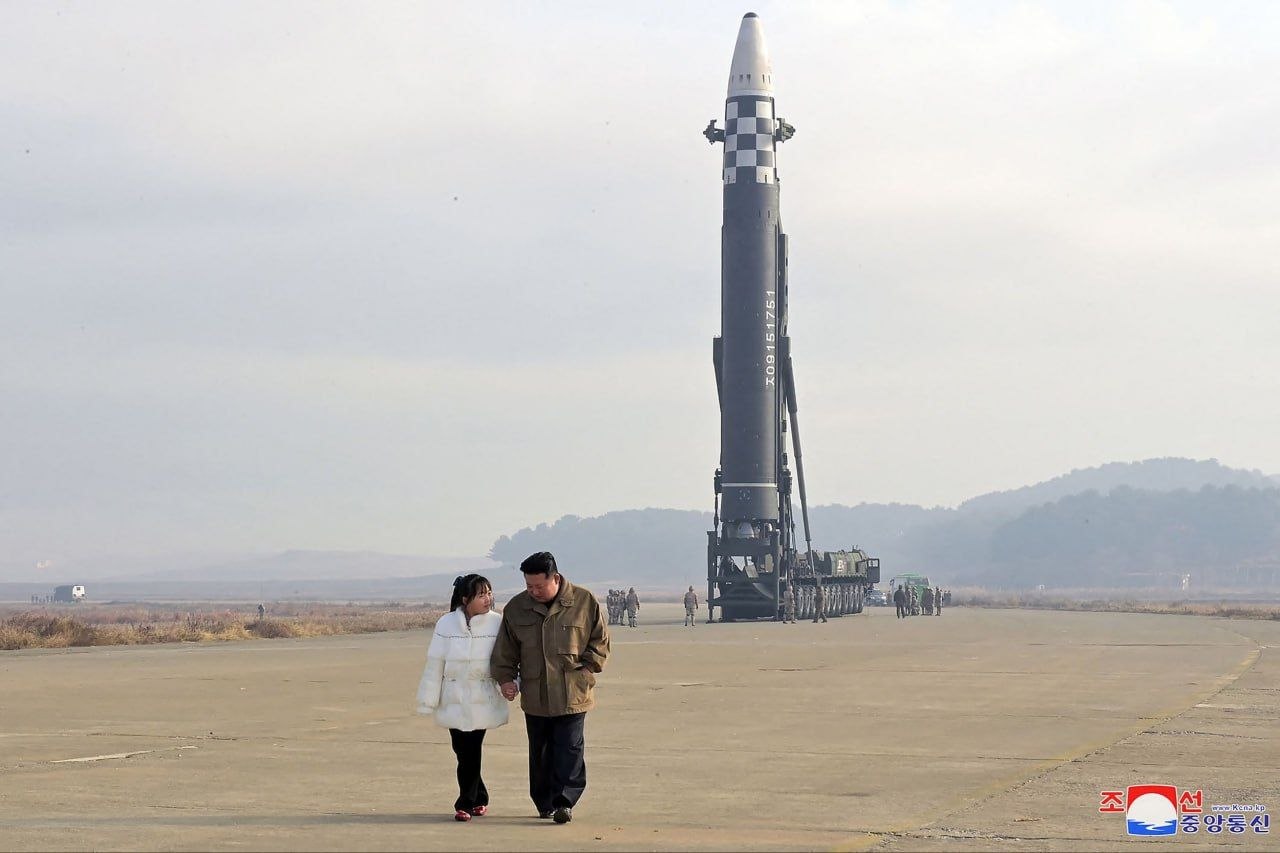
GeoPWatch reported that North Korea’s Supreme People’s Assembly amended the constitution to mandate an automatic nuclear retaliation if Kim Jong Un is killed or incapacitated. The amendment was reportedly prompted by the killing of Iran’s Supreme Leader in joint U.S./Israeli strikes, indicating a perceived linkage between regional conflicts and nuclear doctrine. While no kinetic action followed the amendment on the same day, the policy shift carries significant strategic implications.
Additional Kinetic Incidents
Other notable events include: a rocket alert in Israel reported by RocketAlert; a hostile UAV engagement over the Israeli‑Lebanese border; Iranian drone interceptions by the United Arab Emirates near Abu Dhabi; and a series of drone‑related incidents in Qatar, Kuwait, and Latvia, reflecting the diffusion of kinetic threats beyond traditional battlefields.