The most consequential development on 9 May 2026 occurred in the Strait of Hormuz, where a United States naval strike on an Iranian vessel resulted in six injuries and six personnel reported missing. The incident, reported by the Telegram channel monitor_the_situation, underscores a rapid escalation in maritime confrontations between U.S. forces and Iranian vessels enforcing a de‑facto blockade of the narrow waterway.
"Governor of Lengeh Port reports six injured and six missing after US strike on Iranian ship in Strait of Hormuz amid ongoing naval clashes,"
The strike was executed without the use of a specific weapon system, according to the source, but the tactical impact is evident: Iranian maritime traffic faces heightened risk, and U.S. naval assets are operating under rules of engagement that permit kinetic action against perceived threats. The United States and Iran remain the primary actors, with the incident captured in a photo released alongside the report (Source: https://t.me/monitor_the_situation/15431).
US Air Force Engagement: Radar Destruction
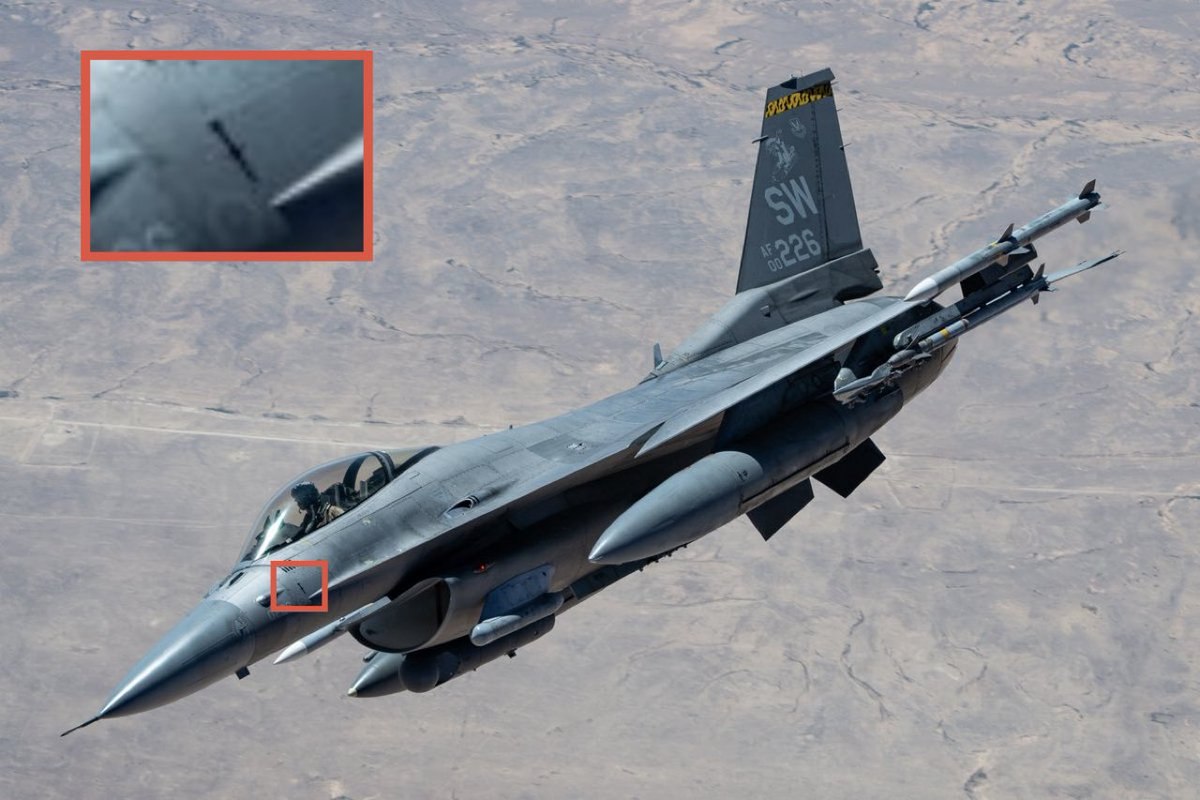
Within hours of the naval strike, the United States escalated its aerial campaign. At 04:42 UTC, an F‑16C from the 79th Fighter Squadron of the U.S. Air Force launched an AGM‑88 HARM anti‑radiation missile, successfully destroying an Iranian radar installation in the same strait. The operation, also documented by monitor_the_situation, demonstrates coordinated use of air‑to‑surface precision weapons to suppress Iranian air‑defense capabilities (Source: https://t.me/monitor_the_situation/15433).
Regional Context and Diplomatic Signals
Simultaneously, broader geopolitical dynamics are influencing the theater. An Al Jazeera live‑blog noted that the United States is awaiting Tehran’s response to a proposed peace deal, even as naval clashes persist. The same report highlighted a separate Israeli strike in southern Lebanon that killed 31 individuals, including a rescue worker, illustrating the multi‑front nature of regional hostilities (Source: https://www.aljazeera.com/news/liveblog/2026/5/9/iran-war-live-tehrans-reply-to-us-deal-expected-amid-clashes-in-hormuz?traffic_source=rss). The convergence of U.S.–Iran maritime friction, Israeli‑Lebanese violence, and diplomatic overtures creates a volatile environment where any miscalculation could broaden the conflict.
Ground Operations in Mali: Joint Russian‑Malian Patrols
On the African continent, Mali experienced a distinct but equally significant security development. Over a 24‑hour period, the Russian‑led Africa Corps and the Malian Armed Forces (FAMa) conducted joint patrols, searches, and convoy escorts in the Koulikoro Region. These operations aimed to deter Jamaâ Nusrat al‑Islām wal‑Muslimīn (JNIM) militants from disrupting civilian movement along key routes, notably between Sibikoro and Kati. Video evidence released by the Telegram channel GeoPWatch confirms the presence of Russian advisers alongside Malian troops, indicating a deepening security partnership (Source: https://t.me/GeoPWatch/32854).
Clashes Near Menaka
In a separate ground‑movement report, the Malian Army reported ongoing clashes on the outskirts of Menaka, approximately 50 km from Ansongo. While casualty figures were not disclosed, the engagement reflects persistent instability in northern Mali, where Islamist insurgents and local militias continue to contest control (Source: https://t.me/GeoPWatch/32857).
Both the maritime and terrestrial events illustrate a pattern of heightened military activity driven by strategic imperatives. In the Persian Gulf, the United States is employing a combination of kinetic strikes and electronic suppression to maintain freedom of navigation and pressure Iranian maritime enforcement. In Mali, Russian involvement provides logistical and tactical support to Malian forces, enabling more effective counter‑insurgency operations against JNIM.
Key observations include the synchronization of air and naval assets by U.S. forces, the absence of reported weaponry in the initial ship strike (suggesting a possible use of small‑caliber or precision‑guided munitions not disclosed), and the expanding role of Russian private‑military contractors in West Africa. The convergence of these trends signals a broader shift toward multi‑domain operations that blend conventional forces with proxy and advisory elements.